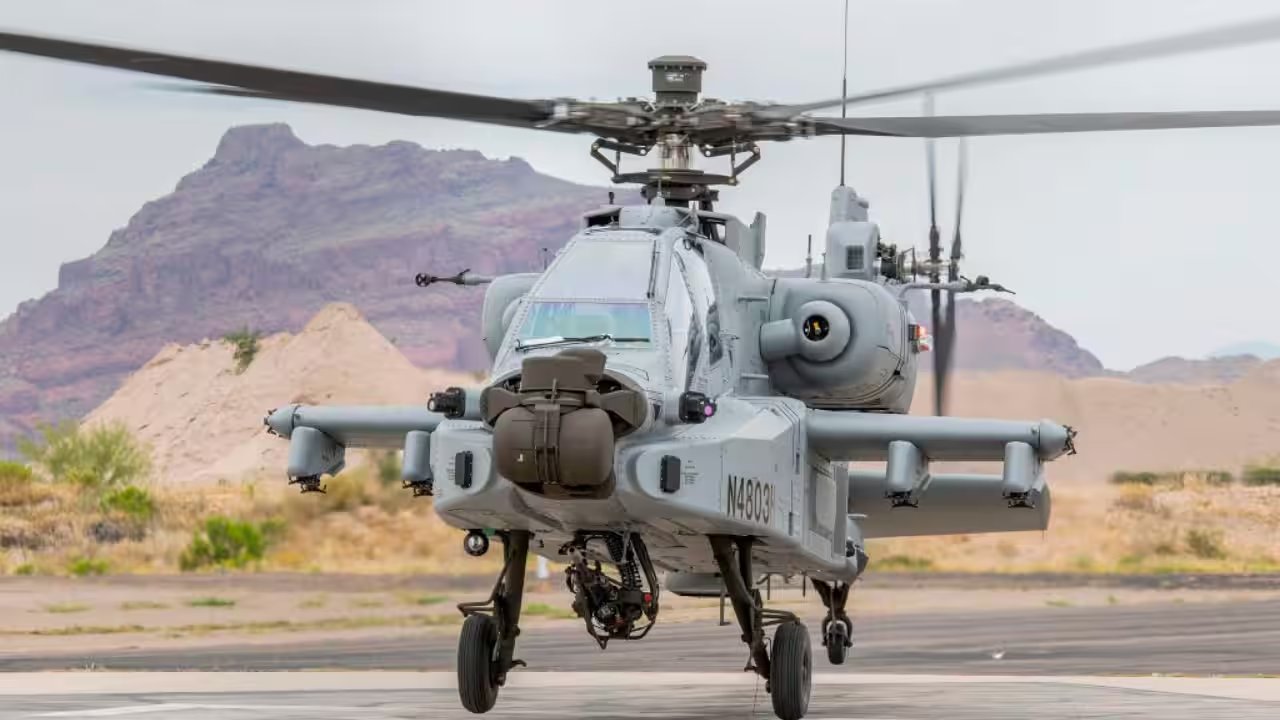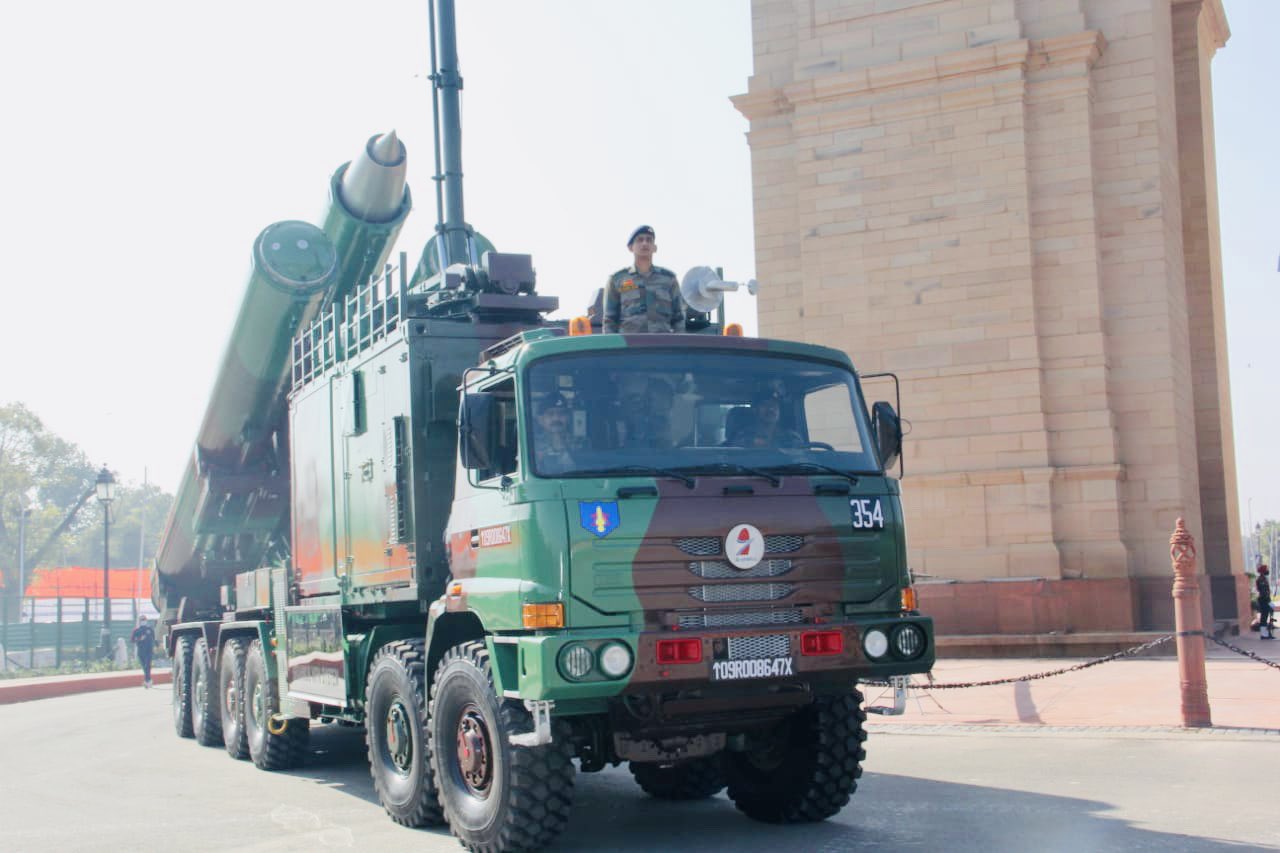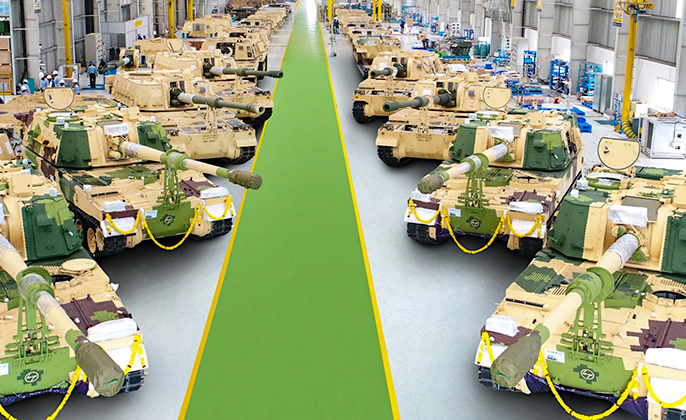
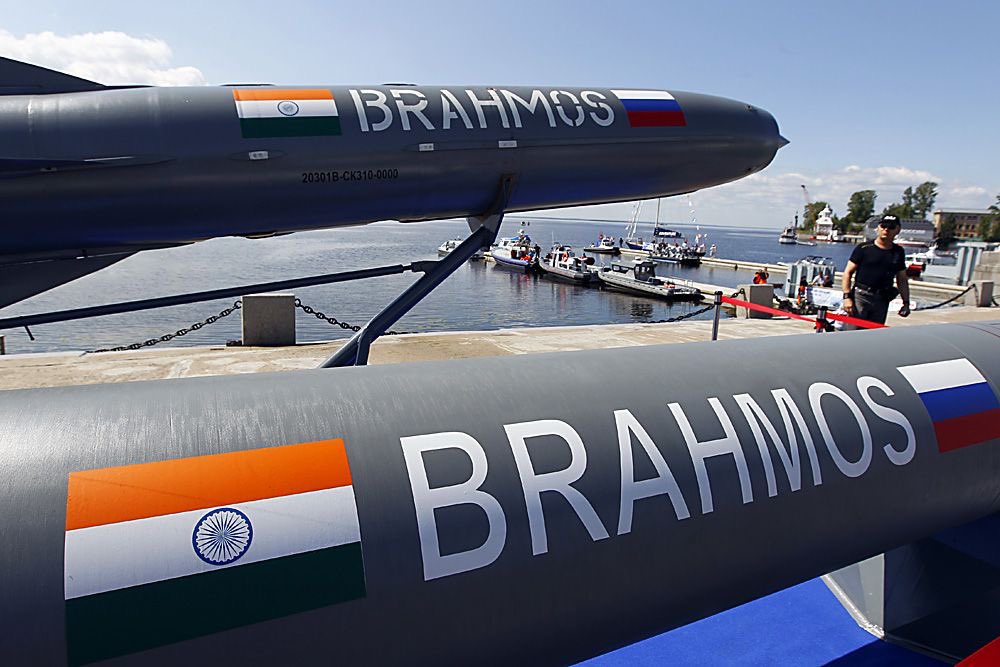
New Delhi: India’s indigenous defence production hit an all-time high of ₹1.78 lakh crore in the financial year ending March 2026, the Ministry of Defence announced on Wednesday, marking a 15.6 per cent rise over the previous year's ₹1.54 lakh crore and a 110 per cent jump since FY2020-21, when output stood at ₹84,643 crore.
The figure, released by the Press Information Bureau citing data from defence public sector undertakings (DPSUs), other public sector enterprises, and private manufacturers, places India's defence industrial output at roughly double what it was five years ago and nearly four times the ₹43,746 crore recorded in FY2013-14.
Defence exports, announced separately in April, also reached a record ₹38,424 crore in FY2025-26, a 62.7 per cent rise over the ₹23,622 crore posted in FY2024-25. The number of firms exporting defence equipment grew to 145 from 128, and India now supplies to more than 80 countries.
Production has grown 87 per cent in five years; exports have tripled. The private sector's share has edged up from roughly a fifth to nearly a quarter, with its absolute contribution in FY2025-26 standing at around ₹42,000 crore, a record in absolute terms.
DPSUs lead the export surge
The composition of the FY2025-26 export figure is notable. DPSUs, which typically trail the private sector in exports, this time contributed ₹21,071 crore, a 151 per cent rise over their previous year's ₹8,389 crore. Private firms contributed ₹17,353 crore, up 14 per cent from ₹15,233 crore. This reversal of the usual pattern was driven largely by a significant uptick in orders for larger defence platforms, such as helicopters and naval vessels, which tend to be DPSU-made.
The number of firms with active export authorizations grew to 145, and India now supplies defence equipment to more than 80 countries. The export portfolio spans bullets and bulletproof jackets to Dornier Do-228 turboprop aircraft, Chetak helicopters, fast interceptor craft, advanced towed artillery guns, and lightweight torpedoes.
A caveat the numbers do not capture
India's production and export figures have improved sharply, but an important counterpoint persists: the Stockholm International Peace Research Institute (SIPRI), in its March 2026 arms transfers report, ranked India as the world's second-largest arms importer for the five-year period 2021–25, accounting for 8.2 per cent of all global arms imports. Only Ukraine, in the midst of an active war, imported more. Russia remained India's largest single supplier at 40 per cent, though that share has fallen steadily from 70 per cent in 2011–15 and 51 per cent in 2016–20.
SIPRI noted that India's imports declined by roughly 4 per cent compared with the 2016–20 period, attributing this partly to its growing ability to design and produce domestically, while acknowledging that indigenous programmes face delays. India is simultaneously importing and exporting: its Defence Acquisition Council cleared procurement proposals worth approximately $25 billion in late March 2026, including additional S-400 Triumf air defence batteries from Russia and a separate consignment of Tunguska systems. It also has orders outstanding for up to 140 Rafale jets from France and six submarines from Germany.
The picture, taken in full, is of a sector that is expanding its production base faster than it is reducing its import dependency, not a contradiction, but a reflection of India's security needs and the time it takes to indigenize complex platforms.
What drives the numbers
Several structural policy changes lie behind the growth trajectory. The government has issued positive indigenization lists, compiled lists of items that cannot be imported and must be procured domestically, across multiple tranches. It has raised the foreign direct investment cap for the defence sector to 74 per cent through the automatic route and to 100 per cent with government approval. The two dedicated defence industrial corridors, in Uttar Pradesh and Tamil Nadu, have attracted investments worth more than ₹9,145 crore and drawn 289 memoranda of understanding with companies.
The Innovations for Defence Excellence (iDEX) scheme, running since 2018, has engaged over 619 startups and MSMEs through contracts totalling ₹449.62 crore in FY2025-26. The Defence Research and Development Organisation (DRDO) has also moved from purely developmental to supply-chain-integrated work, delivering systems including the Pralay quasi-ballistic missile, the Akash surface-to-air missile, the Astra beyond-visual-range air-to-air missile, and the light combat helicopter.
Platforms that were once exclusively imported, such as light transport aircraft, coastal patrol vessels, and artillery systems, are now domestically manufactured. The Tejas-Mk1A programme, under which the Air Force has ordered 83 aircraft from Hindustan Aeronautics Limited, is now in production, though deliveries have been slower than originally scheduled. The Tejas-Mk2, a more capable variant with a more powerful engine, remains in development.
Targets and trajectory
The government's stated goal is ₹3 lakh crore in annual defence production and ₹50,000 crore in exports by FY2028-29. At the current pace, output grew from ₹95,000 crore in FY2021-22 to ₹1,78,000 crore in FY2025-26, a compound annual growth rate of roughly 13 per cent, achieving the production target in three years would require sustaining or accelerating that rate. The exports figure of ₹50,000 crore is approximately 30 per cent higher than the current record; given the 63 per cent jump in FY2025-26 alone, that target is not implausible if large platform deliveries remain consistent.
The defence minister, Rajnath Singh, acknowledged both the progress and the ambition in a post on X, citing the expanding industrial base and calling for continued acceleration through policy support and private participation.
Follow us on social media for quick updates, new photos, videos, and more.
X: https://x.com/indiasentinels
Facebook: https://facebook.com/indiasentinels
Instagram: https://instagram.com/indiasentinels
YouTube: https://youtube.com/indiasentinels
© India Sentinels 2026-27