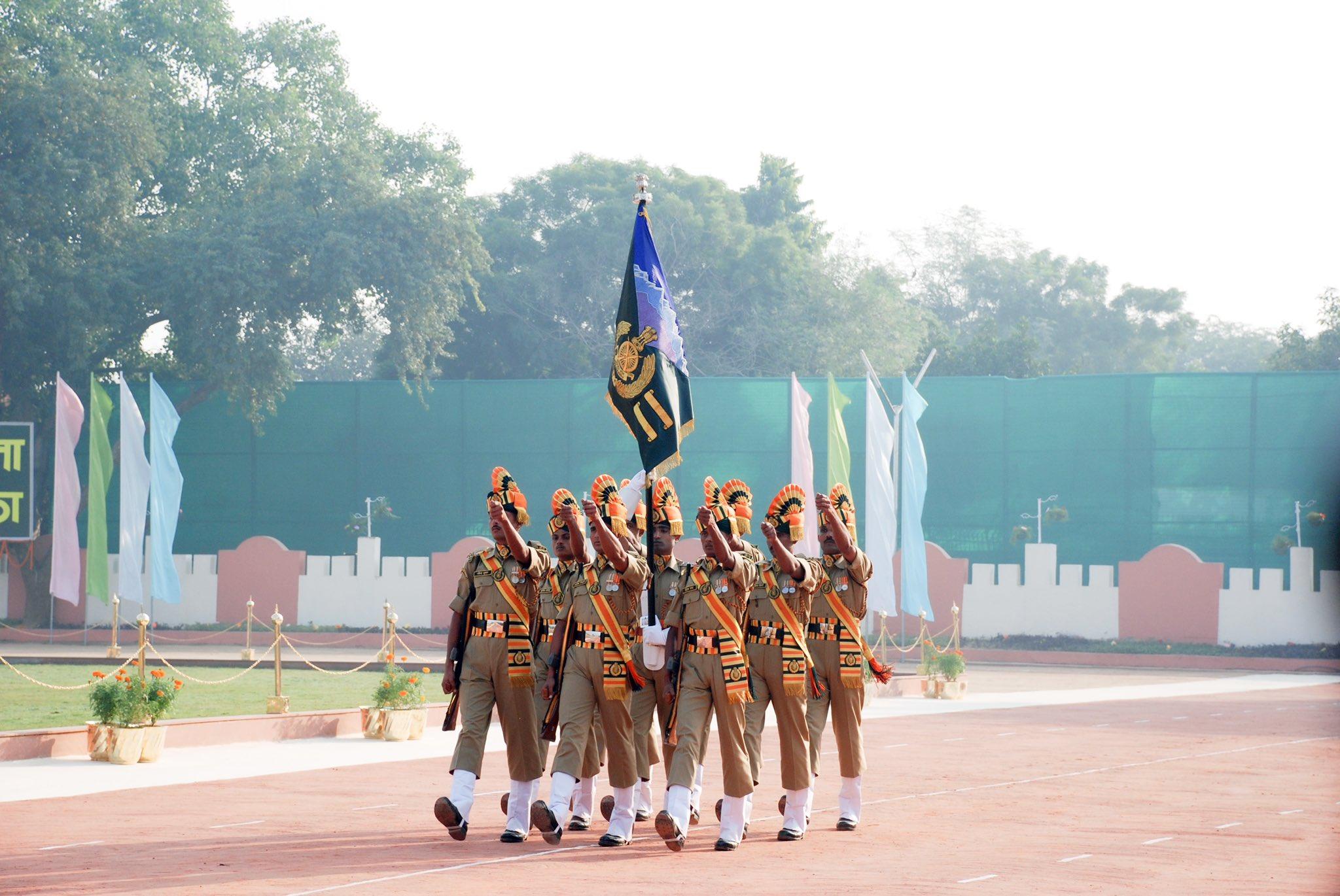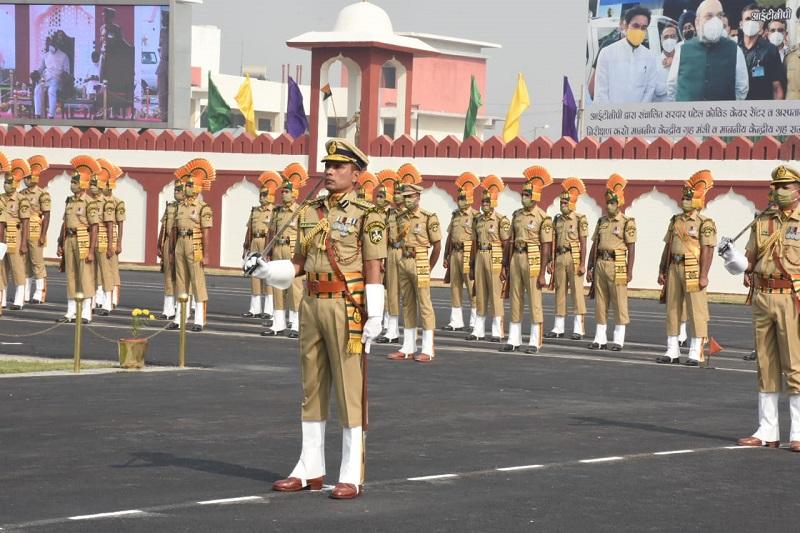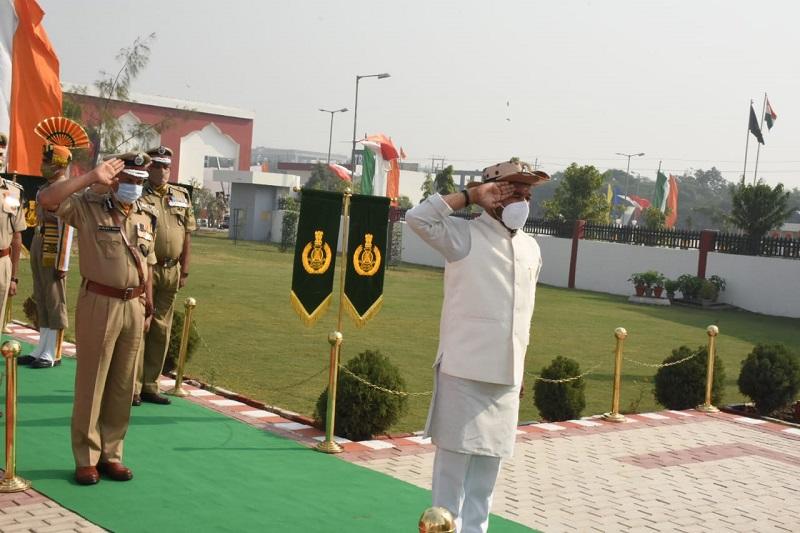
 ITBP prepares to bring its fallen climber home. (Photo: X)
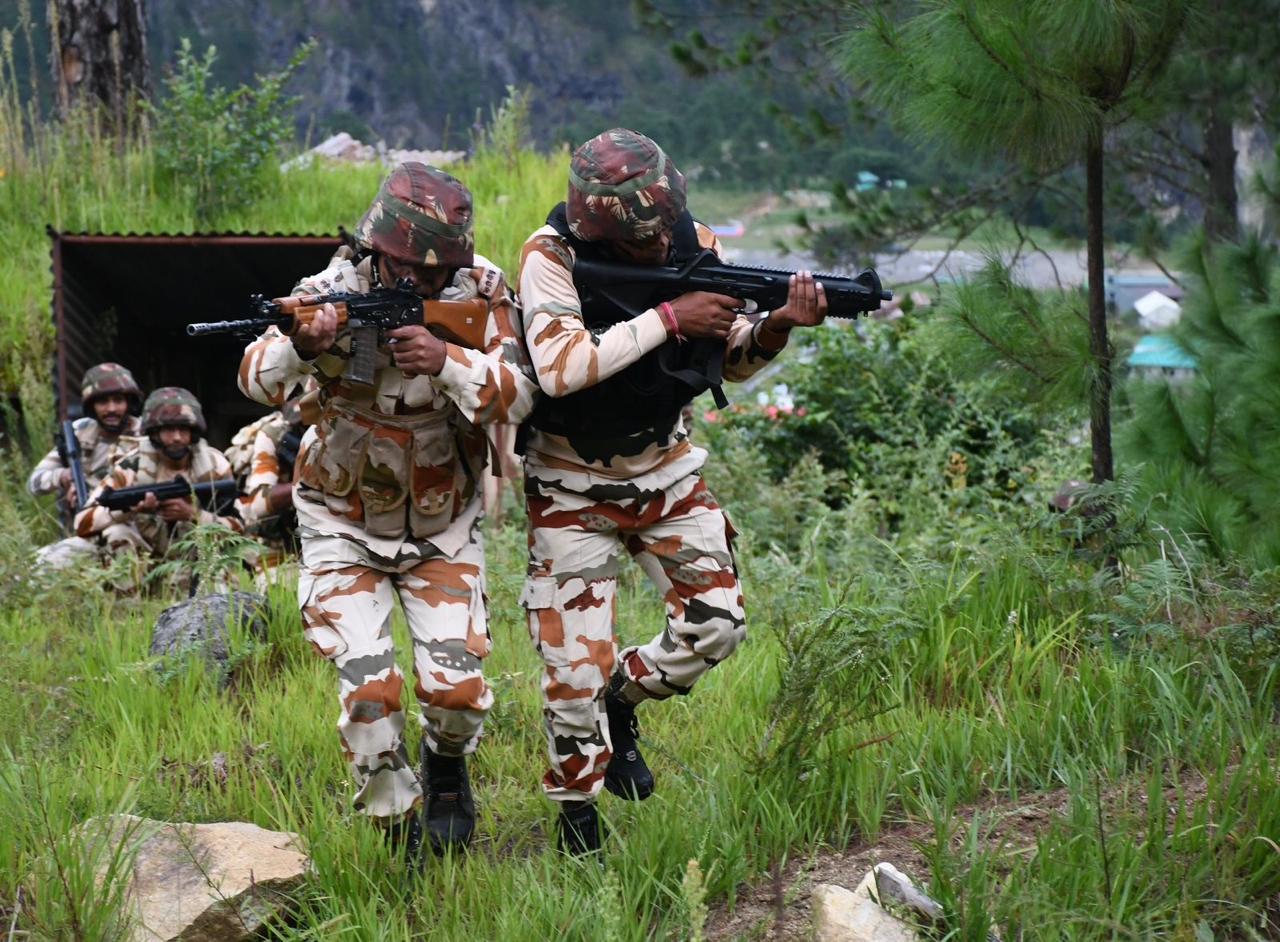
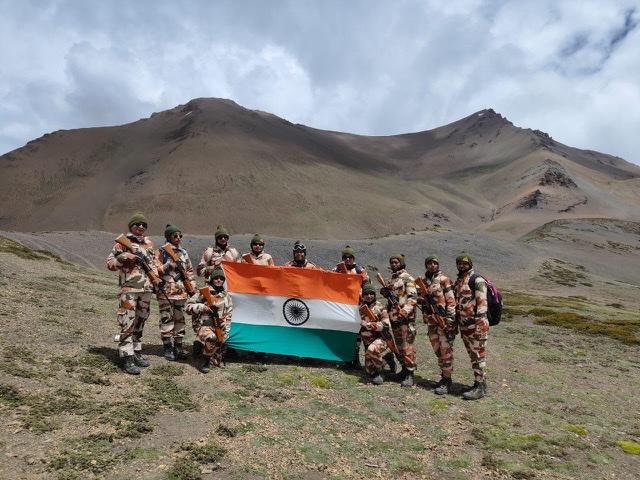
New Delhi: For nearly three decades, a body wrapped in weathered green mountaineering boots has served as a macabre waypoint for climbers pushing towards the summit of Mount Everest from its northern face. Now, the Indo-Tibetan Border Police (ITBP) is preparing to bring that climber home.
The border-guarding force for the disputed line of actual control (LAC) with China-controlled territory of Tibet has floated a tender for a specialist high-altitude retrieval mission, hoping to recover the remains and return them to India before September.
The operation, described in tender documents as a “Phase II retrieval operation”, is scheduled for the window between June and September 2026, with an earnest money deposit of ₹12.78 lakh fixed for bidders. Agencies applying for the contract are required to field a team that includes at least six Sherpas experienced in technical high-altitude recovery – a reflection of just how forbidding the task ahead is.
Body long known only by its boots
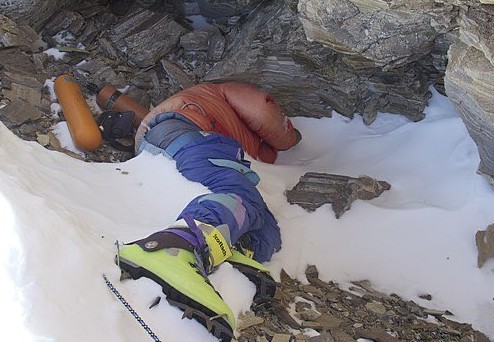
The climber has been known to generations of mountaineers simply as “Green Boots”, after the lime-coloured Koflach boots still visible on the frozen remains. Lying at about 8,500 metres in a limestone alcove below Everest’s First Step, the body has been passed by hundreds of climbers attempting the north ridge route since 1996, many using it, grimly, as a landmark to gauge their progress towards the top.
For years, the identity of Green Boots was disputed. Most accounts pointed to Tsewang Paljor, a head constable with the ITBP who died during a blizzard in May 1996. A minority view, first put forward in a 1997 account by the mountaineer P M Das, suggested the body was that of Lance Naik Dorje Morup, a fellow member of the same expedition.
That question has now been settled: DNA testing carried out ahead of the recovery mission has established that the remains belong to Morup, not Paljor, according to Indian officials cited in local media. Paljor's body remains unaccounted for on the mountain.
The 1996 expedition and its tragic descent
Morup, 48 at the time, was one of six ITBP climbers attempting a historic first – an Indian ascent of Everest from the Chinese side, over the northeast ridge, rather than the far more frequently used southern route from Nepal. The expedition was led by Commandant Mohinder Singh.
Deteriorating weather forced three of the six back down the mountain. The remaining three – Subedar Tsewang Smanla, Lance Naik Morup and Head Constable Paljor – pressed on and reached the 8,849-metre summit late in the afternoon of May 10, 1996, according to a summit certificate later issued by Chinese authorities, which records the moment at 5.30pm. It would prove a costly triumph. Caught in a ferocious storm on the way down, all three died on the mountain.
Their deaths came in the same season as the wider Everest disaster chronicled in Jon Krakauer’s Into Thin Air, in which eight climbers lost their lives across both the northern and southern routes over two days.
Smanla’s and Paljor’s bodies were never brought down. Morup’s remained close to the climbing route and, over time, became one of Everest's most recognized – if unnamed – features.
In one particularly haunting episode in 2006, several dozen climbers are reported to have passed a dying British mountaineer, David Sharp, sheltering in the same alcove where Green Boots lay. Some accounts suggest he was mistaken for the corpse already familiar to them.
The body was quietly relocated to a less conspicuous spot by a Chinese expedition team in 2014, though it remained on the mountain.
Why bringing him down is so difficult
Everest’s “death zone” – the region above 8,000 metres, where oxygen levels fall to roughly a third of those at sea level and temperatures can plunge to about minus 40°C – is inhospitable even to climbers moving under their own power, let alone a rescue team burdened with a frozen body.
Bodies left at altitude often become significantly heavier as ice and equipment accumulate around them, complicating any attempt to move them across steep, rocky terrain.
The northern, Chinese-administered face of the mountain compounds the difficulty. Unlike the Nepalese side, it lacks the infrastructure for rapid helicopter evacuation and has fewer established support points, meaning any emergency during the mission would be harder to manage.
Mountaineering guides who have taken part in earlier recovery efforts have said that a team of 10 to 12 climbers capable of summit-level exertion may be needed simply to fix ropes and reach the location, before the remains can be carried down to a lower altitude for transport by helicopter or yak.
Such operations do not come cheap. Even relatively straightforward recoveries on Everest have been estimated to cost between $40,000 and $80,000 – roughly ₹35 lakh to ₹70 lakh – and the ITBP has said it will bear the entire cost of bringing Morup home.
The risks explain why so few of the estimated 200 or more bodies still on Everest have ever been retrieved. One notable exception was Francys Arsentiev, the American climber known as the “Sleeping Beauty of Everest”, whose body was moved to a more secluded spot on the mountain in 2007, nearly ten years after her death, rather than carried down.
Family never stopped waiting
For Morup’s family in Ladakh, the mission carries a weight no tender document can capture. His wife, Konchak Yangskit, now in her mid-seventies, has said she knew a storm had struck the mountain and that her husband had died, yet found it impossible to fully accept his loss without ever seeing his body. She has spoken of nights when she imagined a knock at the door and her husband standing outside.
Before he left for the expedition, Morup told her he would return a hero and asked her to look after their children and meet him at the airport on his return. The family has kept his medals, trophies, photographs and the Chinese summit certificate as reminders of his climb.
Should the recovery mission succeed, the remains will be flown to India for confirmatory DNA testing before being handed over to the family.
Morup’s son, Punchok Dorjai, has said the family intends to hold his final rites near Martyrs' Park in Leh, and wants both his father and his two teammates who died in the same expedition formally recognised as martyrs. The family also plans to preserve the green boots that gave an unidentified body on a distant mountainside its name for thirty years, alongside the certificate that once proved his triumph.
Follow us on social media for quick updates, new photos, videos, and more.
X: https://x.com/indiasentinels
Facebook: https://facebook.com/indiasentinels
Instagram: https://instagram.com/indiasentinels
YouTube: https://youtube.com/indiasentinels
© India Sentinels 2026-27