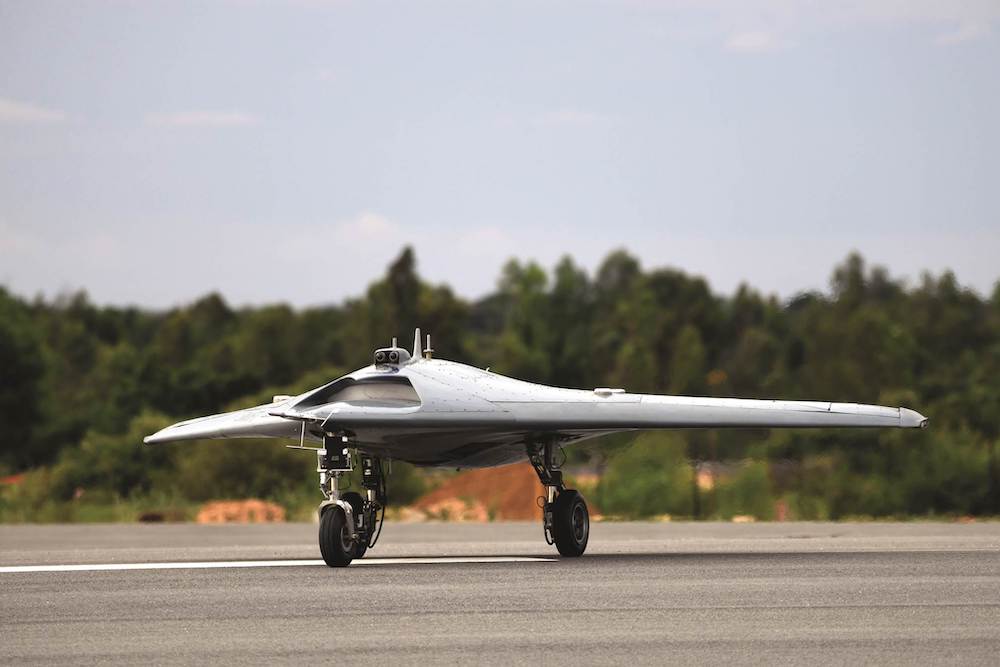
 DRDO’s Ghatak stealth UAV. (Creative Commons photo for representation.)
New Delhi: India is building its first runway designed exclusively for drones and remotely piloted aircraft (RPA) at Meerut in Uttar Pradesh. This is seen as a move that reflects how the Indian Army is thinking on unmanned warfare after the nine-day India-Pakistan conflict of May 2025.
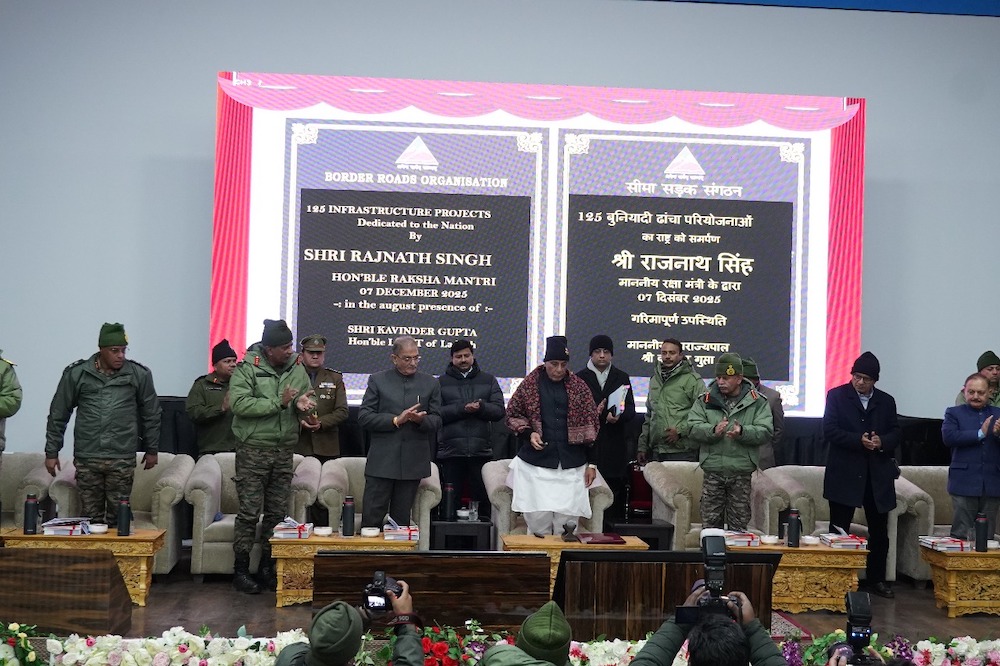
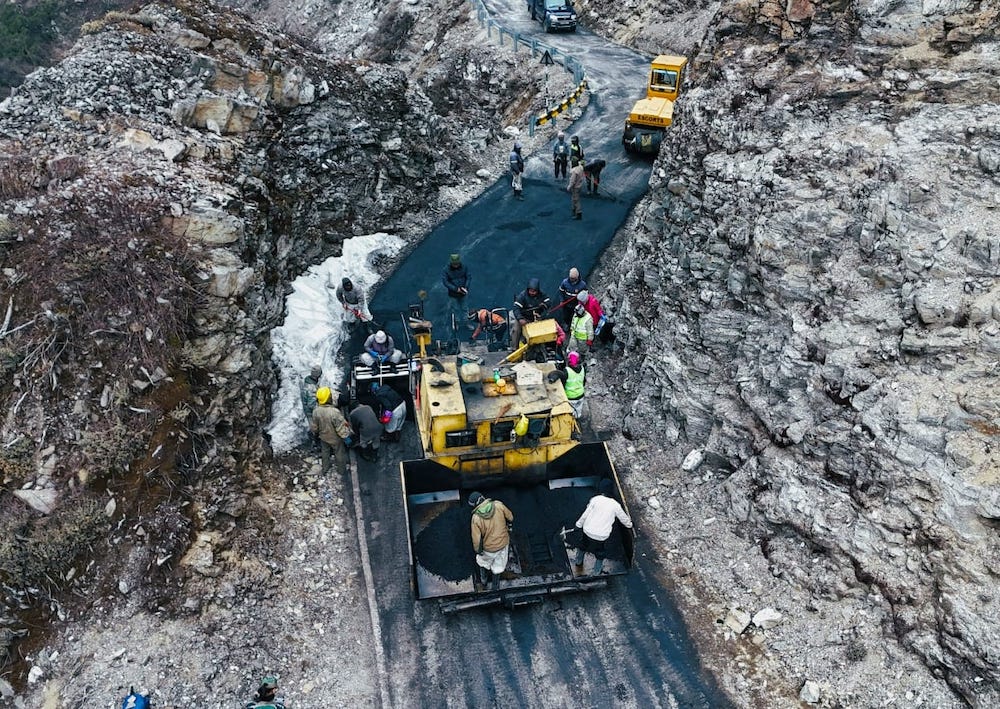
The ₹406 crore project is being executed by the Border Roads Organisation (BRO) and is designed to support sustained, high-tempo RPA operations across a facility spanning approximately 900 acres. Documents accessed by CNN-News18 show [archived link] that the BRO, which functions under the Ministry of Defence, has already invited bids for project-management consultancy services – an early but firm step in bringing the base to life.
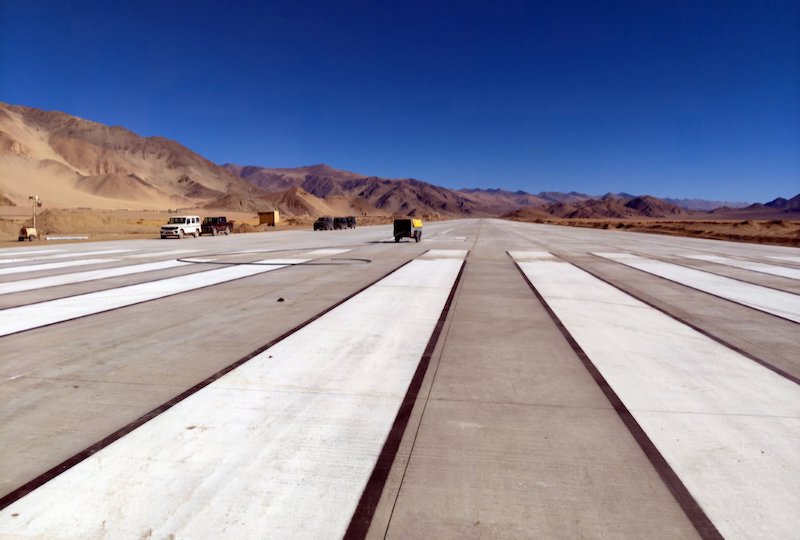
At the heart of the base will be a 2,110-metre-long and 45-metre-wide runway. The airstrip will be equipped with ICAO CAT-II compliant lighting and advanced navigational aids, enabling operations in low-visibility conditions. The runway designation is 14/32, indicating its orientation, and it is engineered to handle not just drones but also transport aircraft in the C-295 and C-130 class – giving the facility operational flexibility for logistics alongside unmanned missions.
The base will also house two large hangars, each measuring 60 by 50 metres, to support aircraft parking, maintenance and rapid deployment. Defence planners estimate the base could support heavy aircraft movement annually along with around 1,500 RPA sorties – averaging nearly four drone missions per day.
The timing and rationale for the project are inseparable from Operation Sindoor. Launched on May 7, 2025, following the April 22 terrorist attack in Pahalgam that killed 28 civilians, the operation marked the first drone battle between the two nuclear-armed nations. Pakistan attempted to engage a number of military targets in northern and western India – including Awantipura, Srinagar, Jammu, Pathankot, Amritsar and others – using drones and missiles, while Indian forces simultaneously deployed unmanned systems for surveillance, intelligence-gathering and precision strikes against terrorist infrastructure across nine sites.
Academic analysis of the conflict has noted a clear shift: from using drones solely for intelligence, surveillance and reconnaissance purposes to deploying them for deep strikes into enemy territory as potent offensive weapons. That shift made purpose-built infrastructure a matter of operational necessity rather than future-planning. The Indian Army had observed 2024 and 2025 as “years of tech absorption” – a deliberate drive to move from technology adoption to full integration – and inducted around 3,000 RPAs, 150 tethered drones, swarm drones and kamikaze drones in the preceding period.
HALE, or high-altitude long endurance, RPAs are the workhorses of persistent aerial surveillance. They are built to remain airborne for extended durations at high altitudes, delivering continuous real-time intelligence over large swaths of territory. Along sensitive borders, this kind of sustained aerial presence can mean the difference between reacting to a threat and anticipating one. The Meerut base, by providing dedicated infrastructure for such platforms, is intended to institutionalize that capability rather than depend on ad hoc arrangements.
The location is also expected to emerge as a training centre for drone pilots and technical specialists. The runway will not be limited to military use – it will also support disaster management operations, surveillance, relief and rescue work, and delivery of essential supplies to remote areas.
The total construction timeline is estimated at 85 months. The first seven months have been designated for pre-award planning and preparation of the detailed project report. After the DPR is approved, construction supervision will be undertaken for 18 months, followed by a 24-month defect liability period and 36 months of maintenance to ensure the base remains fully operational for a long time.
The Meerut base sits within a broader doctrinal shift in how the Indian Army organizes itself around unmanned systems. Plans are underway to operationalize 25 Bhairav light commando battalions on an accelerated timeline and to raise Ashni drone platoons across the infantry for ISR and precision effects. New Shaktibaan regiments and Divyastra batteries have been designed to meet future challenges, equipped with UAVs and loiter munitions. A dedicated base with its own runway, hangars and long-term maintenance provisions is the infrastructure backbone that such an expanded force structure demands.