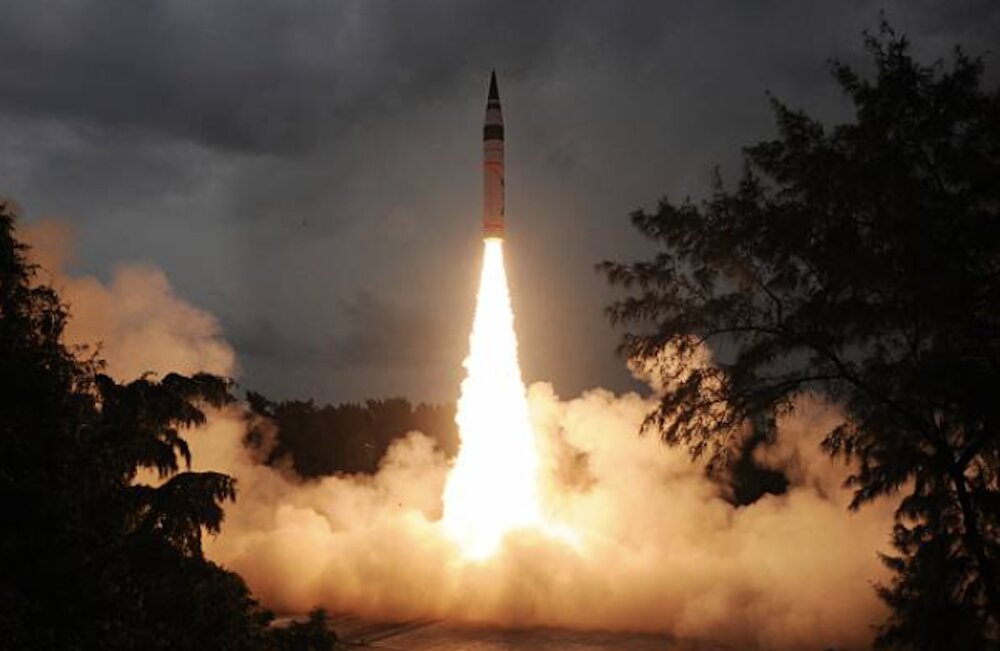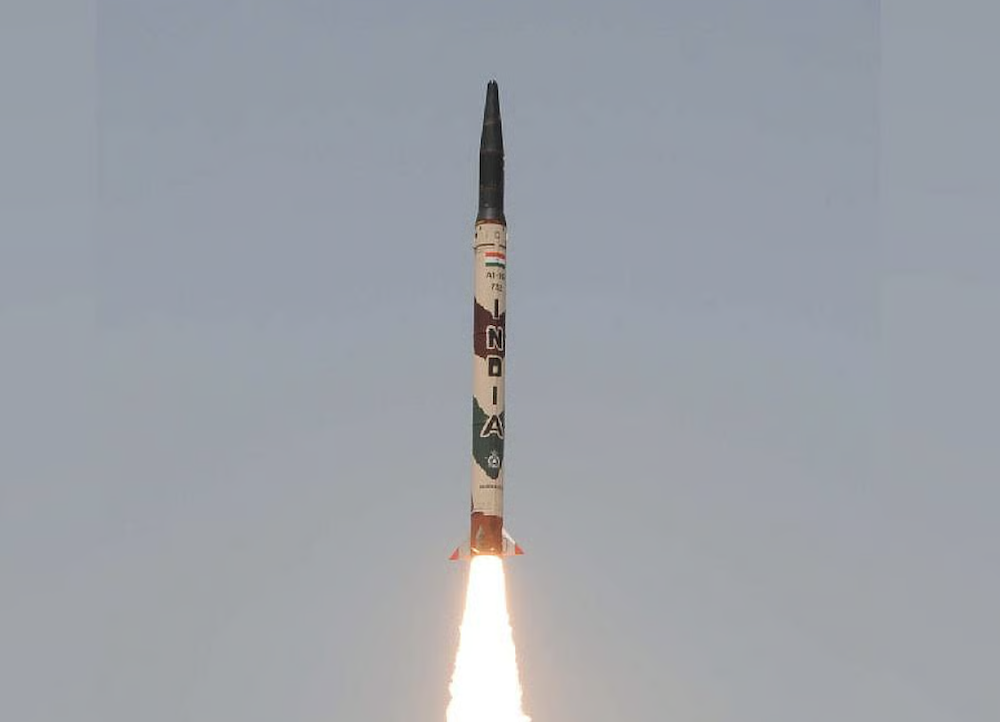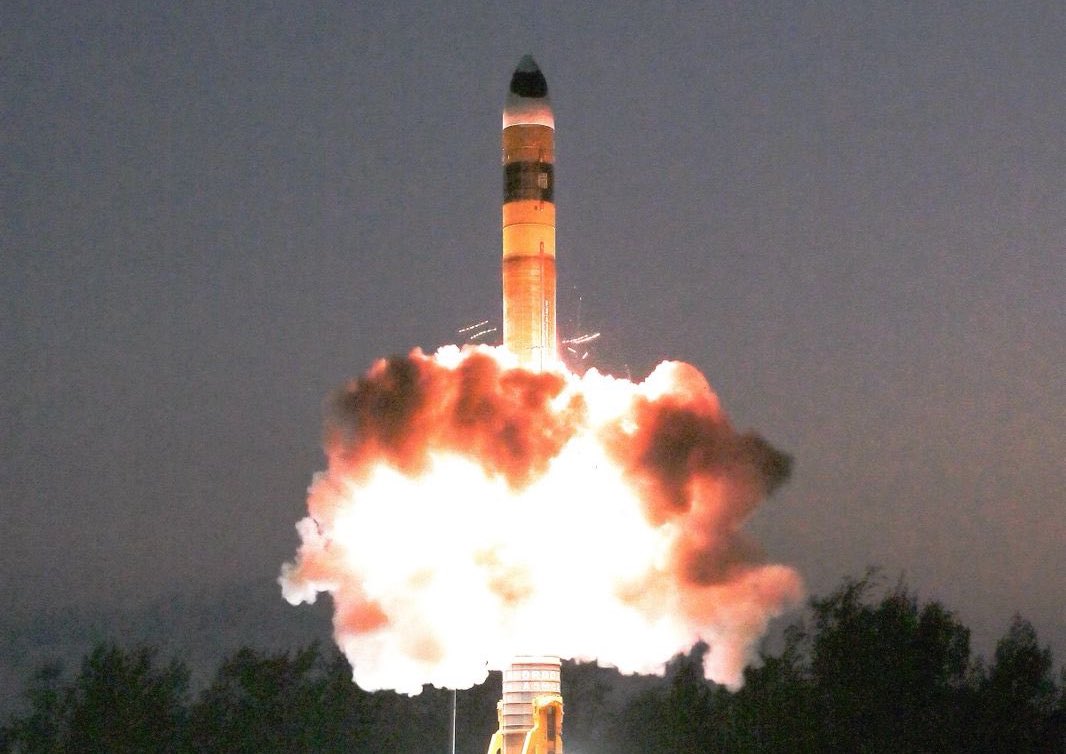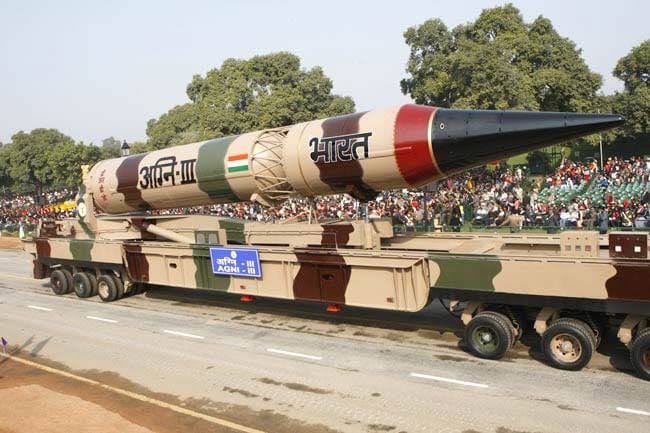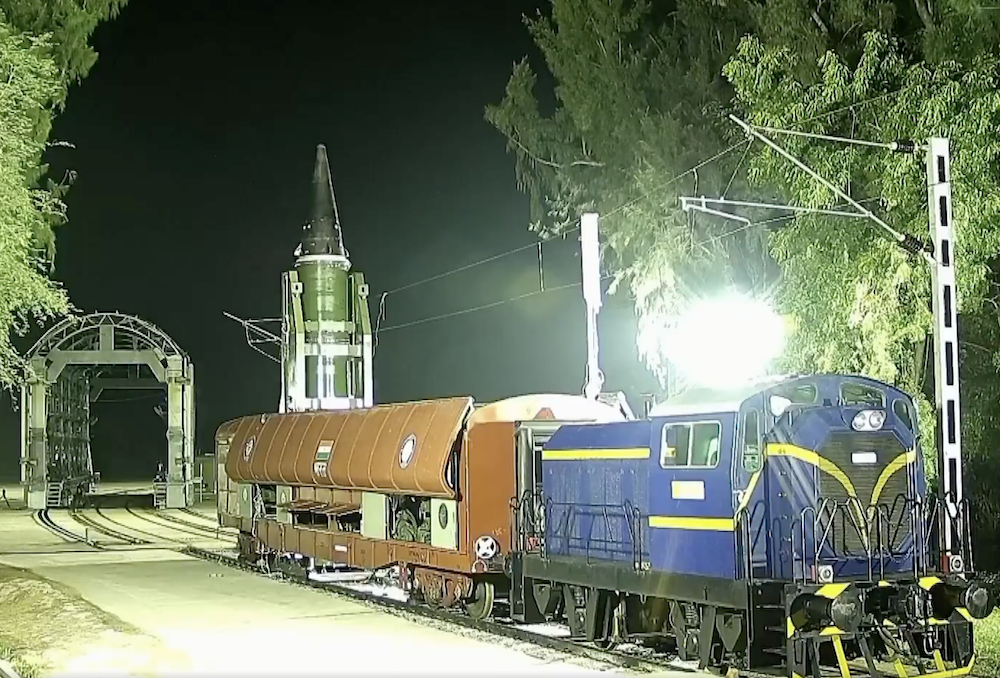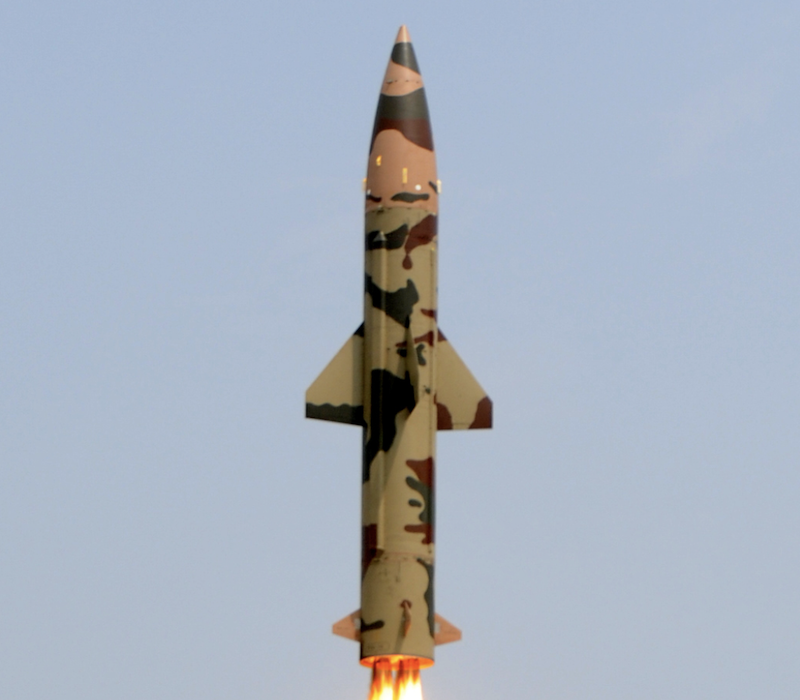
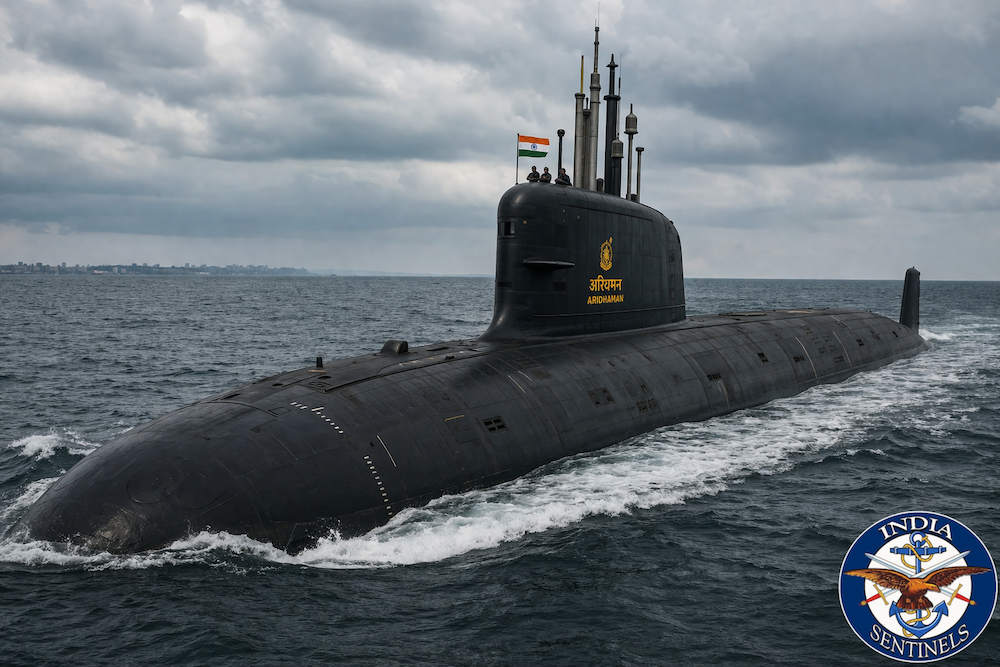
 Illustration for representation. (© India Sentinels 2026–27)
New Delhi: India formally commissioned, INS Aridhaman – its third nuclear-powered ballistic-missile submarine, also called “submersible ship ballistic missile nuclear” (SSBN), on Friday, in a simple ceremony at Visakhapatnam. The defence minister, Rajnath Singh, and the chief of naval staff, Admiral Dinesh Kumar Tripathi, presided over the commissioning.
The vessel had completed its final sea trials in late 2025. Its commissioning event was held without much publicity or fanfare, but marked a significant expansion of the country’s undersea nuclear-strike capability.
INS Aridhaman – the name translates as “destroyer of enemies” or “perpetually victorious” in Sanskrit – is the third boat of the Arihant class and carries the designation “S4 Strategic Strike Nuclear Submarine”. Its induction gives the Indian Navy three operational SSBNs for the first time, joining INS Arihant, commissioned in 2016, and INS Arighaat, commissioned in August 2024.
Like its two predecessors, INS Aridhaman will operate under the Strategic Forces Command.
Larger and more capable
Aridhaman is considerably more capable than its predecessors. The submarine measures approximately 130 metres in length with a beam of 11 metres, displacing around 6,000 tonnes on the surface and roughly 7,000 tonnes submerged – noticeably larger than the 6,000-tonne Arihant. It carries a crew of approximately 95 to 100.
The most significant upgrade lies in its missile capacity. While Arihant and Arighaat each carry four vertical launch tubes, Aridhaman is reported to be fitted with eight tubes, enabling it to carry up to 24 K-15 Sagarika missiles – with a strike range of 750km – or a mix of K-4 missiles, which have a range of approximately 3,500km and are capable of reaching most major cities in China and Pakistan from a submerged position in the Bay of Bengal or the Indian Ocean.
The vessel was built under the Advanced Technology Vessel (ATV) project at the Ship Building Centre in Visakhapatnam, a programme that dates to the 1980s and was developed with Russian technical assistance. Aridhaman was laid down around 2017–18, launched on November 21, 2021, and underwent harbour acceptance and sea trials through 2022 to 2025, with reactor and weapons checks completed by mid-2025.
What it means for India
The commissioning arrives at a moment of intensifying maritime competition in the Indo-Pacific, where China has steadily expanded its own SSBN fleet and has been increasing naval activity in the Indian Ocean region. India’s no-first-use nuclear doctrine requires a reliable second-strike capability – the ability to absorb a nuclear attack and still retaliate – for which a survivable, sea-based leg of the nuclear triad is essential.
With three SSBNs now in service, the Navy is better placed to maintain continuous at-sea deterrence, meaning at least one boat can remain on patrol at all times while others undergo maintenance or training cycles. Analysts have noted that credible continuous deterrence typically requires a minimum of three to four SSBNs, making Aridhaman’s commissioning a threshold moment for India’s strategic posture.
India’s nuclear triad – land-based ballistic missiles, aircraft-delivered weapons, and submarine-launched missiles – is now considered fully operational across all three legs.
Follow us on social media for quick updates, new photos, videos, and more.
X: https://x.com/indiasentinels
Facebook: https://facebook.com/indiasentinels
Instagram: https://instagram.com/indiasentinels
YouTube: https://youtube.com/indiasentinels
© India Sentinels 2026-27