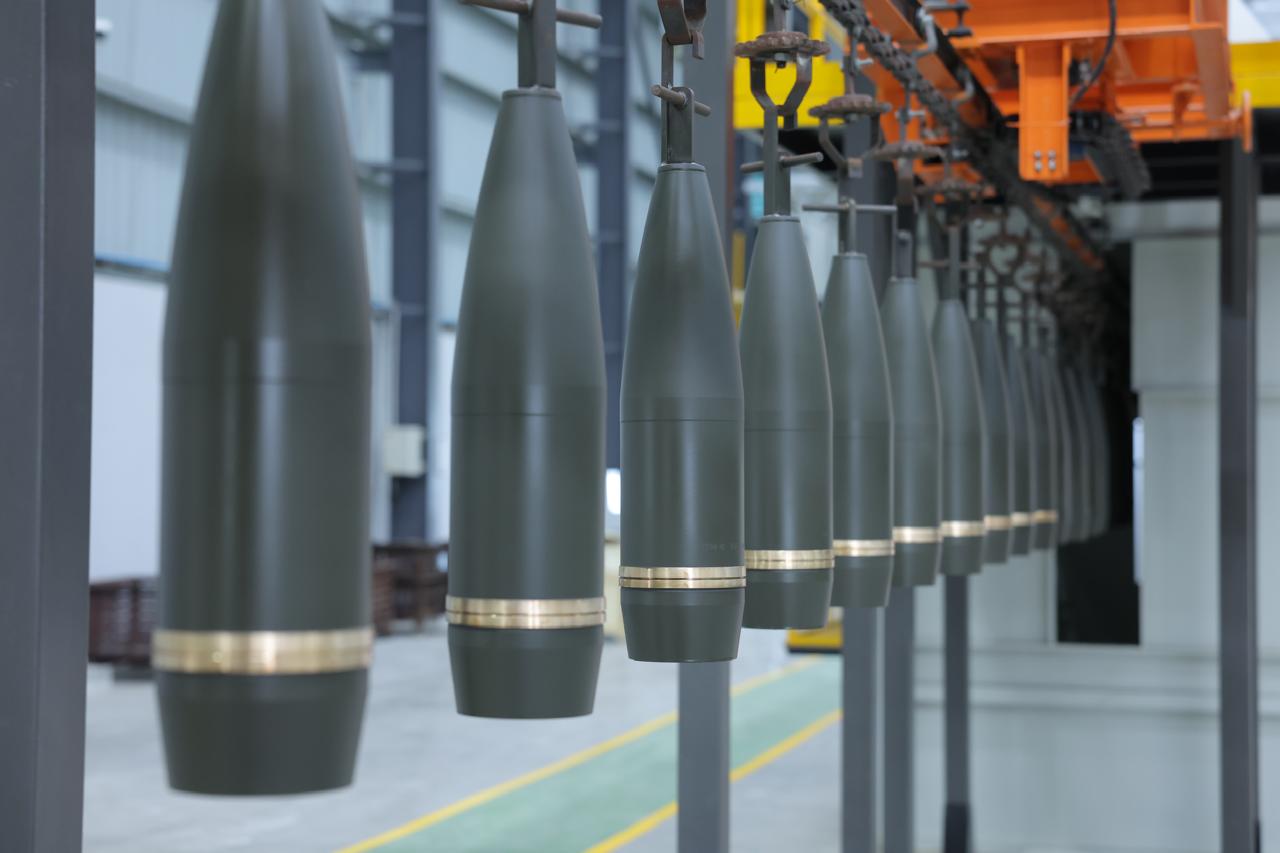
New Delhi: Tirupati Forge Limited, a Gujarat-based precision engineering and forging company, has received an industrial licence to manufacture empty artillery shells. The company disclosed the approval in a statement issued on Monday and said the licence was issued under the Arms Act, 1959.
The licence covers 105mm, 120mm, 122mm, 125mm, 130mm, 152mm and 155mm shells. For the 155mm category, it includes the HE M107, HE L15A1, Extended Range Full Bore (ERFB), ERFB Base Bleed (BB) and ERFB Boat Tail (BT) variants.
The company plans to begin pilot production in December 2026, subject to trials and approvals, with an initial capacity of 150,000 shells a year. It will make only empty shells at first, using its existing engineering and manufacturing capabilities.
“This licence allows us to enter a new area of defence manufacturing,” said the company’s chairman and managing director, Hitesh Thummar. “We will focus on building production capacity and meeting the quality and safety requirements of the defence sector.”
Tirupati Forge is also looking at technology, manufacturing and supply-chain partnerships with Indian and international companies, subject to approvals. Earlier, it entered a non-equity technical collaboration with a Brazilian defence technology professional to develop 155mm M107 and ERFB BB/BT shell bodies to international and Nato standards.
“Our aim is to build this into a long-term manufacturing business,” Thummar said. “We will look at domestic requirements as well as international opportunities.”
The move comes as India expands domestic defence production and gives private manufacturers a larger role. Defence production reached ₹1.78 lakh crore in FY2025-26 and defence exports stood at ₹38,424 crore, according to government data.
At the inauguration of a ₹1,000 crore plant built by NIBE Limited and Globe Forge Limited at Ahilyanagar in Maharashtra, designed to make up to 5 lakh 155mm shells a year, the defence minister, Rajnath Singh, said private-sector participation was expected to rise from 30-35% to 50% in the coming years.