 Rajnath Singh (File photo)
New Delhi: India’s apex defence procurement body has cleared a fresh tranche of military modernisation proposals worth nearly ₹52,000 crore, with the bulk of the spending aimed at plugging capability gaps exposed by the growing use of drones and precision-guided munitions in modern warfare.
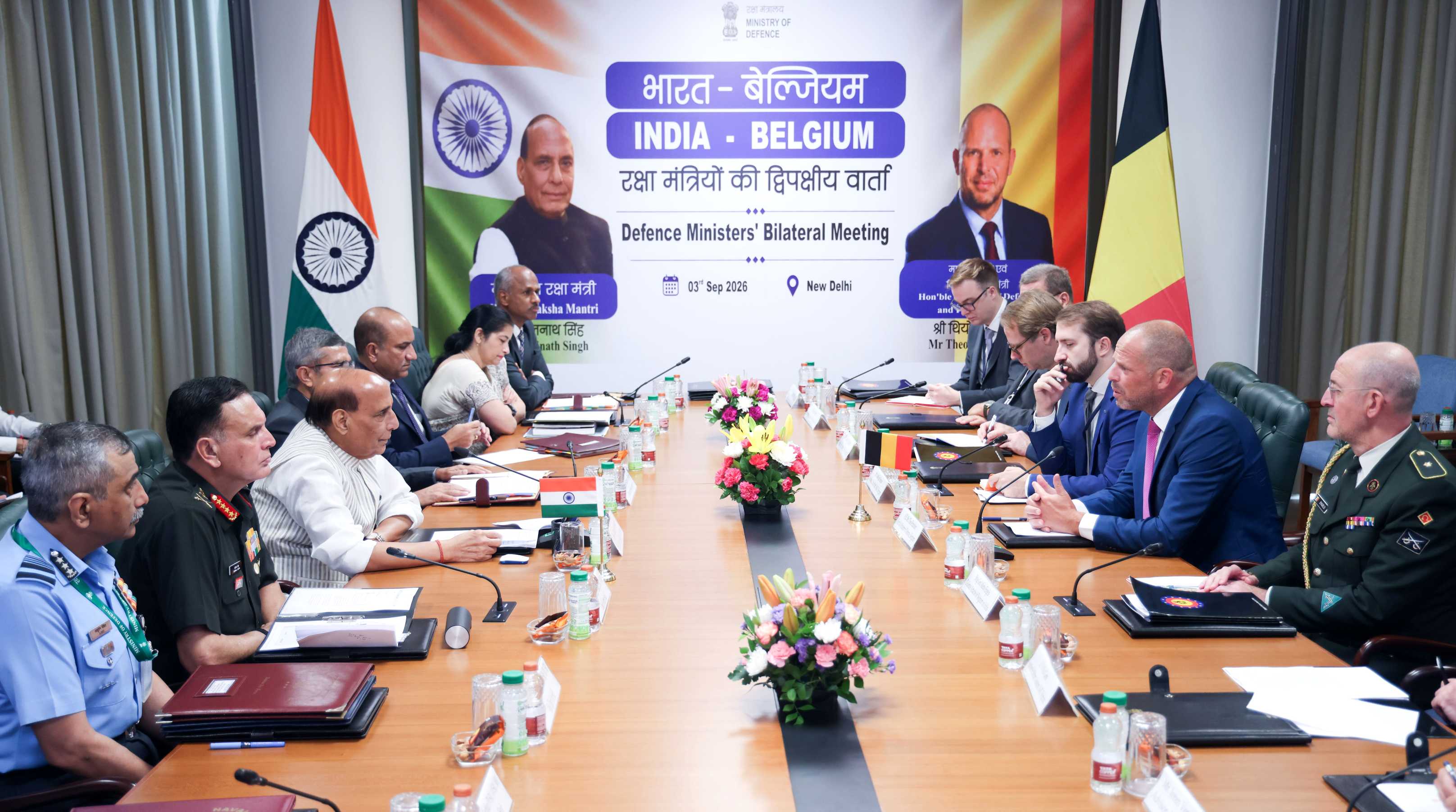
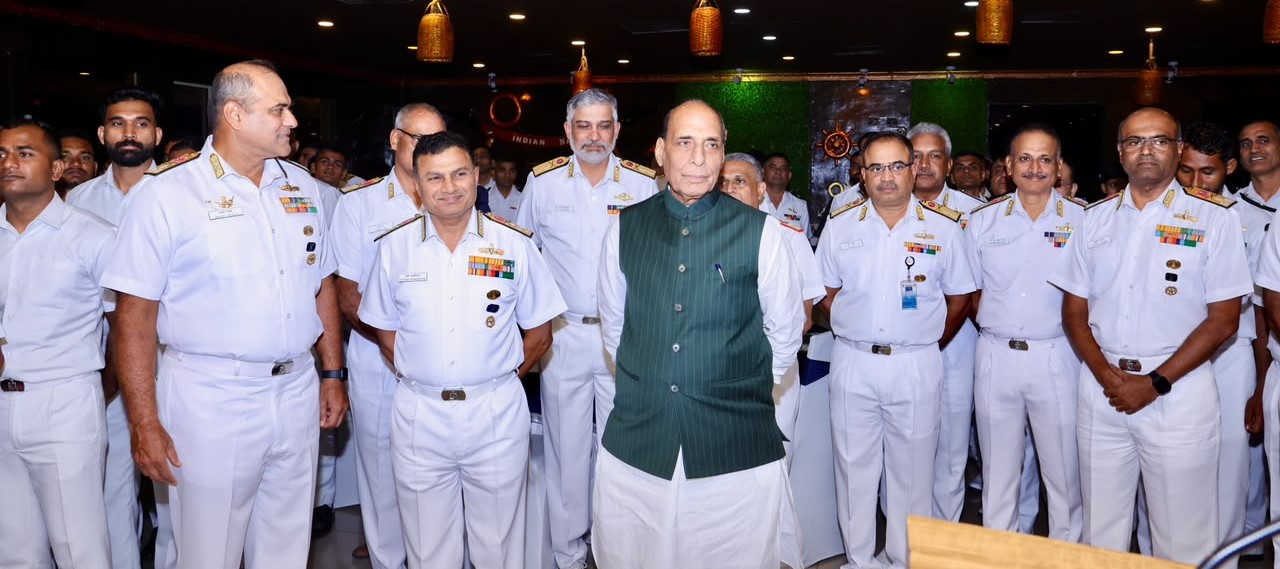
The Defence Acquisition Council (DAC), chaired by the defence minister, Rajnath Singh, met on July 3, and accorded “acceptance of necessity” – the in-principle administrative approval that precedes tendering and contracting – to six proposals for the Army, three for the Navy, and at least one major platform for the Air Force.
The council is the highest decision-making authority for capital defence procurement in India, and its membership includes the chief of defence staff along with the three service chiefs.
A package built around drones and air defence
The clearances reflect a pattern that has become increasingly visible in the country’s procurement priorities over the past year: a heavy tilt towards counter-drone systems, layered air defence, and unmanned platforms, rather than big-ticket conventional hardware alone.
Officials linked to the process said the approvals were shaped in part by lessons drawn from last year’s brief but intense conflict with Pakistan, during which both sides made extensive use of drones and loitering munitions, and by the broader global trend towards contested, drone-saturated battlefields.
For the Army, the DAC cleared the anti-unmanned aerial vehicle electronic warfare system named Akash Tarang, which is intended to give army formations dedicated protection against hostile drones by detecting and jamming or neutralising them before they can strike.
Alongside it came approval for the man-portable anti-tank guided missile system, a shoulder-fired weapon expected to sharpen the infantry's ability to deal with armoured threats, a capability of particular relevance along the high-altitude northern borders where China maintains a substantial armoured presence.
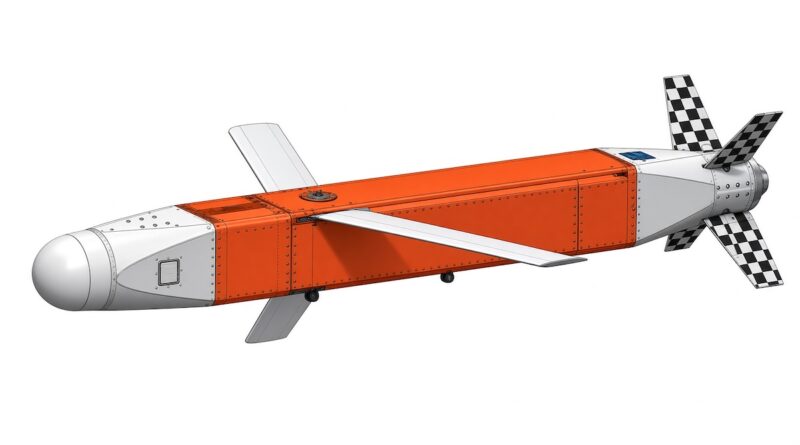
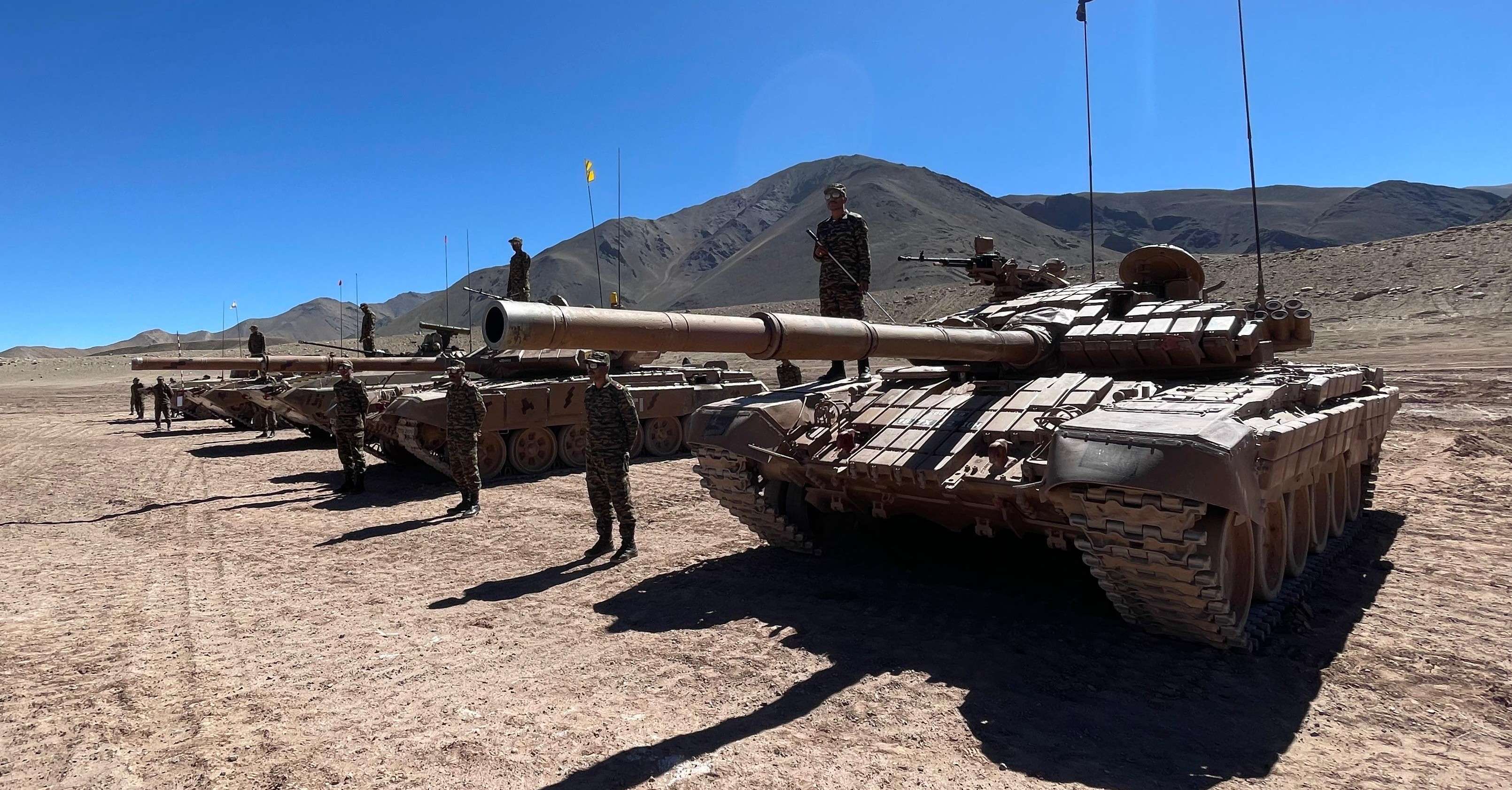
The Army’s list also includes the medium-range surface-to-air missile system, which will extend a protective umbrella against a range of stand-off aerial threats; the very short-range air defence system, fitted with multi-spectral sensors to improve resistance to enemy countermeasures at low altitude; an active protection system designed to intercept incoming anti-tank projectiles before they hit their target and so improve tank survivability; and a jet-powered kamikaze drone system intended to combine precision strike with cost-effectiveness and a degree of electronic-warfare resilience.
Navy to get mines, shipborne drones and a new test facility
Three proposals were cleared for the Navy. The multi-influence ground mine is designed to restrict an adversary's freedom of movement in contested waters, a capability that has taken on renewed importance as littoral and choke-point security has climbed up the Navy’s list of concerns.
The naval shipborne unmanned aerial system, fitted with advanced sensors, is meant to improve real-time situational awareness and target acquisition for ships at sea.
The council also approved the setting up of a land-based testing facility for electric propulsion systems, which will allow motors and associated propulsion components meant for future naval platforms to be tested onshore before being fitted to ships. The facility is expected to reduce the Navy’s dependence on foreign test infrastructure and support the indigenous warship-building programme that has been a stated priority of the ministry of defence for several years.
Air Force to get a high-altitude pseudo-satellite
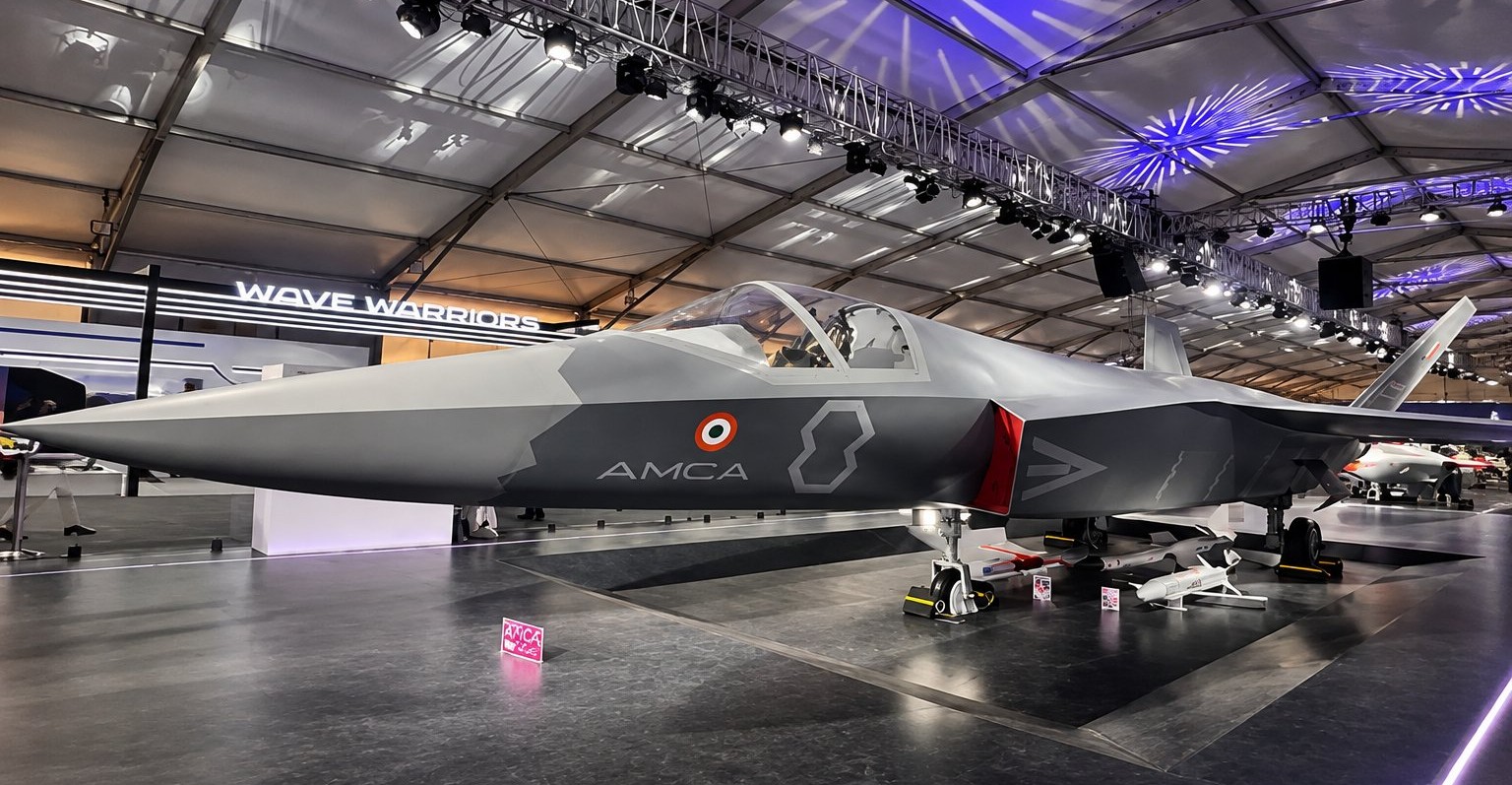
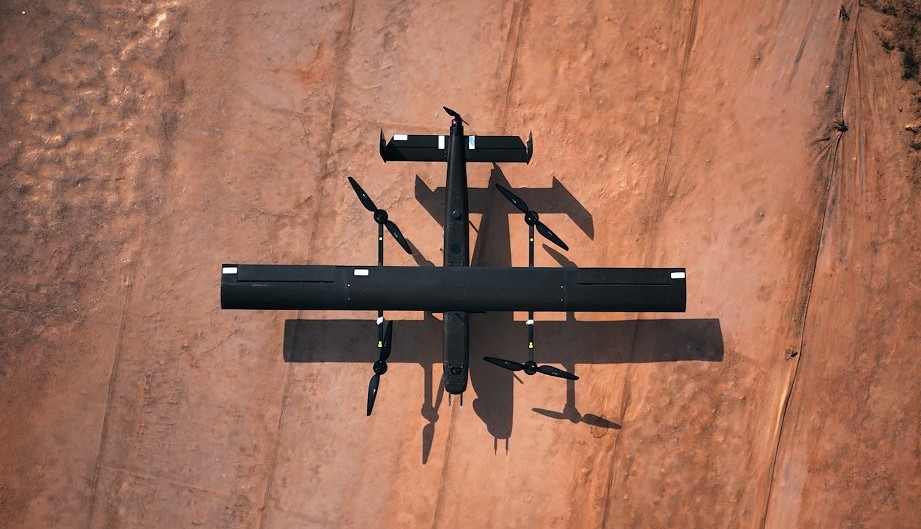
For the Air Force, the council approved the procurement of a fixed-wing-based high altitude pseudo satellite, a solar-powered, long-endurance aircraft that flies in the stratosphere, typically at altitudes of around 20 kilometres, and can remain aloft for weeks or even months at a time.
Fitted with electro-optical and infrared payloads, the platform is intended to provide persistent intelligence, surveillance and reconnaissance, as well as telecommunications and remote-sensing support, effectively performing many of the functions of a satellite at a fraction of the cost and with far greater flexibility of deployment.
Part of a bigger procurement push
The approvals sit within a considerably larger pattern of activity at the DAC this financial year. According to figures shared by the ministry of defence, the council has accorded acceptance of necessity to 55 proposals worth ₹6.73 lakh crore in the 2025-26 financial year, while capital procurement contracts for 503 proposals worth ₹2.28 lakh crore have already been signed in the current fiscal year – both of which, the ministry says, are the highest such figures recorded in any financial year to date.