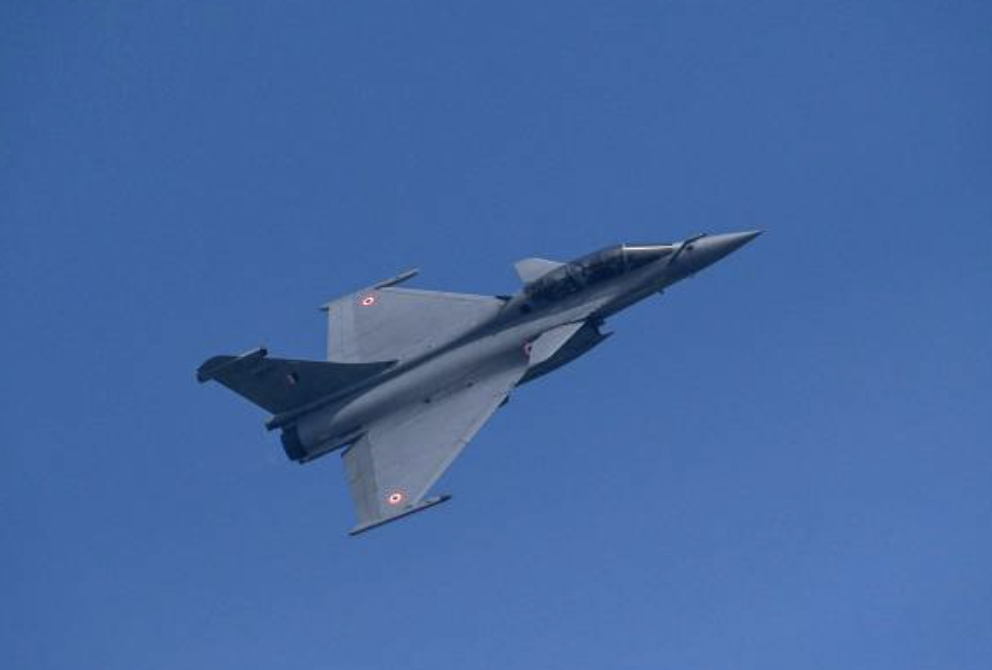
 The Rafale deal will be the largest single defence procurement in India’s history, if taken to fruition. (File photo)
New Delhi: The Defence Acquisition Council has cleared one of the largest single-day procurement packages in the country’s history, on Thursday. The apex defence-procurement body granted formal approval for the acquisition of 114 Rafale multi-role fighter jets and six additional Boeing P-8I maritime patrol aircraft, alongside combat missile systems and a high-altitude surveillance platform.
The decisions, estimated to be collectively worth ₹3.25 to ₹3.60 lakh crore, signal a deliberate push to close persistent capability gaps in the Indian Air Force and Indian Navy while advancing the government’s “Make in India” agenda in defence manufacturing.
What was cleared?
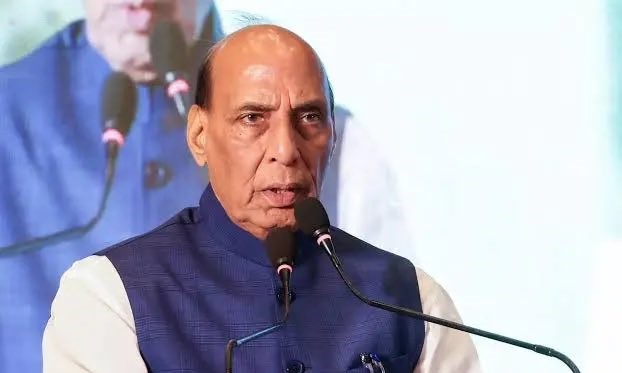
The DAC, which comes under the Ministry of Defence and chaired by the defence minister, Rajnath Singh, met on Thursday, and accorded acceptance of necessity (AoN) for the following proposals: 114 Rafale multi-role fighter jets for the Indian Air Force (IAF), procured via an inter-governmental agreement (IGA) with France; six additional Boeing P-8I Poseidon long-range maritime patrol and anti-submarine-warfare aircraft for the Indian Navy from the United States; combat missile systems covering air-to-air, air-to-surface and surface-to-air categories; and an air-ship-based high-altitude pseudo-satellite (AS-HAPS) for persistent surveillance and communications.
It may be noted that an AoN is only the first formal step in the country’s defence-procurement process. All the proposals must now proceed to the prime minister-headed Cabinet Committee on Security (CCS) for final approval, contracting and phased implementation.
114 Rafales
The Rafale deal – estimated at around ₹3.25 lakh crore – will be the largest single defence procurement in India’s history, if taken to fruition. The IAF currently operates around 29 fighter squadrons against an authorized strength of 42, a gap that has widened sharply over the past decade as legacy MiG-21 and other ageing aircraft were retired faster than new ones entered service.
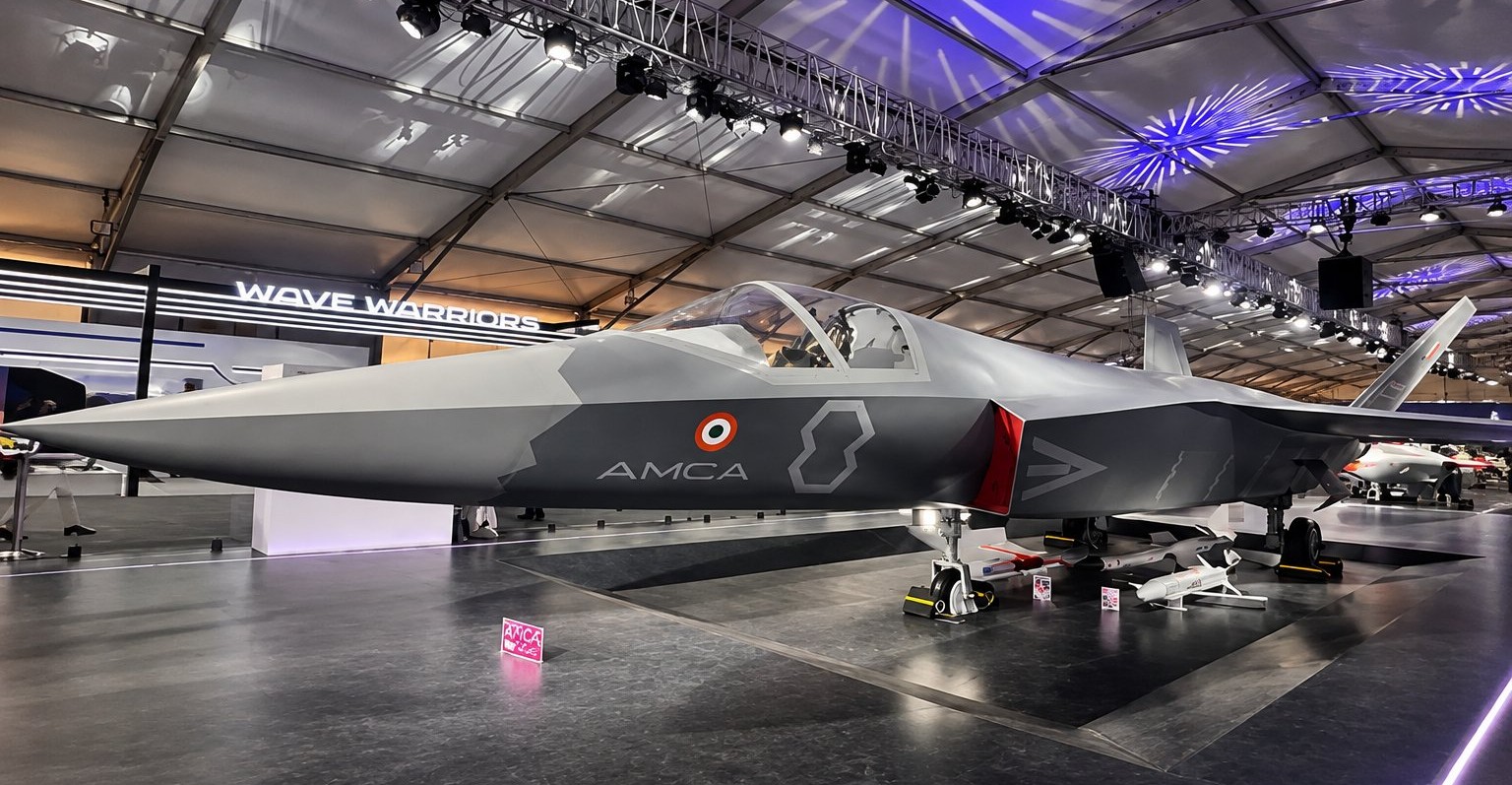
At roughly 16–18 aircraft per squadron, 114 Rafales translate into approximately six combat squadrons including reserves for training and attrition. However, this would not by itself restore the IAF to the 42-squadron benchmark but would substantially arrest the decline and buy time as Tejas-Mk1A, Tejas-Mk2 and the AMCA (advanced medium combat aircraft) programme develop.
Mega ‘Make in India’ push
A central feature of the new package is the insistence on domestic manufacture. Under the framework that has been under discussion, approximately 18–24 aircraft in fly-away condition would be delivered from France to meet immediate operational needs, while the remaining 90-odd would be built in India by Dassault Aviation in partnership with Tata Advanced Systems Limited (TASL), which has already announced a fuselage manufacturing joint venture in Hyderabad.
An indigenous content target of roughly 40–50 per cent over the life of the programme – covering airframe work, wiring harnesses, avionics components, weapons integration and maintenance, repair and overhaul (MRO) capability – is envisaged. If implemented as planned, India will be the first country outside France to manufacture Rafale fuselages, a milestone in the country’s gradual shift from buyer to co-producer in high-end combat aviation.
The new aircraft are expected to feature F4-standard software and avionics, enhanced electronic warfare suites and greater integration of Indian weapons systems, building on the existing integration of the SCALP cruise missile and the Meteor beyond-visual-range air-to-air missile already fitted to the 36 Rafales already in IAF service.
Six more P-8Is
The Indian Navy currently operates 12 P-8I Poseidon aircraft – designated Neptune in Indian service – which have logged more than 40,000 mishap-free flight hours since their induction. These aircraft have been central to India’s maritime domain awareness and long-range anti-submarine-warfare posture across the Indian Ocean region (IOR), tracking submarine movements, monitoring sea lines of communication and supporting search-and-rescue and disaster relief missions.
The six new P-8Is cleared by the DAC will take the total fleet to 18 aircraft, which will consolidate the type as the Navy’s primary long-range maritime patrol and anti-submarine warfare platform.
Key operational roles will include patrols against conventional and nuclear submarines using sonobuoys, magnetic anomaly detectors and torpedoes; wide-area surveillance with synthetic aperture radar and electro-optical sensors; and networked operations with surface combatants, submarines and shore-based command centres through secure data-links. Given the sustained expansion of China’s naval footprint in the IOR – including regular deployments of People’s Liberation Army – Navy (PLAN) submarines and surface ships from bases at Gwadar and Djibouti – the additional P-8Is significantly strengthen India’s ability to monitor and, if required, respond to threats in these waters.
Missile systems and AS-HAPS project
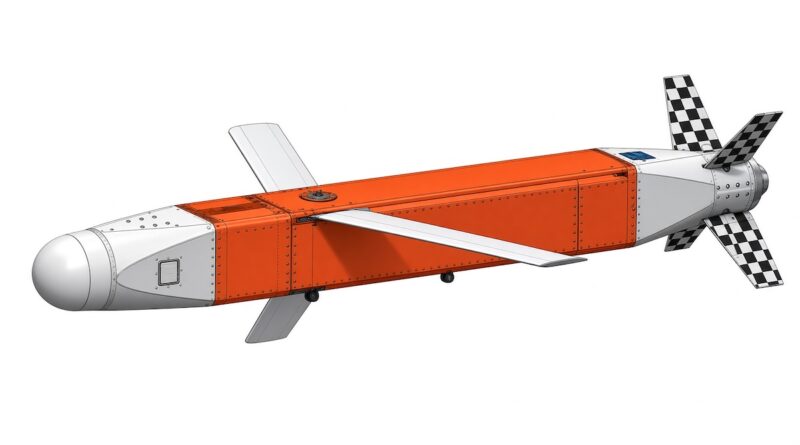
While specific missile types have not been itemized in official releases, sources in the defence ministry told India Sentinels that the approved “combat missile systems” likely span air-to-air and air-to-surface precision-guided munitions for the IAF’s evolving fighter fleet, ship-launched anti-ship systems building on frameworks such as BrahMos, and point-defence and area-defence surface-to-air missiles for naval platforms and high-value ground assets.
It may be noted that DAC decisions in 2024 and 2025 have consistently pushed such missile procurements into the Buy (Indian-IDDM) and Buy (Indian) categories under the “Atmanirbhar Bharat” (self-reliant India) initiative, with increasing design and development roles for the Defence Research and Development Organisation (DRDO) and Indian private industry. The AS-HAPS programme is the most forward-looking of Thursday’s approvals.
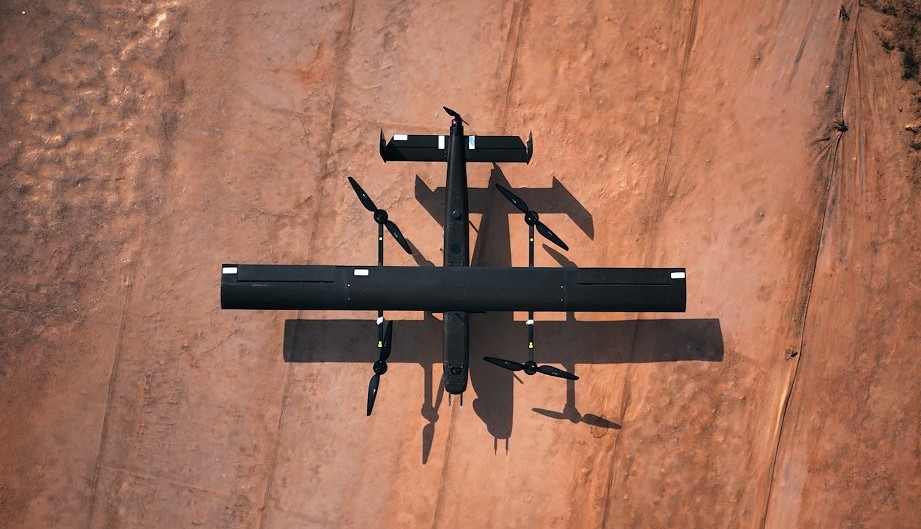
High-altitude pseudo-satellites are unmanned platforms – often solar-powered – that operate for weeks or months in the stratosphere at altitudes well above commercial air traffic but below orbital satellites. An airship-based variant of the kind cleared by the DAC is capable of loitering over an area of interest for extended periods, acting as a communications relay and data-fusion node and potentially supporting electronic intelligence functions.
For India, a mature AS-HAPS capability would complement satellites, manned aircraft and drones – especially over sensitive border regions and key maritime chokepoints – at a fraction of the cost of launching and replacing satellites.
‘Two-front threat’ context
The clearances must be understood in the context of India’s twin-front threat environment. On the continental side, the IAF’s squadron shortfall has been a persistent vulnerability, constraining the ability to sustain high-tempo air operations simultaneously along the western front facing Pakistan and the northern front facing China. The Rafale package, by boosting numbers and deep-strike capability, helps restore deterrence credibility while operational flexibility is rebuilt through indigenous programmes.
At sea, China’s growing naval presence – from Gwadar and Djibouti to recurring deployments around the Andaman and Nicobar Islands – has made persistent maritime surveillance and anti-submarine warfare capacity an operational priority. The additional P-8Is, combined with indigenous drones and surface forces, expand India’s ability to monitor these spaces and complicate adversary planning.
Diplomatic and industrial dimensions
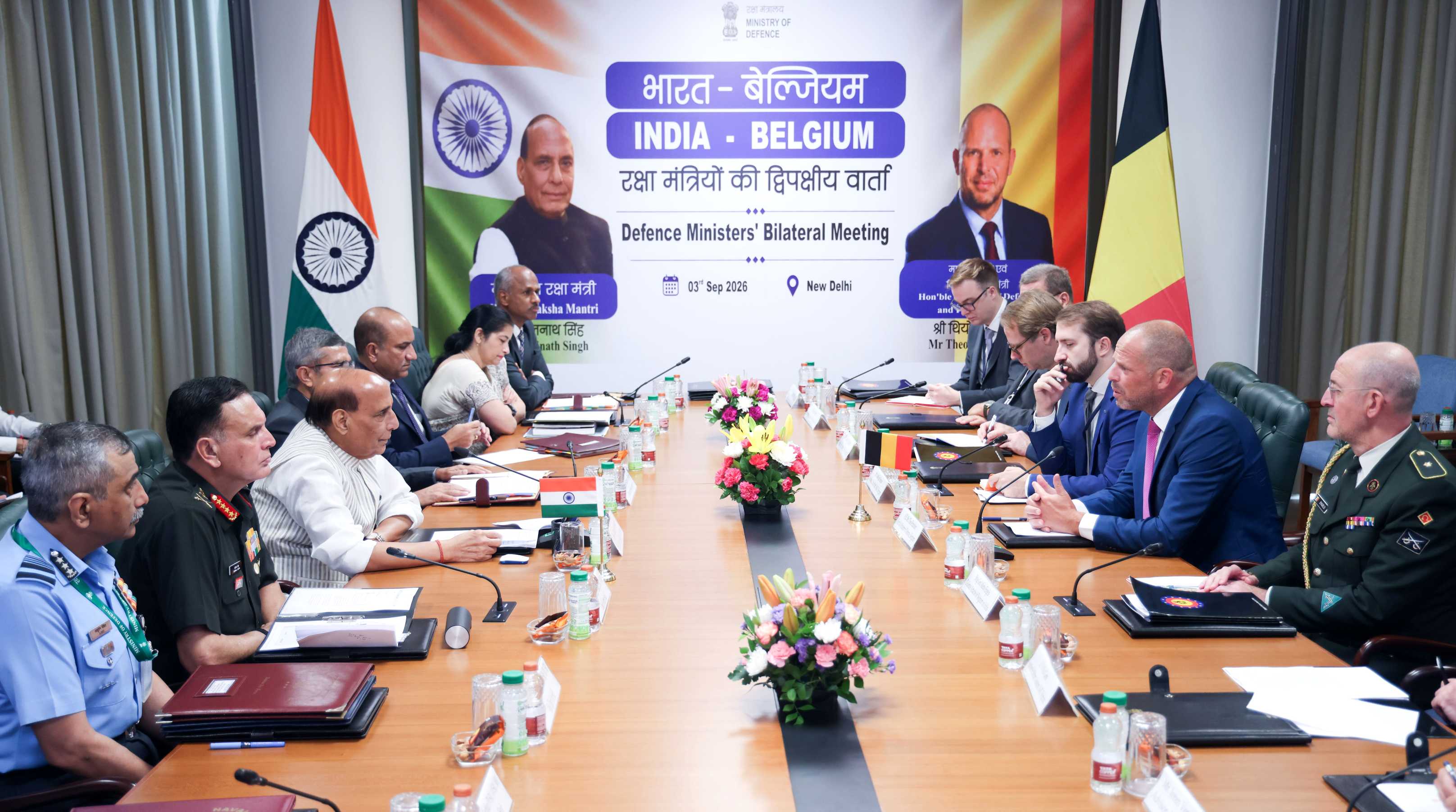
The Rafale deal reinforces the already robust India-France strategic partnership, which spans defence, space, submarine technology and Indo-Pacific maritime security. Its timing ahead of the French president, Emmanuel Macron’s, anticipated visit to India is clearly deliberate, offering a political deliverable alongside operational benefits.
The “Make in India” provisions are intended to generate long-term skilled employment, deepen aerospace manufacturing capacity and create technology spill-overs that benefit indigenous programmes such as Tejas-Mk2 and AMCA. The P-8I decision sits squarely within the India-US defence and technology partnership, adding another layer atop foundational agreements, such as COMCASA and BECA, and ongoing joint exercises in the Indo-Pacific.
Taken together, the French and American procurement pillars exemplify India’s multi-alignment strategy: leveraging major-power defence partnerships while retaining strategic autonomy.
Fiscal and procedural realities
A capital outlay of ₹3.25–₹3.60 lakh crore is substantial even for a growing defence budget, and actual cash outflows will be staggered across many years. The defence ministry and the three services will need to sequence these big-ticket projects carefully alongside other major commitments – S-400 air-defence systems, submarine programmes, helicopter fleets, artillery modernization and indigenous fighters – to avoid unsustainable payment peaks.
The IGA route chosen for the Rafale procurement is intended to reduce the delays and legal controversies that plagued earlier competitive tender attempts for the aircraft. Even so, detailed contract negotiations, workshare agreements, technology-transfer modalities and cost escalation clauses will all have to be settled carefully before CCS approval and contract signature. Experience from the 2016 IGA for 36 Rafales will inform – and in some ways constrain – the negotiators, with political optics remaining a factor throughout.
If timelines are kept tight, the broad framework of the Rafale IGA could be announced around a high-level bilateral visit in 2026, but full contract signature, first deliveries from France and the ramp-up of Indian manufacturing will likely extend well into the early-to-mid 2030s.
What comes next?
From here, the defence ministry will translate Thursday’s AoNs into detailed requests for proposal or direct-negotiation frameworks, depending on category and IGA specifics. For the Rafale and P-8I deals, intensive government-to-government and vendor negotiations on price, delivery schedules and localization plans will follow, culminating in CCS consideration.
Parallel work will begin within the three services on basing, infrastructure, training and integration plans – including expansion of Rafale operating bases, new P-8I support facilities and the integration of AS-HAPS and the new missile systems into existing command-and-control networks.