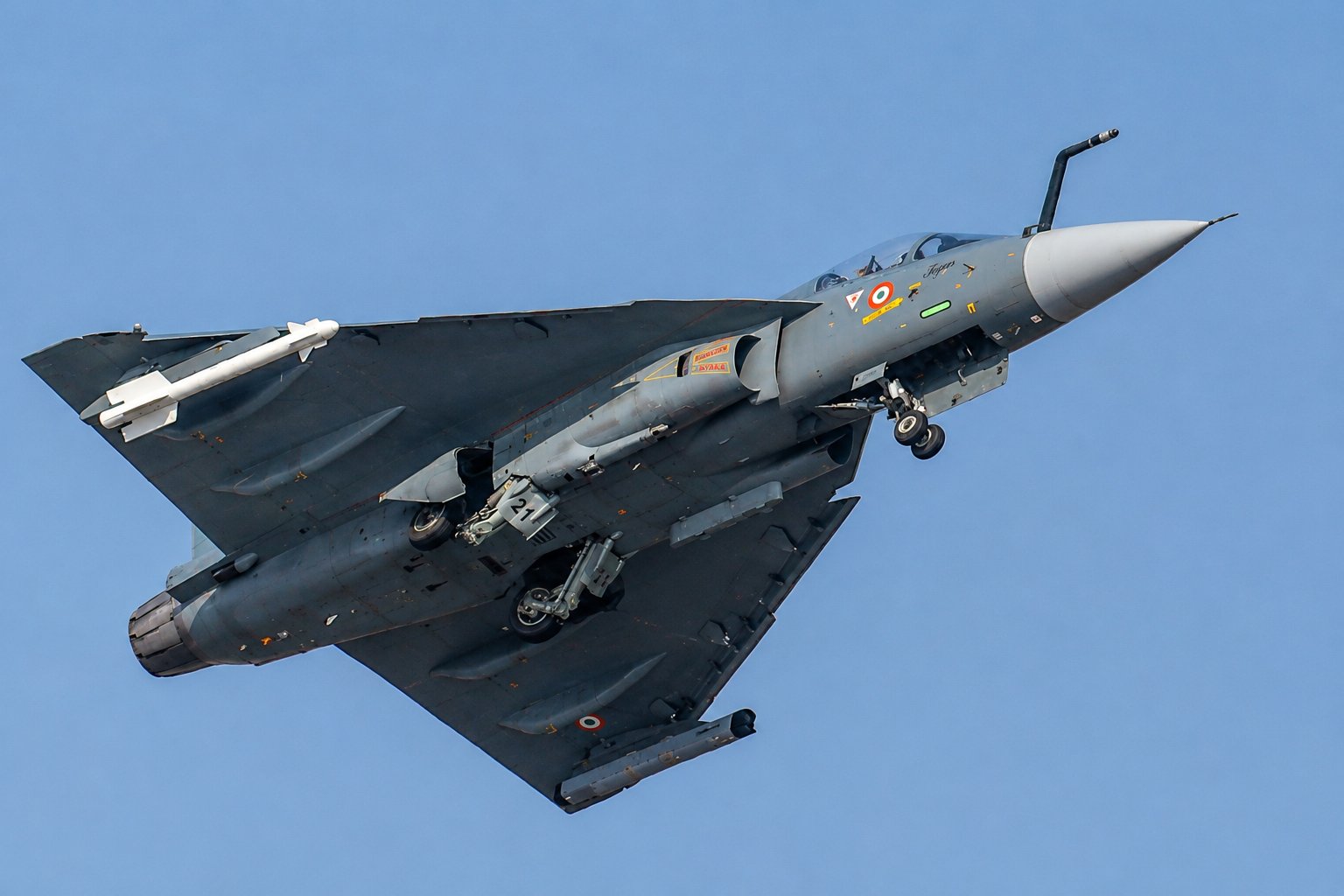
New Delhi: The defence ministry is considering invoking contractual penalty clauses against state-owned Hindustan Aeronautics Limited (HAL) over its failure to deliver a single Tejas Mk1A fighter jet to the Indian Air Force (IAF), more than two years after deliveries were originally due to begin in March 2024.
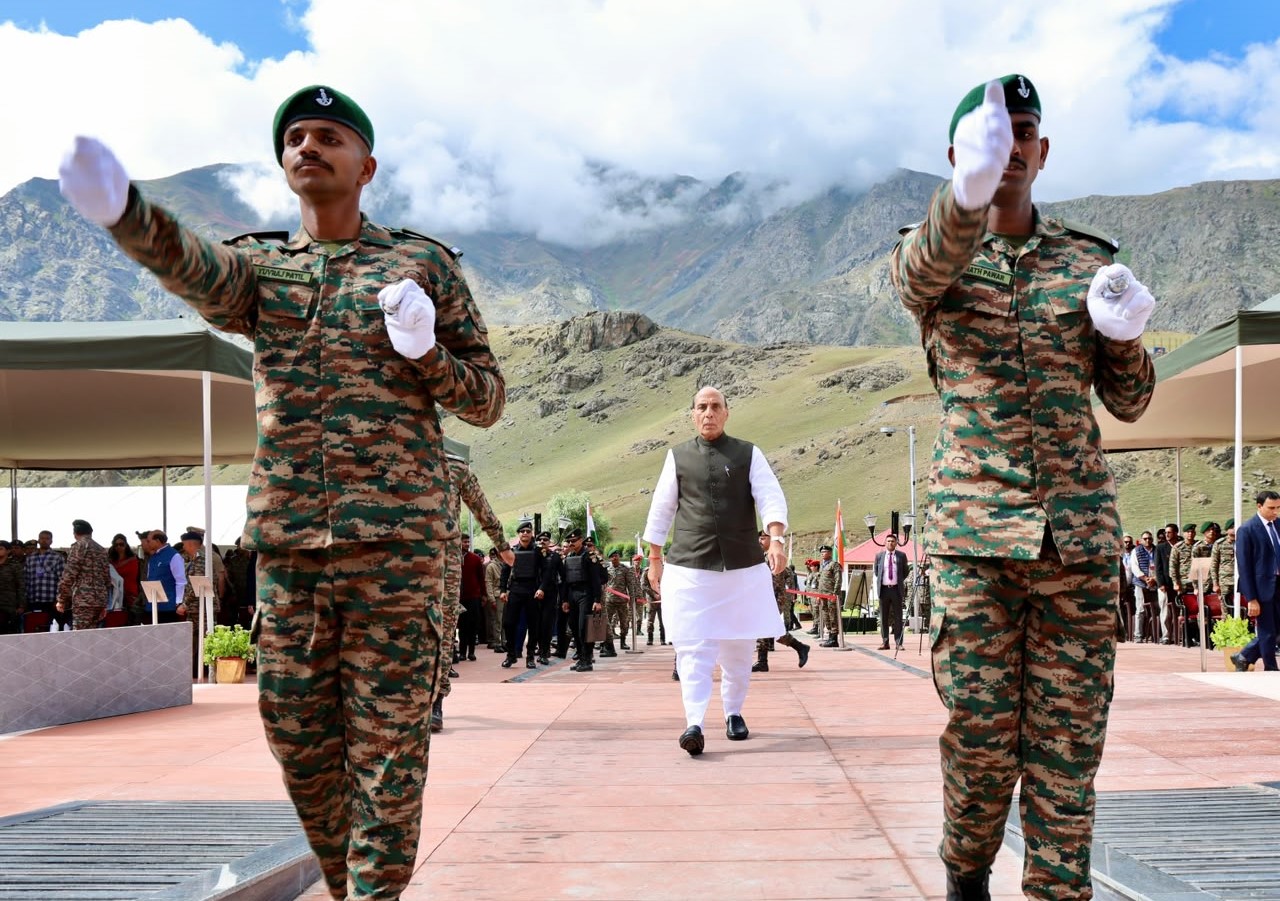
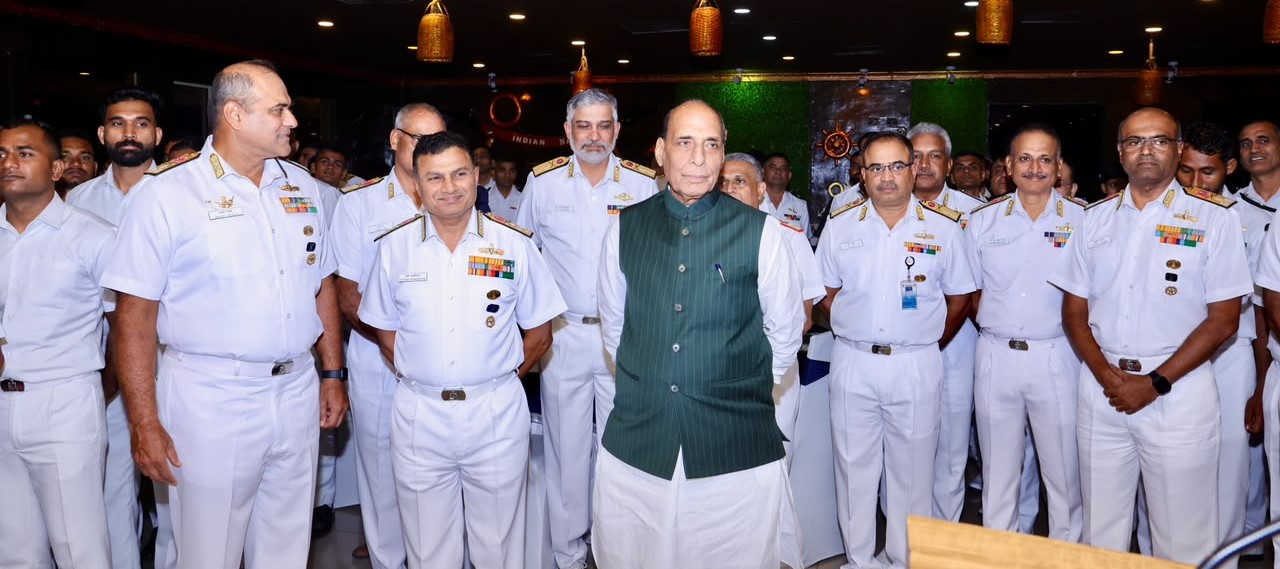
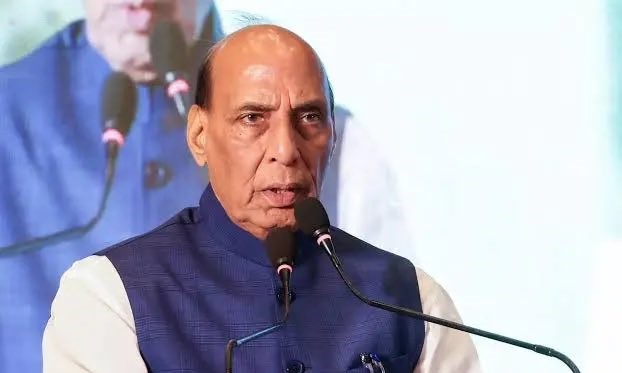
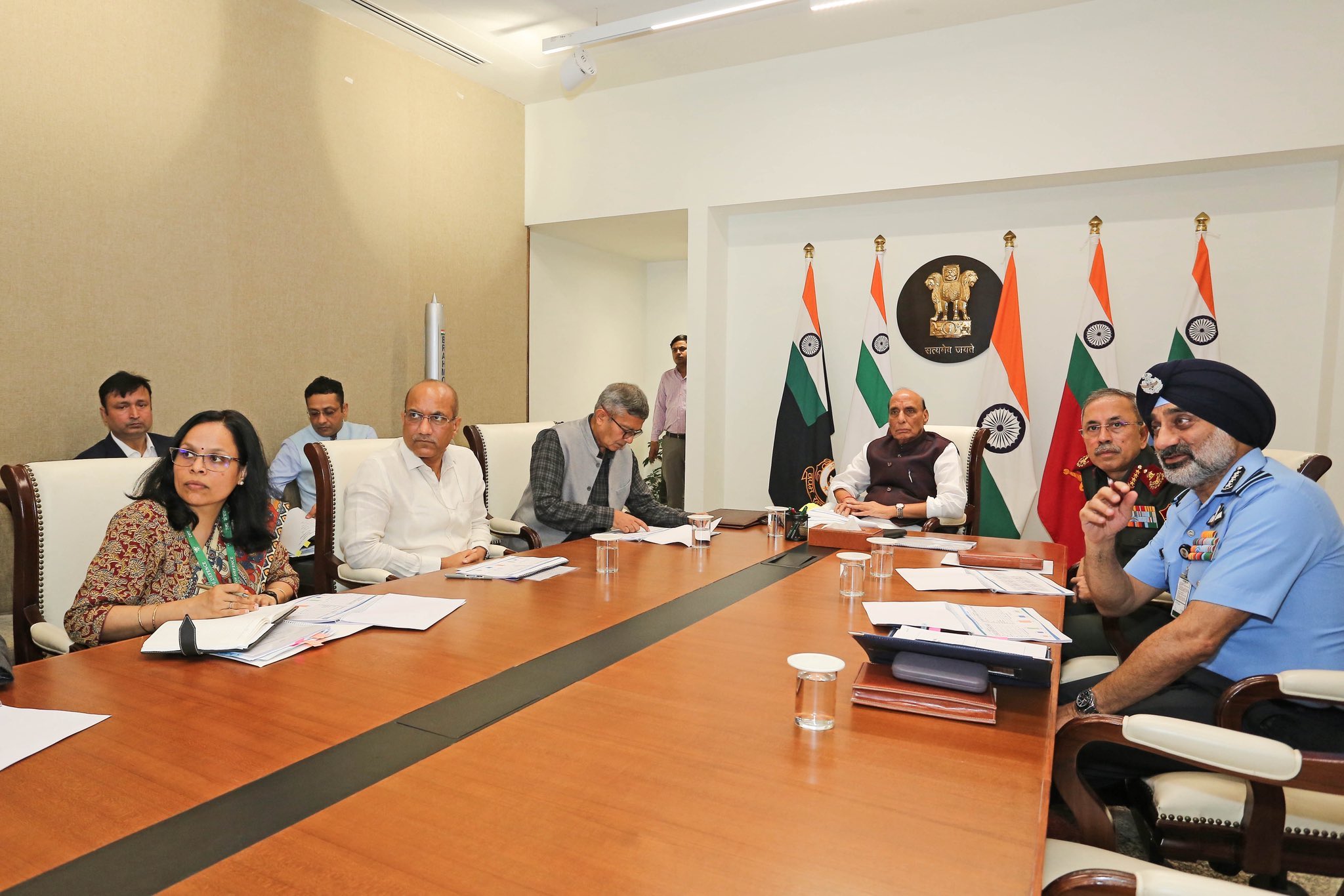
The defence minister, Rajnath Singh, chaired a high-level programme review meeting on June 8 attended by the chief of defence staff, General NS Raja Subramani, the air chief marshal, AP Singh, the defence secretary, Rajesh Kumar Singh, and HAL’s chairman and managing director, Ravi Kota, along with other senior officials. The meeting had itself been delayed by a month, officials said, owing to HAL’s lack of progress.
Sources in the defence establishment said the financial penalty under consideration is not punitive in an extraordinary sense but stems from a standard contractual provision triggered by delayed delivery, the very clause HAL has itself invoked against the American engine maker GE Aerospace for its failure to supply F404-IN20 engines on schedule.
A programme in paralysis
The scale of the delay is striking. Under a contract signed in February 2021 worth roughly ₹48,000 crore, the IAF ordered 83 Tejas Mk1A aircraft, with deliveries to begin in the financial year 2023-24. As of early June 2026, not one aircraft has been formally handed over.
HAL currently has around 20 airframes ready, of which only six are fitted with GE F404-IN20 engines, the remainder await powerplants that have yet to arrive from the United States.
Out of 99 engines ordered under a $716 million contract signed in 2021, GE had delivered only six units as of April 2026. Engine supply was originally to begin in April 2023. Rajnath Singh raised the issue with his American counterparts on multiple occasions, including in a conversation with US secretary of defence Pete Hegseth earlier this year.
Officials said that if HAL addresses the outstanding air staff qualitative requirement (ASQR) shortfalls, between 18 and 24 aircraft could be ready by the end of the calendar year 2026. The IAF is expected to conduct a structured evaluation of the available batch around that time, with formal induction potentially beginning from the second half of the year.
Engines are not the only problem
HAL has consistently pointed to GE’s engine supply failures as the primary cause of delay, and that explanation has some merit: the original supply schedule called for GE to deliver two engines per month, a pace that has not been maintained.
However, the IAF has made clear that engine supply is not the only outstanding issue. The air chief marshal, AP Singh, has publicly criticized HAL on at least two occasions, including at the Aero India 2025 air show in Bengaluru in February 2025, where he said the company was “not in mission mode” and cited a “poor track record” on timely delivery, noting that engine shortfalls alone did not account for all of HAL’s unmet commitments.
A key technical bottleneck remains the integration of the EL/M-2052 active electronically scanned array (AESA) radar with the aircraft’s electronic warfare suite and onboard mission systems.
Beyond radar certification, missile-firing trials and full weapons-package validation are non-negotiable prerequisites for IAF acceptance.
The Centre for Military Airworthiness and Certification (CEMILAC) must validate every system, component, and software element before operational clearance is granted, a process that, by current estimates, is expected to take at least six more months from the time hardware is ready.
An operational necessity
The urgency is not merely bureaucratic. The IAF currently operates 29 fighter squadrons against a sanctioned strength of 42.5. The force is already flying around 40 Tejas Mk1 aircraft and has placed orders for a combined 180 Mk1A jets, 83 under the 2021 contract and a further 97 approved in a deal signed in September 2025 worth ₹62,370 crore.
The Mk1A is intended to be the primary platform to arrest the decline in squadron numbers as ageing MiG-21 and older Jaguar fleets are phased out.
Any further slippage carries direct strategic consequences. India’s air force faces a growing capability gap at a time of heightened security concerns along both its western and northern borders.
China has been expanding and modernizing its air force at a rapid pace, while Pakistan operates the J-10C, a fourth-generation-plus aircraft supplied by China. For the IAF, the Tejas Mk1A’s delayed induction is not a procurement inconvenience but a live force-planning problem.
HAL’s broader obligations
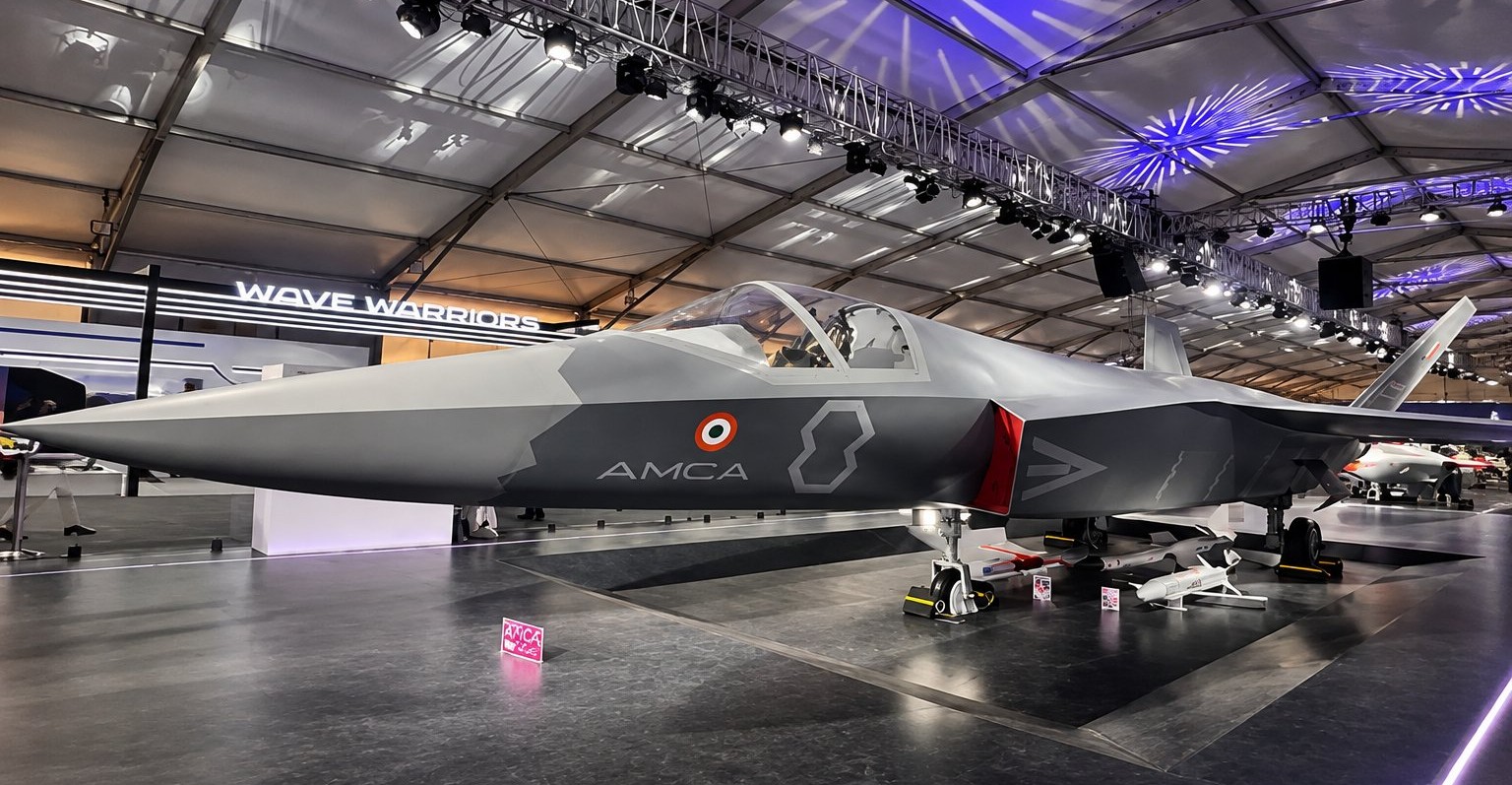
The review meeting also covered other major programmes, including the Russian Sukhoi Su-57 fighter aircraft and India’s indigenous fifth-generation fighter, the Advanced Medium Combat Aircraft (AMCA). HAL has in parallel signed a separate agreement with GE Aerospace for 113 F404-IN20 engines to power the second batch of 97 Mk1A aircraft, with deliveries under that contract expected to commence from 2027.
HAL has established a new production facility at Nashik with a stated annual capacity of 24 Tejas Mk1A jets, scalable from an earlier rate of 16.