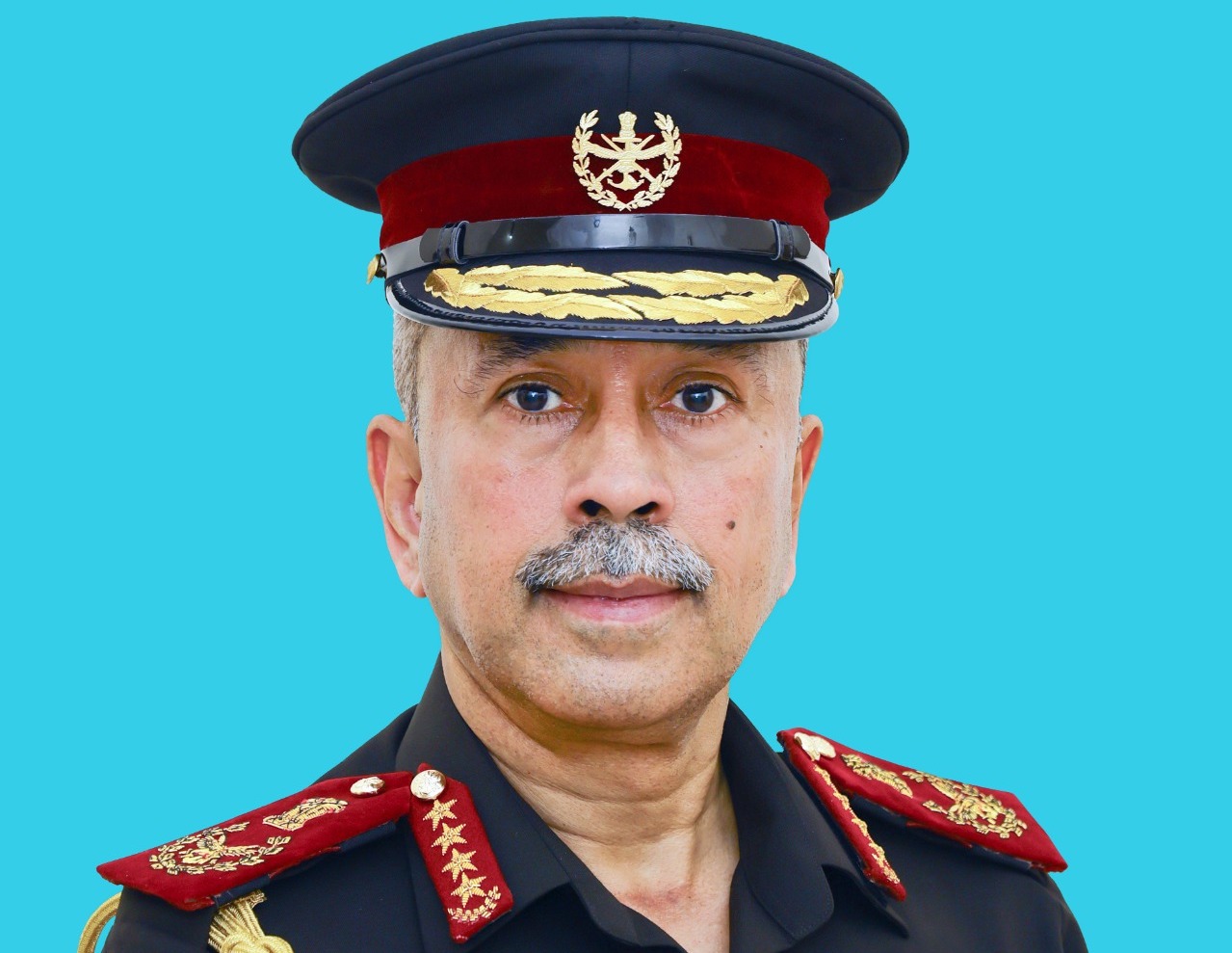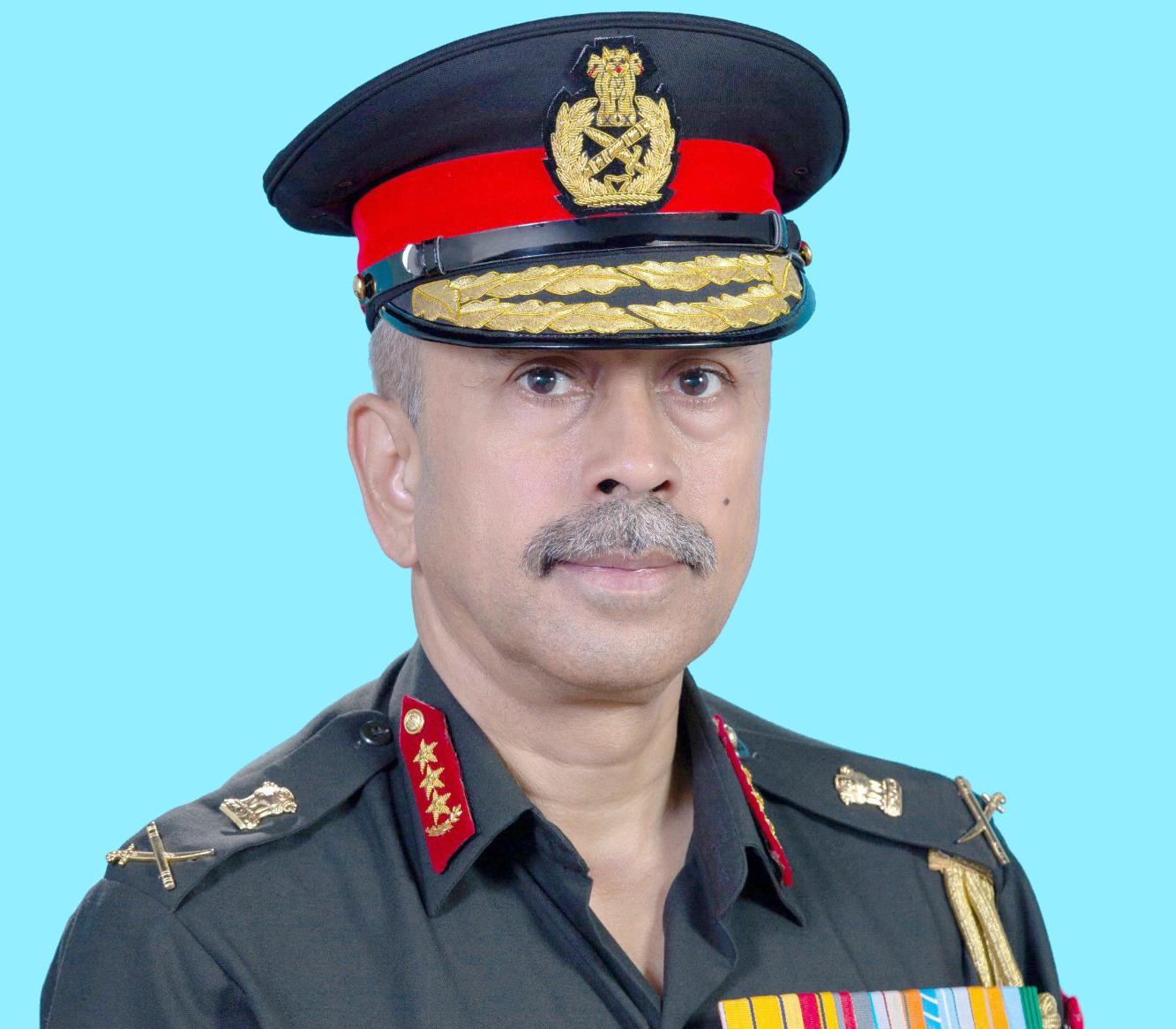
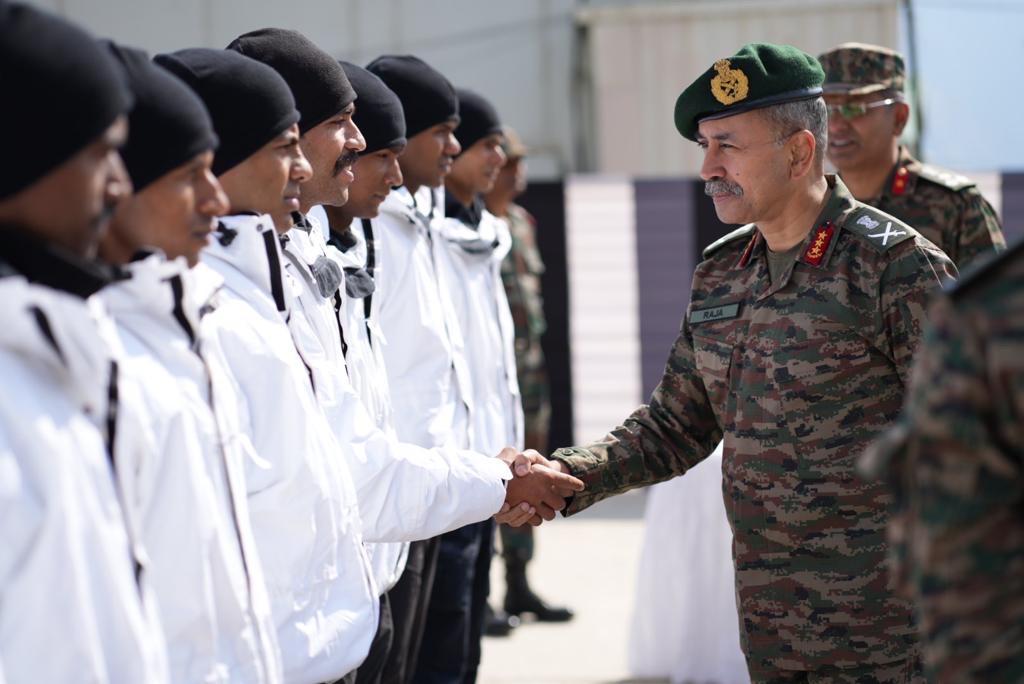
 Lt Gen NS Raja Subramani meets soldiers (File photo)
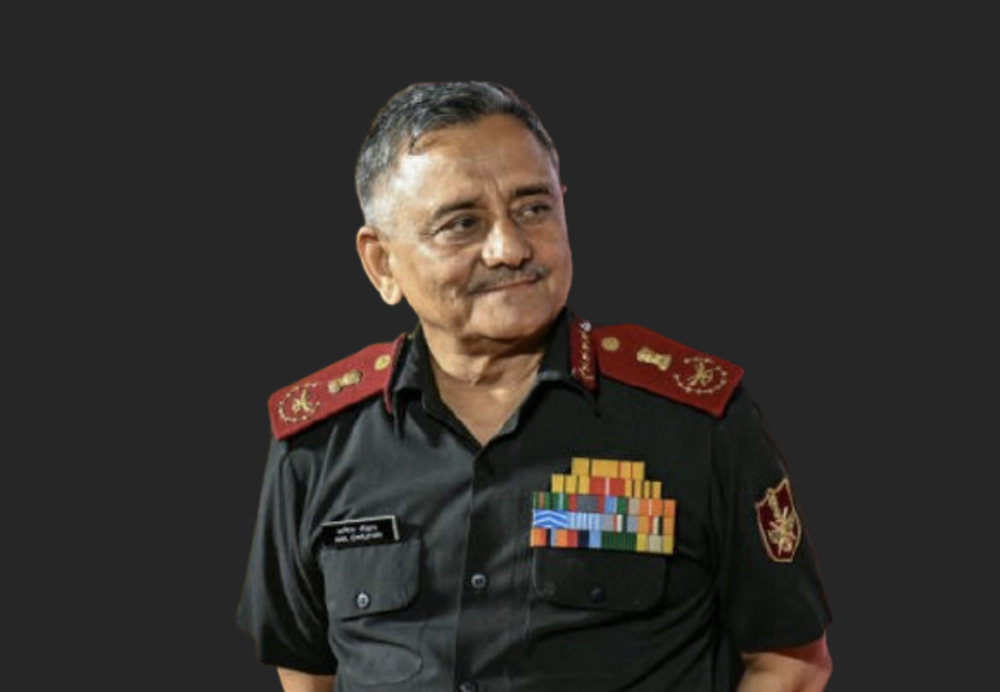
New Delhi: The government has appointed Lieutenant General NS Raja Subramani as the next chief of defence staff (CDS), filling the country’s most senior military post as the incumbent, General Anil Chauhan, prepares to complete his tenure on May 30, 2026. Lt Gen Raja Subramani will also hold the concurrent charge of secretary, department of military affairs (DMA), a twin responsibility that comes with the office.
Background: CDS and DMA posts
The post of chief of defence staff was created by the government in December 2019 on the recommendation of the Kargil Review Committee and subsequent task forces, with the aim of integrating the three services – Army, Navy and Air Force – under a single military authority and improving jointness in planning and operations.
General Bipin Rawat became India’s first CDS on January 1, 2020. He died in a helicopter crash in Tamil Nadu in December 2021, leaving the post vacant for nearly nine months until General Anil Chauhan was appointed in September 2022. The department of military affairs, which the CDS heads as secretary, was set up simultaneously in 2020 as a new department under the ministry of defence.
Secretary DMA is responsible for facilitating the restructuring of military commands, promoting jointness in procurement, training and staffing, and pushing the theaterization agenda – the reorganization of existing single-service commands into integrated theatre commands that can conduct joint operations. Progress on theaterization has been slow and remains a work in progress, making it one of the principal challenges for the incoming CDS.
Who is Lt Gen Raja Subramani?
Lt Gen Raja Subramani, 60, was serving as military adviser to the national security council secretariat since September 1, 2025, a role that gave him direct access to India’s national security architecture at the highest level. Before that, he was vice-chief of the Army staff from July 1, 2024 to July 31, 2025, and general officer commanding-in-chief, central command, from March 2023 to June 2024.
A graduate of the National Defence Academy and the Indian Military Academy, he was commissioned into the 8th Battalion, Garhwal Rifles, on December 14, 1985 – a career spanning more than four decades. He is an alumnus of the Joint Services Command Staff College, Bracknell, in the United Kingdom, and the National Defence College, New Delhi.
Academically, he holds a Master of Arts from King’s College London and an MPhil in defence studies from Madras University.
Field commands and operational record
Lt Gen Raja Subramani’s operational biography covers two of the Army’s most demanding theatres. He commanded 16 Garhwal Rifles in counter-insurgency operations in Assam under Operation Rhino, led 168 Infantry Brigade in Jammu & Kashmir, and commanded 17 Mountain Division in the central sector during what the Army describes as a “challenging operational environment” – a reference widely understood to encompass the period of heightened tension with China along the line of actual control (LAC).
Significantly, he commanded 2 Corps – the Army’s premier strike corps on the western front, positioned opposite Pakistan. Command of a strike corps is among the most coveted and operationally consequential appointments in the Indian Army, and its inclusion in his record signals the government’s confidence in his credentials on the Pakistan front as well.
His staff and instructional postings included tenures as defence attaché in Kazakhstan, deputy director general of military intelligence, chief instructor (Army) at the Defence Services Staff College in Wellington, and chief of staff at headquarters, northern command – the command responsible for Jammu, Kashmir and Ladakh. He is a recipient of the Param Vishisht Seva Medal, Ati Vishisht Seva Medal, Sena Medal and Vishisht Seva Medal.
What the new CDS inherits
Lt Gen Raja Subramani steps into the role at a moment of unresolved strategic complexity. The northern borders with China remain sensitive, with disengagement processes at friction points in eastern Ladakh only partially complete. The western front saw a significant escalation in May 2025, when India conducted Operation Sindoor – cross-border strikes against terror infrastructure in Pakistan and Pakistan-occupied Kashmir – following the Pahalgam attack that killed 26 civilians. Though a ceasefire followed, the underlying tensions have not dissolved.
On the institutional side, the theaterization project – the restructuring of existing single-service commands into joint theatre commands – has been stalled by inter-service disagreements, particularly between the air force and the other two services over command-and-control arrangements. The new CDS will need to build consensus where his predecessor could not. His background on both the western and northern fronts, combined with his stint at the national security council, may give him a broader strategic latitude than a purely operations-focused general might have.
Gen Chauhan, who took over after Rawat’s death and steered the CDS office through a protracted post-Galwan reorganization, is scheduled to demit office on May 30.