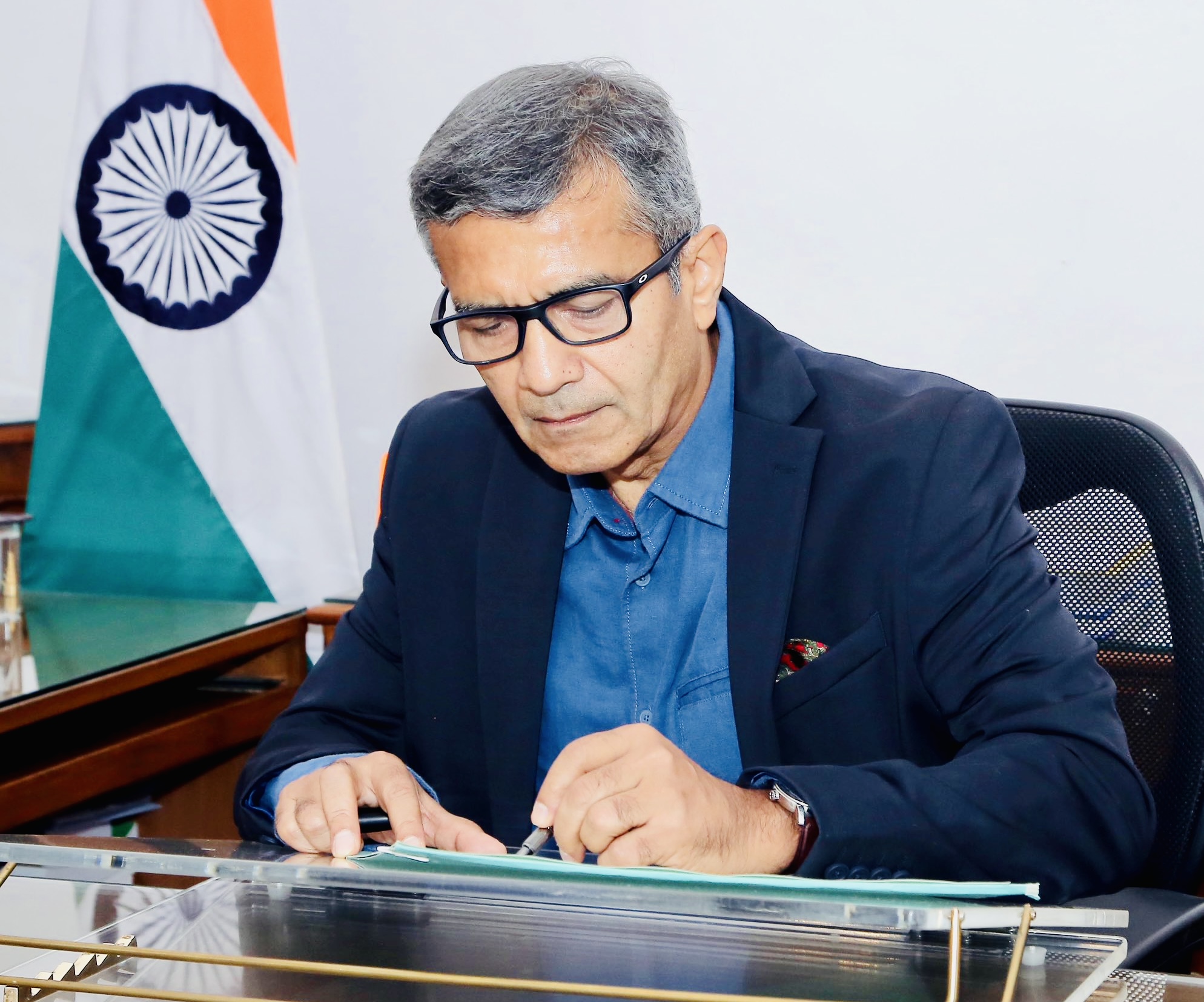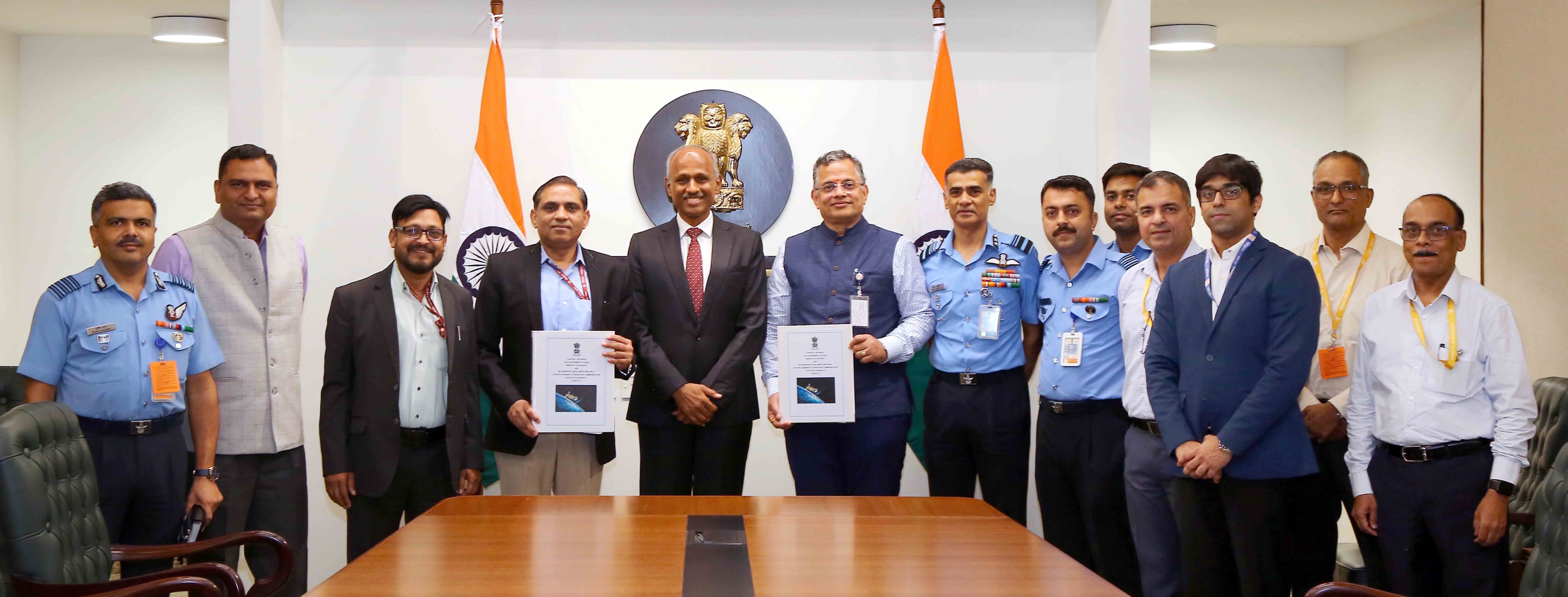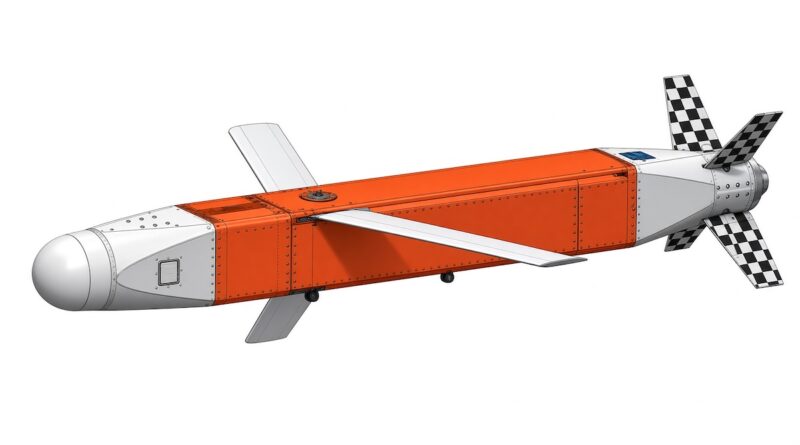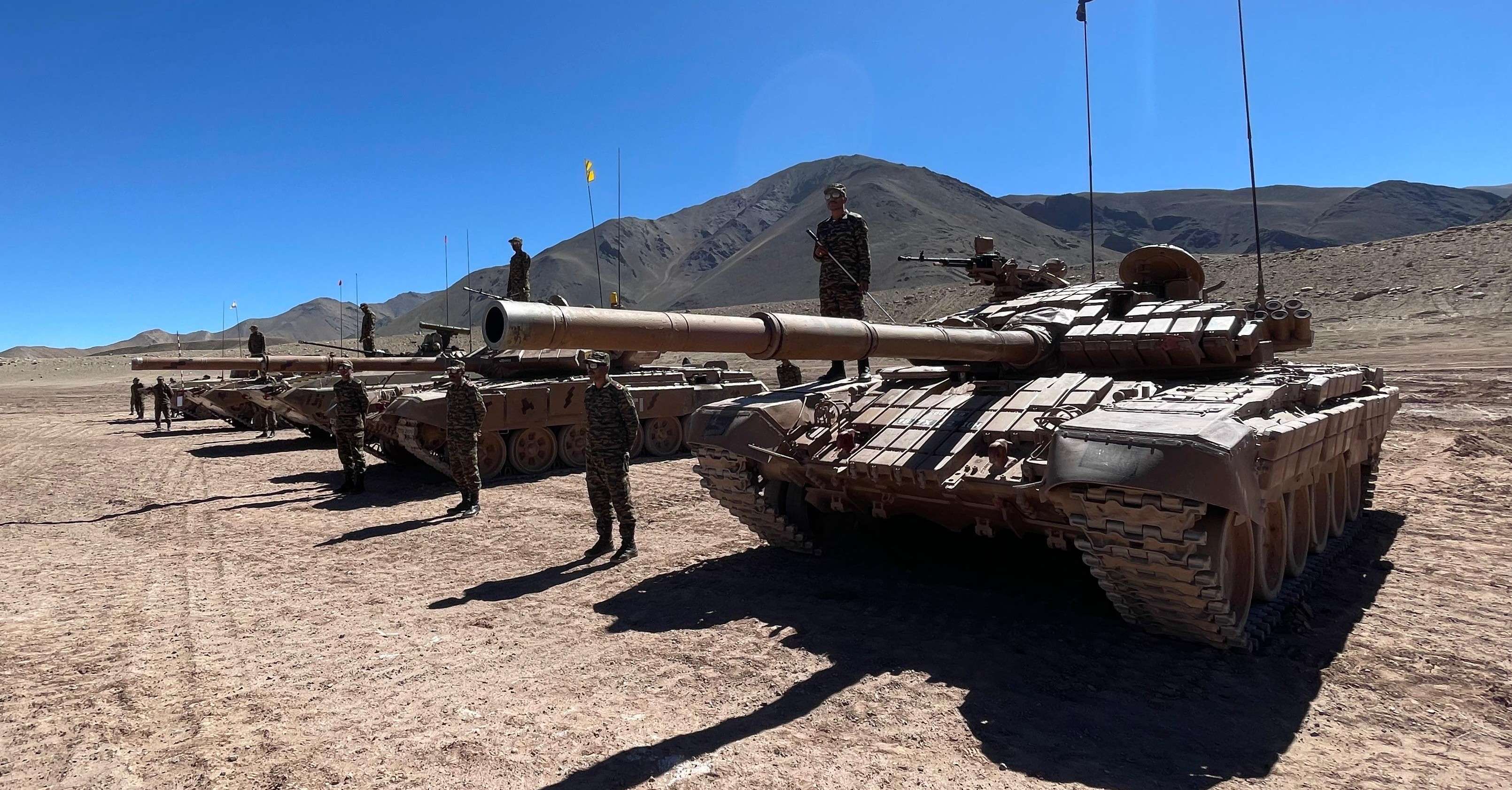
 Illustration for representation. (© India Sentinels 2026–27)
New Delhi: India has sharply increased funding for its defence-diplomacy programme, setting aside ₹400 crore for the 2025–26 financial year – a rise of ₹100 crore over the previous allocation. The move signals a deliberate effort by the government to turn India’s expanding web of strategic partnerships into concrete military and commercial returns.
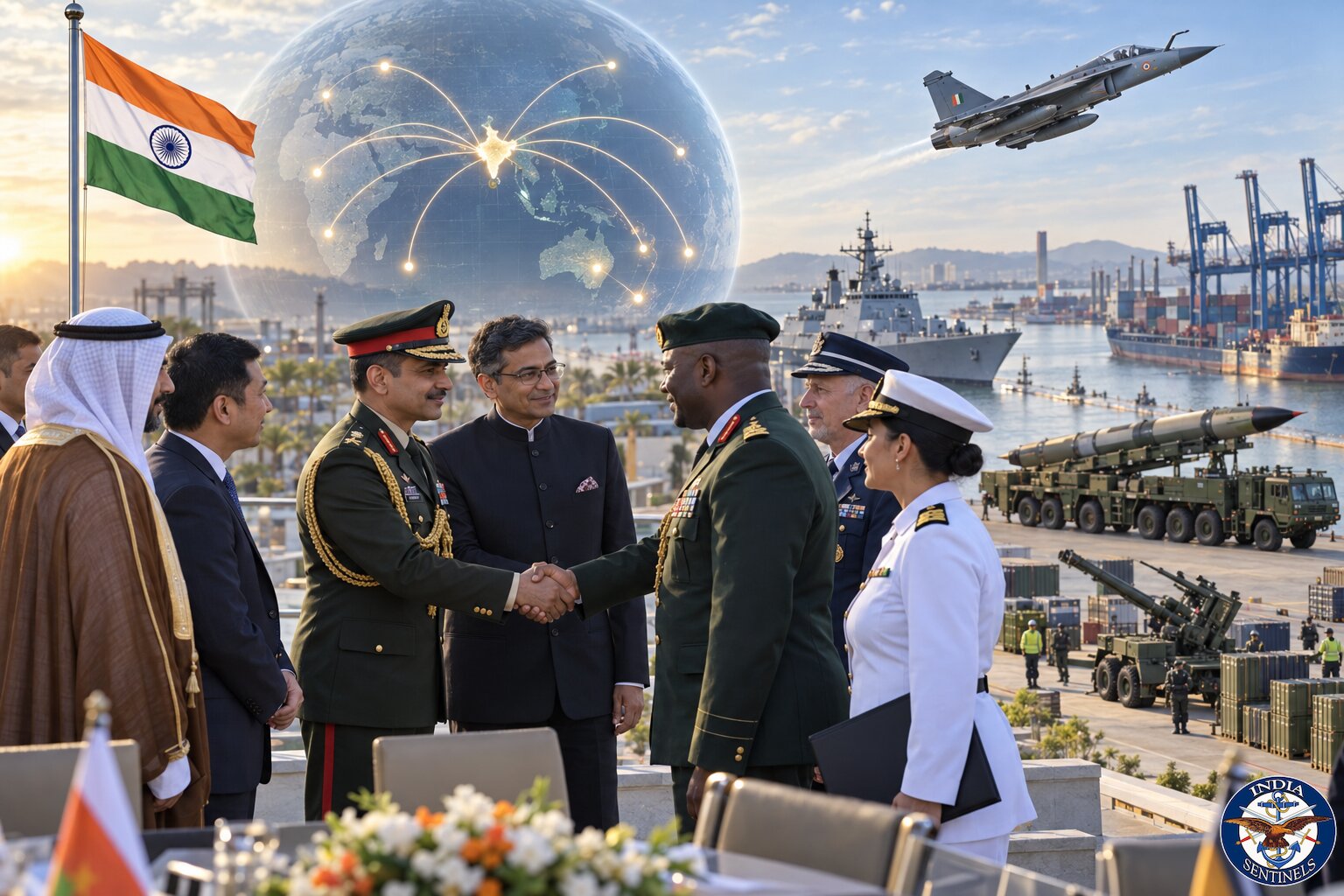
At the heart of the plan is a substantial expansion of India’s network of defence wings attached to its embassies and high commissions abroad. The defence ministry intends to raise this number to somewhere between 85 and 90 by 2030, a target that would represent one of the most significant expansions of India’s overseas military diplomatic footprint in decades.
Figures on the current baseline vary slightly depending on the source. According to reporting citing BusinessLine, India presently operates around 54 defence wings, with 10 more sanctioned in 2024 now being set up. Zee News, quoting army sources, put the count at 52 as of early 2026, up from 45 in 2024, with a target of more than 90 by 2032 – a marginally longer timeline than the 2030 date cited elsewhere. The discrepancy likely reflects differing points in an evolving rollout rather than a change in overall ambition, but it is worth flagging for the record.
Beyond the new postings, around 50 existing defence wings have reportedly been given concurrent accreditation to neighbouring countries where India maintains no dedicated military office. This arrangement, officials suggest, could eventually extend some form of defence-diplomatic coverage to as many as 157 countries without the cost of stationing a permanent attaché in every capital.
The expansion is expected to prioritize regions where India has growing strategic interest but historically thin military representation. These include Africa, the western Mediterranean, Latin America, the Caribbean and the Pacific island states. Attachés are also being repositioned towards markets that already buy Indian equipment or are seen as promising future customers.
From liaison officers to salesmen in uniform
Defence attachés have traditionally performed a narrower function: maintaining military-to-military contact, arranging visits by senior officers, organizing training exchanges and reporting on security developments in their host country. That job description is now being widened considerably.
Under the emerging model, attachés will be expected to link foreign military requirements directly with Indian manufacturers. This includes supporting negotiations on equipment sales, training packages, maintenance contracts and long-term logistical support – functions that have historically been the preserve of specialized defence attachés from established exporting nations such as the United States, France and Russia.
The distinction matters because arms deals are rarely won on price and performance alone. Buyer governments weigh the political reliability of a supplier nation, the financing terms on offer, the durability of after-sales support, and the assurance of a steady ammunition and spares pipeline over a platform’s operational life – often two to three decades. A well-connected, well-briefed attaché can shape these judgements long before a formal tender is issued.
Part of a wider strategic document
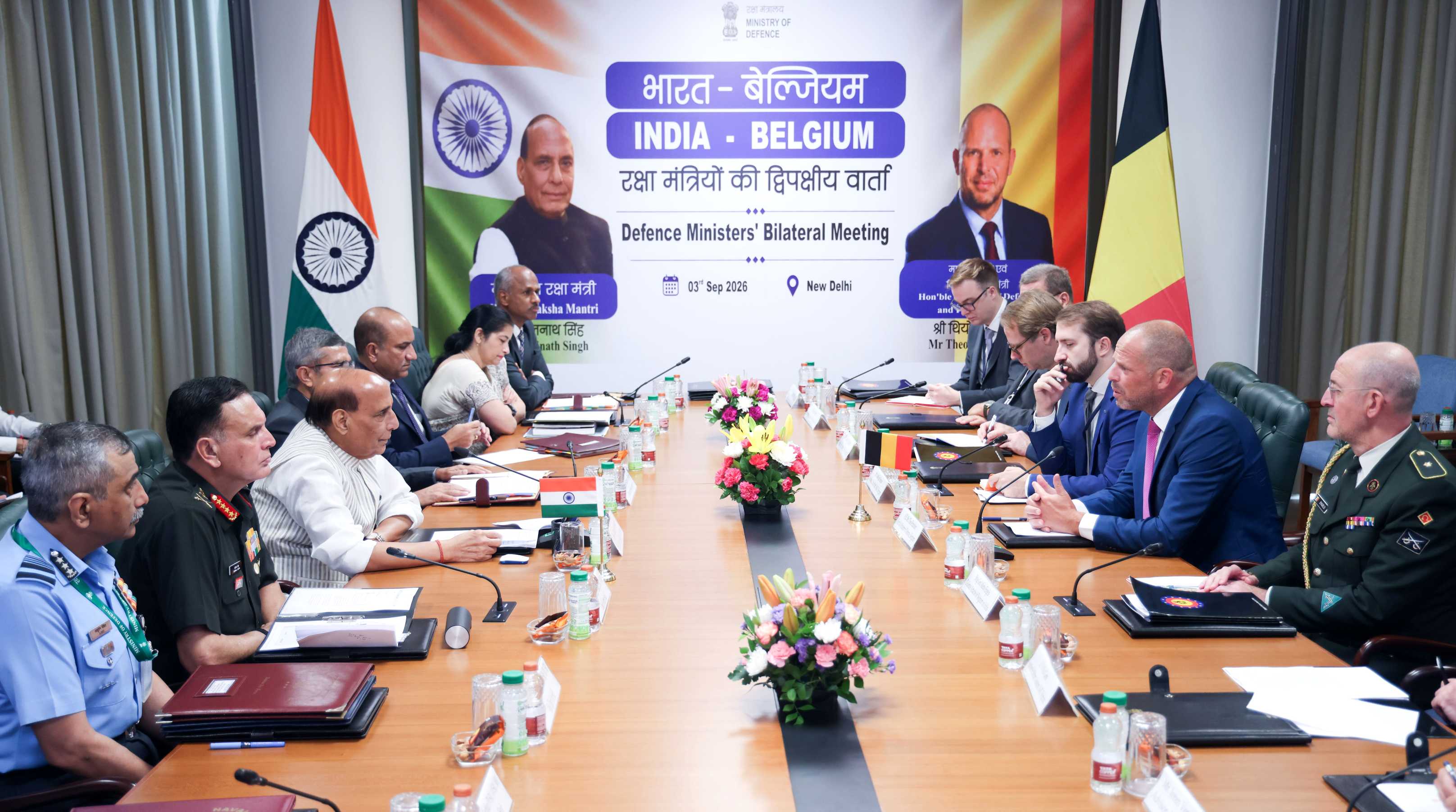
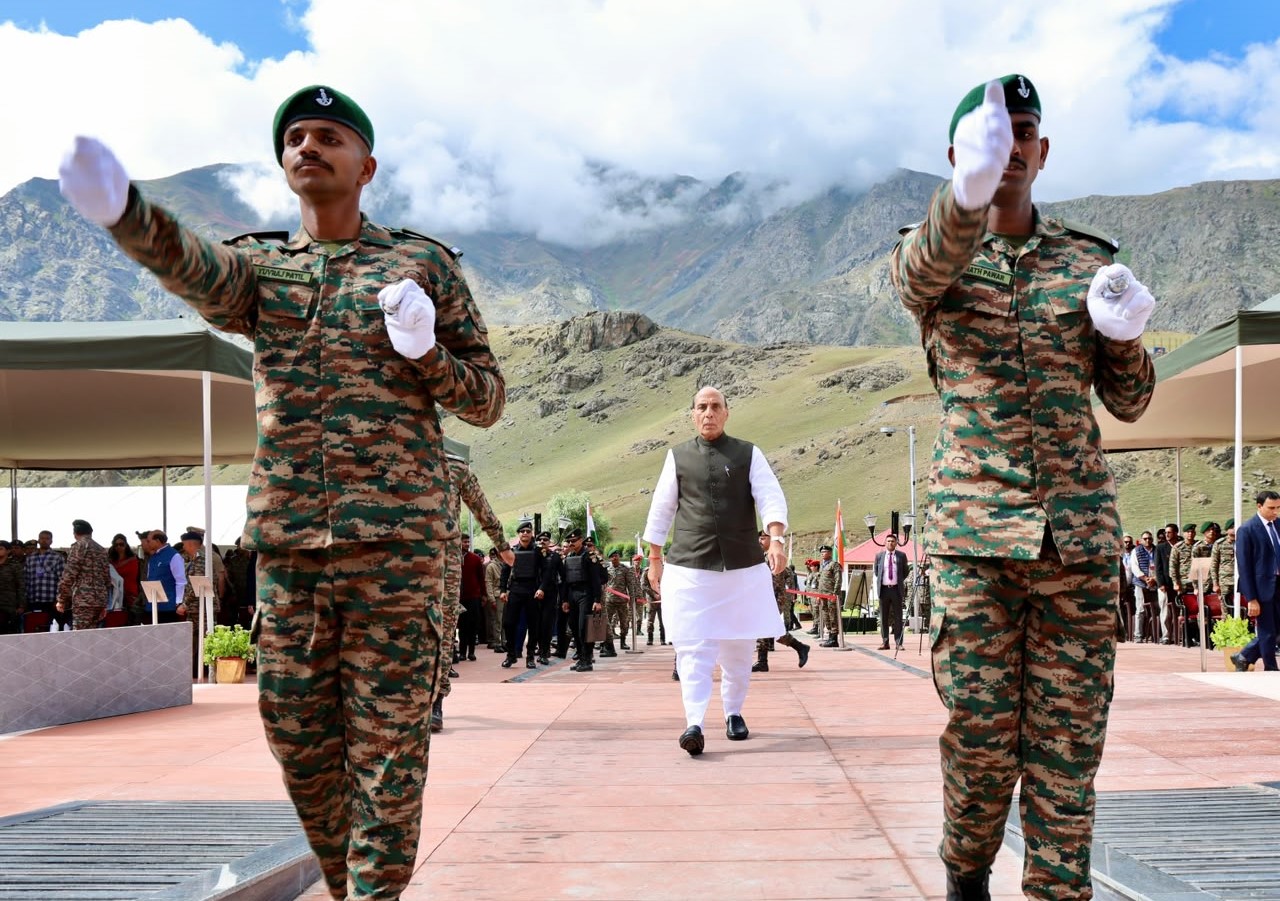
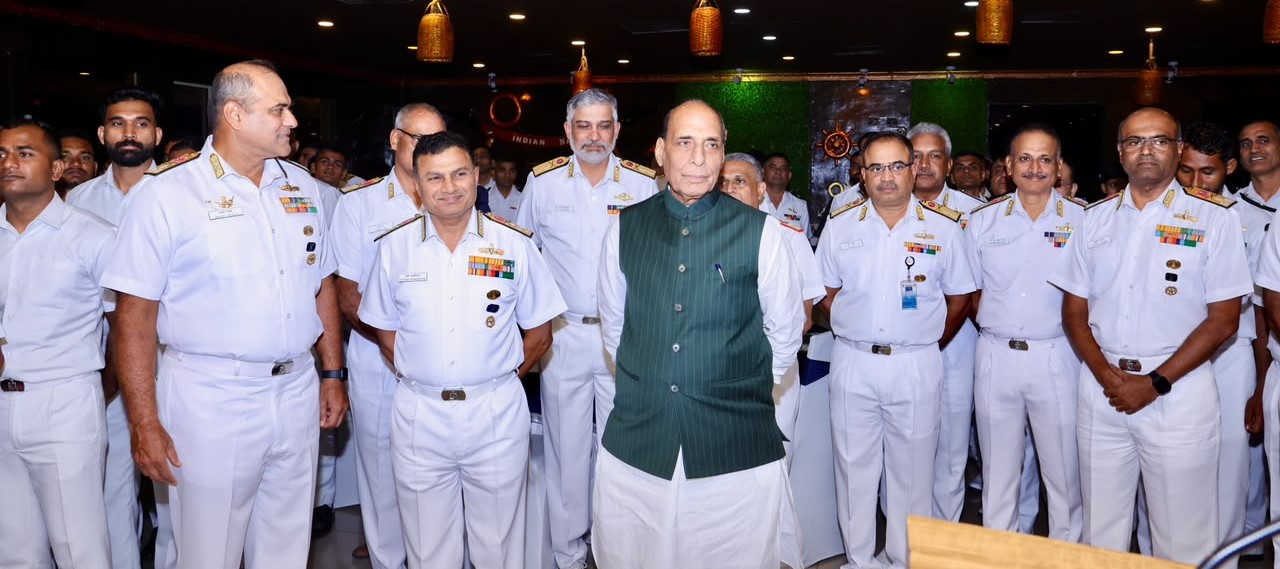
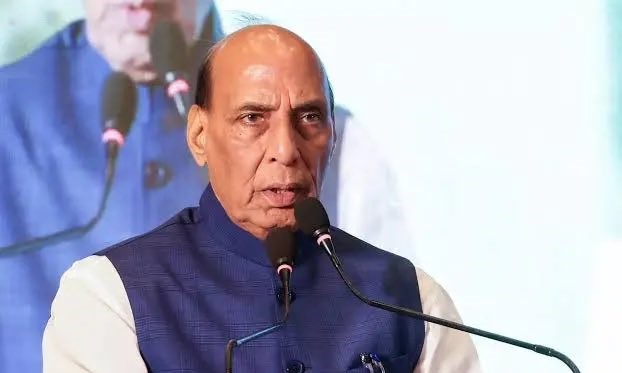
This overseas expansion does not stand alone. It complements Raksha, India’s first consolidated 10-year defence-diplomacy framework, released by the defence minister, Rajnath Singh, in New Delhi on September 3, 2026, at an event held at Kartavya Bhawan.
The document was formally unveiled by the Directorate of Public Relations of the Ministry of Defence as a roadmap intended to align national security priorities with a more structured and proactive approach to India’s global military engagement. It rests on four pillars: strategic partnerships, capacity building, indigenous manufacturing and exports, and maritime security.
Under the strategic-partnerships pillar, India aims to deepen bilateral and multilateral security cooperation with friendly nations. The capacity-building strand covers additional joint exercises, expanded training programmes and greater institutional exchange of best practices.
The export pillar seeks to position India’s growing domestic defence-industrial base as a dependable global supplier. The maritime pillar reinforces India’s self-image as a net security provider and first responder across the Indian Ocean region, a role it has already played during piracy incidents, evacuations and humanitarian emergencies in the neighbourhood.
Riding an export boom
The timing of this diplomatic push is not incidental. It follows a record year for Indian defence exports, which touched an all-time high of ₹38,424 crore in the 2025–26 financial year, according to figures released by the defence ministry.
That represents growth of 62.66 per cent over the ₹23,622 crore recorded in 2024–25, itself a record at the time. Defence public-sector undertakings accounted for 54.84 per cent of the latest total, with private firms – including start-ups and smaller manufacturers – contributing the remaining 45.16 per cent, a marked rise on their earlier share.
The defence minister described the jump, worth ₹14,802 crore in absolute terms, as evidence of growing global trust in India’s manufacturing capability. Officials in the ministry called it a threefold increase over five years.
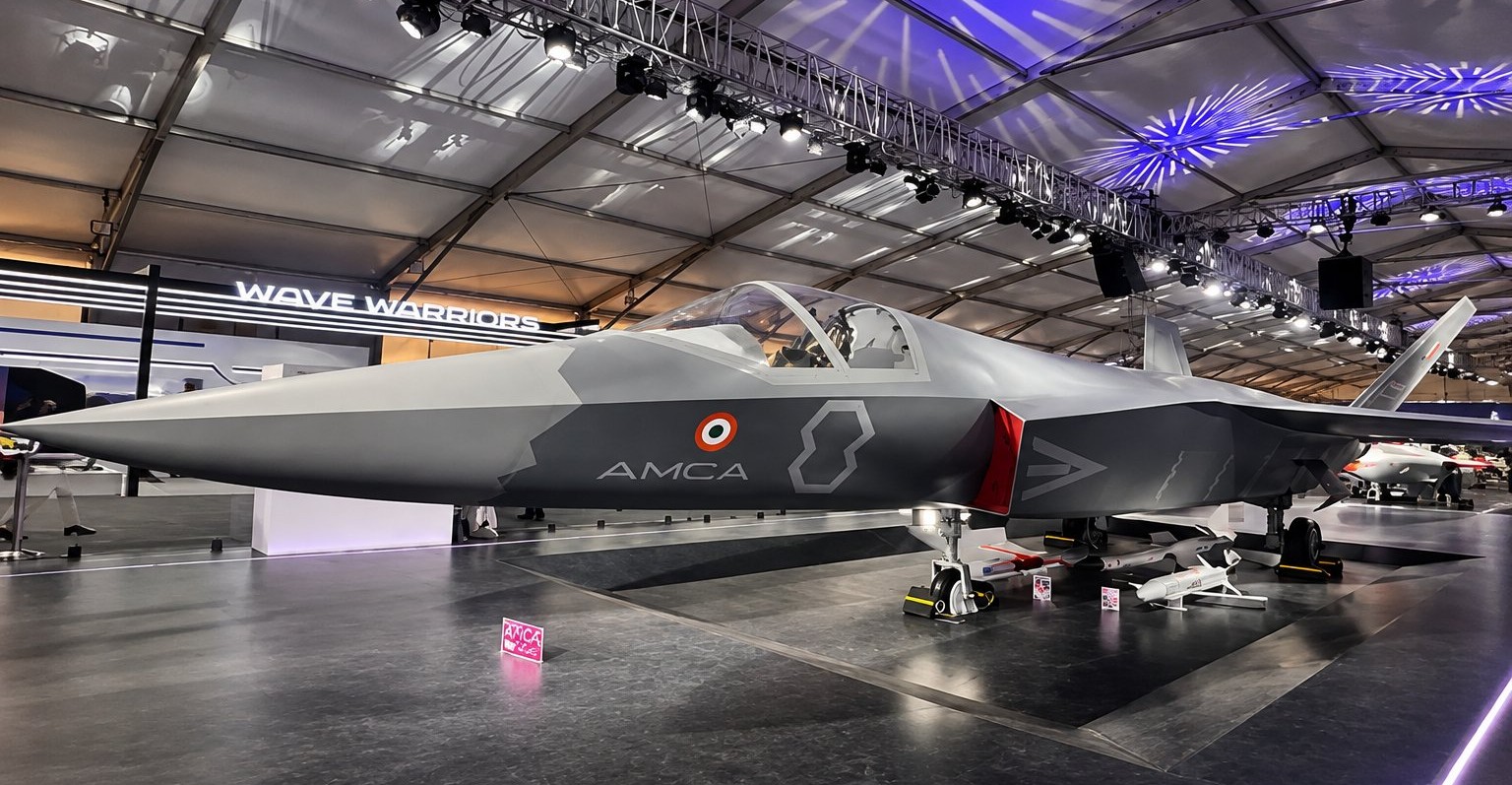
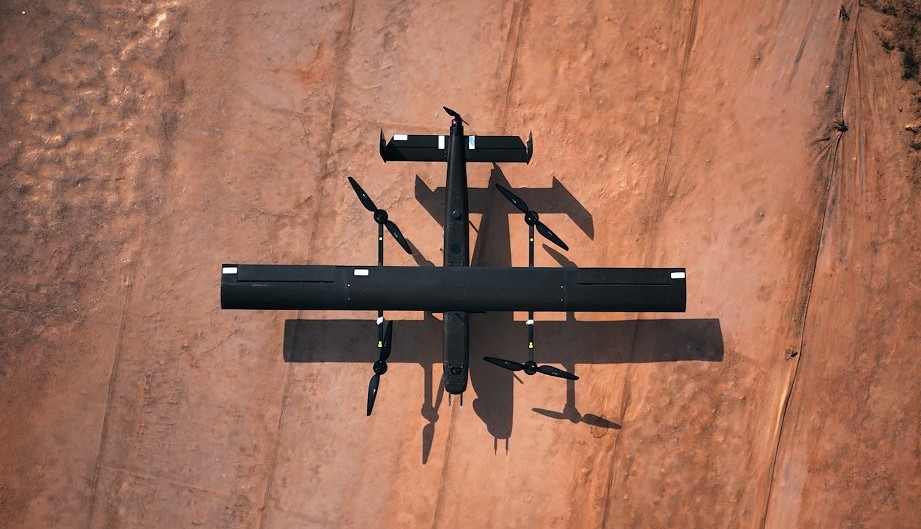
New Delhi has set a target of ₹50,000 crore in annual defence exports by 2029–30. Indian-made military hardware already reaches more than 80 countries, spanning missiles, artillery systems, radars, protective equipment, naval vessels, aircraft components and ammunition.
Simplified export procedures, including the “open general export licence” framework, have been credited with helping manufacturers respond more quickly to overseas enquiries while retaining national-security checks. The BrahMos cruise-missile contract with the Philippines remains the most cited example of how sustained diplomatic groundwork can eventually convert into a major order.
A test of coordination
The proposed network of defence wings could, in principle, give Indian companies a better understanding of country-specific operational requirements well before contracts are tendered. Whether it delivers on that promise will depend heavily on coordination between the defence ministry, the external affairs ministry, the three services, export-licensing authorities and manufacturers in both the public and private sectors – bodies that have not always moved in step.
There is also a resourcing question. Each new defence wing requires trained personnel, host-country accreditation and sustained budgetary support, none of which can be conjured overnight even with an enhanced allocation.
Still, the direction of travel is clear.
Taken together, Raksha and the expanded attaché network suggest New Delhi now views military diplomacy as considerably more than an adjunct to foreign policy. The stated aim is to use defence cooperation to build strategic influence, forge interoperable partnerships, secure access to technology and cultivate durable overseas markets for Indian-made military equipment.
For a country that imported the overwhelming majority of its weapons systems as recently as the last decade, that is a notable shift in ambition. Whether the institutional machinery behind it can keep pace with the targets set on paper will become clearer well before 2030 arrives.
Follow us on social media for quick updates, new photos, videos, and more.
X: https://x.com/indiasentinels
Facebook: https://facebook.com/indiasentinels
Instagram: https://instagram.com/indiasentinels
YouTube: https://youtube.com/indiasentinels
© India Sentinels 2026-27