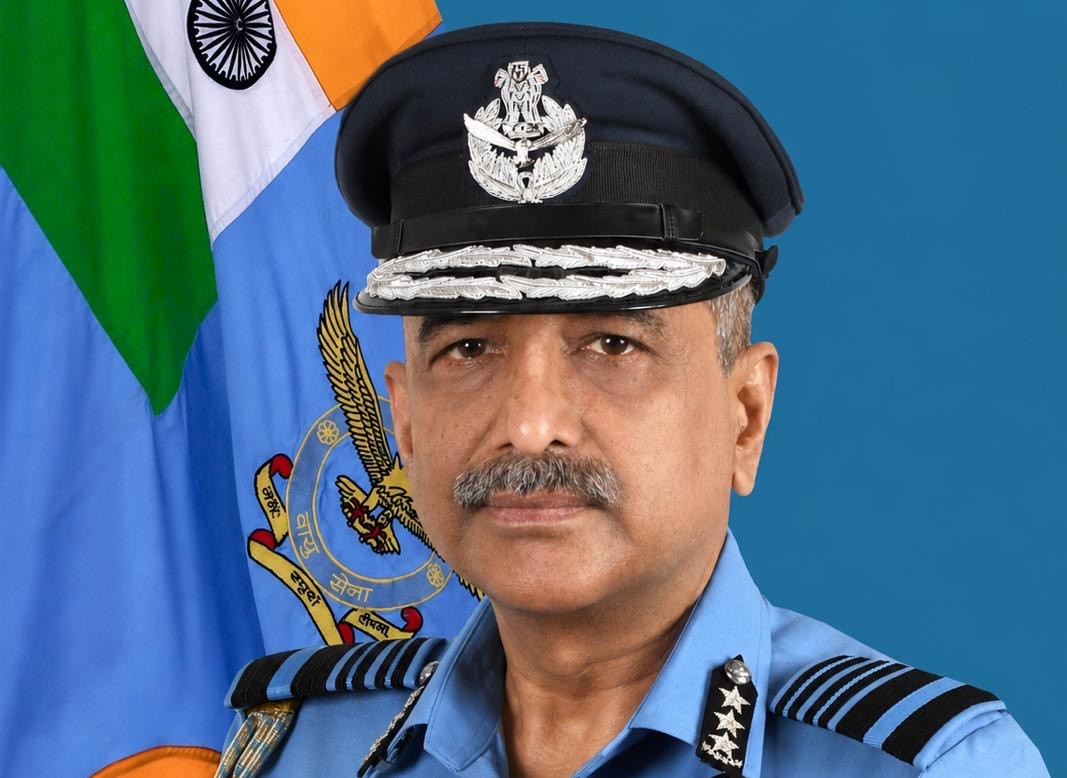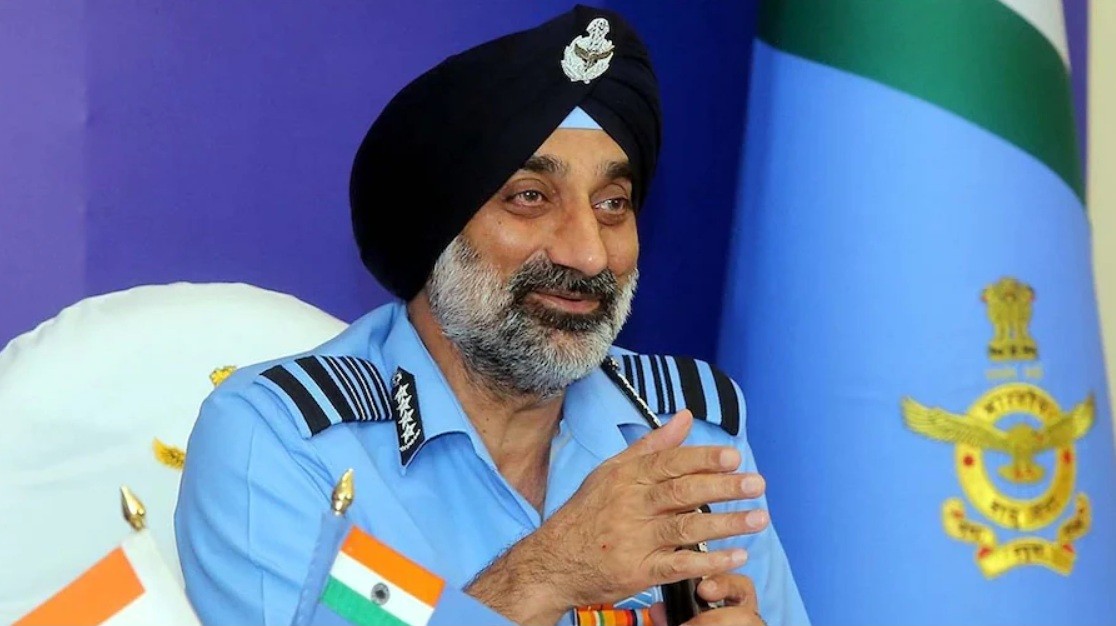
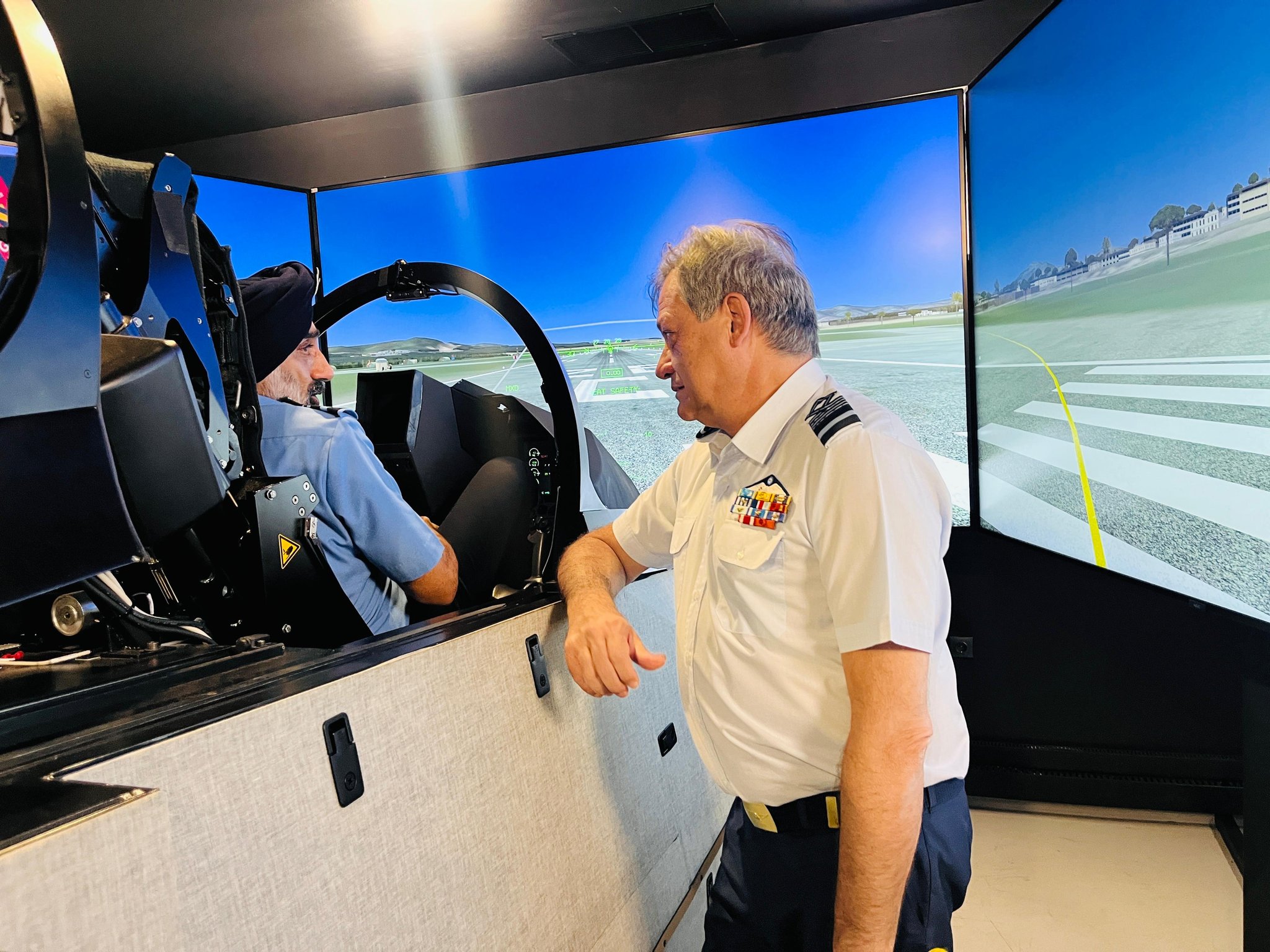
 IAF chief ACM AP Singh in a Rafale simulator (File photo)
New Delhi: The Indian Air Force is procuring a next-generation multi-domain combat simulation system called Agni – an acronym for air combat, ground planning and network integrated – that goes well beyond the conventional flight simulators the service has relied on for individual pilot training.
Unlike existing systems designed primarily around a single aircraft type and a single operator, Agni is intended to replicate the layered complexity of modern aerial warfare, where radar networks, satellite data links, electronic jamming, drone swarms and cyber operations shape the outcome of engagements as much as aircraft performance does. The system will be open to personnel from the Army, Navy and Air Force.
India’s push for integrated simulation capability comes as its adversaries – particularly China and Pakistan – invest heavily in networked warfare. The People’s Liberation Army Air Force has been expanding its own simulation infrastructure as part of a broader modernization drive, and the IAF’s procurement of Agni reflects a recognition that training environments must evolve at a similar pace.
Four components, one integrated network
The system is structured around four components. The fighter controller section will feature large panoramic displays capable of rendering more than a thousand simultaneous tracks, covering the full spectrum of aerial threats: fighter aircraft, helicopters, drones, transport planes and missiles. Controllers will train on threat prioritization and intercept decisions under simulated electronic warfare conditions, including jamming and spoofed signals – scenarios that have become increasingly relevant given the growing use of electronic and cognitive warfare in modern conflicts.
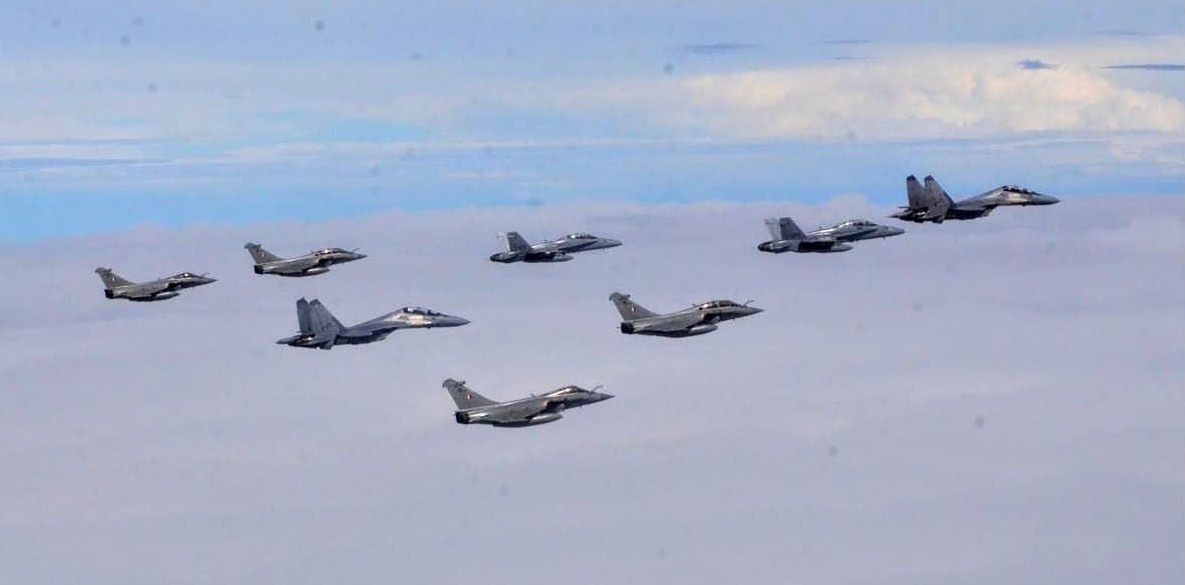
Four high-fidelity cockpits will replicate the flight characteristics and weapons systems of aircraft in the IAF’s current inventory, including the Sukhoi-30MKI, Mirage 2000 and Rafale, as well as adversary platforms such as the F-16, F-22 and China’s J-10 and J-11. The cockpits will incorporate motion feedback to simulate take-off, manoeuvres and weapons release, and will use virtual and mixed-reality technology overlaid on high-resolution satellite imagery. Pilots will train across a range of degraded visibility conditions, including cloud, rain, fog and night operations.
The ground environment section, described in the request for proposals as the most technically complex element of the system, will integrate platforms from all three services on a single three-dimensional display. Tanks, missile batteries, radar installations, warships, submarines, aircraft carriers and ballistic missile defence systems will all be represented.
The section will also simulate the environmental effects of smoke, explosions, missile trails and electronic interference – conditions that significantly affect situational awareness in actual combat.
A dedicated supervisor section will allow instructors to modify scenarios in real time – introducing additional threats, degrading communications or worsening weather conditions – and will record all audio and video for post-exercise analysis. This debriefing capability is considered essential for structured learning in complex, joint-force exercises, where after-action reviews can be as instructive as the exercises themselves.
Closing a capability gap
India’s existing simulation infrastructure has been built largely around individual platform proficiency. The IAF operates simulators for the Sukhoi-30 MKI and, more recently, for the Rafale, but these are standalone systems with limited ability to replicate a networked battlefield. AGNI is designed to fill that gap by allowing operators from different services and different roles to interact with each other in a common simulated environment, training for the kind of joint operations that modern conflicts demand.
The procurement also has an economic rationale. High-fidelity simulation reduces flying hours required for certain training tasks, cutting fuel costs, aircraft wear and the risk of accidents. For an air force managing a mixed and ageing fleet while awaiting the induction of the Tejas-Mk1A and, eventually, the Tejas-Mk2, reducing the operational burden on frontline aircraft through simulation is a practical necessity.
The defence ministry has not disclosed the financial value of the contract or a timeline for the system’s commissioning. However, given the scope of the procurement – which covers hardware, software, networking infrastructure and content for multiple aircraft types including adversary platforms – the contract is expected to run into several hundred crore rupees.
The Agni procurement is part of a wider pattern of investment in simulation-based training across the Indian armed forces. The Army has been expanding its use of tactical simulators for armoured and artillery units, and the Navy has invested in submarine and ship-handling simulators.
A system that brings all three services together in a common training environment would represent a meaningful step towards the kind of integrated theatre command operations that the country is in the process of institutionalizing.