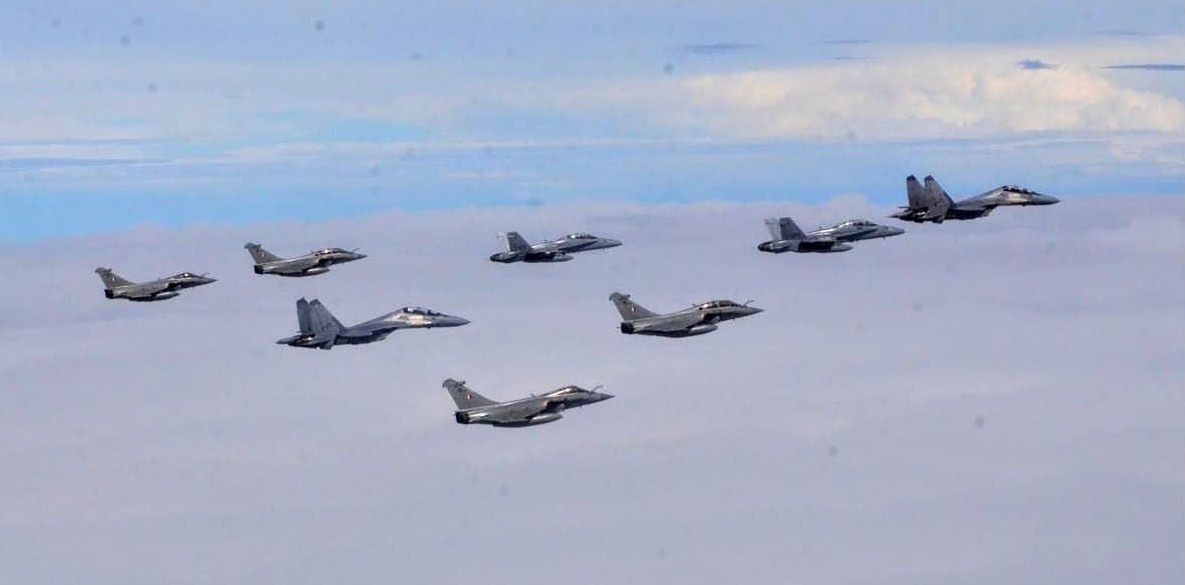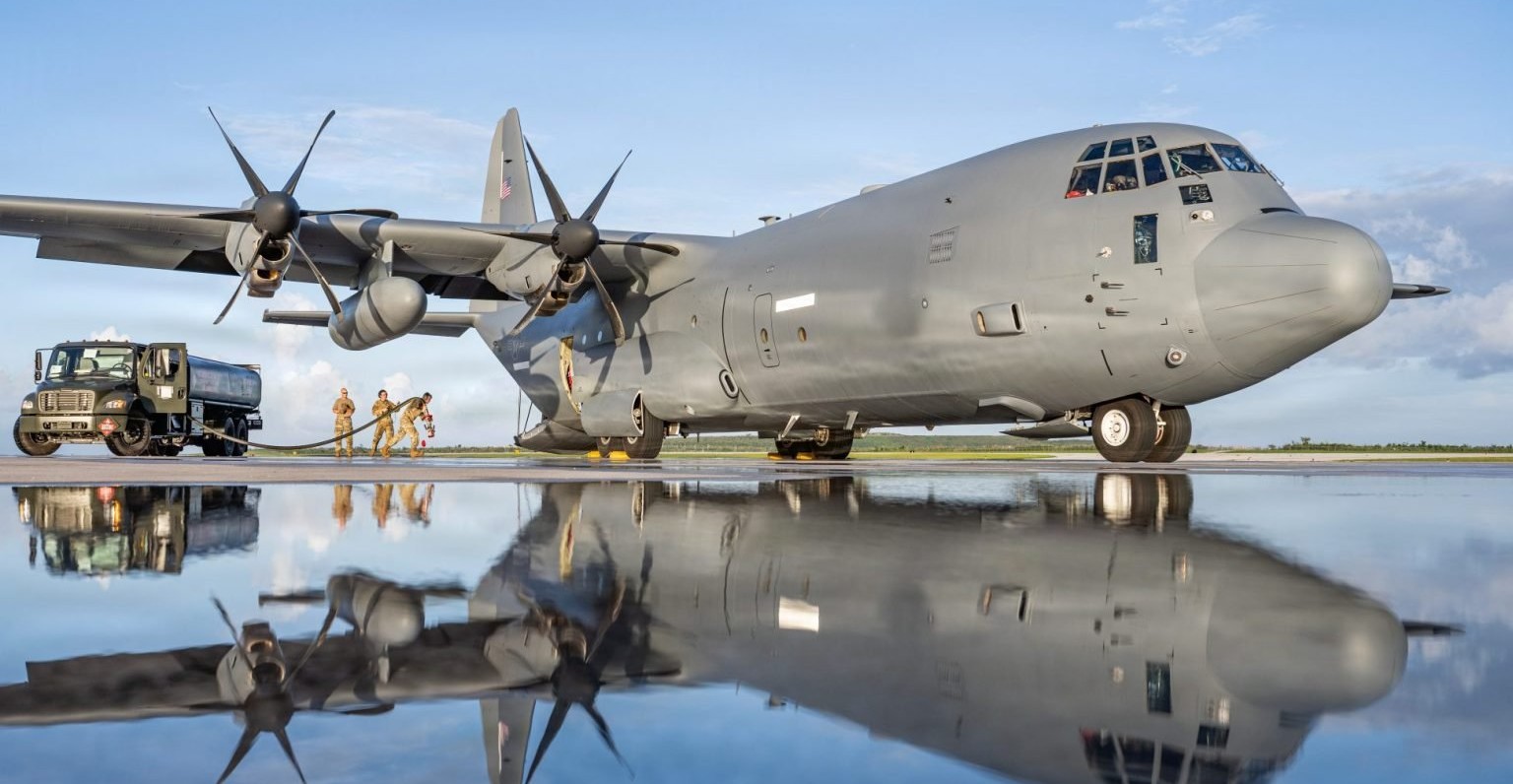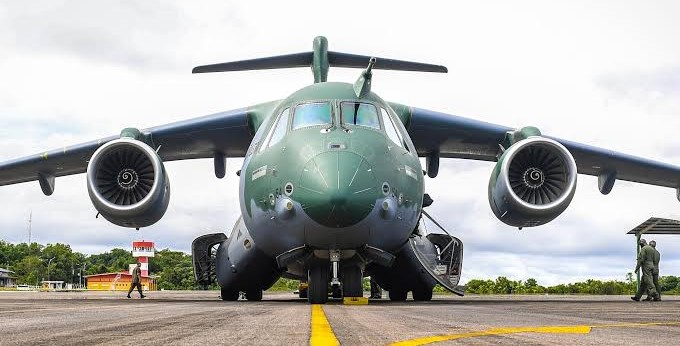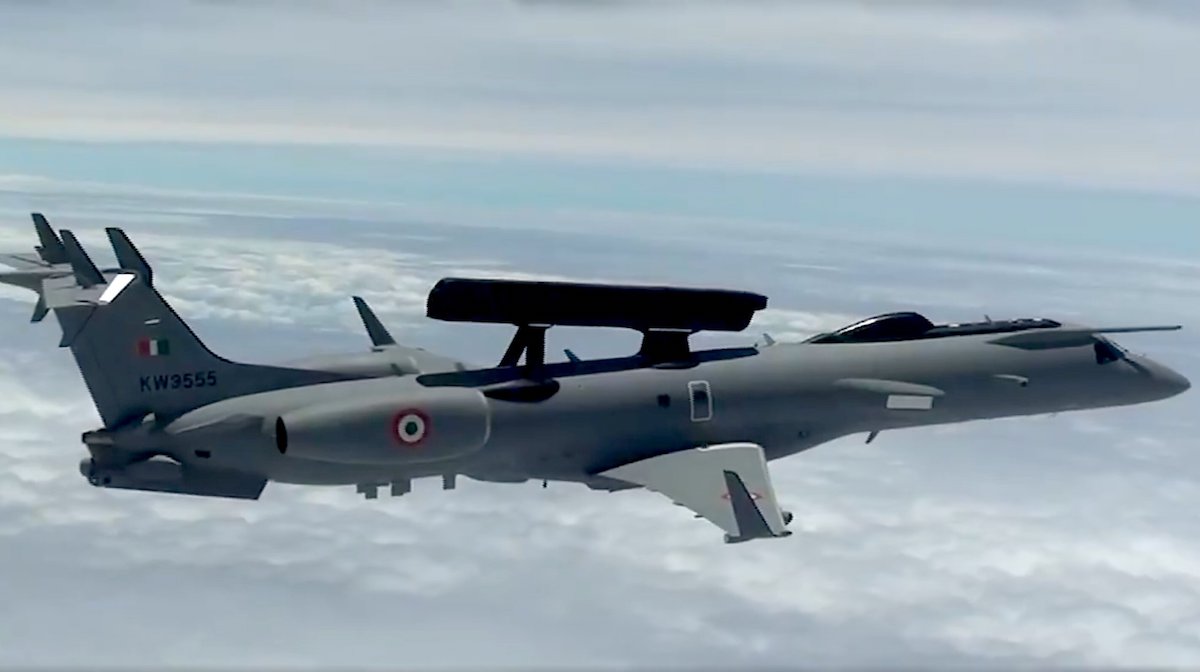
 Illustration for representation. (© India Sentinels 2026–27)
New Delhi: The Indian Air Force has invited proposals from Indian defence manufacturers to design, develop, and manufacture a medium-altitude, heavy-lift airship under the Make-I category of the Defence Acquisition Procedure (DAP) 2020. This is seen as the service’s bid to bolster its persistent surveillance and communication capabilities in the rapidly changing dynamics of modern warfare.
The project, nodded through the Directorate of Operations (Remote) at the Air Headquarters, envisions a hydrogen-powered airship platform capable of carrying out intelligence, surveillance, and reconnaissance (ISR) missions. This will serve as a communication relay akin to airborne systems, such as airborne early warning and control (AEW&C) – also known as airborne warning and control system (Awacs), and eventually acting as a launch base for projectiles or drones.
The Air Force has set a deadline of April 30 for interested Indian vendors to submit their proposals.
Why hydrogen?
The project brief notes a clear preference for hydrogen as the primary lift and propulsion medium. It cited the gas’s properties as lighter than air, inexpensive, non-toxic, and abundantly available. The brief also points to hydrogen’s high energy density and clean combustion output – producing only water vapour – as key advantages in an operational context.
The proposed platform envisions a hybrid solution combining hydrogen-based lift and propulsion with solar power, batteries, fuel cells, or other emerging technologies.
Technical requirements
According to the broad technical parameters outlined in the project brief, the airship must be capable of operating from sea level up to 10,000 feet above mean sea level (AMSL), with an altitude of up to 30,000 feet AMSL listed as desirable. It must carry a minimum payload of 2,000 kilograms, with a desirable capacity of up to 5,000 kilograms.
The Air Force has specified a minimum endurance of 10 days with a full payload, though 30 days is the preferred benchmark – a requirement that underlines the platform's intended role as a persistent, long-duration surveillance asset rather than a conventional aircraft.
The airship must be capable of achieving a maximum true airspeed of 100 knots (185.2 kilometres per hour) and should feature autonomous launch and recovery capability from both prepared and unprepared surfaces.
On communications, the platform must support line-of-sight coverage of at least 250 kilometres or satellite communications. It must also be capable of operating in environments where global navigation satellite systems are denied, with compatibility required for GNSS, IRNSS, and NavIC systems.
The primary use cases identified by the Air Force include persistent ISR using radar, electro-optical and infrared sensors, synthetic aperture radar (SAR), and signals intelligence (SIGINT) systems. The platform is also envisaged as a future launch base for drones and projectiles.
The minimum order quantity has been set at approximately 10 units, with the exact figure to be determined following a feasibility study.
Industry eligibility and indigenous content
The Air Force has stipulated that only Indian entities, as defined under paragraph 20 of Chapter I of DAP 2020, are eligible to respond. Successful development under the Make-I sub-category will lead to procurement through the Buy Indian-IDDM (indigenously designed, developed, and manufactured) route, with a mandatory minimum indigenous content of 50 per cent.
Experience in aviation-related maintenance, repair, and overhaul (MRO) operations is listed as desirable, as is familiarity with quality assurance processes of the directorate general of aeronautical quality assurance (DGAQA) and airworthiness certification procedures of the centre for military airworthiness and certification (CEMILAC).
Vendors are required to answer a detailed questionnaire covering their financial health – including annual turnover for the last three financial years, net worth, and credit rating – as well as their manufacturing infrastructure, in-house design and testing capability, outsourcing plans, and indigenous content breakdown.
Significance
The project represents a significant step in the Air Force's push to acquire long-endurance, unmanned aerial platforms capable of operating for weeks at a time without the costs and risks associated with conventional crewed aircraft. Airships of this type, sometimes called high-altitude pseudo-satellites (HAPS) in their upper-altitude variants, have attracted growing interest among defence planners globally for border surveillance, maritime domain awareness, and battlefield communication relay.
By routing the project through the Make-I category – under which the government funds up to 70 per cent of development costs – the Air Force is also signalling its intent to build a domestic industrial base for lighter-than-air platforms, a segment in which Indian industry currently has limited established capability.
The Air Force has asked interested vendors to direct their queries and responses to the Directorate of Operations (Remote) at Air Headquarters in New Delhi.
Follow us on social media for quick updates, new photos, videos, and more.
X: https://x.com/indiasentinels
Facebook: https://facebook.com/indiasentinels
Instagram: https://instagram.com/indiasentinels
YouTube: https://youtube.com/indiasentinels
© India Sentinels 2026-27