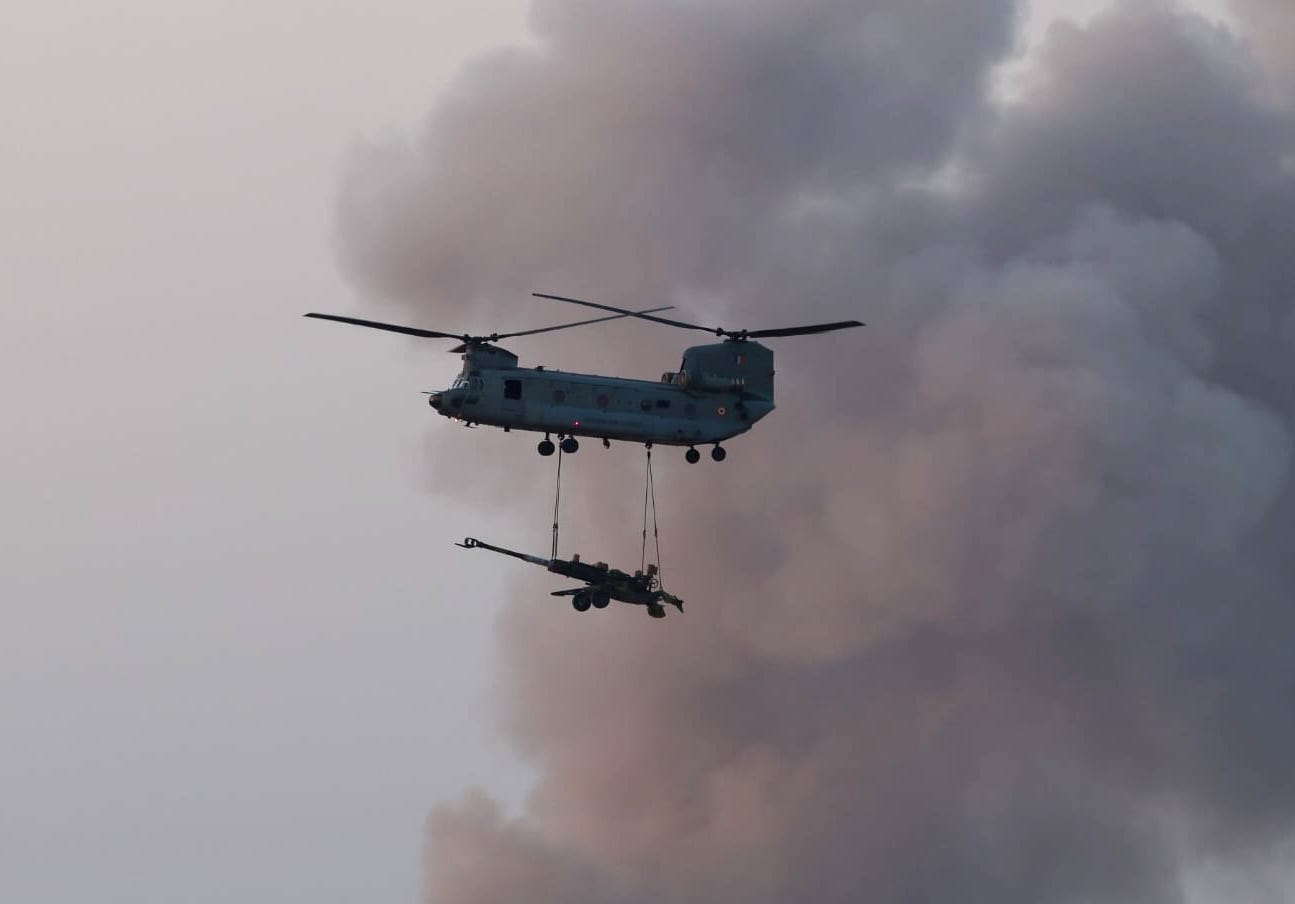
 An IAF Chinook helicopter carrying an Indian Army M-777 howitzer gun during Exercise Vayu Shakti – 2026. (India Sentinels photo)
Pokhran: The skies over Pokhran in Rajasthan’s Jaisalmer district turned into a simulated battlespace on Friday as the Indian Air Force flew Exercise Vayu Shakti – 2026, its most elaborate firepower demonstration in years. More than 130 aircraft participated in a scripted, day-and-night scenario covering the full spectrum of air operations – from offensive strikes and air defence to special operations and humanitarian missions.
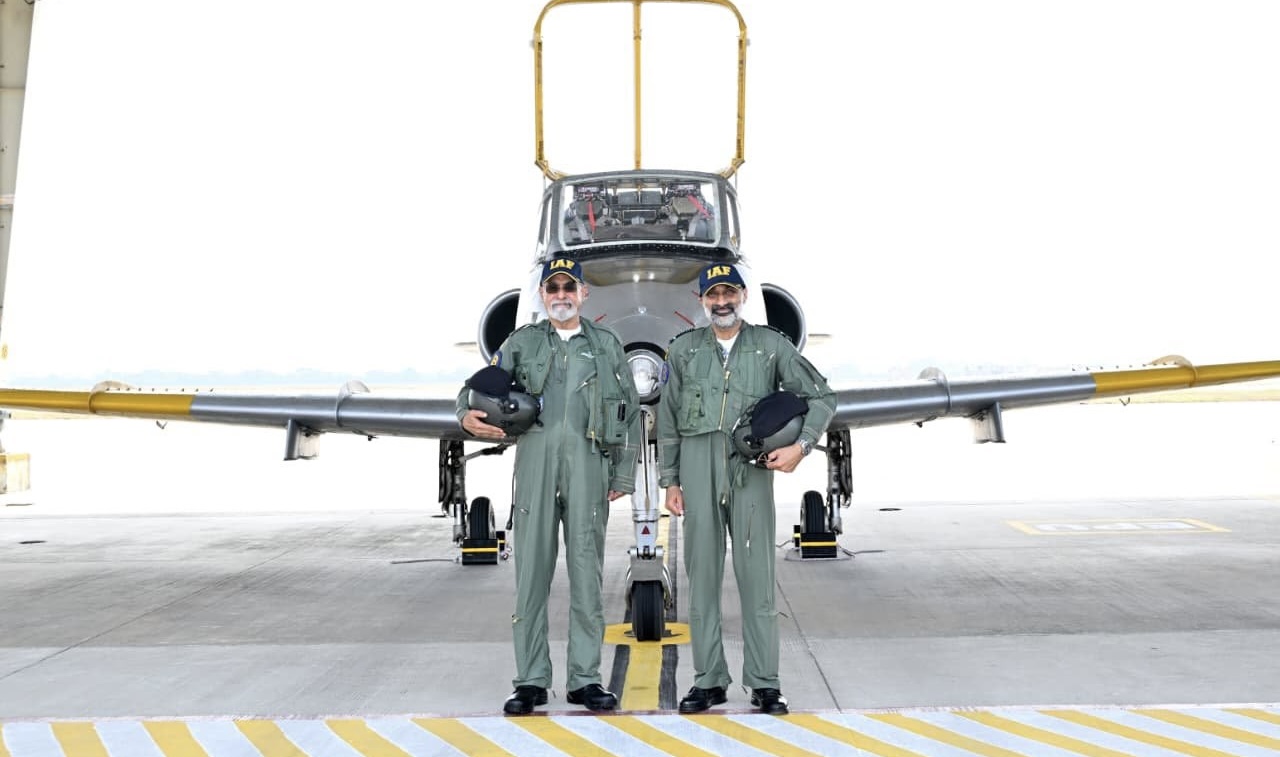
The president, Droupadi Murmu, who attended the exercise as chief guest, flew a sortie in the Prachand LCH (light combat helicopter) before the demonstration began. Prachand is an indigenously designed and developed platform that entered IAF service in 2022 and represents one of the more credible outcomes of the government’s Atmanirbhar Bharat defence manufacturing initiative.
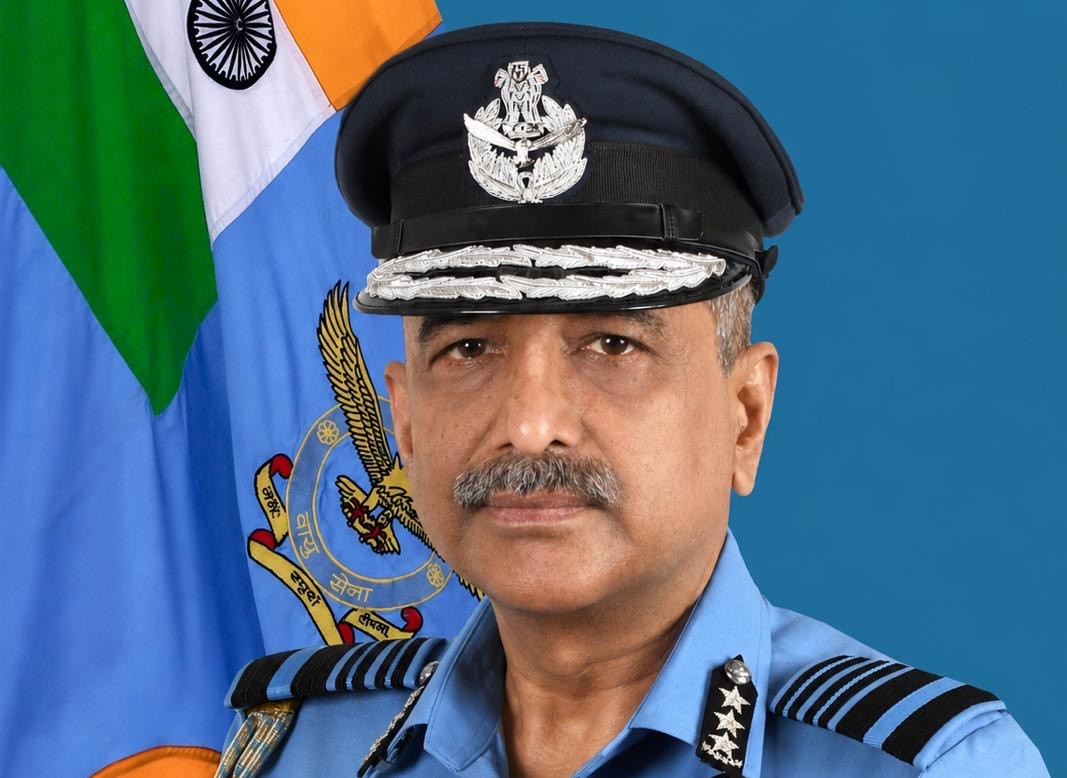
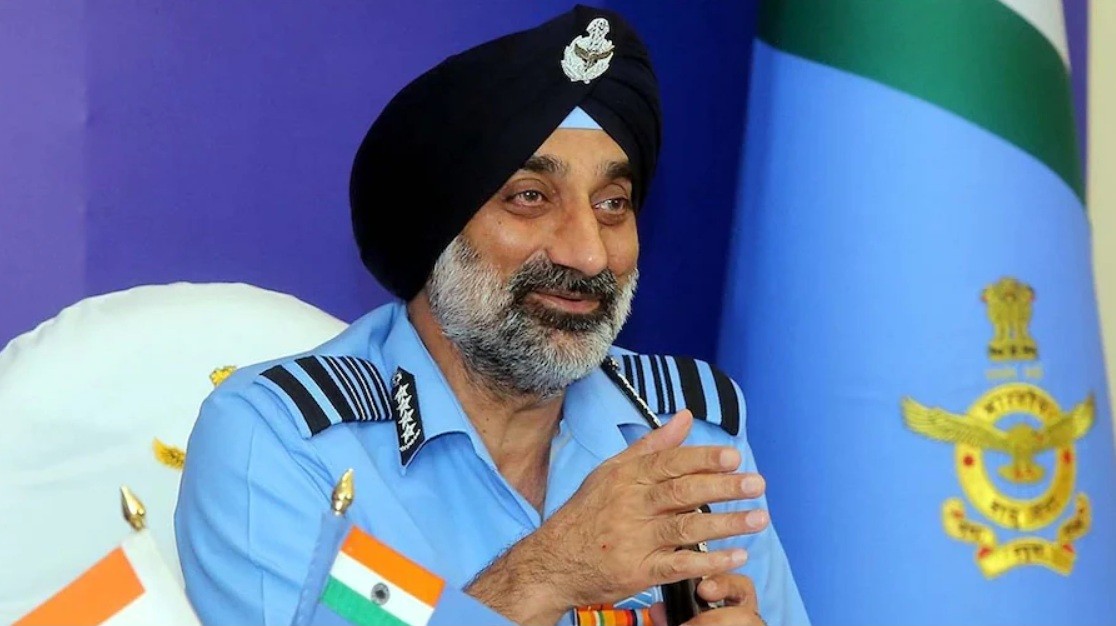
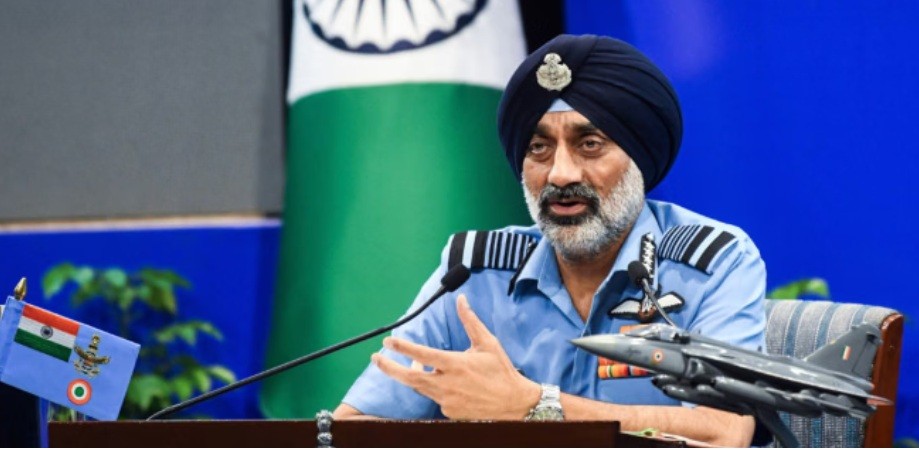
Among those in attendance were the governor of Rajasthan, Haribhau Kisanrao Bagde; the defence minister, Rajnath Singh; the minister of civil aviation, Kinjarapu Ram Mohan Naidu; the minister of culture and tourism, Gajendra Singh Shekhawat; the cabinet secretary, Dr TV Somanathan; the chief of defence staff, General Anil Chauhan; the chief of the Indian Air Force, Air Chief Marshal Amar Preet Singh; and the chief of the Indian Navy, Admiral Dinesh K Tripathi. Also present in the event were senior service officers, defence attachés from several countries, veterans, and schoolchildren.
The exercise was notable for a structural departure from past editions: for the first time, it was conducted along a defined operational storyline designed to simulate a live combat theatre rather than a series of stand-alone demonstrations. The IAF said the format was intended to reflect its doctrine of multi-domain integrated operations.
The flying programme opened with a ceremonial flypast of Chetak helicopters carrying the national flag, the air force ensign and the Operation Sindoor flag – the latter a reference to the 2025 cross-border strikes that the IAF has since built into its institutional identity. A Rafale fighter then produced a sonic boom over the range to mark the start of combat missions.
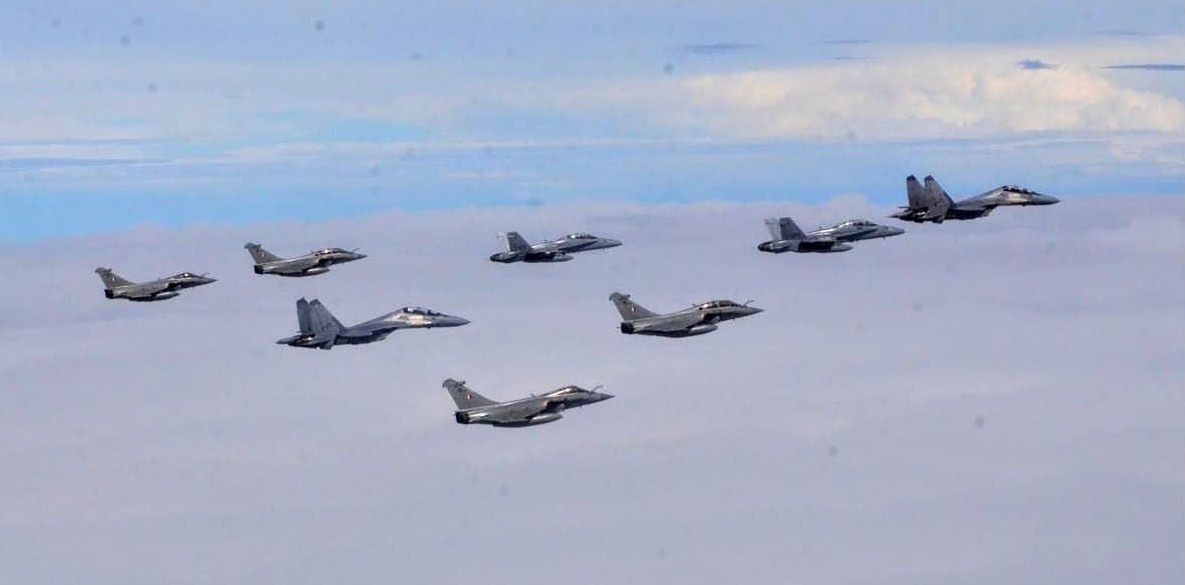
Fighter aircraft – including the Rafale, Su-30 MKI, Mirage-2000, MiG-29, Jaguar and Hawk – executed precision strikes on simulated ground targets using precision-guided munitions and long-range weapons. Air defence was demonstrated through coordinated engagements involving airborne platforms and ground-based systems including the Akash and Spyder surface-to-air missiles, supported by army assets such as the L-70 anti-aircraft gun and the M-777 ultra-light howitzer. The integration of army air defence assets into an IAF exercise reflects the joint-services approach the armed forces have been working to formalize.
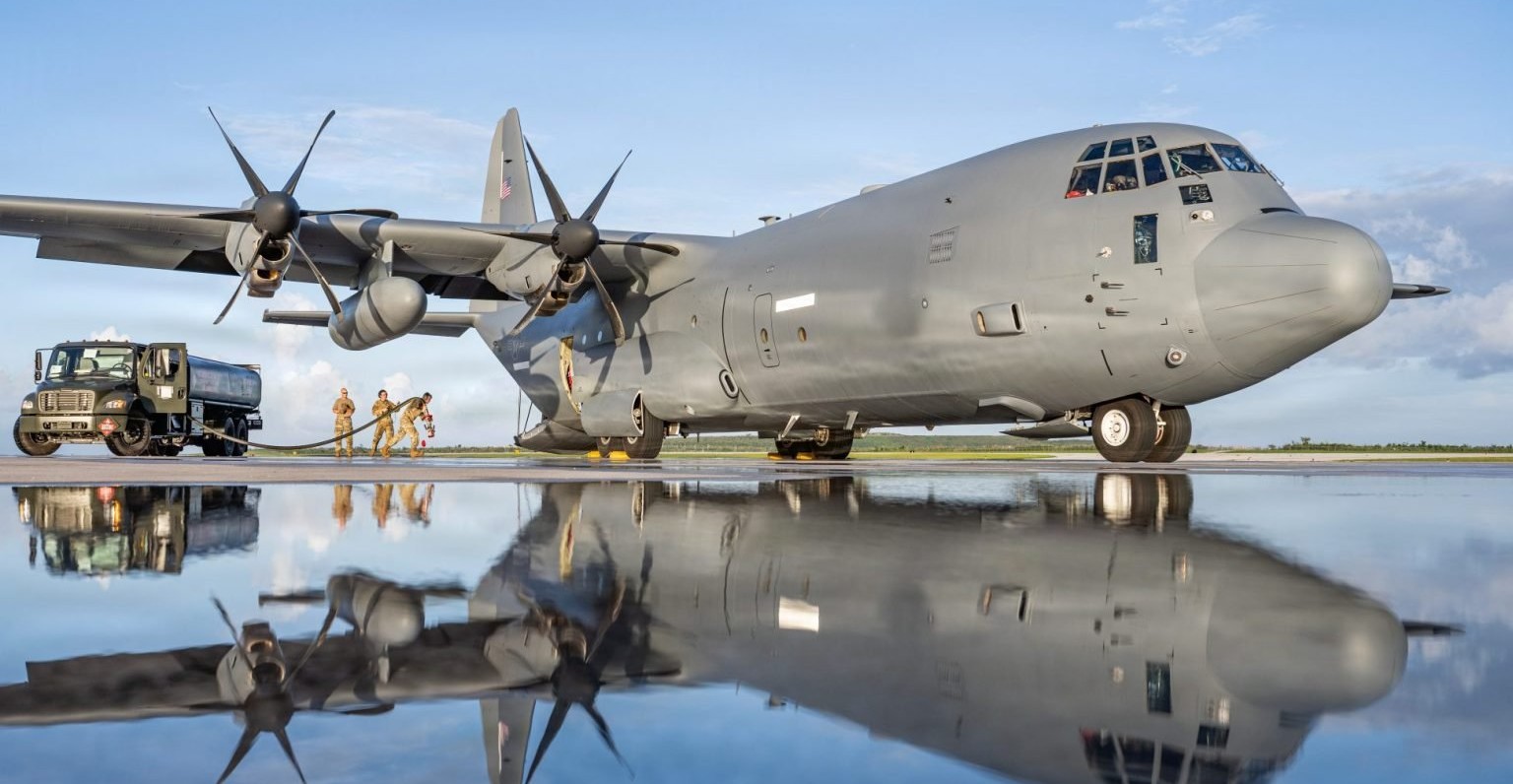
Special operations featured Garud commandos and Para SF elements inserted by Mi-17 helicopters to conduct simulated urban intervention and hostage rescue, followed by assault landings and casualty evacuation by C-130J and C-295 transport aircraft operating from an advanced landing ground.
The night phase included integrated air defence operations, air-landed missions and precision strikes by multiple fighter platforms – a segment the IAF highlighted as evidence of its round-the-clock operational capability. The exercise ended with a flypast by a C-17 heavy transport and a drone light display.
The exercise comes at a period of heightened operational tempo for the IAF. The force has been in the public eye since Operation Sindoor in May 2025, when it conducted strikes on targets in Pakistan and Pakistan-occupied Kashmir in response to the Pahalgam terror attack. The Vayu Shakti exercise, traditionally held every few years at Pokhran, has taken on added political and strategic significance as a signal of readiness and deterrence.
The Pokhran Field Firing Range, located in the Thar desert in Jaisalmer district, has long been India’s primary live-fire air exercise venue. It is also the site where India conducted its nuclear tests in 1974 and 1998.
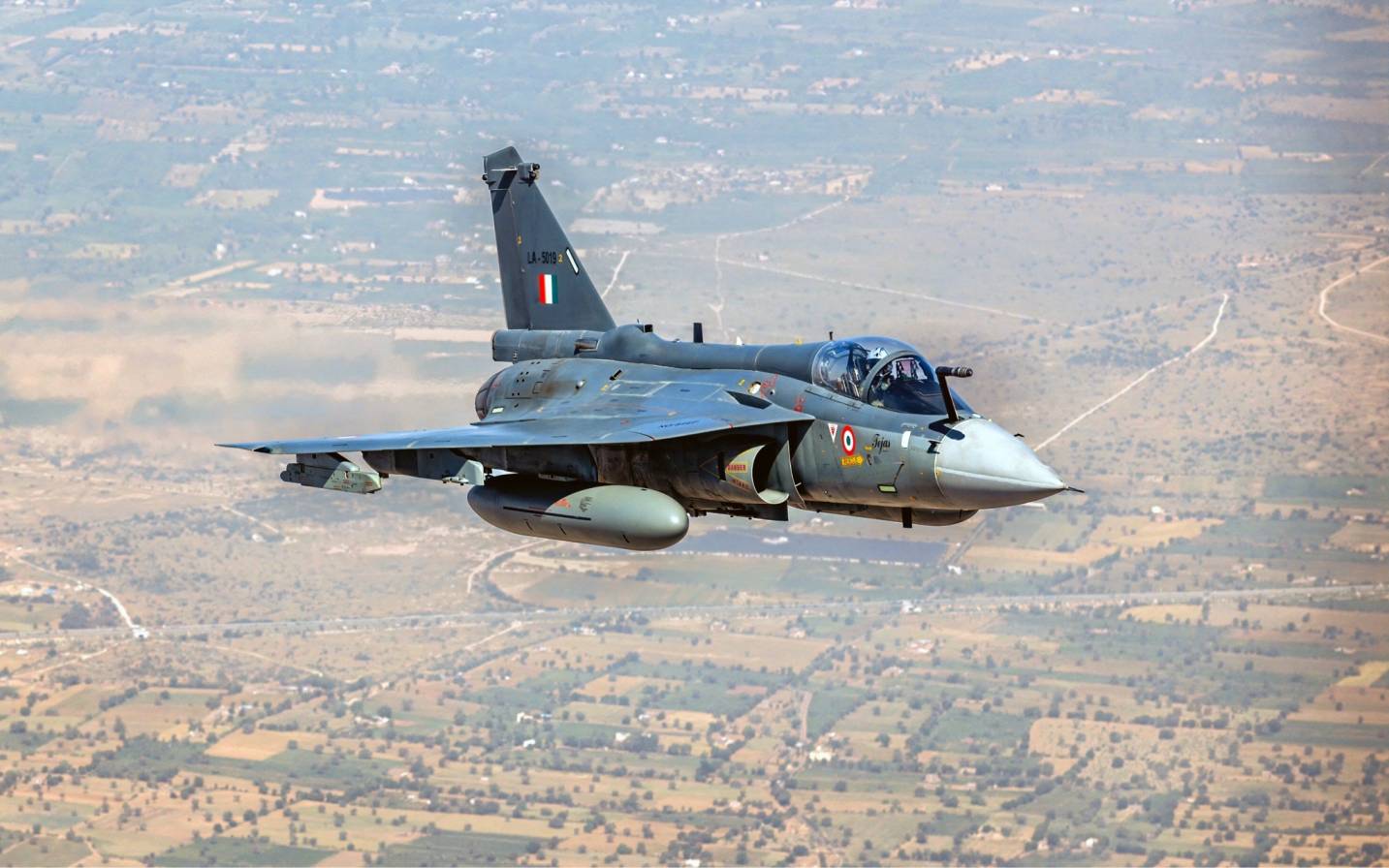
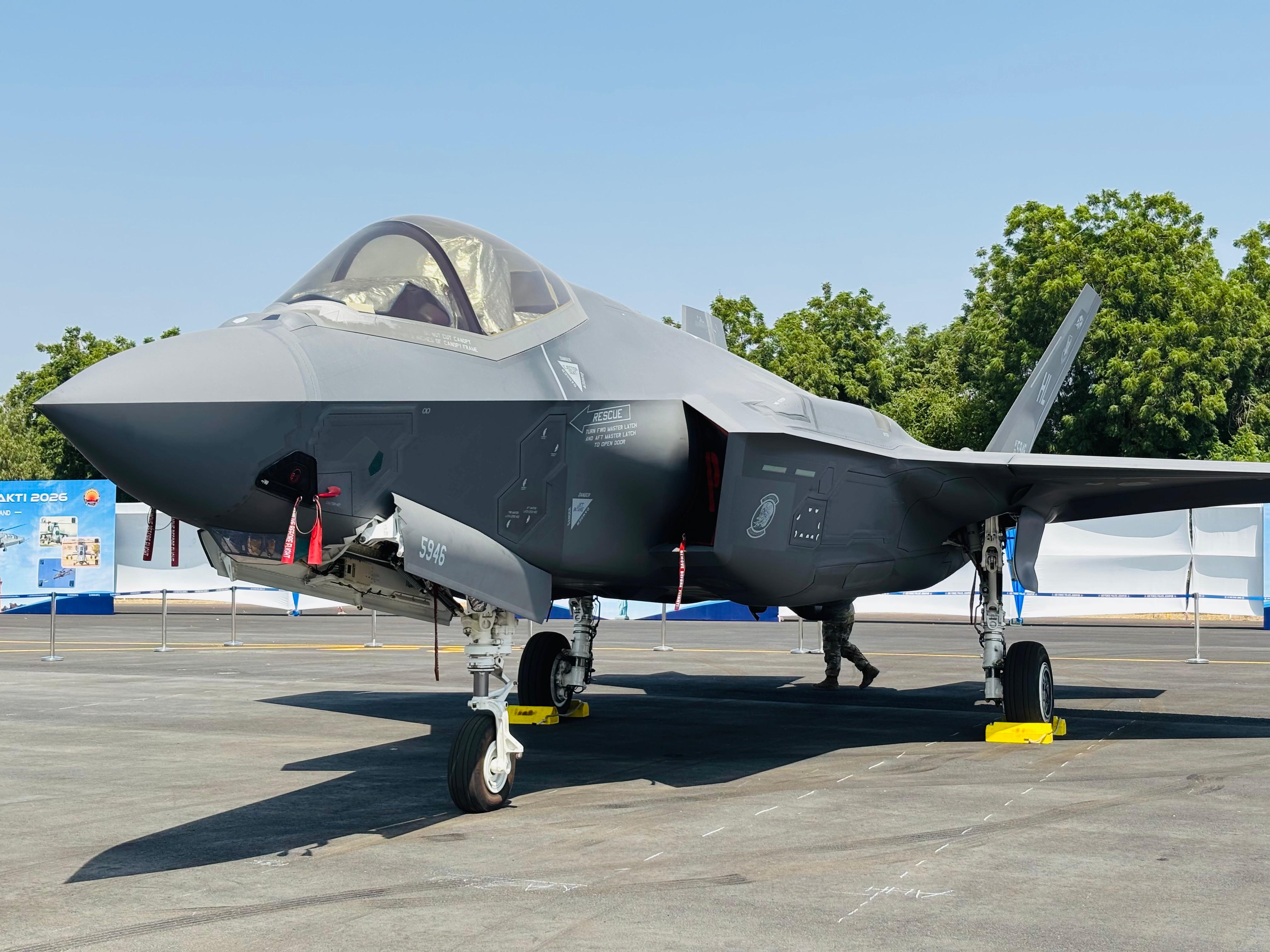
The IAF currently operates a mixed fleet in a period of transition. The Rafale, 36 of which were acquired from France under a 2016 intergovernmental deal, has become the force’s most visible frontline platform. The indigenous Tejas LCA programme is gradually expanding its role, while the force is also pursuing a next-generation fighter and additional Rafale Marine aircraft for the navy.
Vayu Shakti – 2026, the IAF said, was guided by its operational values of “Achook, Abhedya aur Sateek” – precision, invulnerability and accuracy.