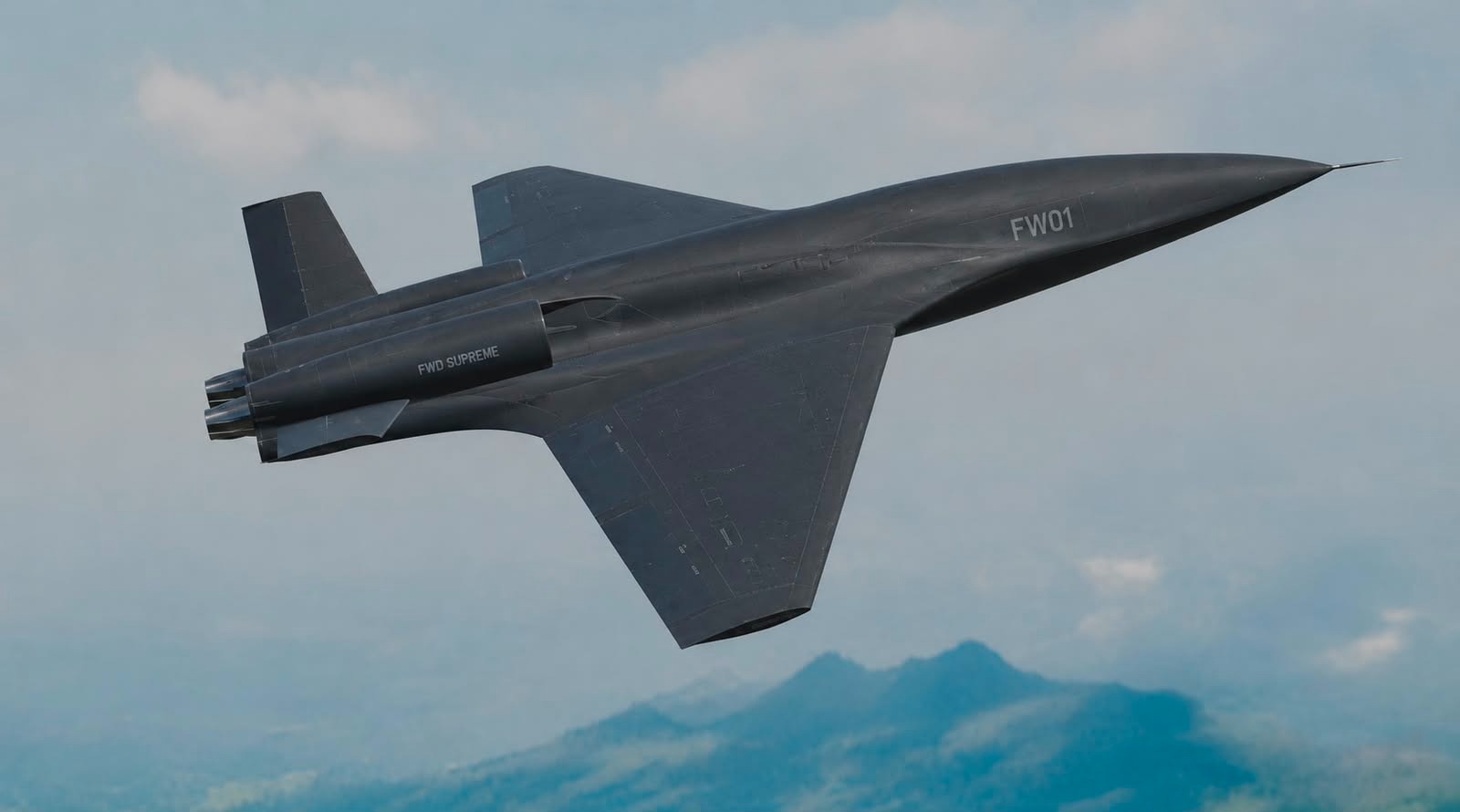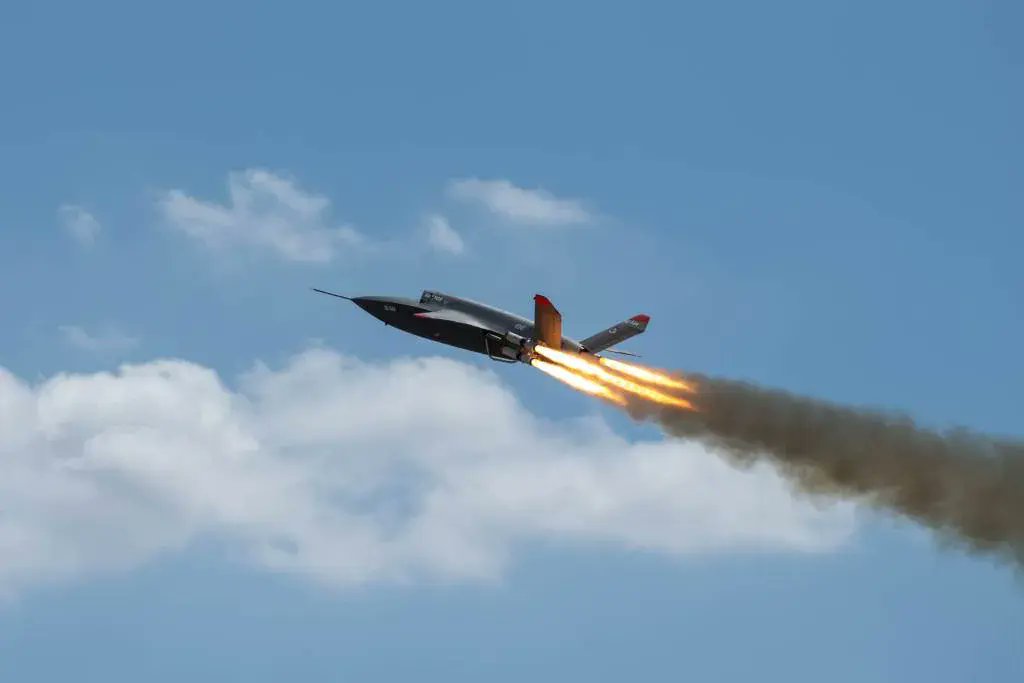
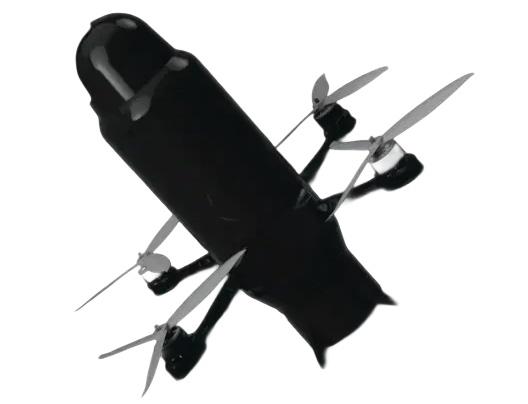
 A Yama drone interceptor. (Photo: FWDA)
Bengaluru: Marking a significant step toward strengthening India’s modern air defence capabilities, AI warfare and defence technology firm Flying Wedge Defence & Aerospace (FWDA) has announced the successful testing of FWD Yama, the country’s first autonomous swarm interceptor designed to destroy enemy drones cheaply and autonomously, making it a potential game changer in future air defence.
At a time when militaries worldwide rely on costly traditional air defence systems that remain vulnerable to drone swarm saturation attacks, the FWDA said India’s indigenously developed interceptor offers a scalable and cost-effective alternative.
Developed in response to the rapidly evolving realities of modern warfare, FWD Yama integrates artificial intelligence, precision-kill capability, swarm coordination and network-centric operations to counter aerial threats ranging from microdrones to larger unmanned systems.
Read also: Network-Centric Warfare – Pakistan’s edge and India’s wake-up call
Powered by the Flying Wedge’s proprietary autonomy stack, the FWD Yama is designed for integration across multiple aerial defence platforms including unmanned systems and precision-guided munitions.
The system enables autonomous navigation, targeting and engagement without direct human control.
Speaking on the development, Suhas Tejaskanda, founder and CEO of Flying Wedge Defence & Aerospace, said recent global conflicts have highlighted how low-cost drones can impose disproportionately high costs on traditional air defence systems.
“Future wars will be defined by counterdrone capability. Meeting this challenge requires autonomous interception systems that are scalable, economically sustainable and resilient in contested environments,” he said.
Tejaskanda added that the FWD Yama autonomous swarm interceptor has been engineered to address this emerging gap in air defence.
“The system enables precision aerial interception at a projected cost that can be up to 100 times lower than conventional missile-based air defence systems, depending on configuration and mission profile. This allows sustained defence against drone-swarm attacks without depleting high-value strategic missile inventories and strengthens India’s sovereign capability to counter evolving aerial threats,” he said.
The interceptor operates on a fully autonomous engagement architecture. Once cued by radar or surveillance systems, it can independently detect, classify, prioritize, track, and engage aerial threats without human intervention.
In an effort to enable precise interception, the FWD Yama system integrates radar-based nodding, multi-sensor data fusion, electro-optical and vision-based terminal tracking, and autonomous engagement logic.
Also designed to function in GPS-denied and communication-contested environments, including under electronic warfare and jamming conditions, the system supports coordinated swarm deployment.
Multiple interceptors can autonomously distribute targets and execute cooperative engagements.
The interceptor is capable of neutralising threats as small as microdrones, including DJI Mini-class platforms, while remaining scalable for larger unmanned aerial systems. The FWD Yama has also been designed for airborne integration.
Confirming the compatibility pathways with its Kaalabhairav UAV series, the company said that the system also enables air-to-air defensive operations and extended engagement envelopes.
The platform architecture also supports SEAD (suppression of enemy air defence) missions, allowing autonomous detection and precision neutralization of hostile air defence nodes in contested environments.
The autonomous swarm interceptor forms part of Flying Wedge’s broader initiative to build a sovereign ecosystem of AI-driven combat platforms, including unmanned combat aircraft, network-centric defence systems and autonomous air combat technologies engineered and manufactured in India.
Cheap drones, costly interceptors: Iran’s new war math in the Middle East
Iran has increasingly relied on low-cost “kamikaze” drones, such as the Shahed series, to target US and Israeli assets across the Middle East.
Read also: A War of Choice – Where India stands and its multilayered implications
These drones typically cost around $20,000–$50,000 each, allowing Iran to launch them in large swarms to overwhelm air defences.
In contrast, the United States and its allies often intercept these drones using advanced systems like Patriot or THAAD missiles, which can cost $1 million to over $4 million per interceptor.
This creates an economic imbalance. Iran spends relatively little to launch attacks, while defenders spend millions to shoot down each drone.