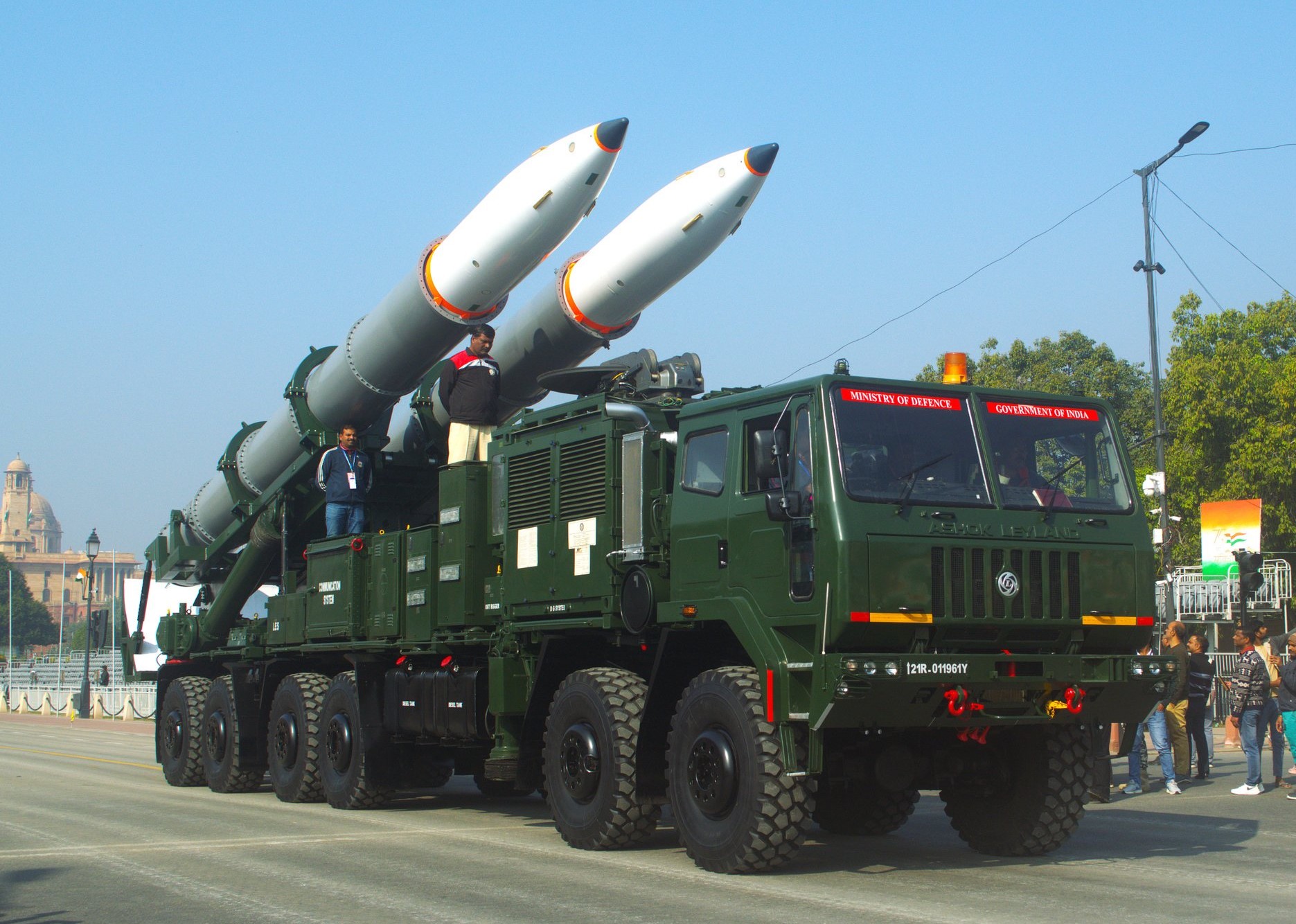
 Pralay missile on Kartavya Path during Republic Day celebration. (Photo: X)
New Delhi: In a structural shift with far-reaching consequences for India’s defence industry, the Ministry of Defence has thrown open the production of indigenous tactical missiles to private companies. This move dismantles the near-exclusive dominance that Bharat Dynamics Limited (BDL) has long enjoyed in this critical segment.
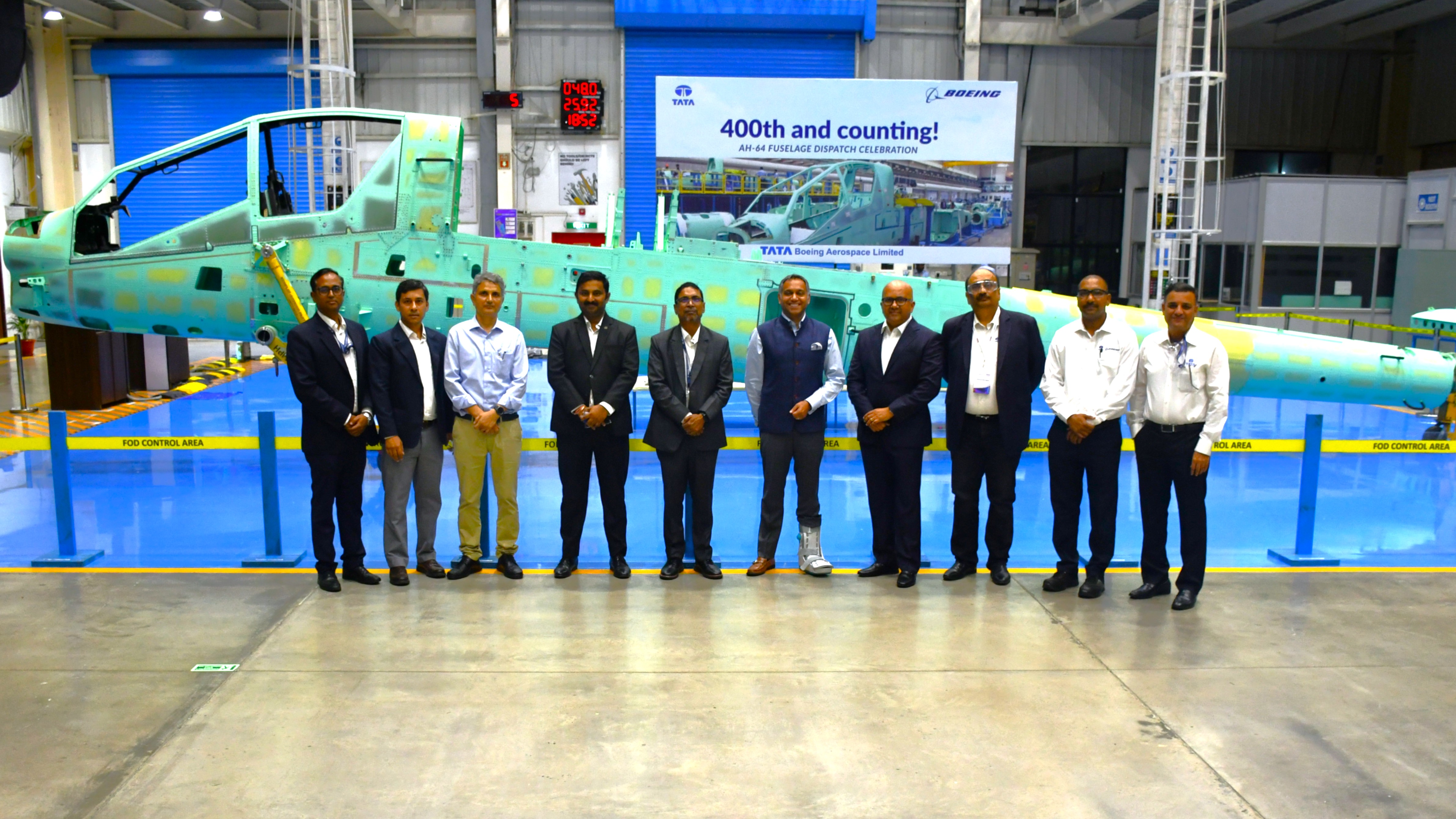
As India Sentinels reported earlier, the move follows an earlier decision to end Hindustan Aeronautics Limited’s (HAL) monopoly in aerospace manufacturing – suggesting a deliberate, sequenced effort by the defence ministry to inject competitive pressure into sectors that have historically been the preserve of a handful of public sector undertakings. The shift is designed both to widen India’s defence industrial base and to address the armed forces’ rapidly growing appetite for precision strike systems.
On May 12, the defence secretary, Rajesh Kumar Singh, spoke about allowing the private sector to manufacture ballistic missiles as part of a broader push to reshape the country’s defence industrial base and sharply grow its weapons exports.
He spoke about it at the Confederation of Indian Industry (CII) Annual Business Summit 2026 in New Delhi on Tuesday. He said there was a growing “willingness to transfer technology to the private sector for various types of ballistic missiles” and that “the time has come” to act on it.
Read also: DRDO, IAF successfully test-fire Rudram-2 missile from Su-30MKI
The Defence Research and Development Organisation (DRDO) has distributed between 10 and 12 tactical missile development projects among public and private sector companies, with allocations made on the basis of each firm’s technological and manufacturing capabilities – a departure from the earlier practice of routing nearly all such work through BDL.
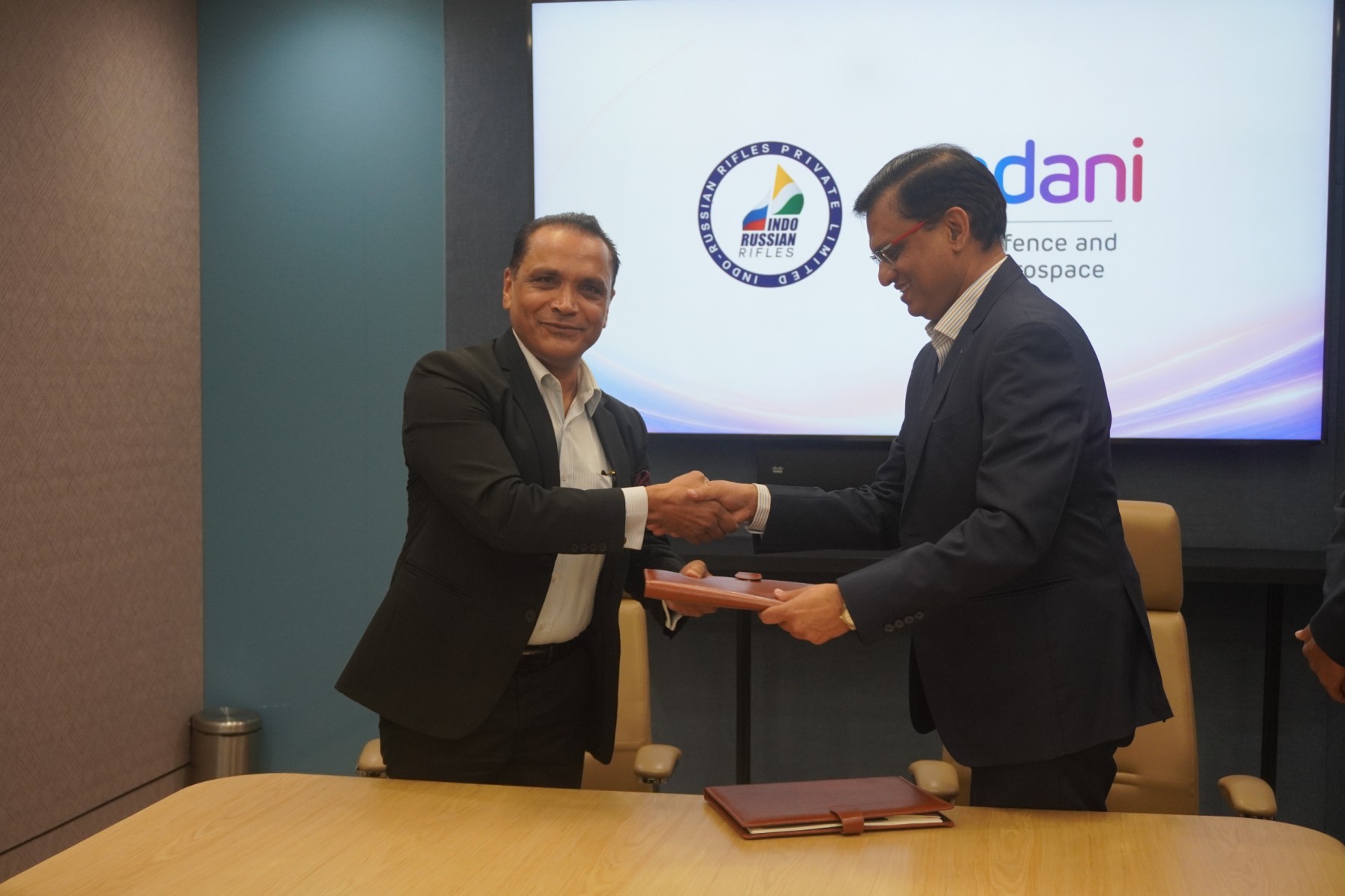
However, the reform does not push BDL out of the picture. Alongside private firms, BDL and Bharat Electronics Limited (BEL) have also been contracted for the same missile projects. In some programmes, BDL is partnering with private companies, reflecting a hybrid model of cooperation rather than exclusion.
The stated objectives are to accelerate missile development, expand production capacity, and create fair competition within the Indian defence industry. The initiative is framed as part of the broader Atmanirbhar Bharat (self-reliant India) push and is aligned with the anticipated Defence Acquisition Procedure (DAP) 2026.
The missiles in focus
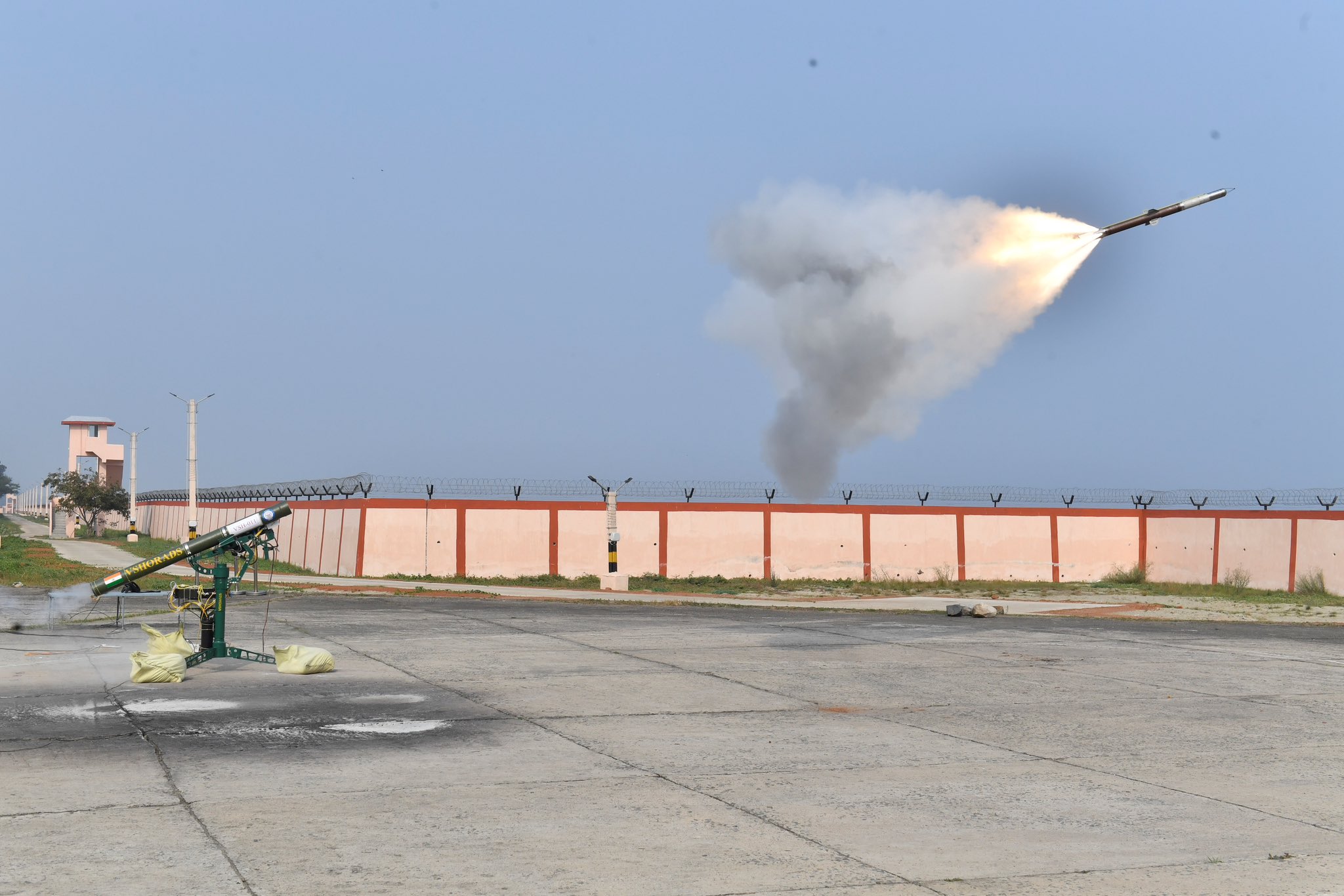
Among the projects involving private industry is the naval anti-ship missile – short range (NASM-SR), India’s first indigenous helicopter-launched anti-ship missile, and the Rudram series of supersonic and hypersonic air-to-surface ground attack and anti-radiation missiles. Other programmes include the very short-range air-defence system (VSHORADS), a fourth-generation man-portable air-defence system; the long-range glide bomb (LRGB), a 1,000kg-class air-to-ground smart weapon; and the UAV-launched precision guided missile (ULPGM-V3).
Read also: BrahMos deal with Vietnam signed, Indonesia close to agreement
Among the more advanced systems under production, the Pralay missile completed user evaluation trials in December 2025, demonstrating precision strike capability against targets at ranges between 150 and 500 kilometres. BDL and BEL are jointly participating in its production. Pralay is a conventionally armed, quasi-ballistic surface-to-surface missile developed by DRDO’s Defence Research and Development Laboratory (DRDL) in Hyderabad, and is seen as a key asset for deep-strike operations.
Industry sources note that recent global conflicts have raised the profile of tactical missiles in modern warfare, with India’s armed forces – previously reliant on imports for such systems – now seeking home-grown solutions to ensure operational independence. The operational experience gained during Operation Sindoor in 2025, which underscored the primacy of stand-off precision strike capability in contemporary conflict, has further reinforced this urgency at the policy level.
Ballistic missiles could be next
Beyond tactical missiles, the ministry is also considering opening ballistic missile manufacturing to the private sector. The defence secretary, Rajesh Kumar Singh, had recently stated that the time has come to involve private industry in ballistic missile production, signalling a broader transformation of India’s defence industrial base.
The policy shift is also expected to support future discussions on raising a dedicated rocket or missile force capable of delivering coordinated long-range precision strikes. The idea of a separate missile or rocket force, along the lines of China’s People’s Liberation Army – Rocket Force, has been debated in Indian strategic circles for years; the expanding private sector role in missile production could lend that conversation renewed momentum.
Follow us on social media for quick updates, new photos, videos, and more.
X: https://x.com/indiasentinels
Facebook: https://facebook.com/indiasentinels
Instagram: https://instagram.com/indiasentinels
YouTube: https://youtube.com/indiasentinels
© India Sentinels 2026-27