 Neeraj Thakur
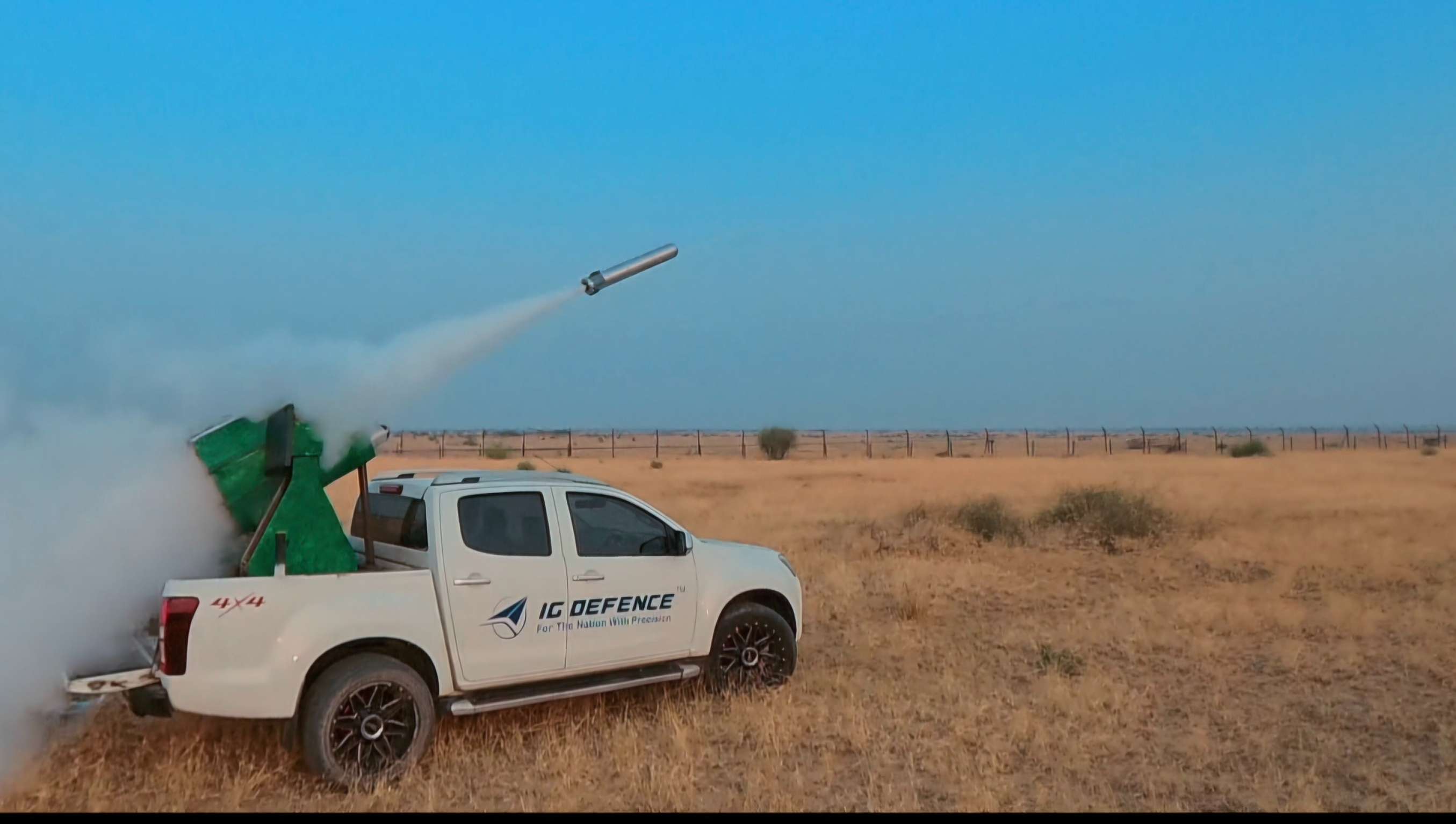
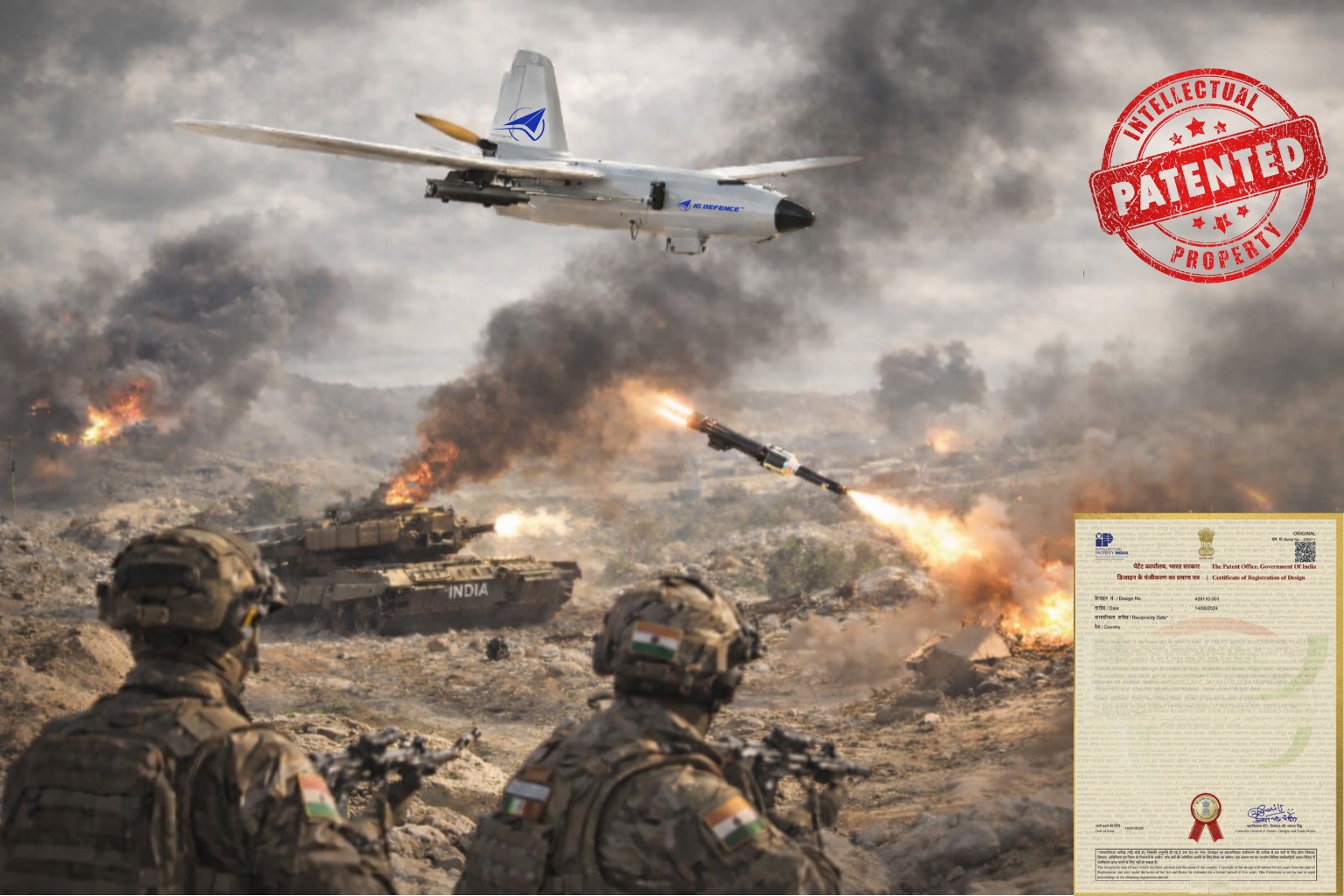
New Delhi: IG Defence, a Noida-headquartered defence technology company, has flight-tested what it describes as India’s first private-sector, artificial intelligence (AI)-enabled autonomous micro-missile system. The Jwala Mk-1 was fired at the Pokhran field firing ranges in Rajasthan, the company announced on Monday, November 23.
Jwala Mk-1 is a surface-to-air counter-unmanned aircraft system (CUAS). It is designed to detect, identify and classify hostile unmanned aerial vehicles (UAVs), and then destroy them by physical impact, a method known as hard-kill.
According to the company, its engagement envelope extends from 50 metres to 5,000 metres and covers cruise as well as higher-altitude aerial targets.
Cost the central argument
The pitch rests on cost. Air-defence systems built around expensive interceptors are poorly matched to cheap drones, whether small attack platforms, surveillance UAVs or other unmanned craft. IG Defence says Jwala is a compact weapon that could be more economical to use against such threats. No cost figures have been released.
The missile is integrated with GRID, the company’s proprietary AI-based mission autonomy and battle management system. IG Defence says GRID coordinates the full kill chain, from sensor integration and target detection to classification, decision-making and engagement.
The sensor-to-shooter approach is meant to shorten response time against low-flying drones, which leave little time to identify and engage them.
What the company said
The founder and chief executive officer of IG Defence, Bodhisattwa Sanghapriya, called the trial a defining moment for India’s private defence industry. He said it showed that domestic firms could design and develop sophisticated weapon systems.
“Our vision is to build indigenous defence systems where hardware and software are developed together, with autonomy and intelligence at their core,” he said. India, he added, must not simply manufacture weapons but build the intelligence, technology and integrated systems behind the future battlefield.
The associate vice-president of IG Defence, Wing Commander Anoop Sharma (retd), said modern militaries could no longer overlook the challenge of countering low-cost drones with costly conventional systems. India, he said, needed indigenous, reliable and affordable answers that could be deployed at scale.
Road to the flight test
The trial follows a series of milestones. IG Defence first displayed Jwala publicly at the North Tech Symposium in Prayagraj in May 2026, according to an industry portal. On October 3, 2026, the company test-fired two solid rocket motors for the programme at about 4am. It then described the test as an early step in a longer development process.
The company’s published specifications list a dual-pulse solid rocket motor with fin control. This design gives rapid acceleration at launch and extra speed in the final phase of an engagement.
In October, the company said it had developed most of the missile’s major components, including the seeker and target-acquisition elements, avionics, warhead and electronic subsystems.
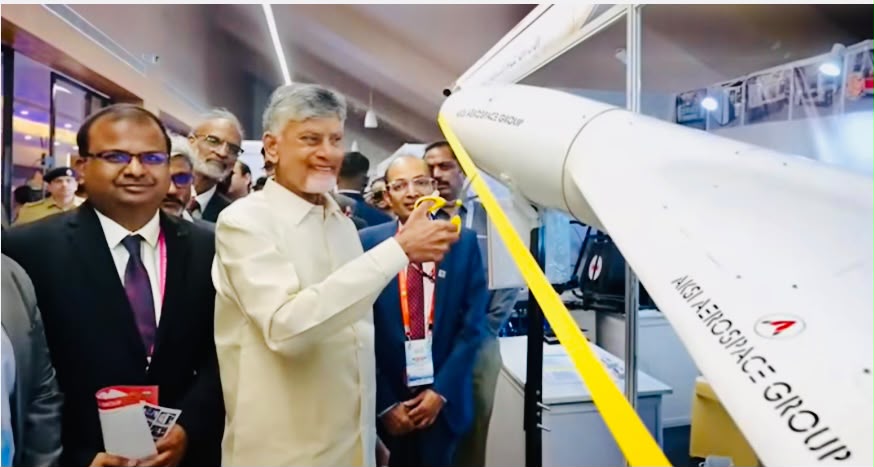
On November 14, IG Defence signed a memorandum of understanding (MoU) with the Andhra Pradesh government for a missile development and manufacturing complex on a 200-acre site at Nellore. It is to produce Jwala and propulsion systems. The agreement was signed in the presence of the state’s information technology minister, Nara Lokesh, and the Union civil aviation minister, Kinjarapu Ram Mohan Naidu. The complex will also house GRID Forge, the company's software-defined manufacturing system.
Layered counter-drone approach
JWALA is the second counter-drone system IG Defence has shown. It earlier demonstrated T-SHUL BEAM, an electronic countermeasure-based soft-kill system, at the Air Force’s Dronathon 2026 exercise in Pokhran. Electronic countermeasures disrupt or disable a drone without destroying it. Jwala offers a hard-kill option. Together, the two could allow military formations to match their response to the nature and severity of a threat.
Wider context
Drones now feature across military operations, from surveillance and target acquisition to precision strikes and coordinated swarm attacks. Recent conflicts, particularly in West Asia, have also shown how quickly modern wars consume missiles and munitions. Sanghapriya has argued that the ability to manufacture and replenish weapons is as important as technological superiority.