Mumbai: Air Marshal Ashutosh Dixit, the chief of integrated defence staff, has said that India's ability to prevail in future conflicts will depend not only on the sophistication of its fighter aircraft or warships but on the strength of its artificial intelligence capabilities, cyber operations, autonomous systems, drone fleets, advanced electronics and the resilience of its industrial base.
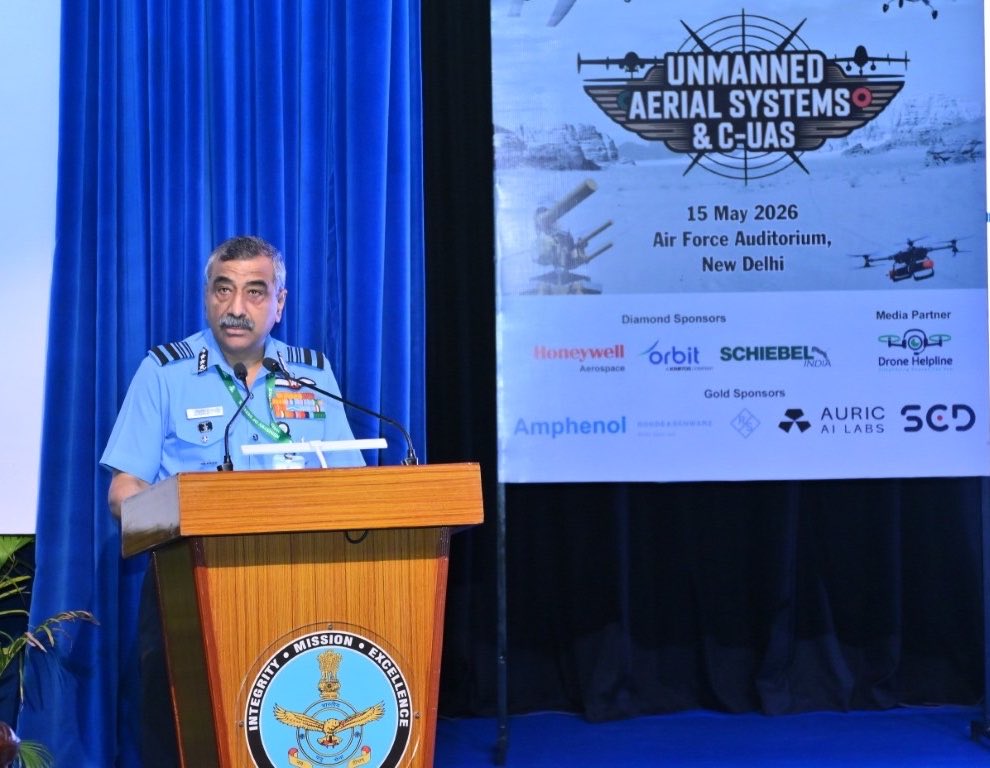
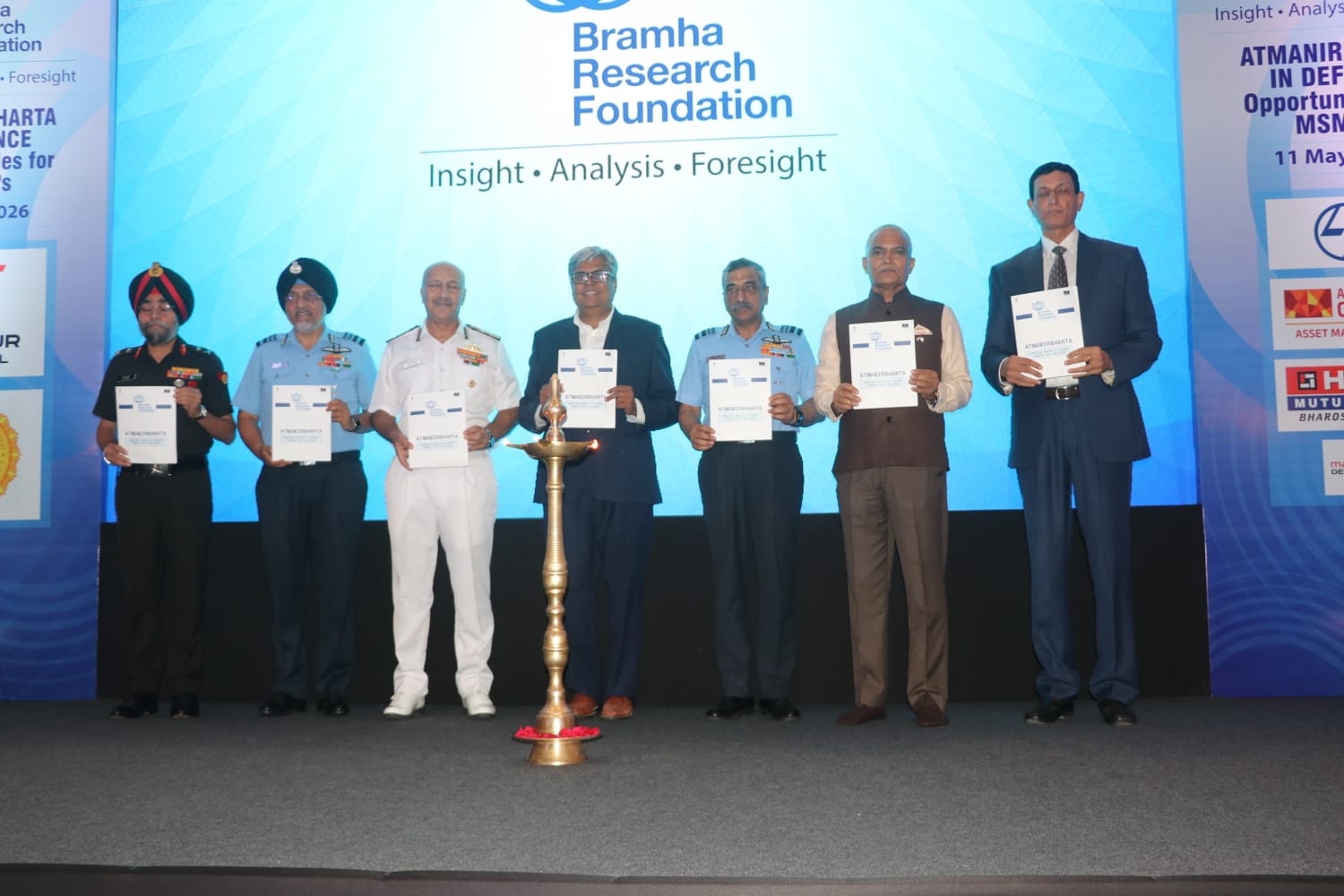
Dixit was delivering the inaugural keynote address at a day-long conclave on 'Atmanirbharta in Defence – Opportunities for MSMEs', organized by the Brahma Research Foundation (BRF) in Mumbai with the support of the Indian Navy. The event, held on May 7, 2026, coincided with the first anniversary of Operation Sindoor.
Operation Sindoor was launched on May 7, 2025, in response to a terrorist attack in Jammu and Kashmir’s Pahalgam that killed 26 people.
The Indian Air Force, using loitering munitions and precision-guided weapons supported by artillery, struck nine terror-related sites in Pakistan and Pakistan-occupied Kashmir.
The operation is widely seen as the most significant military action India has taken across the Line of Control in decades, and its conduct – marked by the extensive use of domestically developed systems – has since become a recurring reference point in discussions about India's indigenous defence capability.
Dixit described the operation as a defining demonstration of India’s growing indigenous military capability and strategic resolve. He stressed that future warfare would be shaped by strategic superiority rooted in resilient supply chains, rapid innovation, scalable manufacturing and robust participation from micro, small and medium enterprises – collectively referred to as MSMEs.
“The future of warfare will be defined by strategic superiority rooted in resilient supply chains, rapid innovation, scalable manufacturing capabilities, and robust MSME participation.”
Dixit cited significant shifts in India’s defence industrial posture. The country’s defence exports have crossed ₹39,000 crore, while defence projects worth over ₹5 lakh crore approved in recent years carry a specific mandate for Indian-made systems.
He urged MSMEs to evolve from being conventional vendors into long-term strategic partners embedded in the national security architecture.
India’s defence export target, set at ₹50,000 crore by 2029, reflects a broader shift in government policy. The country has historically been among the world’s largest arms importers, but successive governments have prioritized indigenization through schemes such as the Defence Acquisition Procedure, dedicated defence corridors in Uttar Pradesh and Tamil Nadu, and the iDEX (Innovations for Defence Excellence) framework – a start-up incubation initiative that has attracted hundreds of firms since its launch in 2018.
Maharashtra pitches itself as a defence manufacturing hub
Deependra Singh Kushwaha, the development commissioner for industries and chairman of MAITRI – Maharashtra’s industry facilitation body – used the conclave to position the state as a major centre for defence manufacturing.
He said Maharashtra accounts for roughly 30 per cent of national weapons production and hosts more than 190 defence-related start-ups, and outlined plans for dedicated Raksha Corridors in the state designed to compete with those already established in Uttar Pradesh and Tamil Nadu.
Vice Admiral Atul Anand, additional secretary in the department of military affairs, outlined funding mechanisms available to MSMEs seeking to enter the defence sector.
He pointed to iDEX and the Technology Development Fund as channels for financing work in areas including artificial intelligence and quantum technologies – fields the government has identified as critical to future military capability.
Industry voices: integration, scale and agility
Industry representatives at the conclave offered perspectives on where smaller firms could realistically plug into the defence supply chain.
Arun Ramchandani of Larsen and Toubro emphasized the importance of integrating MSMEs into research and development pipelines rather than limiting them to component fabrication.
Biju George of Mazagon Dock Shipbuilders said the company currently works with around 200 MSMEs on naval programmes.
Jitendra Gavankar of Safran India spoke about pathways for indigenization that do not require cutting ties with global technology networks, while Khalil Rahman of TKMS India, a German submarine and naval systems manufacturer with an Indian subsidiary, cited the agility of smaller firms as an underappreciated advantage in rapid procurement cycles.
Air Marshal Tejinder Singh separately highlighted the particular potential for MSMEs in drones, cyber defence and maintenance, repair and overhaul – known in the sector as MRO – as the character of warfare continues to shift away from legacy platform-centric models.
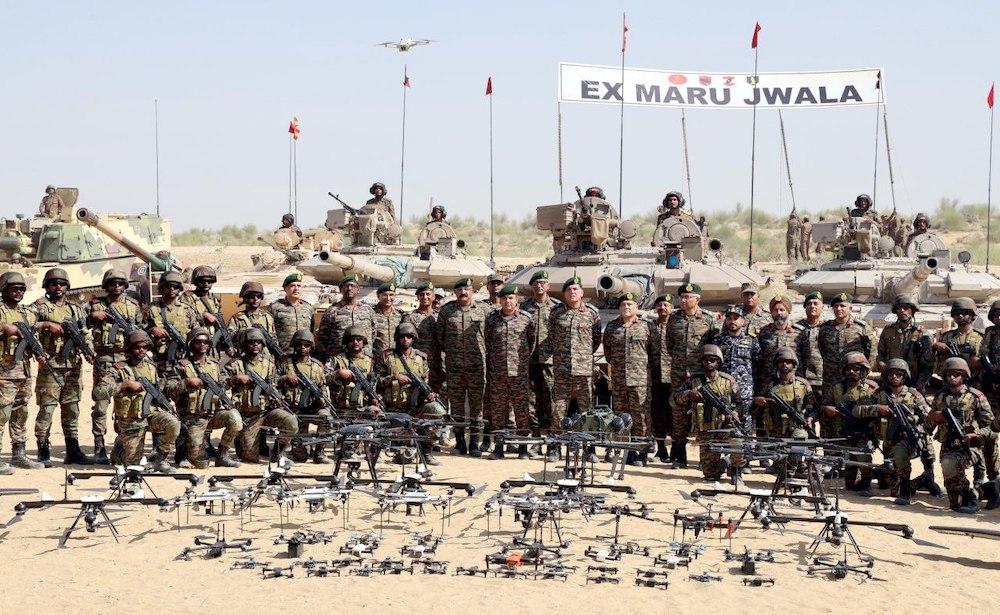
The growing use of low-cost armed drones in conflicts from Ukraine to West Asia has drawn attention to the need for India to build domestic production capacity at scale, a gap that smaller manufacturers are considered well-placed to help fill.
Paresh Page, director of the Brahma Research Foundation, estimated total MSME-accessible opportunities across the defence sector at ₹10 lakh crore, encompassing electronics, platforms, software, logistics and services. The figure, while aspirational, reflects the scale of India’s planned defence modernization over the next decade.
The conclave underscores a broader push by the Indian government to reduce dependence on foreign arms suppliers.
According to the Stockholm International Peace Research Institute, India remained one of the world’s top three arms importers for much of the past decade, even as domestic procurement targets rose.