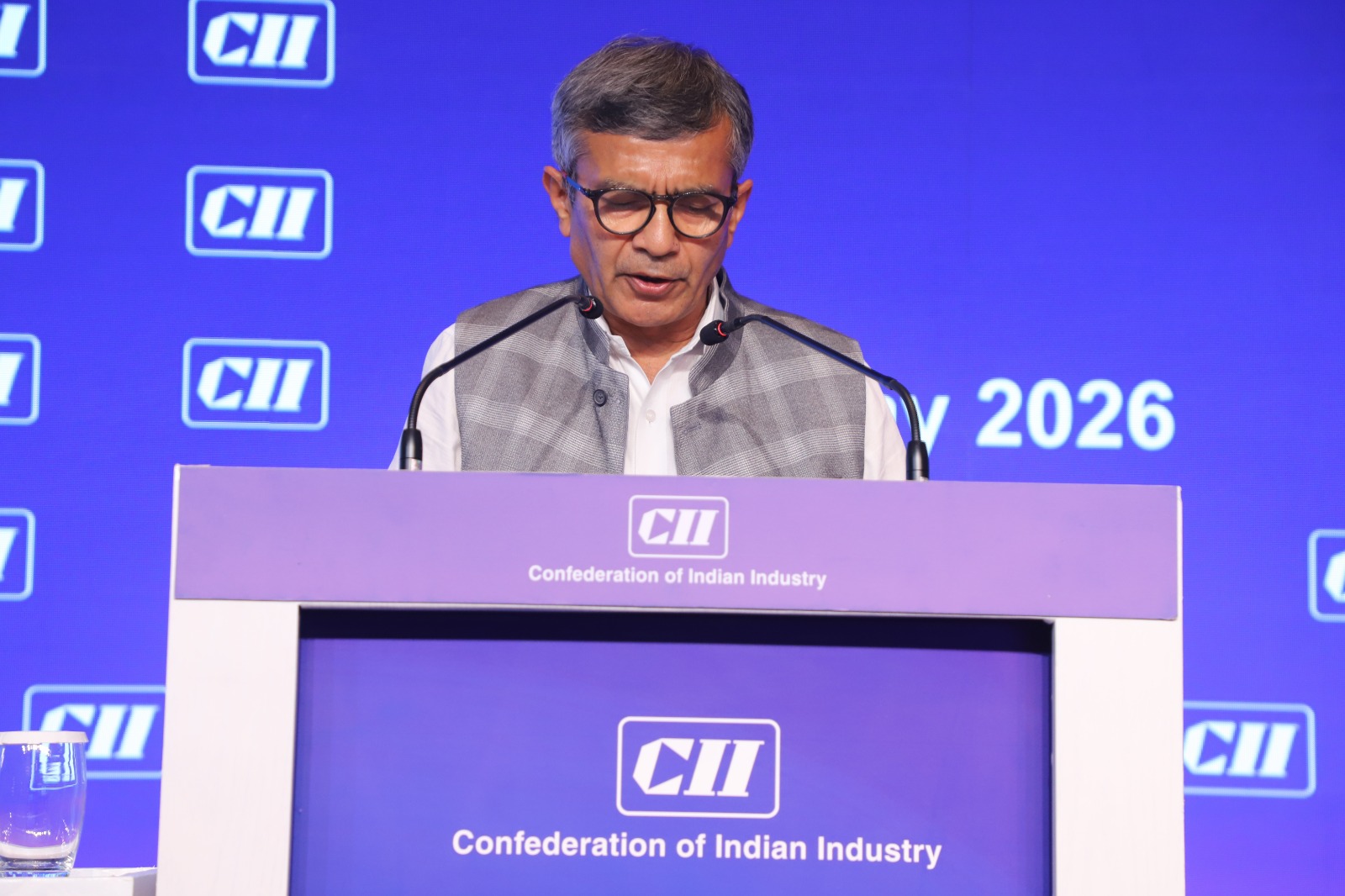
 Defence secretary Rajesh Kumar Singh at CII Annual Business Summit 2026 in Delhi (Photo: CII)
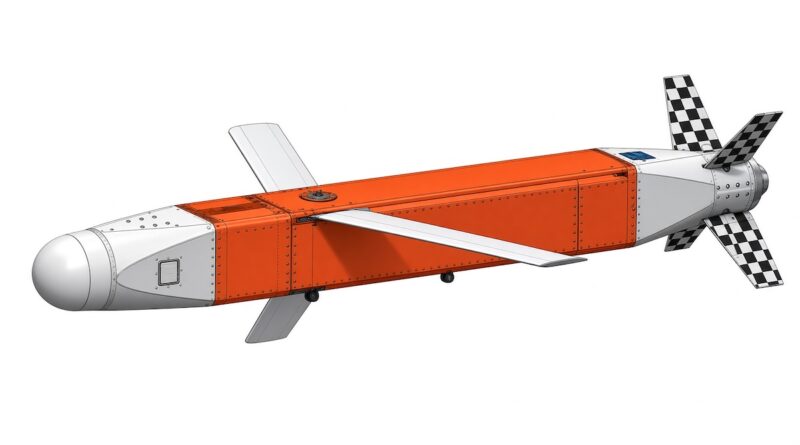
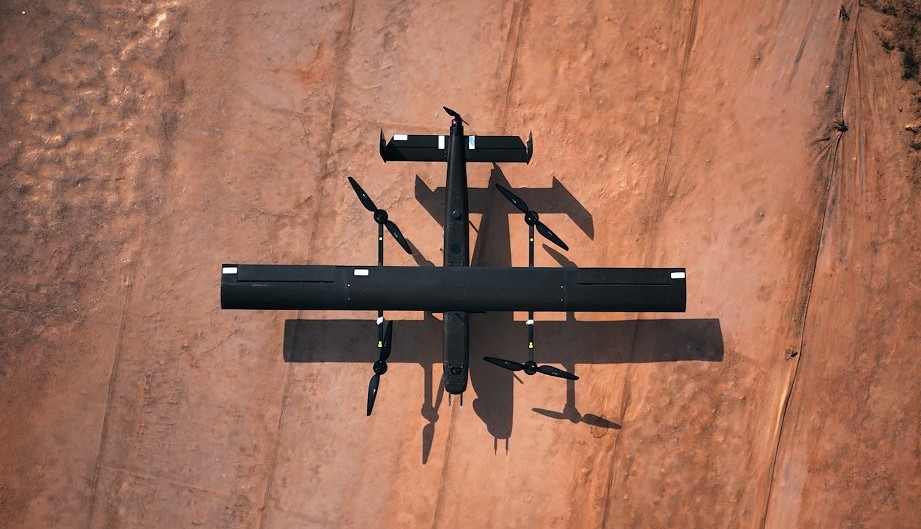
New Delhi: India is moving to allow private companies to manufacture ballistic missiles, a domain long reserved for state-owned defence public sector undertakings. This is as part of a broader push to reshape the country’s defence industrial base and sharply grow its weapons exports.
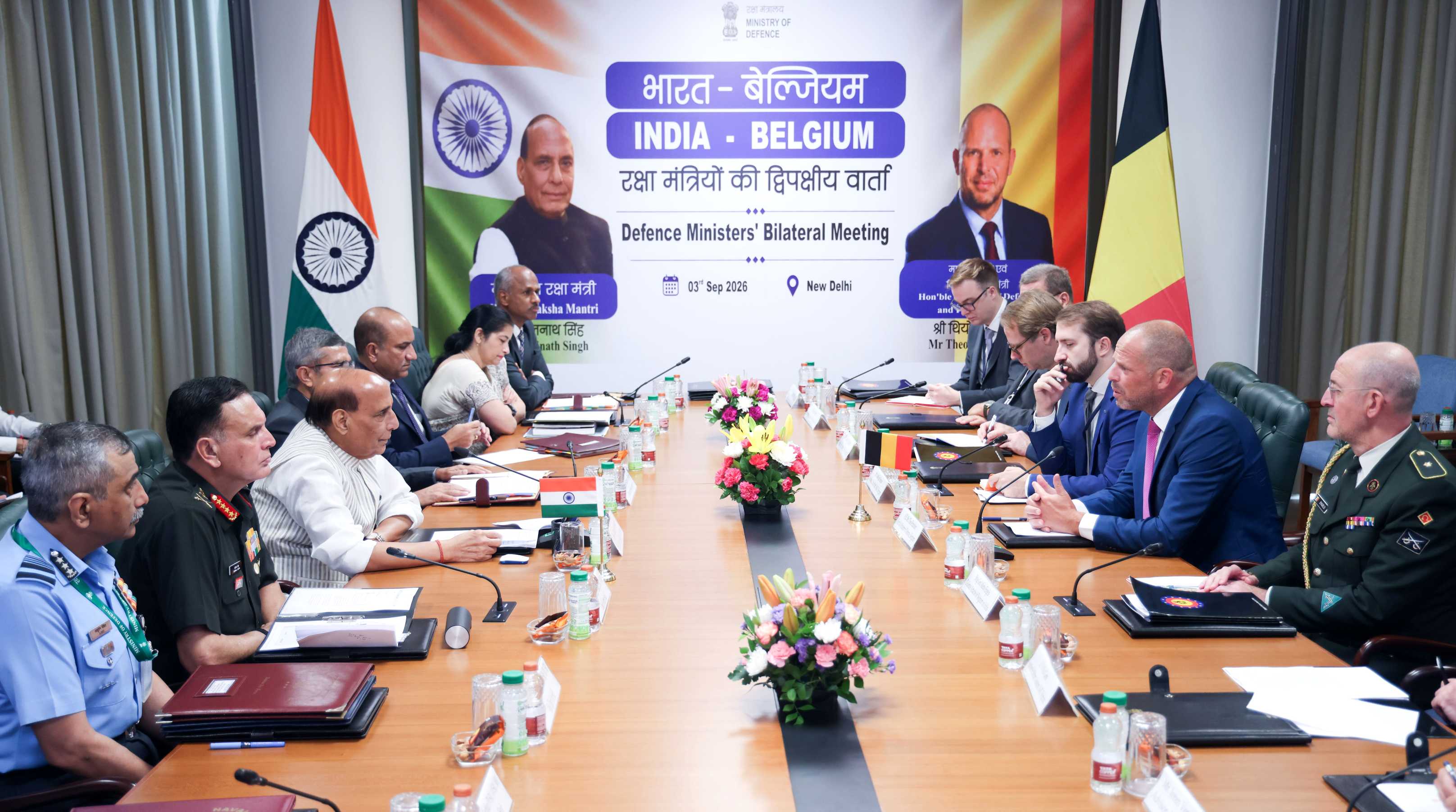
The defence secretary, Rajesh Kumar Singh, spoke about it at the Confederation of Indian Industry (CII) Annual Business Summit 2026 in New Delhi on Tuesday. He said there was a growing “willingness to transfer technology to the private sector for various types of ballistic missiles” and that “the time has come” to act on it.
“I think you will see steps being taken by the government to ensure that we have sufficient private sector involvement in that space as well,” Singh told an audience of industry leaders, senior armed forces officers, and policy stakeholders at a session themed “Geostrategy, Supply Chains and Strategic Resilience: The New Imperative”.
The announcement follows a parallel decision to open India’s fifth-generation fighter jet programme to private participation.
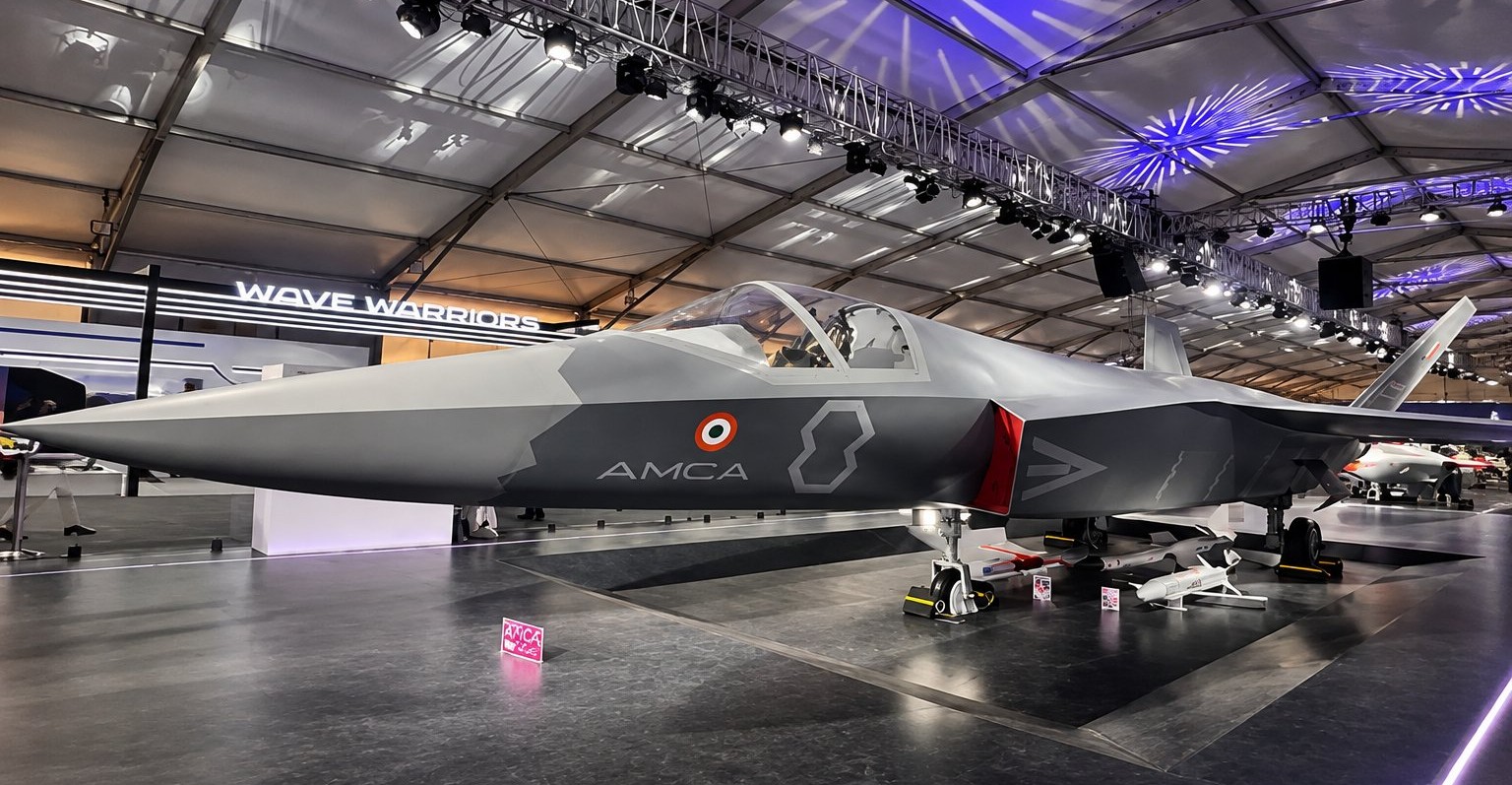
Three parties – two combining public and private sector entities and one entirely private – have been shortlisted to produce the advanced medium combat aircraft (AMCA), a stealth combat jet being developed by the Defence Research and Development Organisation (DRDO).
Singh said the parties were expected to receive request-for-proposals within a month.
“Hopefully, we will end up with a production line which is, in addition to what HAL does, and it will create the kind of healthy combination that this country needs to build its aerospace industry at a large scale,” he said, referring to Hindustan Aeronautics Limited, the state-run aircraft manufacturer that has historically dominated Indian military aviation production.
Shifting rules: DAP 2026
Both ballistic missile production and the AMCA programme had until now been the exclusive preserve of defence public sector undertakings (DPSUs). The move to open them up aligns with the Draft Defence Acquisition Procedure (DAP) 2026, released by the ministry of defence earlier this year.
The draft document proposes amendments to the procurement manual that has been in place since 2020 and explicitly provides for a level playing field between public and private defence manufacturers.
The country’s ballistic missile inventory, includes the Agni series of long-range missiles, which form the backbone of its nuclear deterrent, as well as the Prithvi and BrahMos systems.
Production of these has so far been handled by entities such as Bharat Dynamics Limited (BDL) and the DRDO’s network of laboratories. Extending manufacturing rights to private firms would mark a significant departure from decades of policy.
Export surge and Vision 2047 targets
The defence secretary cited recent export figures to underscore the momentum. India’s defence exports reached ₹38,424 crore in the financial year 2025-26, a rise of 62.66 per cent over the previous year – a record that the government has been keen to project as evidence of its ‘Make in India’ defence push gaining real traction.
DPSUs accounted for 54.84 per cent of that figure, with the private sector contributing the remaining 45.16 per cent.
The longer-term ambitions are considerably more pronounced. Under the Defence Forces Vision 2047 – framed around the slogan “Atmanirbhar, Agrani, and Atulya Bharat” (self-reliant, leading, and incomparable India) – the ministry is targeting a defence production output of ₹8.8 lakh crore and exports of ₹2.8 lakh crore, which would place India among the world’s top three defence exporters.
The vision also calls for the national defence budget to grow at 20 per cent annually over the next 21 years.
RK Singh also said that in the 18 months since he took charge as defence secretary, contracts worth ₹4.5 lakh crore had been awarded to industry, with 70 per cent of the value and 90 per cent of the total number of contracts going to domestic firms.
Pointed message to industry
Singh used the occasion to deliver a direct message to the assembled business leaders: stop filing complaints against one another. Inter-company disputes, he said, were slowing down the acquisition process and damaging the credibility of the private defence sector as a whole.
He also reiterated his standing demand that companies honor delivery timelines, a subject he has raised repeatedly in public forums.