 Long-range maritime reconnaissance P8I
New Delhi: The Indian Navy on Wednesday marked the Golden Jubilee of its long-range maritime reconnaissance (LRMR) operations, which coincides with 50 years since the commissioning of Indian Naval Air Squadron (INAS) 312, known as the ‘Albatross’.
The squadron was commissioned on November 18, 1976, at INS Hansa in Goa. It began with five Lockheed Super Constellation aircraft transferred from the Indian Air Force. The Navy’s claim to the long-range patrol role grew out of the 1971 war with Pakistan, which showed the need for shore-based patrol aircraft that could work alongside ships and helicopters.
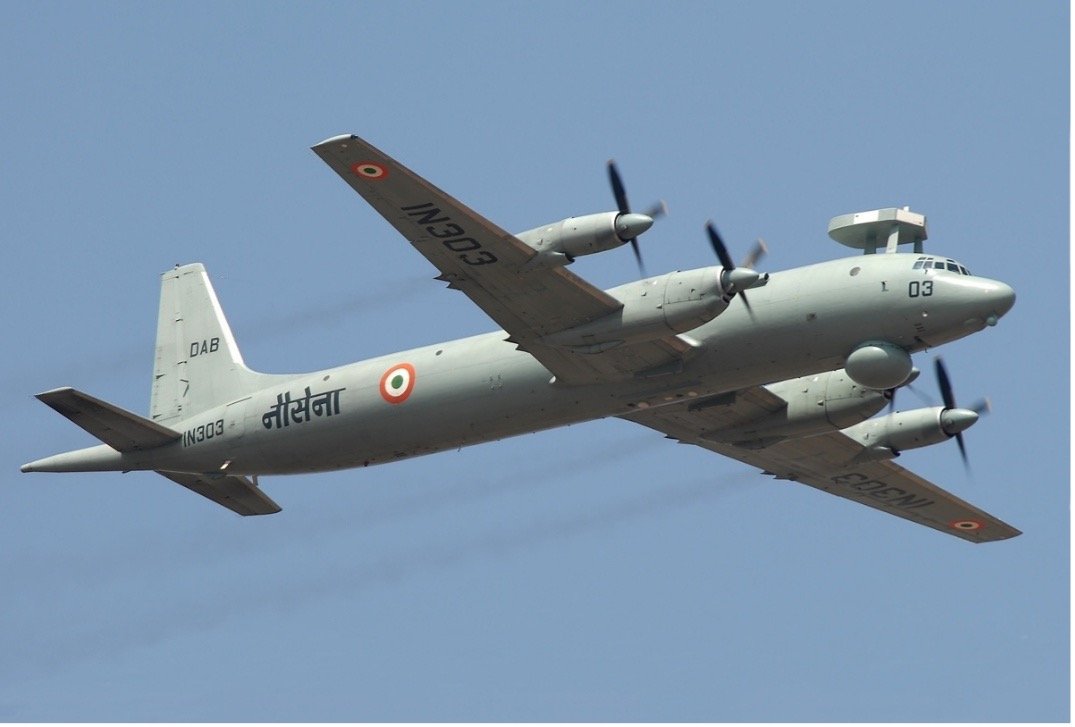
The fleet then changed with the technology of each era. The Soviet-origin Ilyushin Il-38 arrived in 1977, adding anti-submarine warfare capability. The Tupolev Tu-142M joined INAS 312 in 1988 and extended the Navy’s patrol range across the Indian Ocean Region. The Tu-142M was retired in March 2016 after 29 years of service.
The Boeing P-8I entered service at INS Rajali, Arakkonam, in Tamil Nadu, in 2013. The aircraft was built to Indian requirements and brought wide-area surveillance, anti-submarine warfare and maritime strike capabilities. INAS 312 now operates from Rajali, while INAS 316 flies the same type from INS Hansa. The Navy has 12 P-8Is, eight ordered in 2009 and four in 2016.
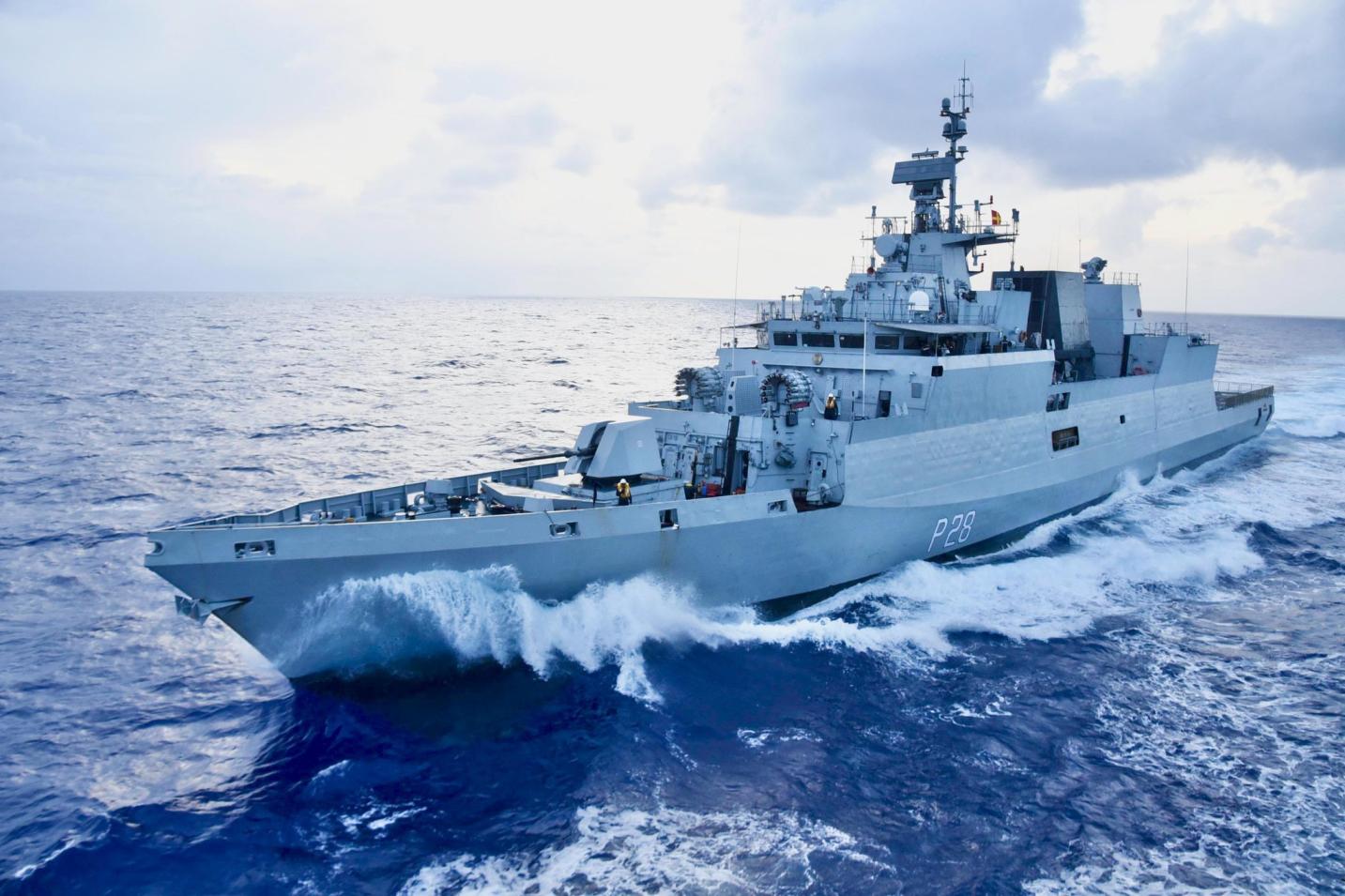
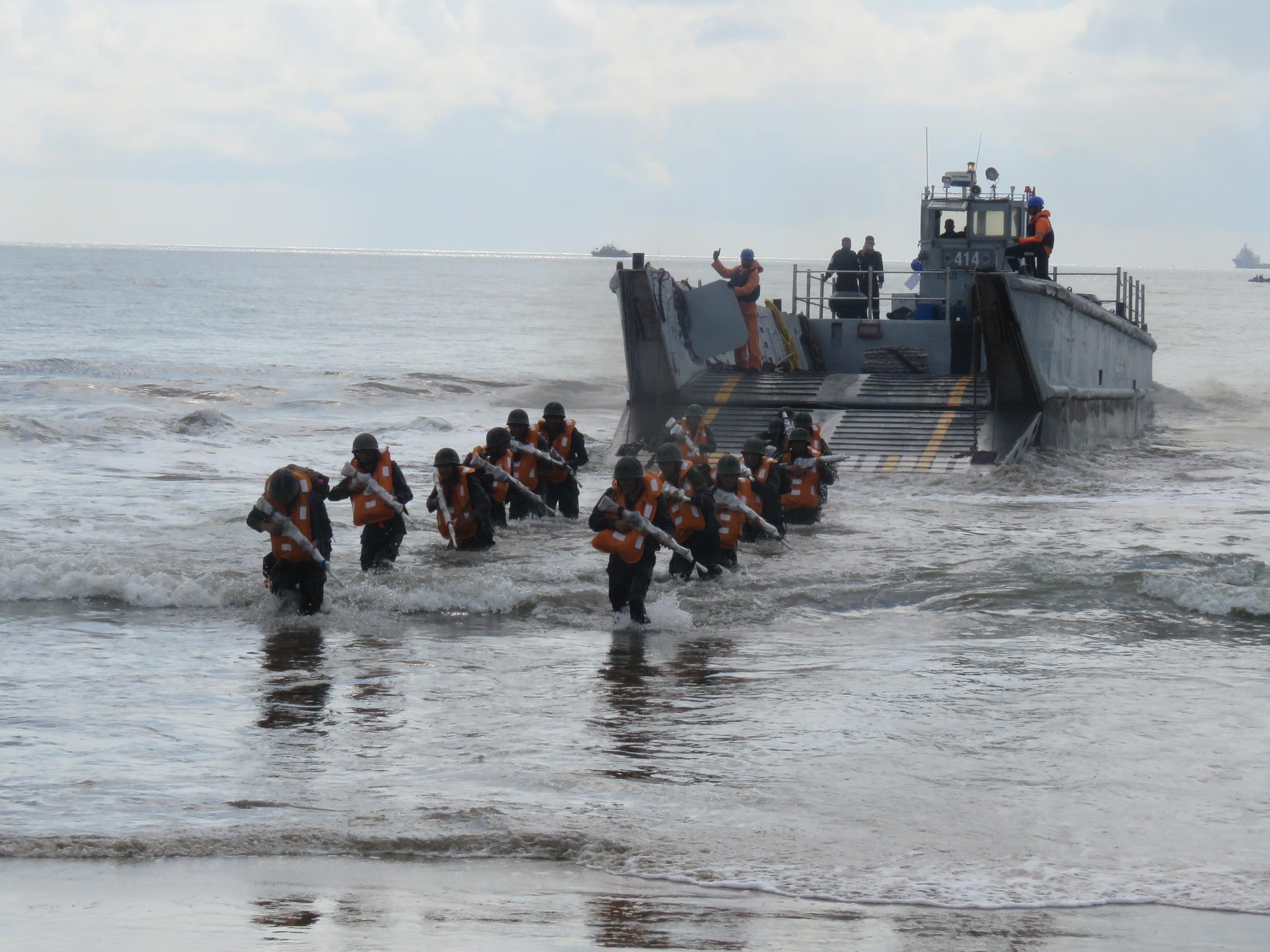

The Navy said the long-range patrol aircraft have supported several major operations. These include Operation Cactus, launched to prevent a coup in the Maldives; Operation Vijay during the Kargil conflict in 1999; Operation Parakram, launched in December 2001 after the attack on Parliament; and Operation Sindoor in May 2025. The aircraft also fly anti-piracy patrols and search-and-rescue missions.
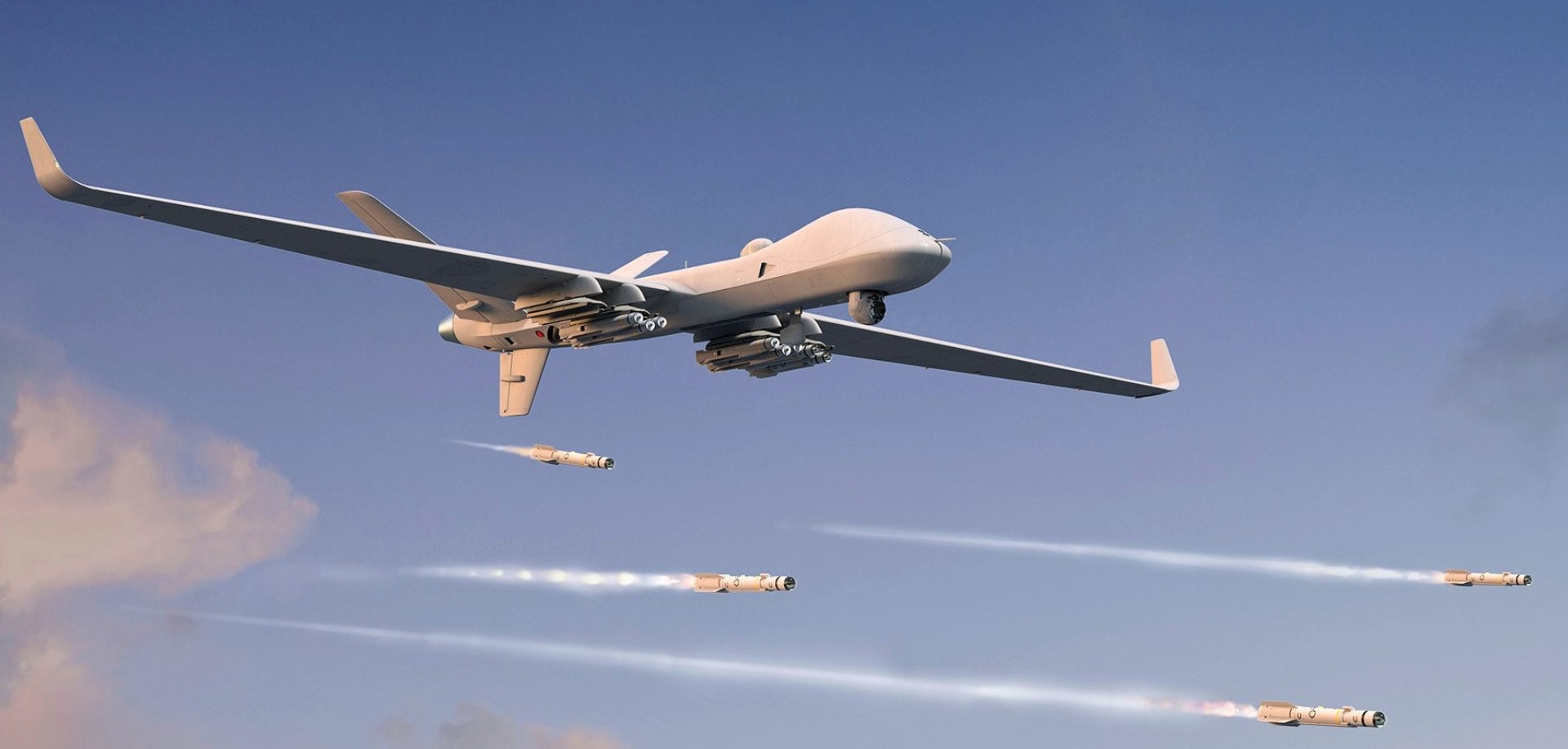
Over the years, aircraft have been joined by long-range drones and dedicated satellites. Together, the three give naval commanders a composite picture of activity at sea.
The economic stakes are considerable. Around 85-90 per cent of India’s crude oil and about half of its natural gas arrive by sea. Shipping lanes through the Strait of Hormuz and the Bab-el-Mandeb are under stress.
In a statement, the Navy said the Golden Jubilee honours the naval aviators, mission crews, maintainers and support personnel who built and sustained the capability.
The anniversary comes as New Delhi looks to expand the force. The Defence Acquisition Council cleared the purchase of six more P-8I aircraft on February 12, 2026, which would raise the fleet to 18. Reports have put the estimated value of the deal at about $3.5 billion. The proposal had been pending for several years, partly because of cost.
Last month, the defence minister, Rajnath Singh, addressed the Navy Commanders' Conference 2026 and asked the force to upgrade its maritime surveillance architecture. He said growing and more complex maritime traffic demands better analytical capability. He named congestion at sea, deception and grey-zone activities as factors making the domain harder to manage.