 Pakistan launches EO-3 satellite, displays old image of Karachi as new (Photo:
X)
New Delhi: SUPARCO launched its EO-3 satellite – the third and final unit in its PRSC-EO Earth observation constellation – aboard a Long March 6 rocket on April 25, completing a three-satellite indigenous imaging architecture that has been under construction since early 2025.
The launch itself was a genuine achievement. The mission's early narrative, however, was complicated almost immediately by doubts about the origin of a widely shared photograph.
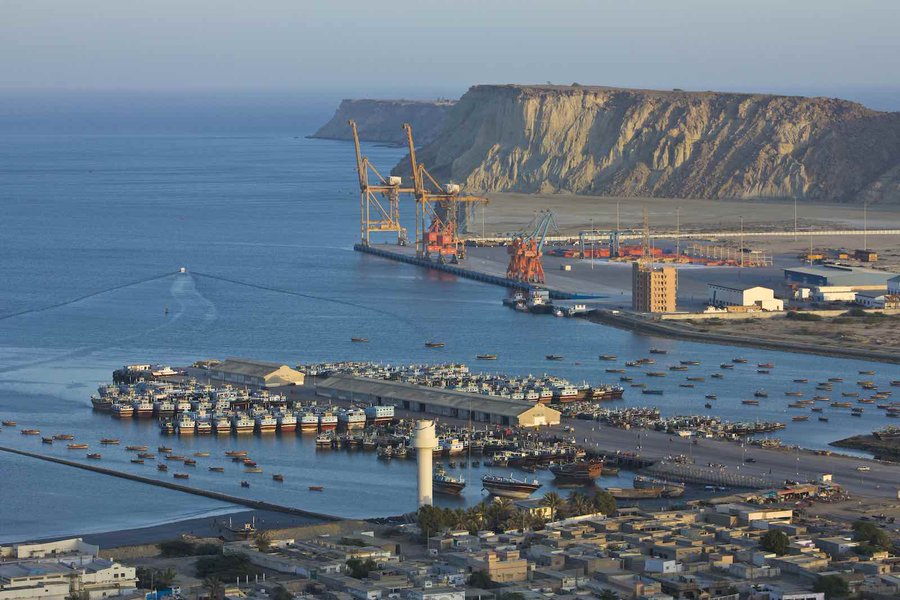
Social media channels with reach inside Pakistan began circulating what they described as EO-3's first image, a photograph of Karachi Port, promoted as the inaugural downlink from the new satellite. The image spread with speed.
It was striking, the framing was compelling, and it arrived at exactly the moment when national pride in the launch was running high. For a news cycle, it was treated as confirmation that EO-3 was not just in orbit but already at work.
A likely fake SUPARCO Facebook page run by a malicious actor circulated doctored imagery suggesting they were linked to Pakistan’s recently launched EO-3 satellite, checks confirm images are outdated or manipulated however content has spread widely among unaware audiences pic.twitter.com/7f98T1R0PP
— Damien Symon (@detresfa_) April 30, 2026
Then SUPARCO's own website told a different story. The image had been published there months earlier in 2025.
It predated the launch. EO-3 could not have captured it. What was being presented as a historic first was an archived photograph, stripped of its original date and redeployed in a new context to extract maximum emotional impact from a real but separate event.
Pakistan has developed something like institutional expertise in allowing false narratives to circulate until they have served their purpose, then retreating from them without formal retraction.
Operation Sindoor gave the world a much larger demonstration of this approach roughly a year earlier. Following Indian strikes on terrorist infrastructure in May 2025, Pakistani officials and state-adjacent accounts spread a stream of fake videos, fabricated images, and false advisories purporting to document the destruction of Indian military assets.
The S-400 air defence system, missile storage facilities, and airfields – the imagery was voluminous, and the claims were specific.
India's Press Information Bureau began systematically documenting and debunking the claims as they appeared. Independent Western open-source intelligence analysts, working from publicly available tools and databases, traced the footage to its actual origins.
Some videos were pulled from entirely unrelated conflicts. Some were years old. And in one particularly high-profile documented case, footage circulated as evidence of destroyed Indian military infrastructure was traced to an army simulation video game – screenshots and gameplay recordings repurposed as real-world evidence of Indian losses.
The collapse of the Operation Sindoor disinformation campaign was more than an embarrassment. It was evidence that Pakistan's information operations have moved beyond isolated incidents into something that looks like standard procedure – producing and distributing fabricated imagery with enough speed and volume to shape the early narrative, even if the fabrication does not survive verification.
The pattern that emerges across both episodes is not primarily about capability – it is about institutional culture. In the Operation Sindoor case, the fabrication appears to have been driven by a desire to offset damaging military optics.
In the EO-3 case, the motivation appears to have been the reverse: amplifying a positive story beyond what the facts could sustain. Different pressures, same response. When the truth is not quite sufficient, produce something that goes further.
That instinct, applied to military information operations, draws international condemnation. Applied to space programme communications, it draws skepticism and mockery. Either way, Pakistan ends up with less credibility than it started with.
The satellite engineers who built EO-3 deserve better than to have their work buried under questions about a photograph that had nothing to do with it.
Disclaimer: The views expressed in the article are the author’s own and don’t necessarily reflect the views of India Sentinels.
Follow us on social media for quick updates, new photos, videos, and more.
X: https://x.com/indiasentinels
Facebook: https://facebook.com/indiasentinels
Instagram: https://instagram.com/indiasentinels
YouTube: https://youtube.com/indiasentinels
© India Sentinels 2026-27