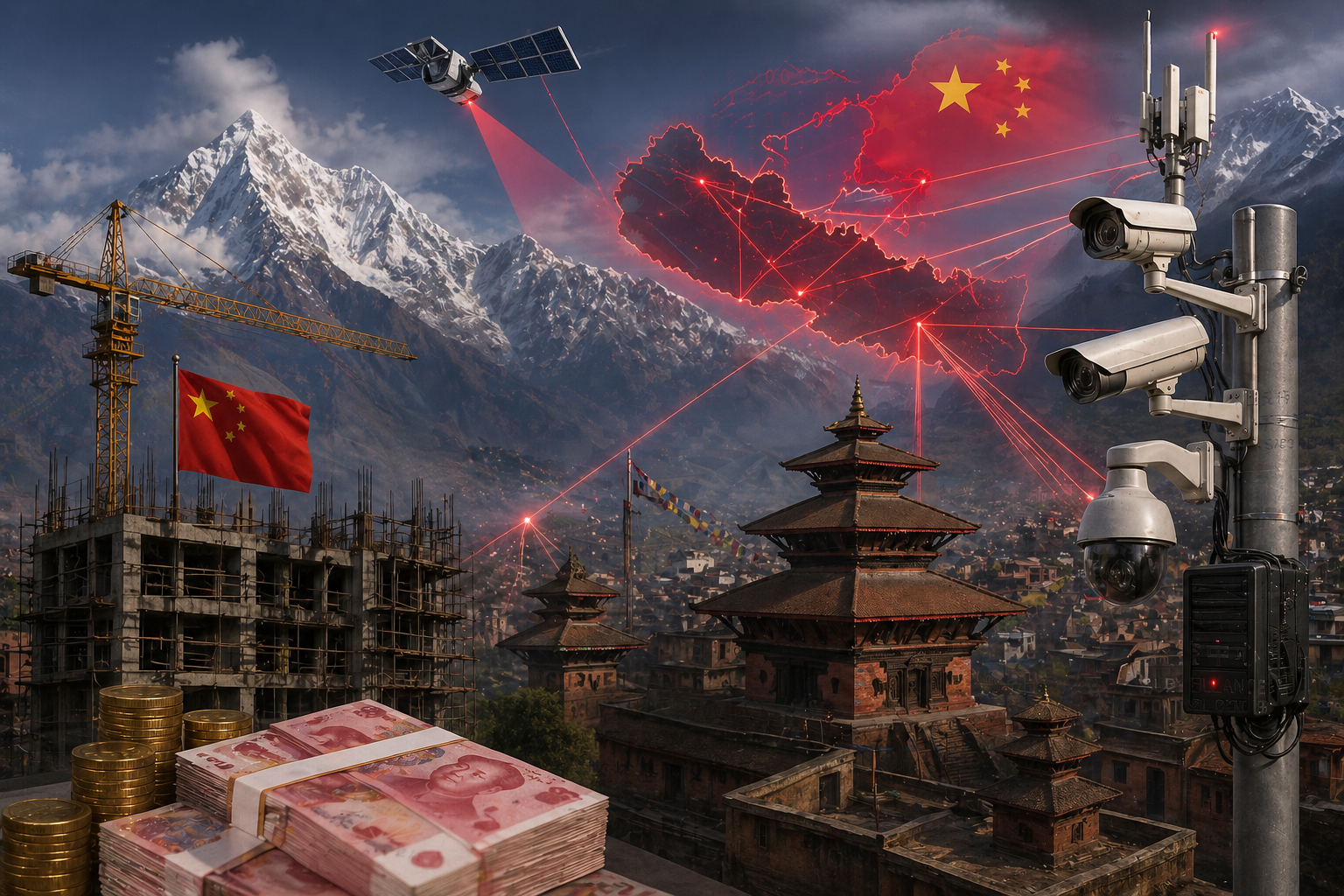
Development assistance is never only about development. This is not a cynical observation, it is a structural one. When a country allocates capital to a neighbour's infrastructure, it is also investing in supply chains, in diplomatic relationships, in political goodwill, and in the terms of future conversations. China's engagement in Nepal reflects all of these simultaneously.
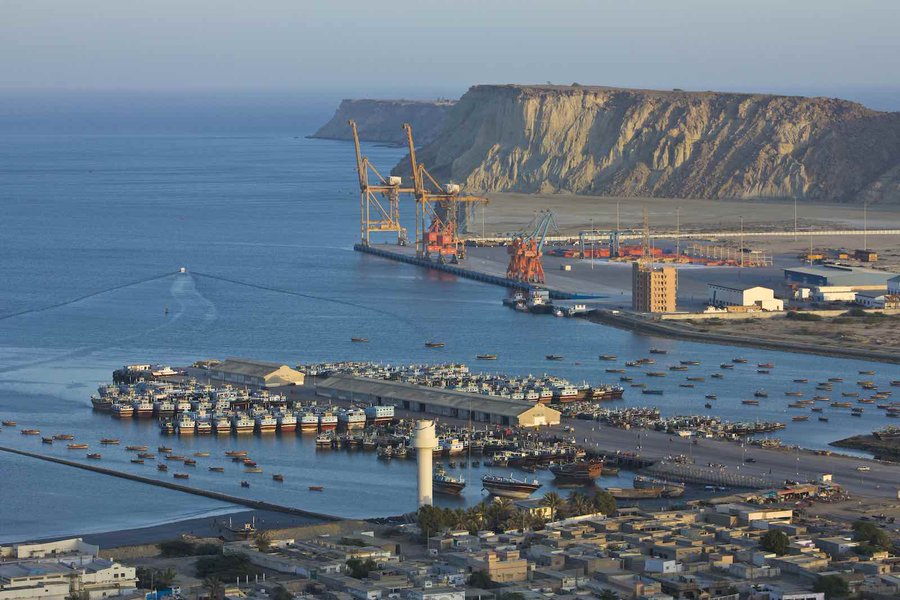
The infrastructure layer of China's Nepal strategy is the most visible: roads, railways, power plants, airports. These are real projects delivering real services to real communities. Pokhara's new airport opened on 1 January 2023, funded by a Chinese Exim Bank loan of approximately $215 million. The road from Kathmandu to the Chinese border at Rasuwagadhi continues to be upgraded.
The Budhi Gandaki Hydropower Project, a proposed 1,200 MW scheme, has been the subject of Chinese interest for years. All of this is development work in a country with genuine infrastructure deficits.
The strategic layer is less visible and more consequential. China has used the platform of its Nepal development engagement to expand people-to-people contacts with Nepal's political class, to position Chinese media and telecommunications companies in Nepal's information infrastructure, and to build institutional relationships with Nepal's universities and civil society at a depth that few Western countries have matched. Chinese surveillance infrastructure now extends across Kathmandu, with cameras installed under a "safe city" programme supplied by Chinese firms and donated by China's Ministry of Public Security.
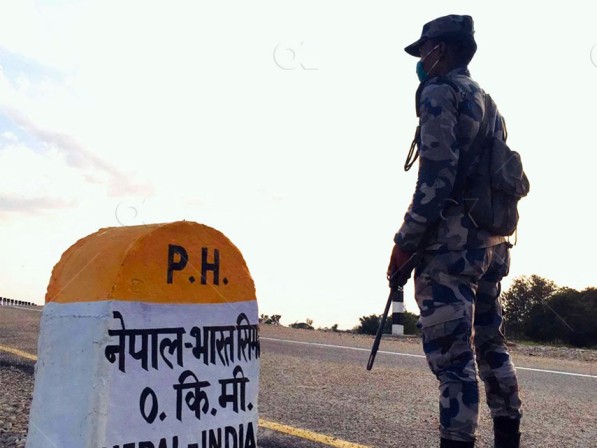
China's security engagement with Nepal has grown alongside this. The provision of police aid and security equipment, documented repeatedly since at least 2014, attracted Indian and Western commentary because it pointed to a category of cooperation that goes beyond roads and dams. Equipment used to manage domestic unrest is qualitatively different from a bridge or a power line.
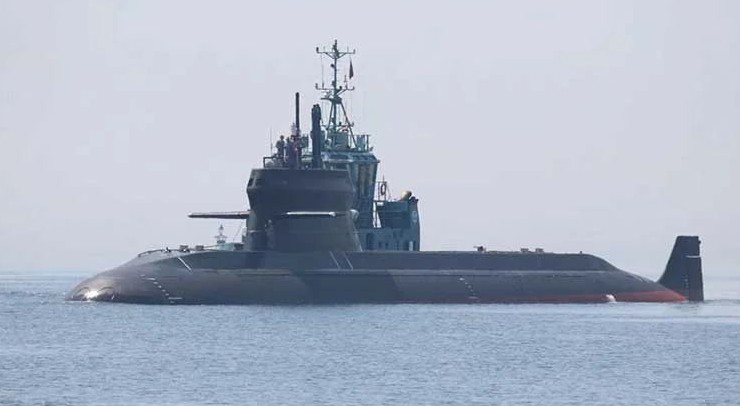
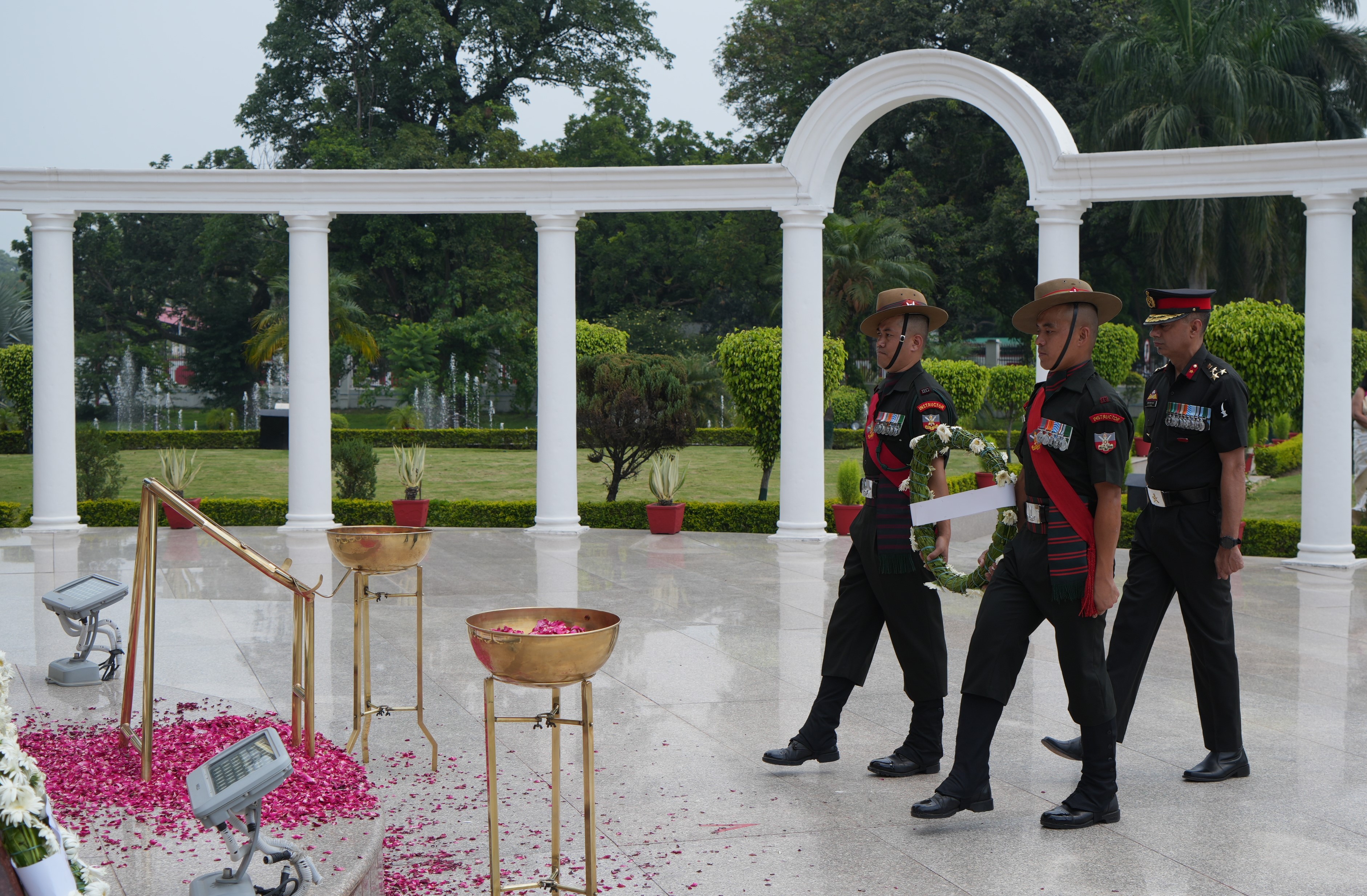
The country, providing it acquires, in the process, a relationship with the institutions that use it - and, in Nepal's case, this has coincided with Chinese military-to-military cooperation and joint exercises that represent a meaningful shift in the country's security alignment.
Nepal's own strategic community understands this.
Analysts at Tribhuvan University and at Nepal's Institute of Foreign Affairs have written about the risks of strategic dependency, the importance of maintaining diversified security relationships, and the need for transparency in defence agreements. These are the right conversations. They have not yet produced the institutional safeguards that would make Nepal's strategic choices more resilient to external influence.
Disclaimer: The views expressed in the article are the author’s own and don’t necessarily reflect the views of India Sentinels.
Follow us on social media for quick updates, new photos, videos, and more.
X: https://x.com/indiasentinels
Facebook: https://facebook.com/indiasentinels
Instagram: https://instagram.com/indiasentinels
YouTube: https://youtube.com/indiasentinels
© India Sentinels 2026-27