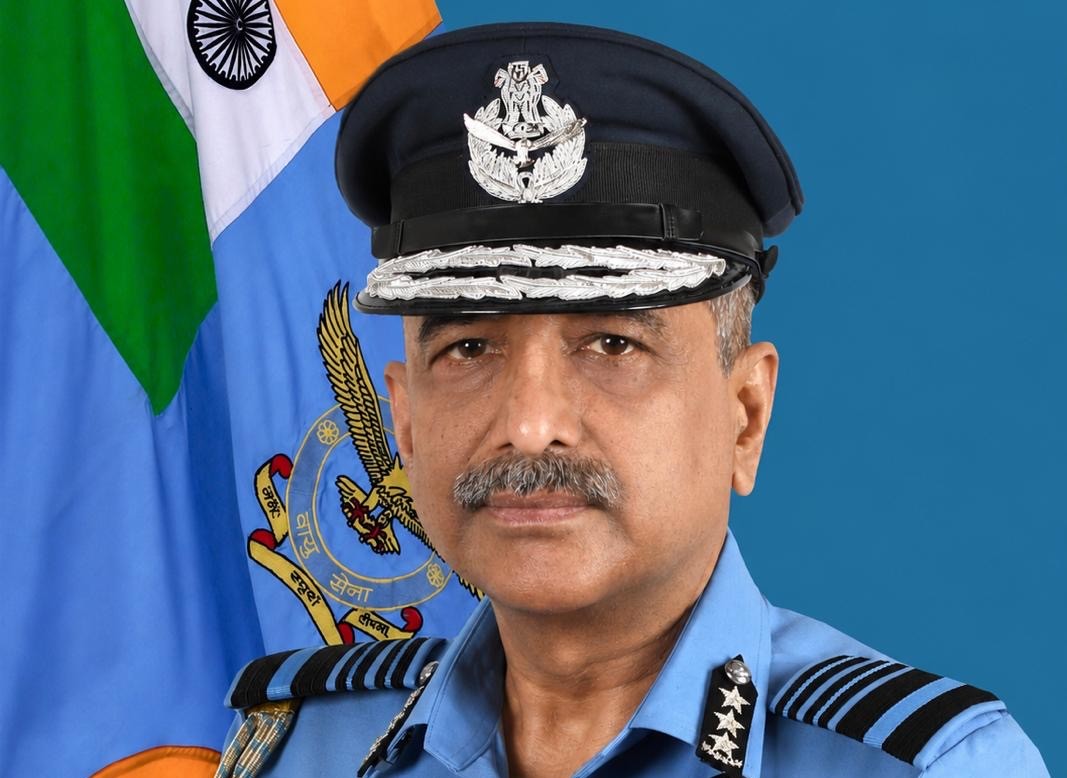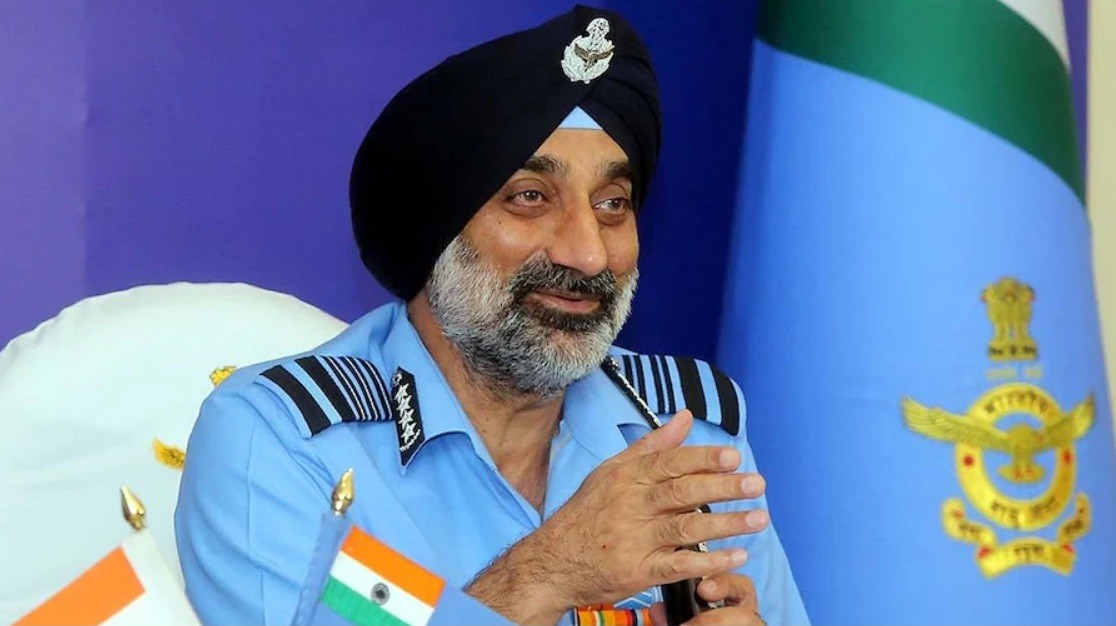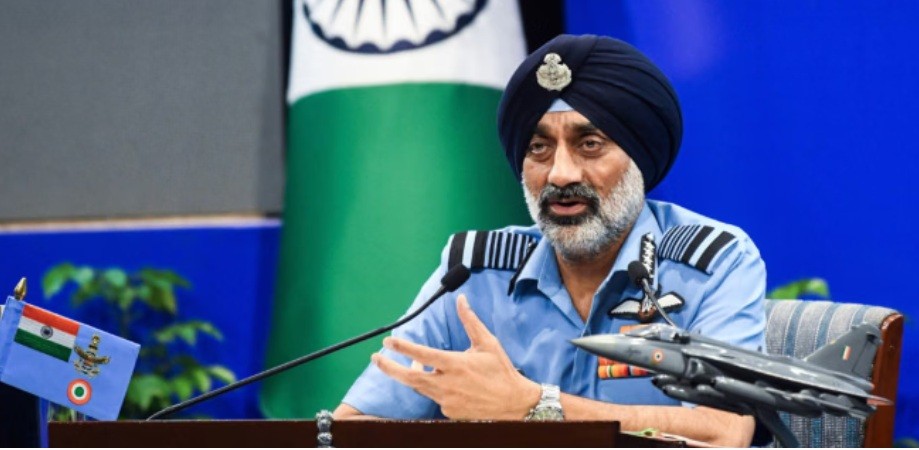
 Air Marshal AK Bharti (R). (India Sentinels photo)
New Delhi: India’s response to another terrorist attack would not be a “carbon copy” of Operation Sindoor, the former director general of air operations, Air Marshal Awadhesh Kumar Bharti, has said. Warning that those responsible would face consequences, he stressed that any future action would require a fresh approach suited to the circumstances.
In an interview with BharatDefX’s Rajeev Ranjan, Bharti said the armed forces could not prepare for the next confrontation simply by reproducing the methods used in the last one. He declined, however, to predict the scale, form or domain of a future response, despite repeated questions about whether it would be more aggressive.
“Every future conflict or engagement will unfold in a different dimension and in a different manner. It will require a fresh approach,” he said, adding that “the next conflict cannot be a carbon copy of the previous one”.
Bharti, who was director general of air operations during Operation Sindoor, said India hoped that further attacks could be avoided and both countries could move forward peacefully. If another terrorist attack occurred, however, there would “certainly be a retaliatory response”, with its nature determined by the requirements of the situation.
“Whatever action is deemed necessary at the time – in whatever dimension – the nation and the armed forces will certainly take it,” he said. “All the instruments at the nation’s disposal will be brought into play.”
India launched Operation Sindoor on May 7, 2025, following the Pahalgam terrorist attack that killed 26 people, initially striking nine locations in Pakistan and Pakistan-occupied Kashmir (POK) that it identified as terrorist infrastructure. Exchanges subsequently widened to military targets before the two countries agreed on May 10 to halt firing and military action on land, at sea and in the air.
‘No safe sanctuary’
Bharti said the central message of India’s successive cross-border operations was that terrorists and those supporting them could no longer assume that retreating into Pakistan would put them beyond reach. He extended that warning to those promoting terrorism, while drawing a distinction between them and the Pakistani people.
“If you are a terrorist, or if you promote terrorism, then no place in Pakistan is safe for you,” he said. Asked whether the warning extended beyond terrorist camps to those providing state support, he replied: “Absolutely.”
He described India’s actions as a response to attacks on its own citizens, saying the purpose was to ensure national security. India had no quarrel with ordinary Pakistanis, he said, but those encouraging terrorism would have to bear the consequences.
“There is no ‘safe sanctuary’ for you,” Bharti said. “We can see you everywhere, and we can reach you anywhere.”
Doctrine and escalation
Despite that warning, Bharti rejected the suggestion that Operation Sindoor had changed India’s military doctrine. He argued that the operation demonstrated the effectiveness of the existing doctrine, while conveying the country’s resolve to respond to terrorism.
“There has been no change to our military doctrine, nor is there any need for one,” he said. What had been communicated, he added, was that any further terrorist attack would have consequences, although their nature could not be specified in advance.
On the danger of a wider war, Bharti said the armed forces had been prepared for escalation throughout the operation. He maintained that India initially intended to act against terrorism and its support infrastructure and had communicated that it did not seek further escalation.
According to his account, Pakistani missile and drone attacks subsequently required an Indian response. Pakistan has disputed India’s justification for the strikes and denied backing the Pahalgam attack.
Intelligence before firepower
Looking back at the operation, Bharti identified accurate intelligence as the most critical element in connecting planning with effective strikes. Intelligence gathering, he emphasized, was a continuous task rather than something undertaken only when an operation became imminent.
“Without precise intelligence, effective targeting is impossible,” he said. “Therefore, the most crucial task was to gather accurate intelligence and strike our targets with precision.”
He also pushed back against the interviewer’s suggestion that Pakistan had been entirely unaware of Indian preparations. Without disclosing operational details, he said it would be inaccurate to claim that Pakistan knew nothing.
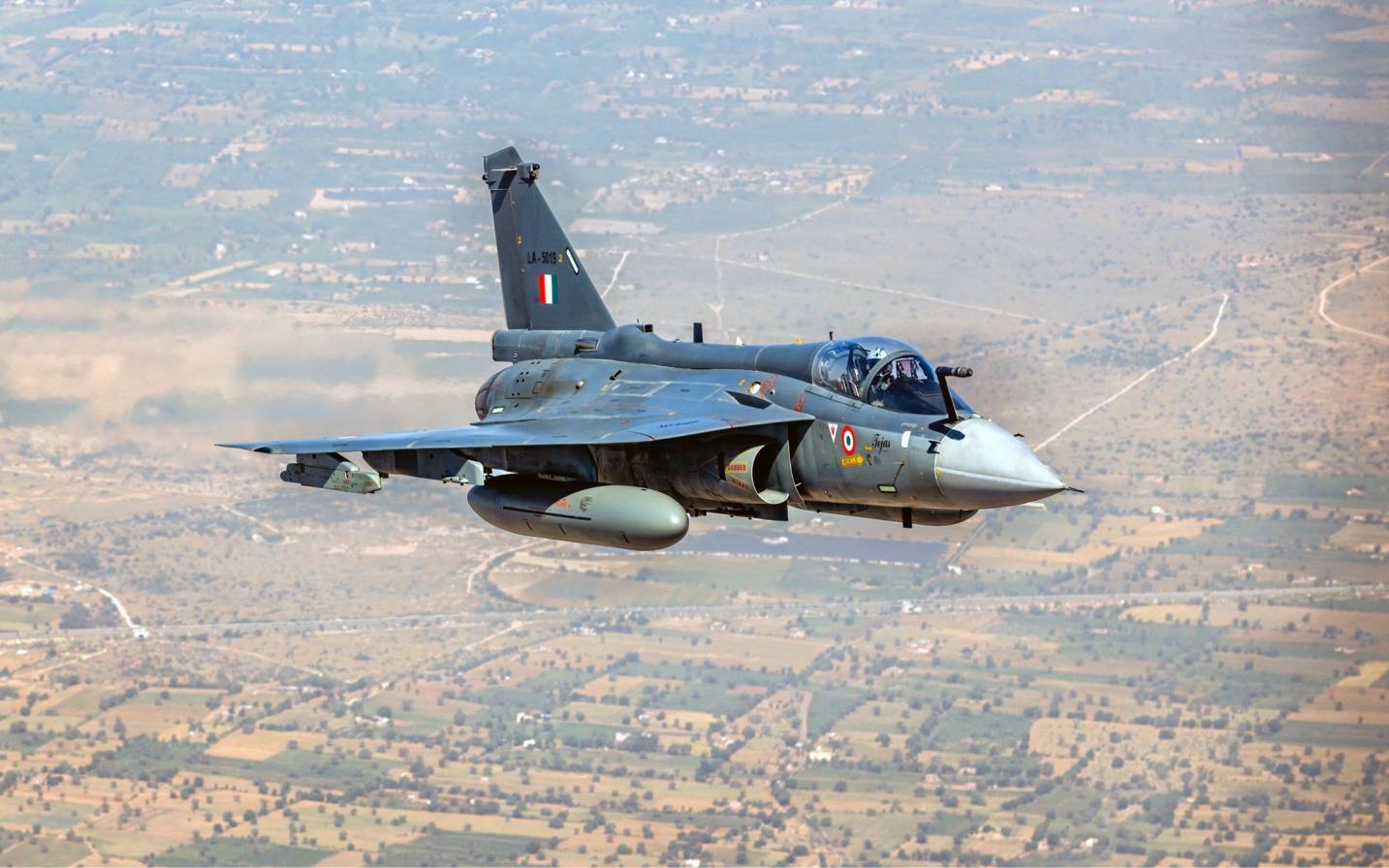
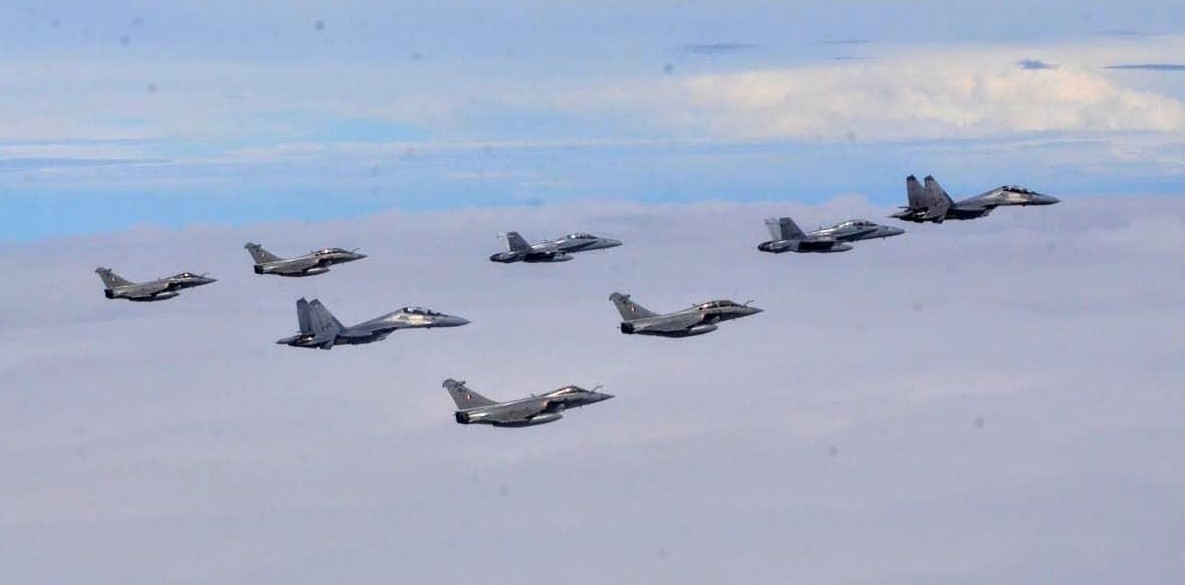
Bharti described Sindoor as a joint effort involving the Indian Army, Indian Navy and Indian Air Force, including contributions that were less visible publicly. The Air Force’s particular advantages, he said, were its ability to react quickly, operate over long distances and deliver substantial firepower.
Those capabilities would continue to evolve, but he cautioned against treating the last operation as a template for the next. “As for the nature of that response – or the domain in which it might occur – I would prefer not to speculate,” he said.
Follow us on social media for quick updates, new photos, videos, and more.
X: https://x.com/indiasentinels
Facebook: https://facebook.com/indiasentinels
Instagram: https://instagram.com/indiasentinels
YouTube: https://youtube.com/indiasentinels
© India Sentinels 2026-27