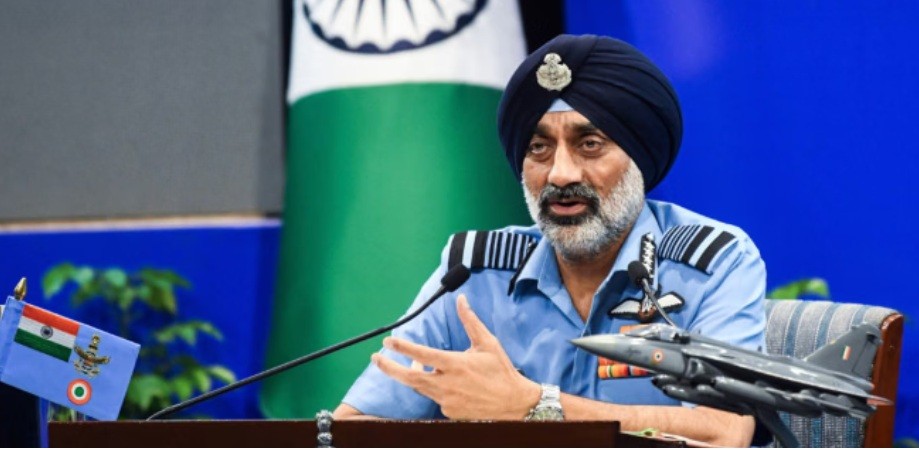
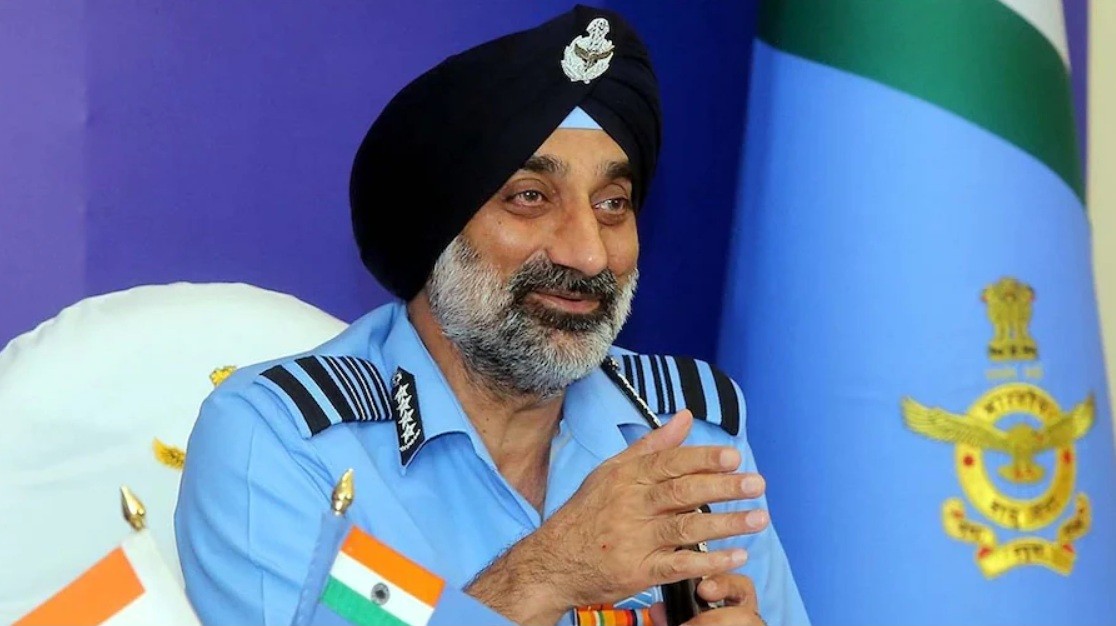
 IAF chief ACM AP Singh.
New Delhi: Indian Air Force chief Air Chief Marshal AP Singh on Saturday said that delays in delivering the LCA Tejas-Mk1A are hurting the Indian Air Force (IAF), as the service operates well below its sanctioned fighter strength.
Speaking at his annual press conference in the capital, ahead of the IAF’s 94th anniversary, he said the delay in the Tejas-Mk1A programme had been longer than expected. “It happens that you plan something, but things get delayed. But this time, the delay has been much,” he said.
A widening squadron gap
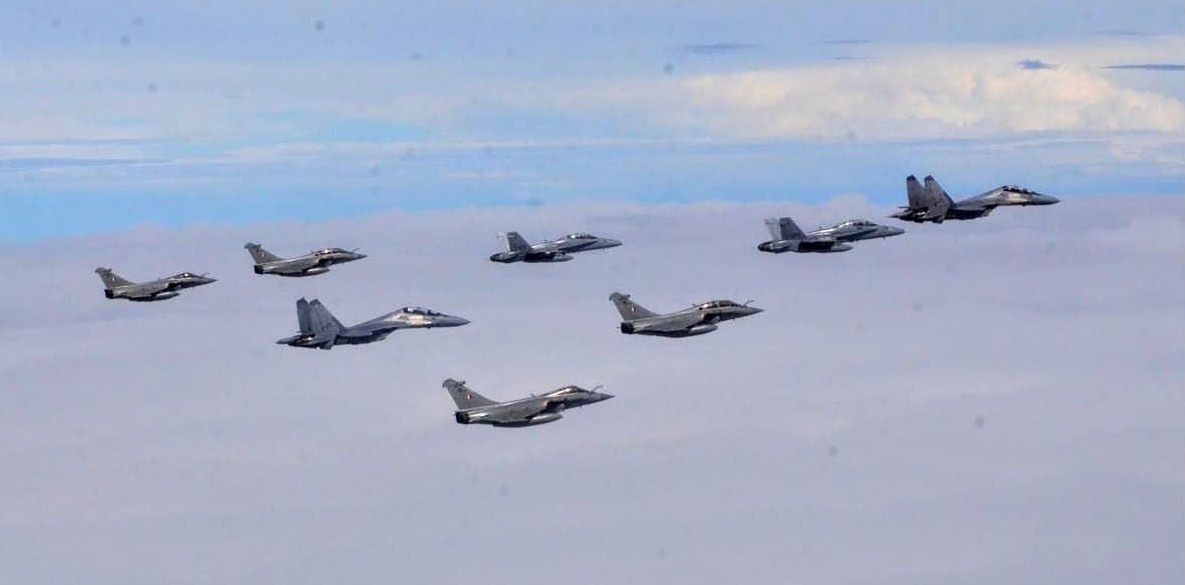
The IAF now has 29 fighter squadrons against an authorized strength of 42. The numbers have been falling since the retirement of the MiG-21 fleet last year. The Air Chief said the force needs about two squadrons' worth of new aircraft every year, or roughly 36 to 40 jets, simply to stop the decline.
He named the Tejas-Mk1A, the Tejas-Mk2 and the proposed multi-role fighter aircraft (MRFA) purchase as the programmes meant to close the gap. The Advanced Medium Combat Aircraft (AMCA), the indigenous fifth-generation fighter, is the longer-term answer. Singh said the IAF would have to examine other options if the AMCA programme suffered significant delays.
Asked whether Hindustan Aeronautics Limited (HAL), the state-owned manufacturer, would face penalties for the late deliveries, Singh did not address the question directly. He said delays are not unusual in defence programmes but described this one as substantial. He added that the Air Force's involvement in indigenous projects was continuous and that full support was being given to them.
A long-running concern
The remarks continue a theme the Air Chief has raised for two years. At a press conference in October 2024, he said HAL’s output fell short of the 24 aircraft a year the IAF needed and argued for greater private-sector involvement.
In February 2025, during Aero India in Bengaluru, a video of him telling HAL officials he lacked confidence in the company surfaced online. HAL’s the then chairman and managing director, DK Sunil, responded that the delays could not be put down to laziness. He said technical issues had been resolved and that deliveries would begin once engines became available.
The Defence Ministry later set up a five-member committee, led by the defence secretary, Rajesh Kumar Singh, to identify bottlenecks and recommend ways to speed up production. Singh also told an industry summit in May 2025 that contracts were sometimes signed in the knowledge that equipment would not arrive on time.
Why the timeline matters
The IAF has contracted 83 Tejas-Mk1A jets, and the government has since approved a further 97. Reports have noted that the Tejas-Mk1 variant itself has been slow to arrive: the IAF has yet to receive all the 40 jets ordered in 2010.
The pressure will increase from 2029-30, when the Jaguar, MiG-29 and Mirage 2000 fleets, all inducted in the 1980s, are due to retire in batches. Defence analysts have said it takes five to six years to take a modern fighter from negotiation to operational induction. That leaves little room for further slippage.
Singh also spoke of a more uncertain strategic environment, with continuing conflicts and rapid advances in drones, artificial intelligence and networked warfare. He said AI was increasingly entering the IAF, but that human decision-making would remain central to military operations.