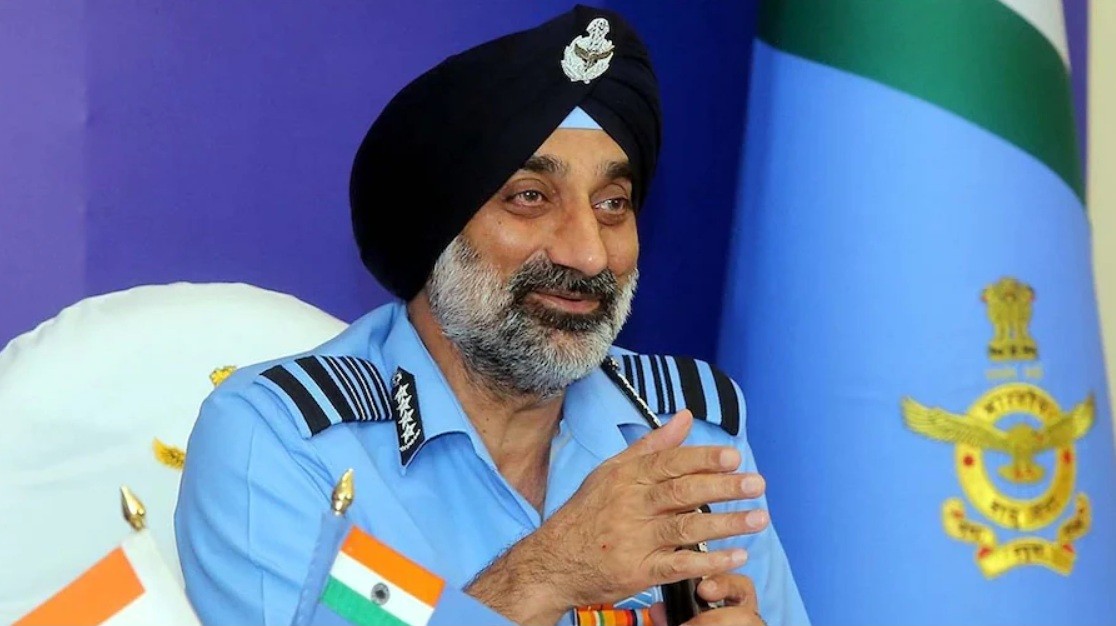
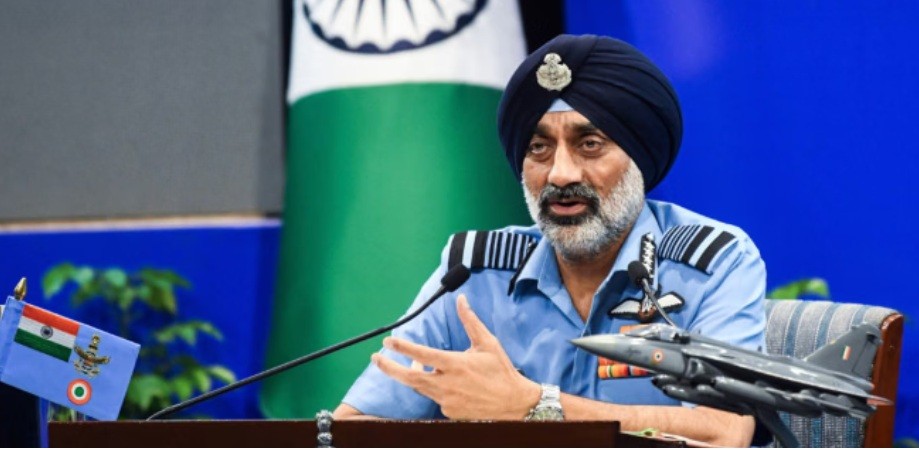
 Indian Air Force chief ACM AP Singh during 94th IAF Day press conference in Delhi.
New Delhi: Indian Air Force chief Air Chief Marshal AP Singh said on Saturday that the Indian Air Force (IAF) is not opposed to theatre commands and is taking part in the talks, but that the structure of the commands and the order in which they are raised need careful handling.
He also said the force should be “AI-augmented”, with humans remaining in the decision loop. He was speaking at his annual press conference before the 94th Air Force Day on October 8, his last before retiring at the end of October.
Discussions held before Operation Sindoor in 2025 changed after the operation, he said. Whether all theatre commands should be set up at once or in stages is still to be decided and fresh views are needed from the new leadership of the Chiefs of Staff Committee, he added. Sindoor, he said, showed that a joint force is essential.
On fighter strength, Singh said the IAF needs 36-40 new aircraft a year, about two squadrons, just to halt the decline and more to rebuild. “Technology delayed is technology denied,” he said. Currently, the IAF has a total of 29 fighter squadrons against a sanctioned strength of 42.
He named the Tejas-Mk1A, the Tejas-Mk2, the 114-aircraft Multi-Role Fighter Aircraft (MRFA) programme and the indigenous fifth-generation AMCA as the gap-fillers.
Hindustan Aeronautics Limited (HAL) has indicated it can deliver more than 24 aircraft a year, which, with the MRFA and other orders, could meet the annual need if programmes stay on track, he said.
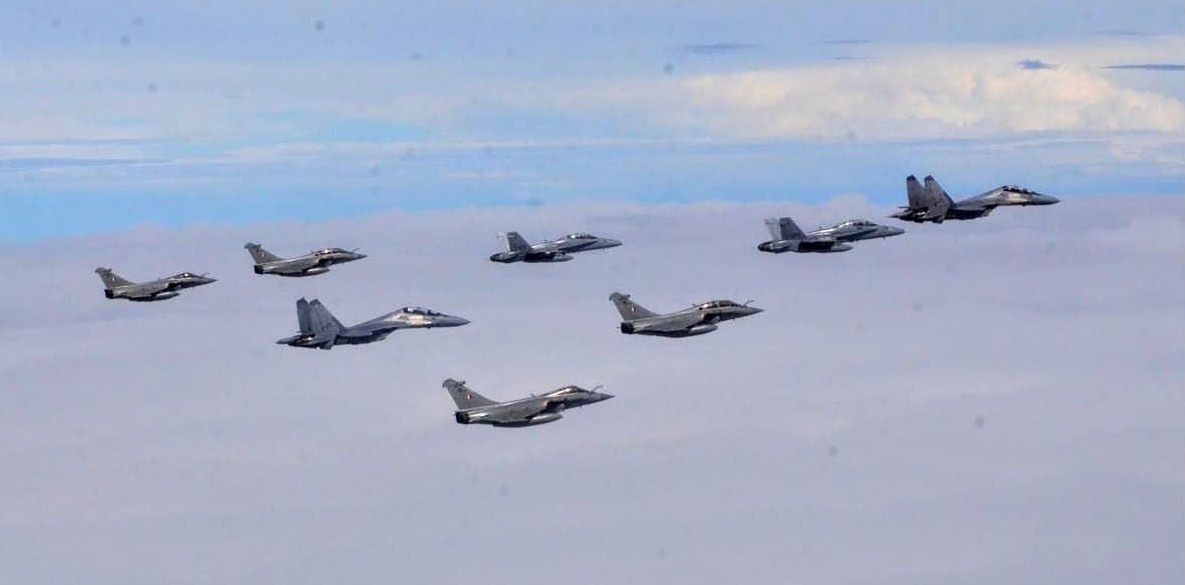
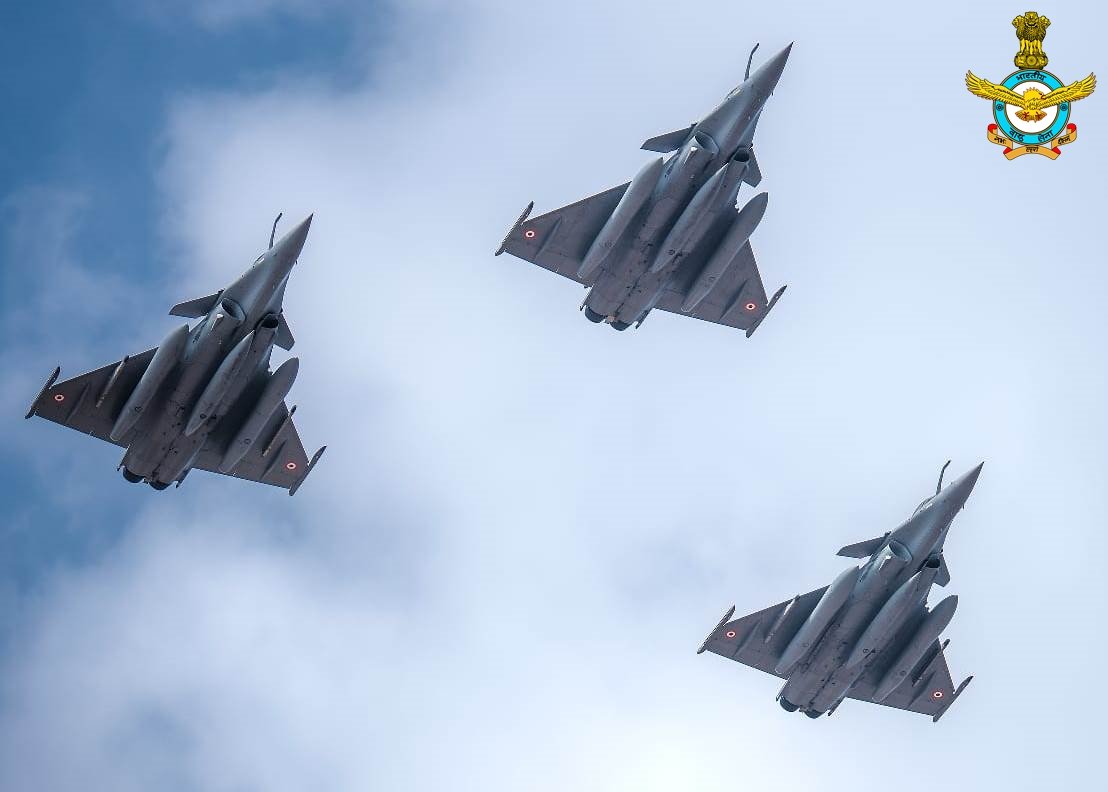
The 114-Rafale deal, cleared in February as a government-to-government agreement with France, is expected to be concluded by the end of this financial year if price talks and other issues close on time, Singh said. It would take India’s Rafale inventory to 176: 36 with the IAF, 26 Rafale-M jets for the Navy and the 114 new aircraft.
If the AMCA or other programmes slip, other platforms may be considered, he said. Russia has offered the Su-57, but no decision has been taken.
Asked about reports of a China-linked fifth-generation jet for Pakistan, with Pakistani pilots already training in China, Singh called them “a cause of worry” but not “a total no-go”. The outcome, he said, depends on system integration and not on the platform alone. During Sindoor, Pakistan had other platforms but “could not do anything notable or special”, he said, adding that well-integrated Indian systems should hold the threat until the other side integrates its own.
On drones, he described the change as evolutionary and not revolutionary. Numbers and types of drones and loitering munitions are rising, but there will be no separate drone force. Unmanned systems will stay in the existing structure and operate with other weapons, while specialized units can be expanded. He said Indian loitering munitions were used in Sindoor and that the IAF brought down Pakistani aircraft that threatened India.
Singh said military power is concentrating in the aerospace domain, citing fighters, long-range precision weapons, integrated air command and control, and unmanned systems. He backed HAL and the Aeronautical Development Agency (ADA) on the Tejas, the AMCA, missiles and radars, and called for a domestic fighter engine. Work is also under way on space awareness, operational support and space weapons.
The chief said he was willing to own the shortfalls and that the IAF would stay prepared for emerging challenges.