 Neeraj Thakur
New Delhi: The Union government is reportedly considering a two-year extension of service for some Agniveers, which would take their tenure under the Agnipath scheme from four years to six. There has been no official announcement from the government or the Ministry of Defence. It is expected to be announced soon.
The proposal comes as the first batch nears the end of its contract. The Navy’s first batch is due to complete service on November 21, the Air Force’s on December 21 and the Army’s on December 31. If approved, the extension would apply to some personnel beyond those chosen for permanent enrolment, creating three groups in the forces: those serving the original four years, those given two more years, and those absorbed into the regular cadre. The number eligible in each service and the selection criteria have not been finalized.
Reports on the Navy say technical-category Agniveers may be considered for an extension, depending on operational requirements and policy. A senior Navy officer indicated that the government could be working on a roadmap for the first batch’s exit.
What the Agnipath scheme provides
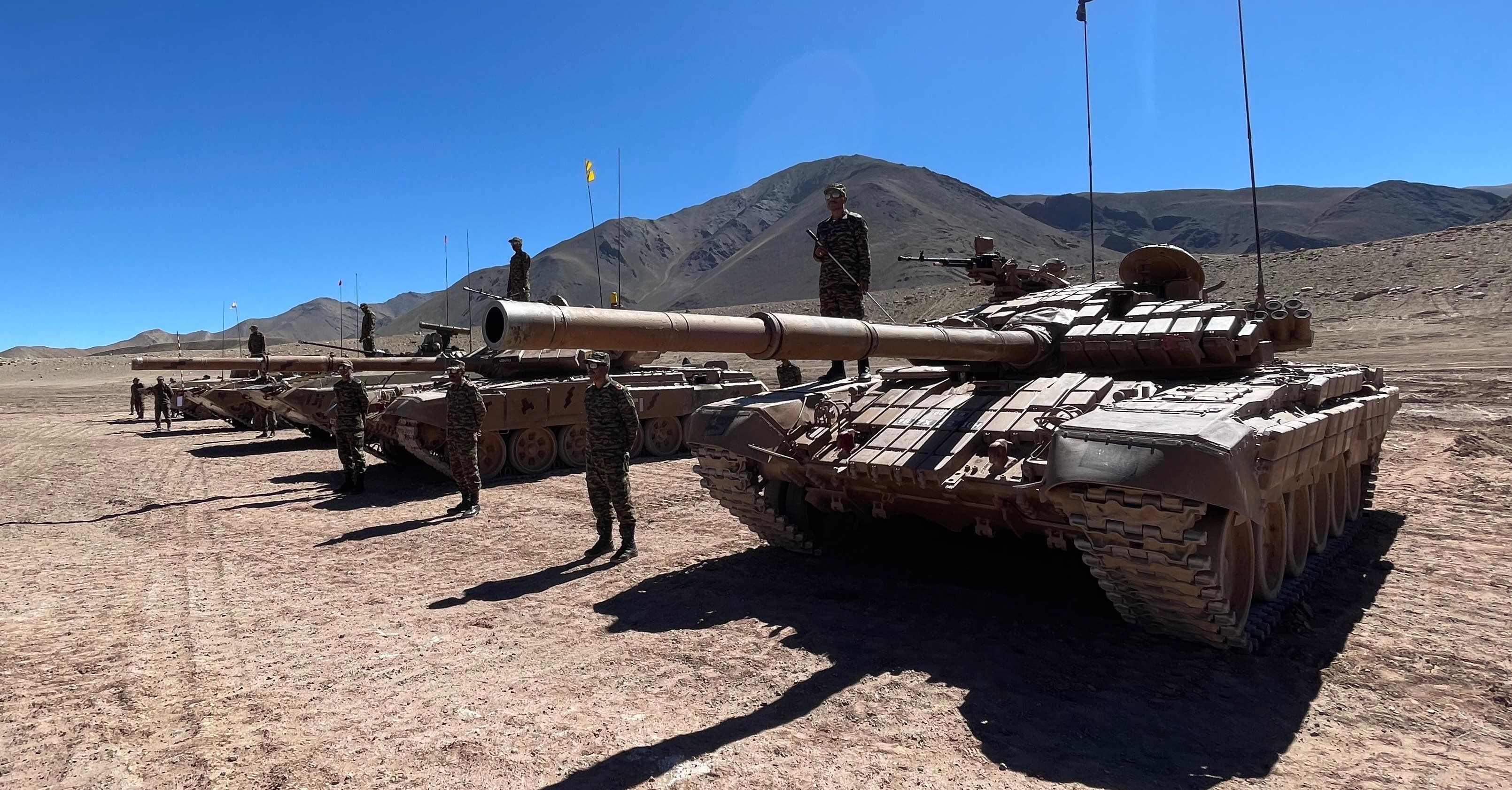
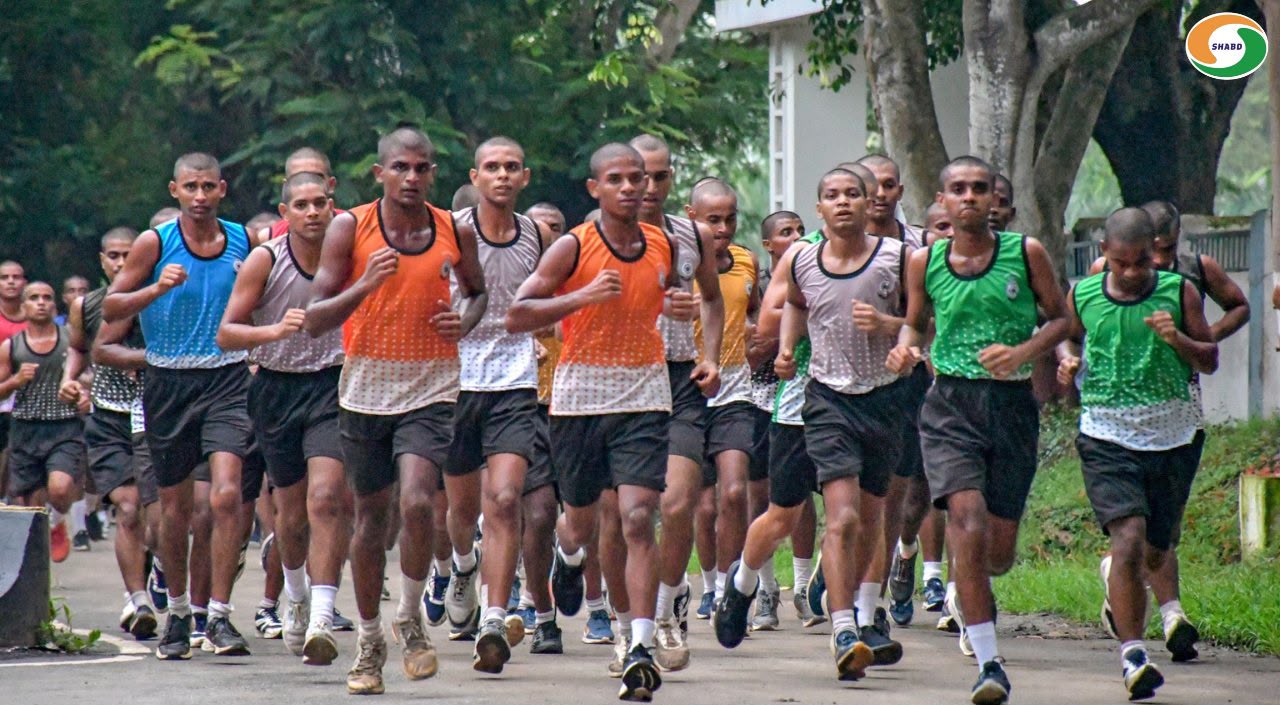
Agnipath was launched in June 2022 to recruit young men and women into the Army, Navy and Air Force on a fixed four-year engagement. Earlier, soldiers served 15 years or more and drew a lifelong pension. Recruits are aged 17.5 to 21, and the engagement includes six months of training followed by 3.5 years of deployment. The upper age limit was raised to 23 for the 2022 intake only, because recruitment had stopped during the Covid-19 pandemic.
Agniveers receive ₹30,000 a month in the first year, rising to ₹40,000 in the fourth. Up to 25 per cent of each batch can be retained in the regular cadre. Those retained serve another 15 years, subject to medical fitness, organizational needs and performance.
The rest leave with a tax-free Seva Nidhi package of about ₹11.71 lakh, which includes the Agniveer’s own contribution of about ₹5.02 lakh, a matching government contribution and interest. They get no pension or gratuity. The CISF, BSF and RPF have announced 10 per cent reservation and age relaxation for former Agniveers.
Batch-wise numbers and exit dates
The first intake had about 24,400 Agniveers: roughly 19,000 in the Army, 2,850 in the Air Force and 2,550 in the Navy. About 18,300 are expected to leave. Phased releases begin in mid-November, with the Navy first, followed by the Air Force and the Army.
The Air Force has already retained 712 of its 2,850 Agniveervayu personnel. In the Navy, about 550 of the first batch have been absorbed.
Later batches will exit about four years after their own enrolment. Reports say the Army’s first sizeable batches will finish in December 2026 and January 2027.
The government has not published a consolidated year-wise recruitment figure across the three services. About one lakh Agniveers had joined the Army by mid-2024. Current strength is about 2.7 lakh in the Army, 27,000 in the Air Force and 21,000 in the Navy.
Around 70,000 Agniveers were inducted for training last year, and intake is expected to rise to nearly 90,000 in the next cycle. Larger exits will therefore follow in 2027 and beyond.
Retention debate
The Indian Express reported on July 6 that the Navy was likely to seek retention of about 75 per cent, and the Army and Air Force about 50 per cent. No amendment has been notified, so the first exit will follow the 25 per cent ceiling.