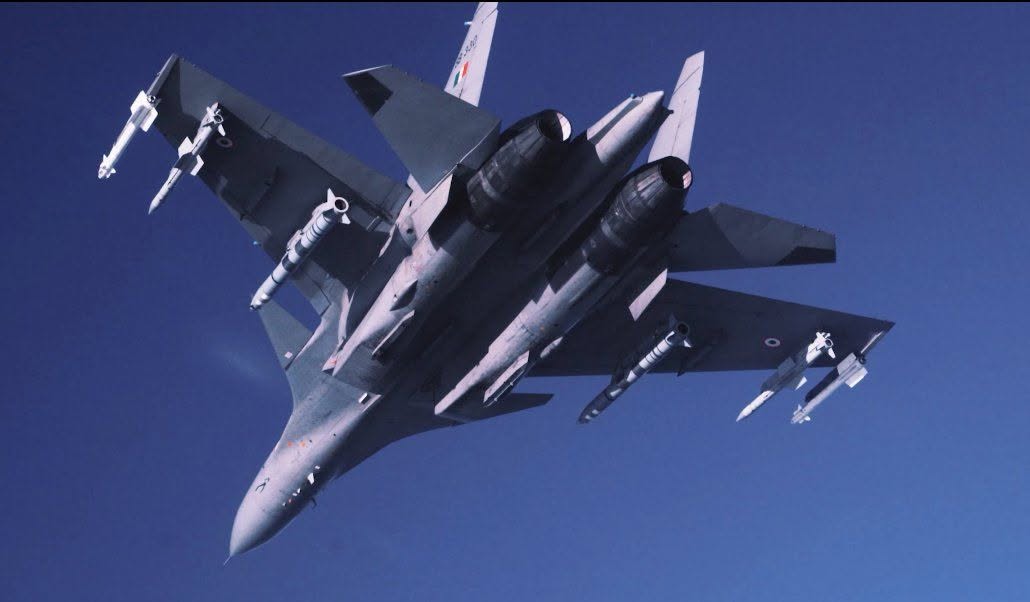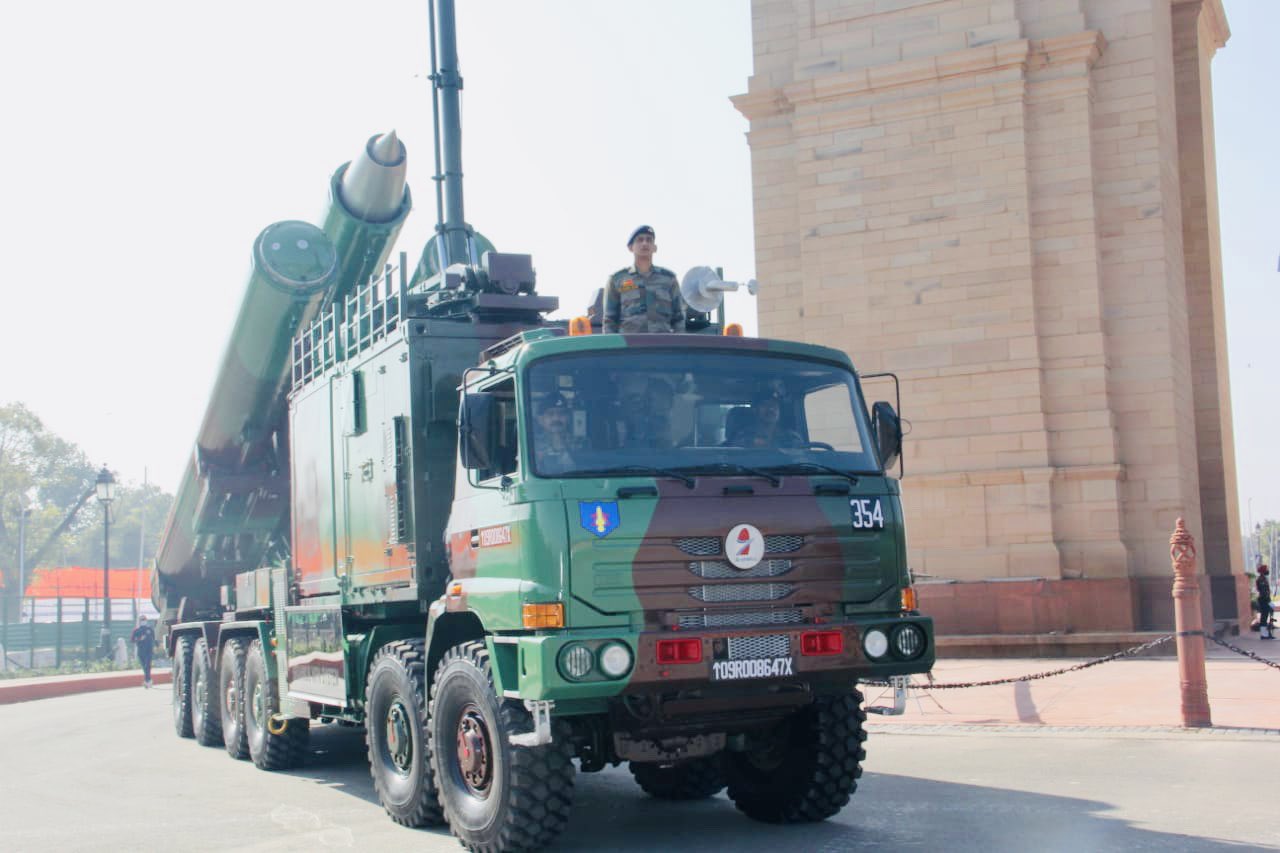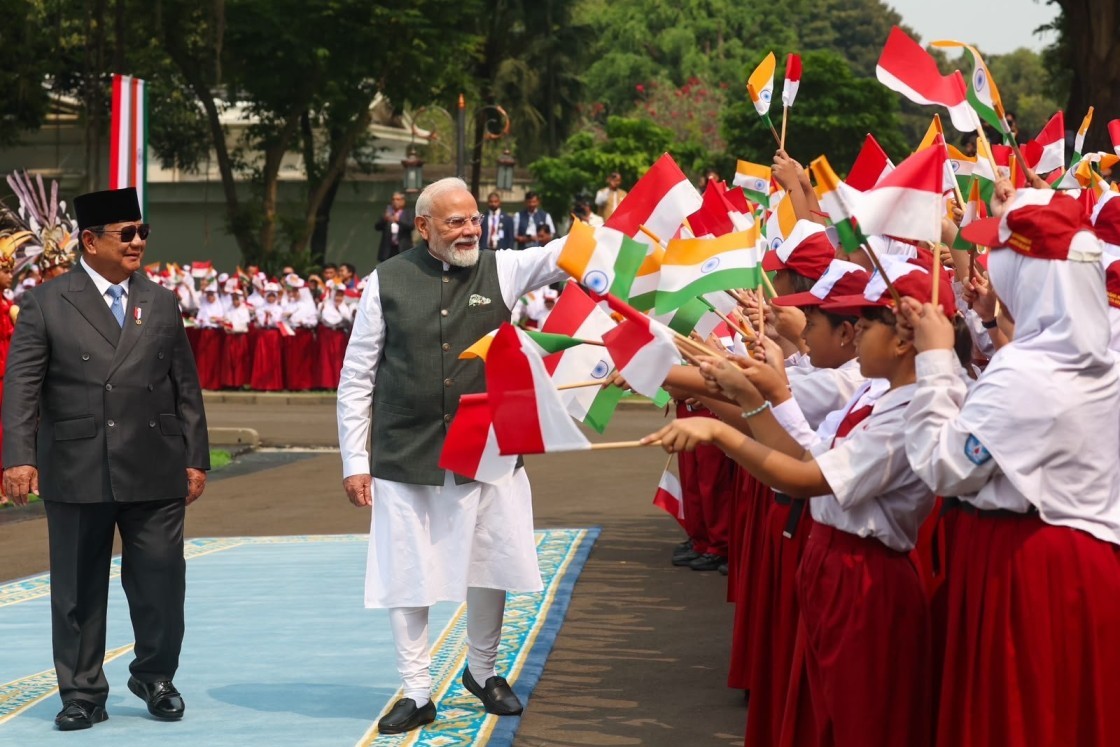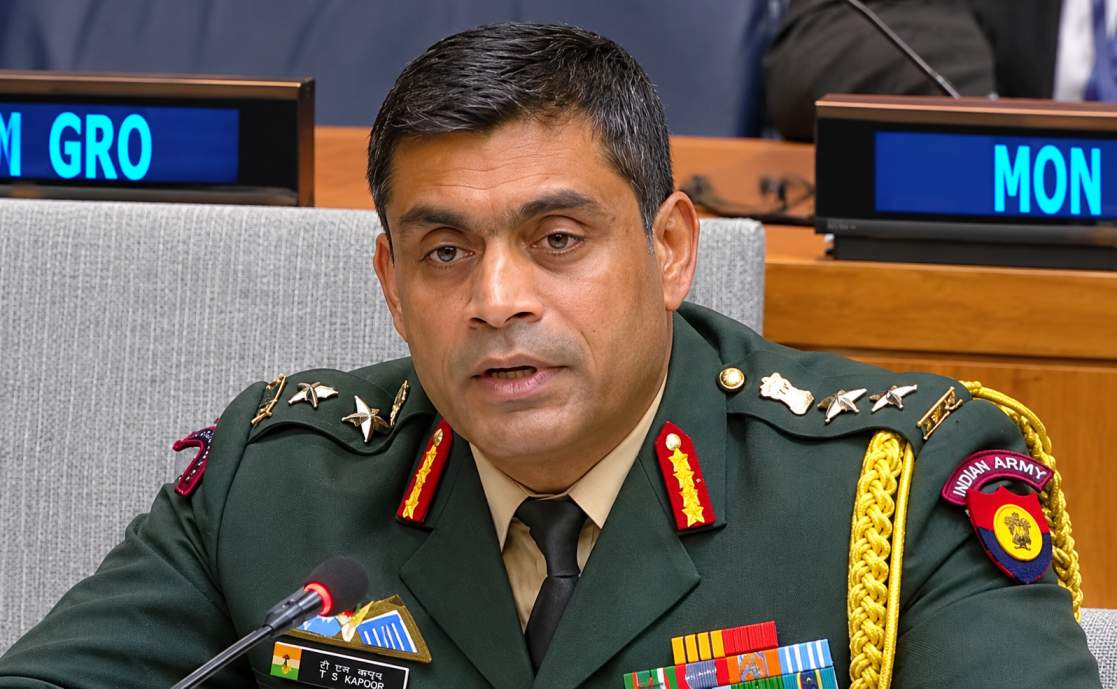
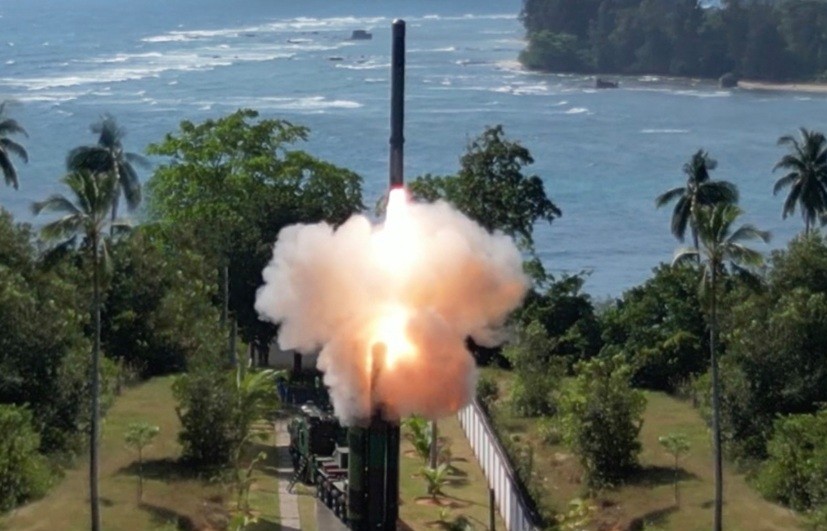
New Delhi: The Philippines is close to a second and much larger purchase of BrahMos supersonic cruise missiles from India, as it builds up its shore-based defences in the South China Sea, where tensions with China continue to rise.
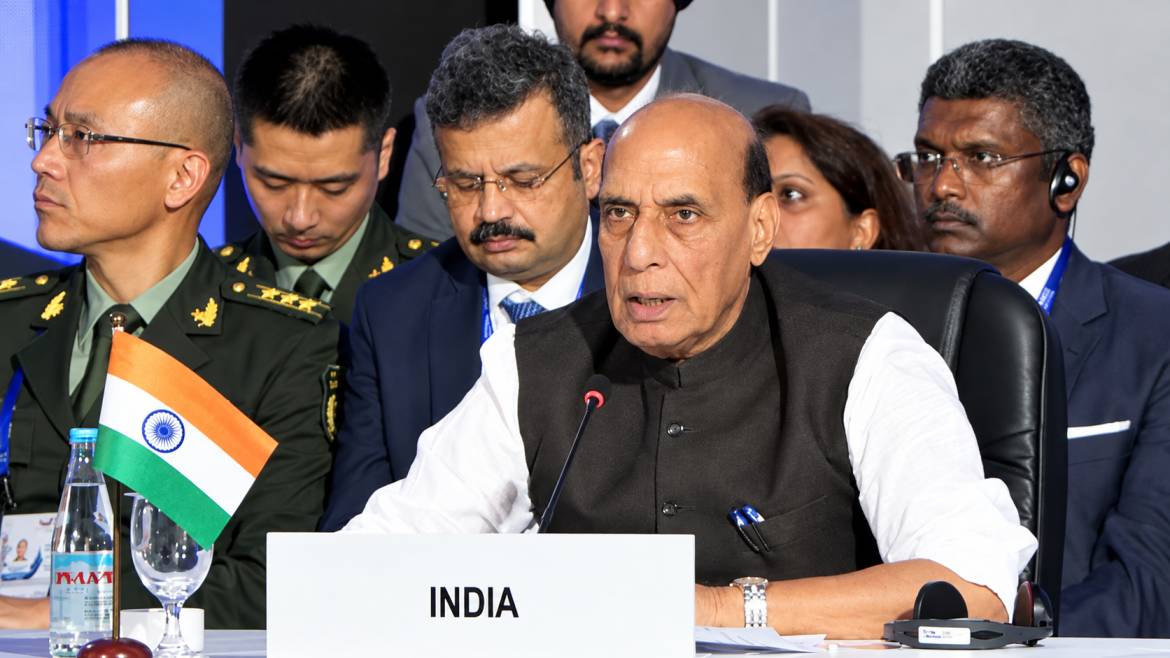
The Philippine defence secretary, Gilberto Teodoro Jr, said last week, that Manila wanted to expand its BrahMos capability. He was speaking by video link at the third Delhi Defence Dialogue, hosted in New Delhi by the Manohar Parrikar Institute for Defence Studies and Analyses. A day later, Reuters reported that three sources with direct knowledge of the matter had said talks were in their final stage.
According to those sources, the deal could be worth $700 million to $800 million (about ₹6,200 crore to ₹7,200 crore). It would cover about five additional systems and nearly 60 missiles. That is well above the $375 million (₹18.9 billion Philippine pesos) contract signed in January 2022 for three shore-based anti-ship batteries for the Philippine Marine Corps.
India’s defence and foreign ministries and BrahMos Aerospace did not respond to Reuters’ requests for comment. A Philippine defence ministry spokesperson, Arsenio Andolong, told the agency that President Ferdinand Marcos Jr. wished to acquire more missiles but gave no details.
One Indian source told Reuters that Manila had shown interest again in about five systems and now saw India as a very reliable partner. The report added that New Delhi is nearing completion of deliveries under the 2022 contract.
A wish list for Philippine conditions
Teodoro said Manila had given Indian authorities a “wish list” of modifications to make the missile better suited to Philippine conditions. He pointed to the difficulty of moving heavy missile systems around an archipelago of thousands of islands, with roads and bridges of limited strength and no active railway.
He described India’s decision to supply the weapon as a sign of its confidence that the Philippines would use it responsibly and in line with international law. The Philippines was the first country to buy BrahMos, which is made by BrahMos Aerospace, a joint venture between India’s Defence Research and Development Organisation and Russia’s NPO Mashinostroyeniya.
The appetite for more has been building for some time. In August 2025, Marcos said the country was already procuring additional missiles after feedback from the military personnel operating the system.
Why the missile suits Manila
Analysts say the BrahMos offers the Philippines something it has historically lacked: a credible land-based long-range strike capability. Its supersonic speed and low-altitude flight make it hard to detect and intercept in the final phase, and mobile launchers dispersed along the coast complicate an adversary’s targeting.
A Manila-based think tank said the missile could help form a coastal “missile wall” along the western and northern approaches. The idea fits Manila's sea-denial approach, which aims to make it costly for hostile warships to operate in contested waters without the Philippines having to match China’s navy.
The same think tank said the Philippines was impressed by the missile but was also looking at a market in which some alternatives might not be readily available. The Indian side has not commented on this. Some analysts link the tightness to strain on American missile stocks and production during the prolonged conflict in the Middle East.
Interest in BrahMos has also grown globally since the four-day India-Pakistan conflict in 2025.
Beyond BrahMos
Teodoro said the two countries were exploring wider defence cooperation, including ground-based air defence systems, multiple-launch rocket systems and space technology. He said Marcos had instructed the military to begin a satellite acquisition programme in which India would be “a very, very important potential partner”.
For India, a bigger order would deepen its defence-export presence in Southeast Asia and strengthen ties with a country that has been among the most vocal about Chinese activity in the South China Sea. Neither government has announced a final contract.