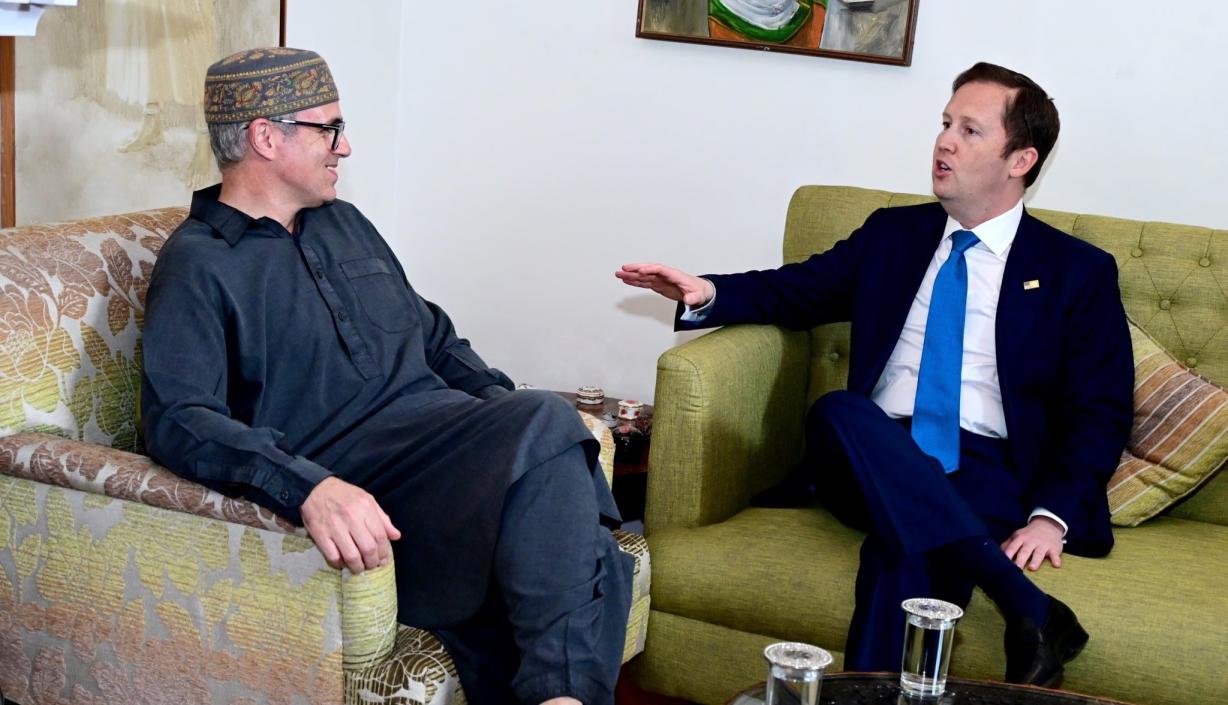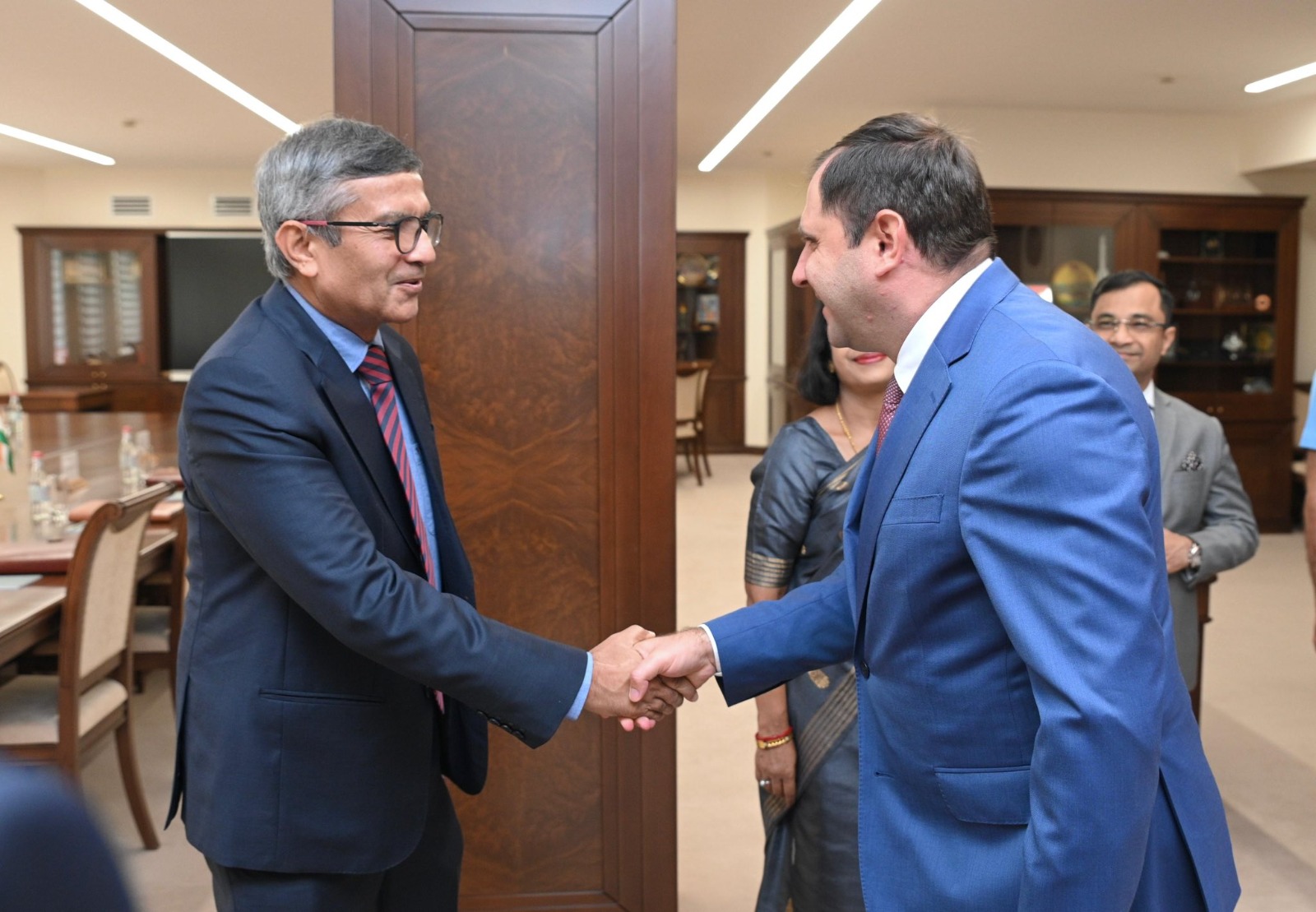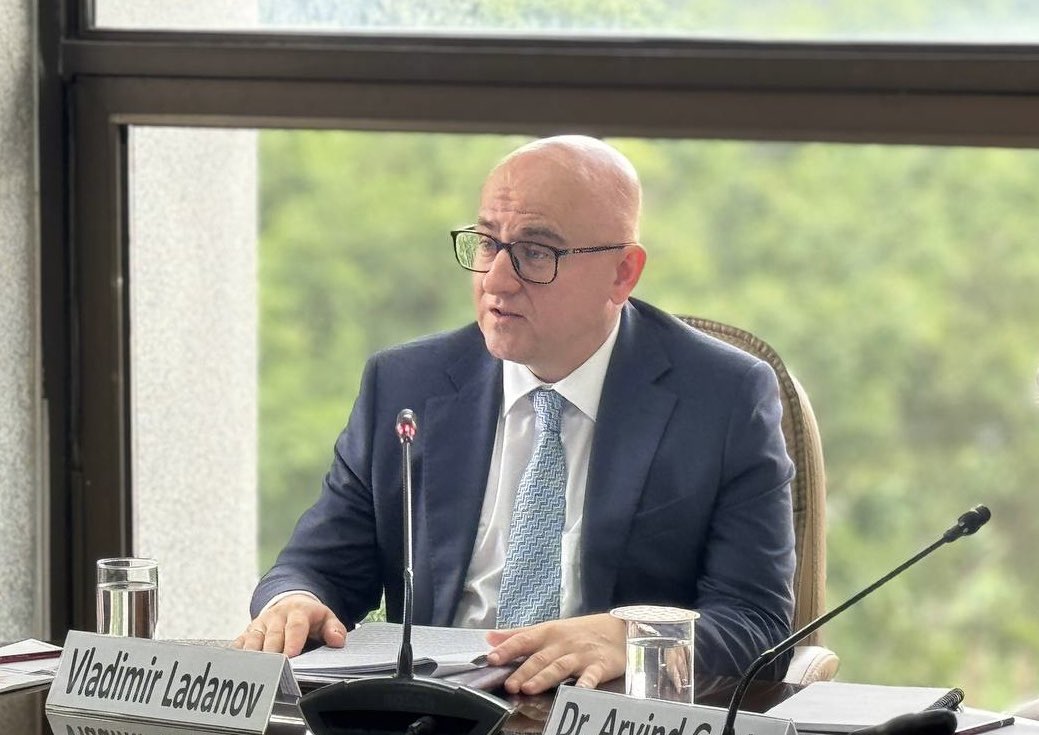
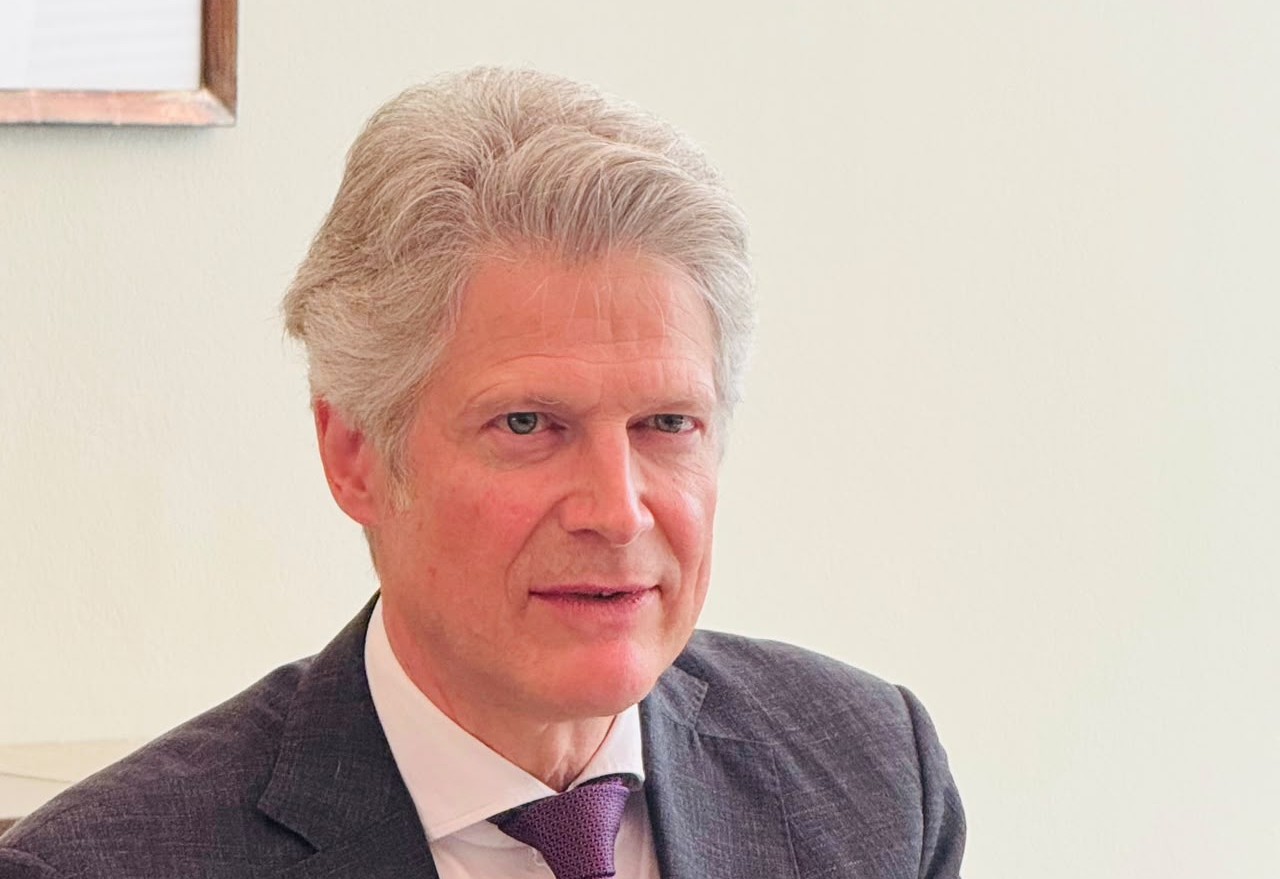
 Ambassador Jasper Wieck (Photo: German embassy in Delhi)
New Delhi: Germany has completed its part of the Project 75I submarine deal and is waiting for New Delhi to give the final go-ahead, Germany's ambassador to India, Jasper Wieck, said on Wednesday.
Speaking at a press conference in the national capital, Wieck said all clearances on the German side were in place and the agreement could be signed at any time. The remaining step, he said, lay with the Cabinet Committee on Security (CCS), which is chaired by the prime minister, Narendra Modi. Responding to a question from Deccan Herald, he said: "We are waiting for that."
A production partnership, not a sale
The proposed contract covers six next-generation conventional submarines for the Indian Navy. They will be built in India by Mazagon Dock Shipbuilders Limited (MDL) in partnership with Germany's ThyssenKrupp Marine Systems (TKMS). PTI put the deal's estimated value at about €8 billion.
Read also: Let’s not forget our silent warriors deep in the sea again
In a separate interview to ANI, Wieck said the deal should be seen as "a real partnership" and not a German company selling its submarines to India. He said the focus was on production and technology transfer in India, and that several companies and the wider maritime industry would benefit. He described submarines as among the most complex and ambitious military systems, and said the deal, if it went through, would give a big boost to Indo-German ties.
He named unmanned systems, cyber capabilities, missile technology and sensors as other areas where the two countries could cooperate on defence.
Long road to the CCS
Project 75I is the follow-on to the Navy's Project 75, under which MDL built six Kalvari-class submarines, in service since 2017. It has been under consideration for more than two decades and cleared several approval stages before the MDL–TKMS team emerged as the sole contender. Reports said India had insisted on air-independent propulsion (AIP), a system that lets a conventional submarine stay submerged longer, that had already been proven on an operational boat. A rival bid from Larsen & Toubro, teamed with Spain's Navantia, was reportedly found non-compliant.
Cost negotiations between the defence ministry, MDL and TKMS were reported concluded in February this year. Reported figures for the deal vary, and the final value has not been officially disclosed. ThePrint reported in February that it could reach at least $9 billion, against an original bid of more than ₹1.2 lakh crore. Other reports have cited a range of ₹66,000 crore to ₹70,000 crore. Some reports said the finance ministry cleared the proposal on May 28, leaving the CCS as the last major approval.
Under the request for proposal, as reported, the first submarine is due seven years after the contract is signed, with 45 per cent indigenous content. Localization is to rise to 60 per cent over the programme.
Wider agenda
Wieck, who recently took charge as Germany's ambassador to India and Bhutan, presented his credentials to the president, Droupadi Murmu, in August. He named three priorities: the formal signing of the India–European Union free trade agreement (FTA), labour migration and defence cooperation.
On the FTA, whose negotiations concluded in January, he said Germany expected it to be signed by the end of 2026. It would then need ratification by the Indian and European parliaments. He said Berlin was working to address pending student visa concerns and wanted easier movement of students and skilled workers.
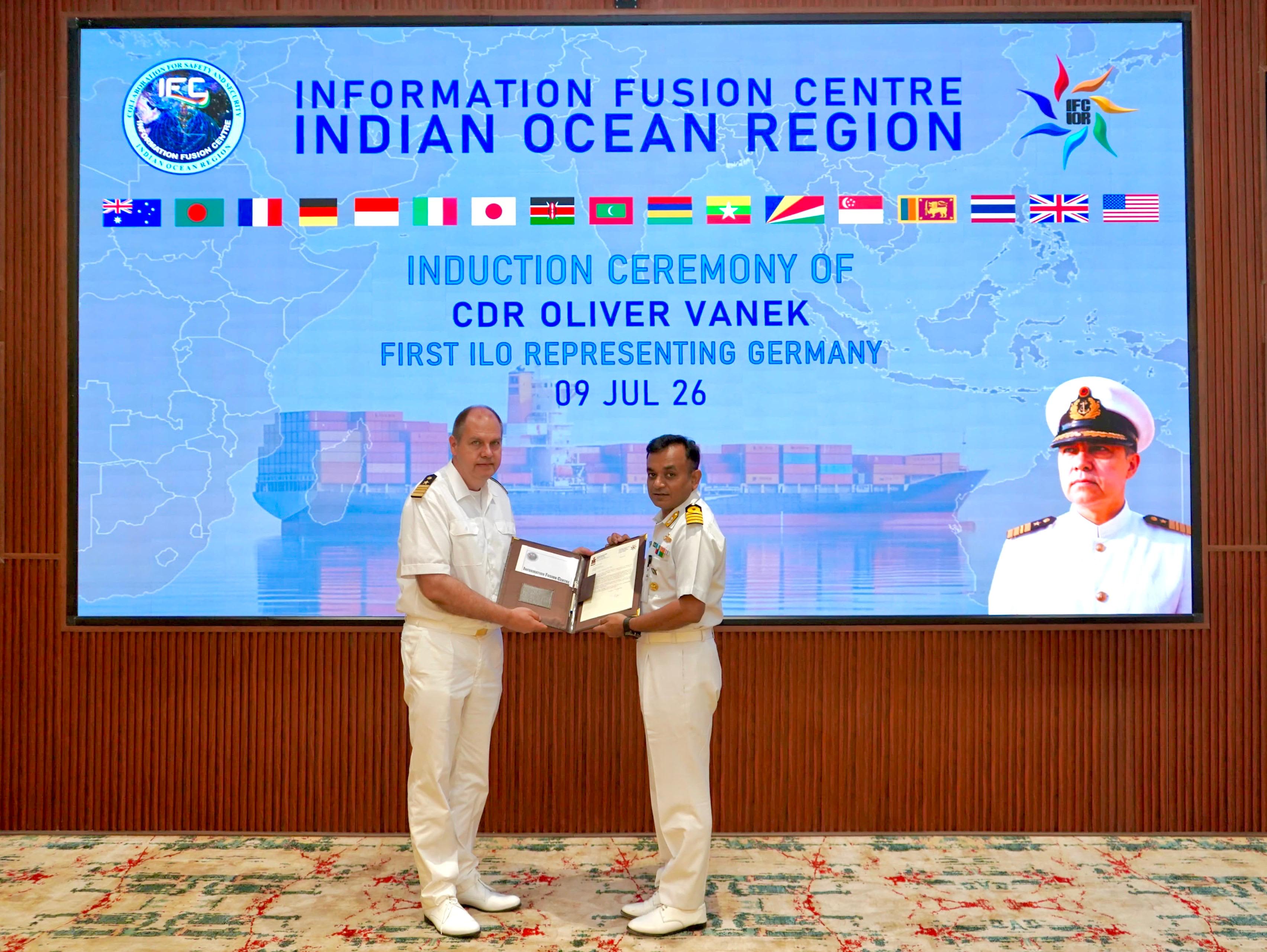
Read also: Germany posts first liaison officer at India’s maritime intelligence hub IFC-IOR in Gurugram
Describing the present as an "era of unpredictability", Wieck said Russia had damaged trust and peace in Europe, while the United States kept changing the rules of the game. This, he said, made closer India–Germany cooperation more important.
On India's continued purchase of Russian oil, he said Germany understood the energy needs of a country of 1.4 billion people. He argued, however, that lower purchases would reduce Moscow's ability to fund the war in Ukraine. He said Ukraine had long been ready for a ceasefire and Russia had opposed it, and that India could play a role in efforts towards a diplomatic settlement.
His remarks came as Western pressure grows on buyers of Russian energy. The US has moved to target large buyers under the Lindsey Graham Sanctioning Russia and Iran Act, which authorizes sanctions and tariffs. The EU does not directly sanction third countries for buying Russian oil.