 Neeraj Thakur
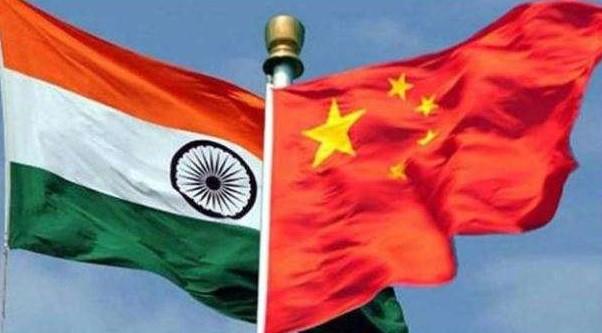
New Delhi: India and China have concluded a second round of corps commander-level talks on the eastern sector of the Line of Actual Control (LAC), with the aim of lowering tensions in Arunachal Pradesh before winter sets in, according to reports on Sunday.
The discussions began on November 8, shortly after Diwali, and ran for nearly 10 days with a brief break, the Indian Express reported. Lieutenant General Girish Kalia, who commands the Army’s III Corps (Spear Corps), headquartered at Rangapahar near Dimapur in Nagaland, led the Indian delegation.
Kalia met his Chinese counterpart and other officers, with an official of the Ministry of External Affairs present.
Little specific information about the talks has been made public. The reports said the discussions dealt with rules of engagement, ways to avoid friction between troops on the ground, and keeping communication channels open. Both sides have deployed large numbers of troops in the area.
Winter gives the talks added urgency. Severe conditions along the LAC make it difficult to sustain troops and maintain supply lines, and the talks were meant to address the tensions before those conditions worsen, Outlook reported.
The first round
The two armies held their first corps commander-level talks in the eastern sector on September 6 and 7, at the Wacha–Damai border meeting point. Wacha, in the Kibithoo sector, is India’s easternmost border personnel meeting point. The meeting was the first of its kind in the east; a similar mechanism has existed in the western sector (Ladakh) since the 2020 Galwan crisis. India and China have held 23 rounds of corps commander talks at Chushul–Moldo in eastern Ladakh since 2020.
The spokesperson for the Ministry of External Affairs, Randhir Jaiswal, said the September meeting followed understandings reached by the two countries' special representatives in August 2025 and August 2026. It also followed discussions at the Working Mechanism for Consultation and Coordination (WMCC), held in Beijing in May and in New Delhi in August.

A similar mechanism has been agreed for the middle sector, and that the special representatives had also agreed to add two hotlines and two meeting points along the LAC in the eastern and central sectors.
The special representatives are the national security adviser, Ajit Doval, and the Chinese foreign minister, Wang Yi. Their talks in Beijing in August led to the first round of military discussions in the east. The September meeting came days before the Chinese president, Xi Jinping, travelled to New Delhi on September 12-13 for the BRICS summit.
Taksing and after
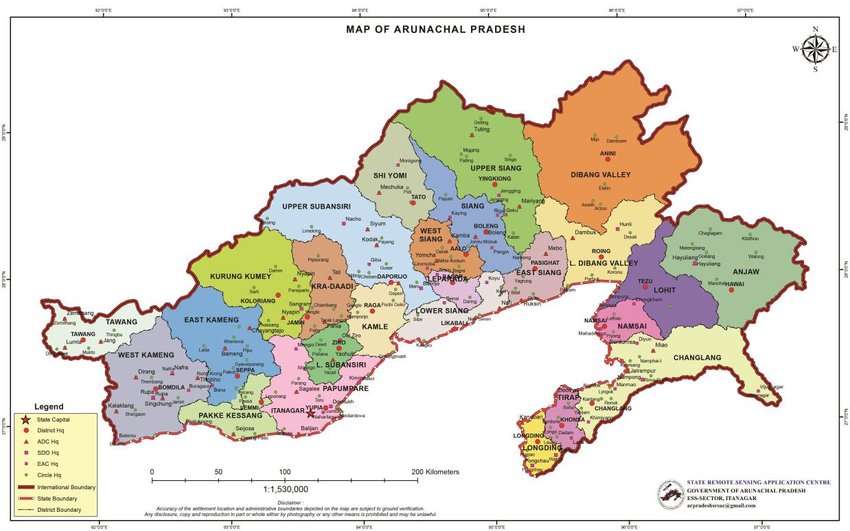
The tension centres on Taksing, a remote border village in Upper Subansiri district. ThePrint reported that patrol parties from the two sides came face to face in late July, said to be about 2.5 km inside the LAC.
Under the standard banner drill, each side asserted that it was in its own territory, and the Chinese party pulled back. It returned in early August, according to the report, and India took tactical steps to match Chinese tactics and strength. Local residents have also reported seeing Chinese troops and graffiti in the area since July.
In October, the director general of the Indo-Tibetan Border Police, Shatrujeet Kapur, said that troops of the two countries had faced off at several places in Arunachal Pradesh shortly before his retirement. The Ministry of External Affairs responded that the LAC situation is disturbed from time to time when Chinese forces depart from established patrolling patterns. It added that peace in the border areas is essential for the overall development of bilateral relations.
The former chief of defence staff, Anil Chauhan, has said that differing perceptions of the border, infrastructure construction and force multipliers create the possibility of friction and escalation. He called for vigilance, credible capabilities and clear agreements, with consistent adherence to them. A foreign policy analyst told Business Standard that the situation was under control, with heavy Indian deployment.
The wider dispute
India and China do not agree on the length of the border or on the alignment of the claim lines. The eastern sector runs from Sikkim to Arunachal Pradesh, the middle sector along Himachal Pradesh and Uttarakhand, and the western sector along Ladakh and the Chinese-controlled Aksai Chin, the most militarized stretch.
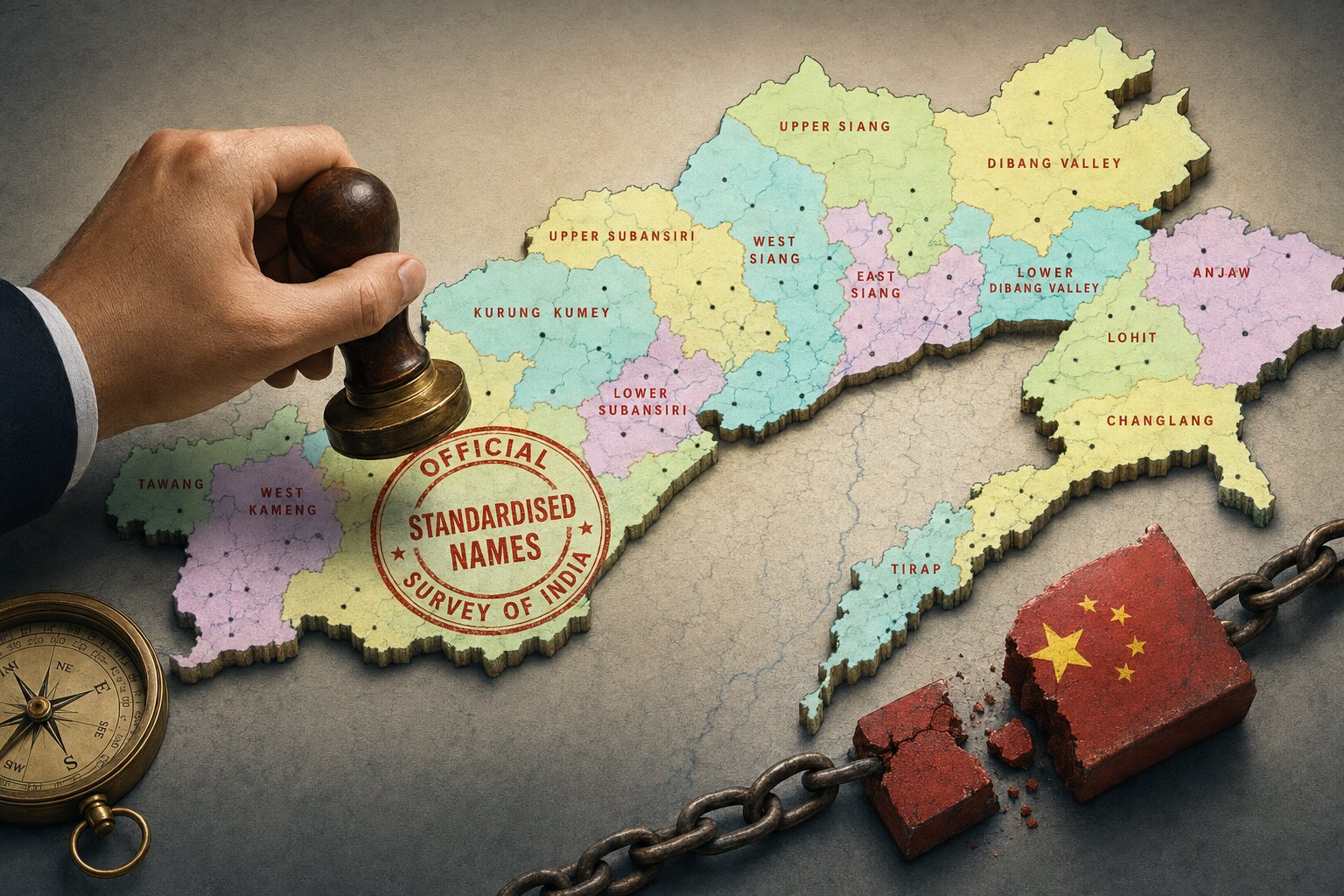
China has claimed Arunachal Pradesh since the 1962 war. This year India standardized the names of 27 places and natural features in the state, a response to Chinese efforts to rename locations. China is building what it calls the world’s largest hydropower station on a river in Tibet upstream of Arunachal, while India has announced a large dam of its own in the state.