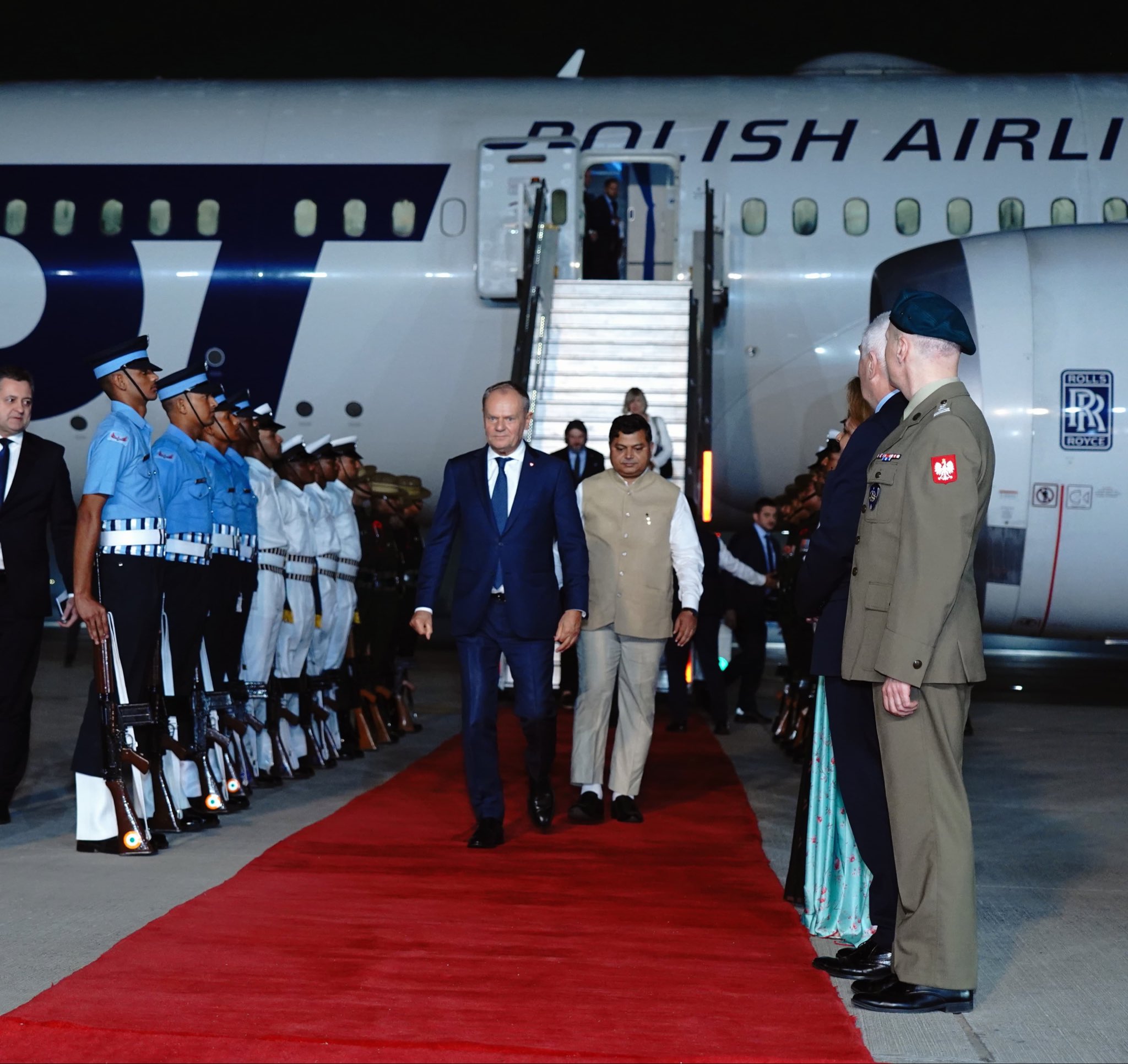
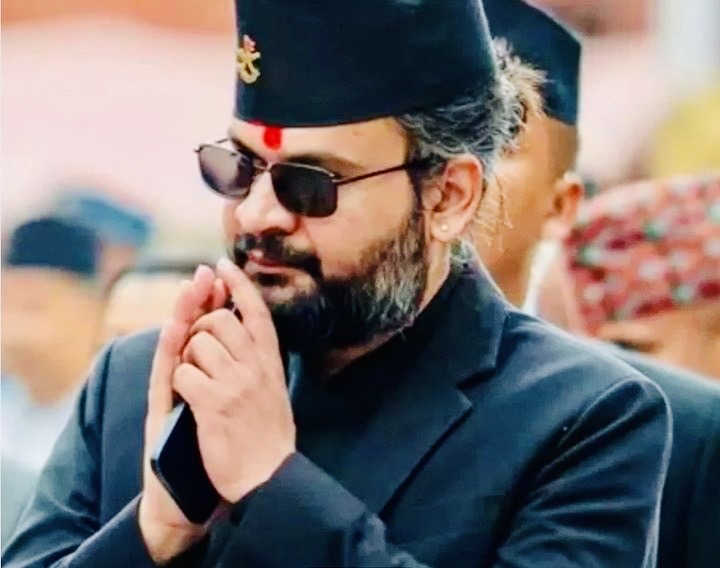
New Delhi: Nepal’s prime minister, Balendra Shah, arrives in New Delhi on November 22 for a two-day state visit. The talks will show how Kathmandu and New Delhi manage an unresolved territorial dispute over Kalapani, Lipulekh and Limpiyadhura while pursuing cooperation in other areas.
It is Shah’s first bilateral trip abroad since he was sworn in on March 27, and his only earlier foreign visit was to New York in September for the United Nations General Assembly.
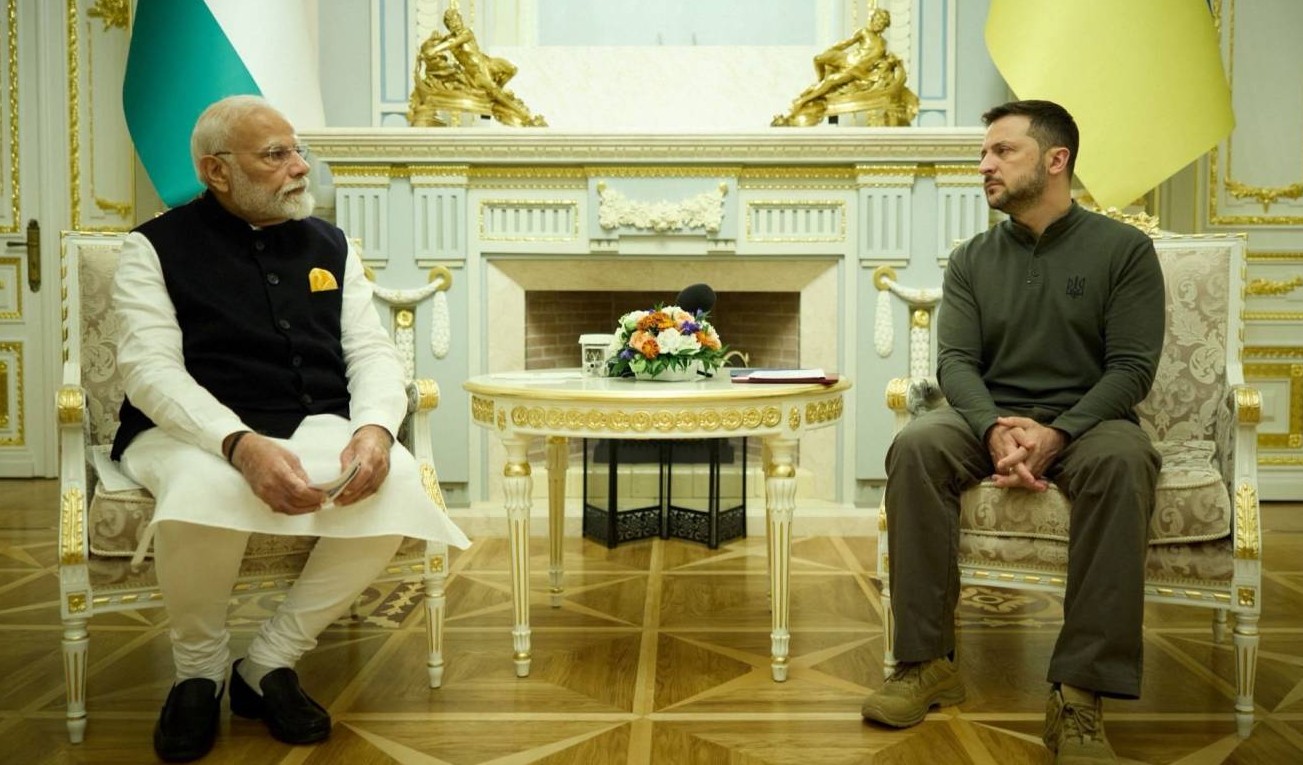
He travels at the invitation of the Indian prime minister, Narendra Modi. The main engagement is on November 23, when Shah and Modi hold delegation-level talks, address a joint press conference and attend a lunch hosted by the Indian side.
Shah will also call on the president, Droupadi Murmu, meet the external affairs minister, S Jaishankar, and pay floral tributes to Mahatma Gandhi at Rajghat. He returns to Kathmandu the same day.
Nepal’s foreign secretary, Amrit Bahadur Rai, said the official delegation has 34 members, including the finance minister, Swarnim Wagle, the foreign minister, Shisir Khanal, and the prime minister’s chief adviser, Kumar Byanjankar.
A separate 52-member business delegation is travelling at its own expense for a Nepal-India Business Forum meant to attract Indian investment.
The border dispute
The boundary question is the most sensitive item. Nepal says the three areas are part of its sovereign territory, while India rejects the assertion. Relations came under severe strain in 2020, when Kathmandu published a political map showing the three areas as Nepali territory. That followed the inauguration of a road to Kailash Mansarovar via Lipulekh on May 8, 2020, against which Nepal lodged a diplomatic note.
Nepal’s Parliament then amended the Constitution in June 2020 to include the new map.
The issue returned this year under Shah’s government, which is led by the Rastriya Swatantra Party. On May 3, Kathmandu objected to India and China conducting the Kailash Mansarovar Yatra through Lipulekh.
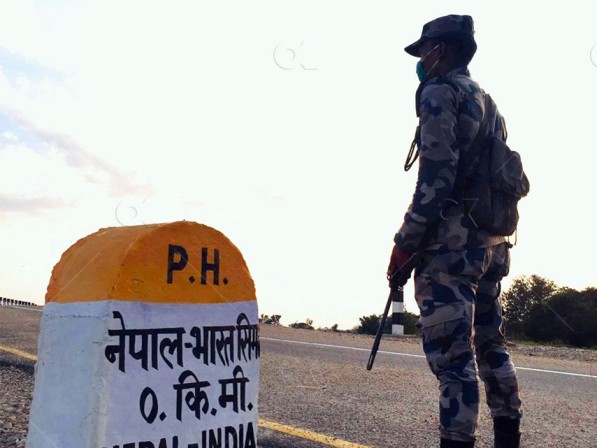
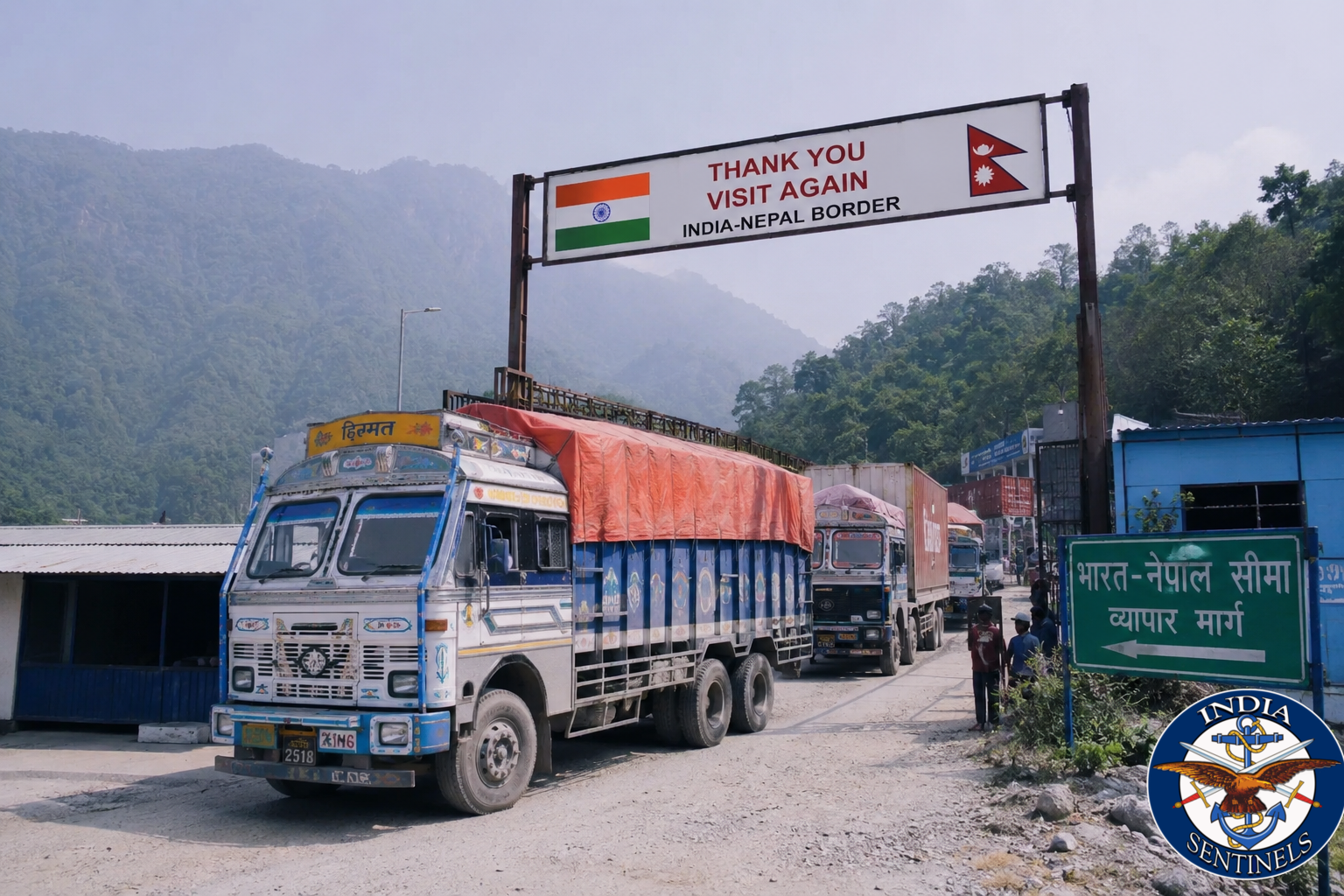

India rejected the objection the same day, saying Nepal's territorial claims were neither justified nor based on historical facts and evidence.
India sent pilgrims through the pass this year regardless, and Nepali reports say India-China trade through Lipulekh has continued despite Kathmandu's protests.
Nepali officials hope the issue will be taken up. They said the boundary disputes over Kalapani and Susta did not figure in the meetings held in Kathmandu by the Indian foreign secretary, Vikram Misri, but that they hope to see them on the agenda for the prime ministers' talks. The Indian side has not said whether it will discuss the matter.
Flood aid and connectivity
Kathmandu has formally proposed $2 billion in Indian assistance: $1 billion in lines of credit, $500 million in grants and $500 million for rebuilding after the August 26 floods in the Rasuwa–Bhotekoshi corridor.
India is expected to announce an economic package for Nepal, and Misri has said India is ready to consider the reconstruction proposals.
Other Nepali priorities include:
Air routes
Nepal has sought additional air-entry points from India since 2014 to make its airports at Bhairahawa and Pokhara commercially viable.
Pancheshwar project
The hydropower project, conceived under the 1996 Mahakali Treaty, has stayed largely on paper. Officials have narrowed differences on cost-sharing to a split of 25:75 or 30:70, but water-sharing remains unresolved.
Trade
India is Nepal’s largest trading partner and a major source of investment, but the widening trade deficit is putting pressure on Nepal's external sector.
Projects and agreements
The two prime ministers are expected to inaugurate the Nepal Police Academy at Panauti, a bridge in Darchula, the integrated check post at Bhairahawa and a motorable bridge over the Mahakali River.
They are also due to start construction of the integrated check post at Dodhara Chandani, the Lower Arun hydropower project and a petroleum pipeline from Siliguri to Charali in Jhapa.
India has also said a rail service between Ayodhya and Janakpur is ready, after a trial run this month. Memorandums of understanding covering education, health, agriculture, sports, disaster management and human resource development are to be exchanged.
Political backdrop
The visit also reflects Nepal’s political transition after the Gen Z-led protests of September 2025, which brought down the government of KP Sharma Oli.
Shah’s government took office in March, and Modi invited him soon afterwards. Nepali prime ministers have traditionally made India their first bilateral destination, a practice Oli broke in 2024 by choosing China. Shah’s choice is therefore being read as a diplomatic signal.
For New Delhi, close ties with Nepal matter because of the shared border, extensive economic links and deep people-to-people connections.
For Kathmandu, the challenge is to balance its diplomatic priorities while safeguarding its territorial claims and economic interests. Whether the visit produces more than symbolism will depend on how far the two sides can turn their agreements into delivery on the ground.