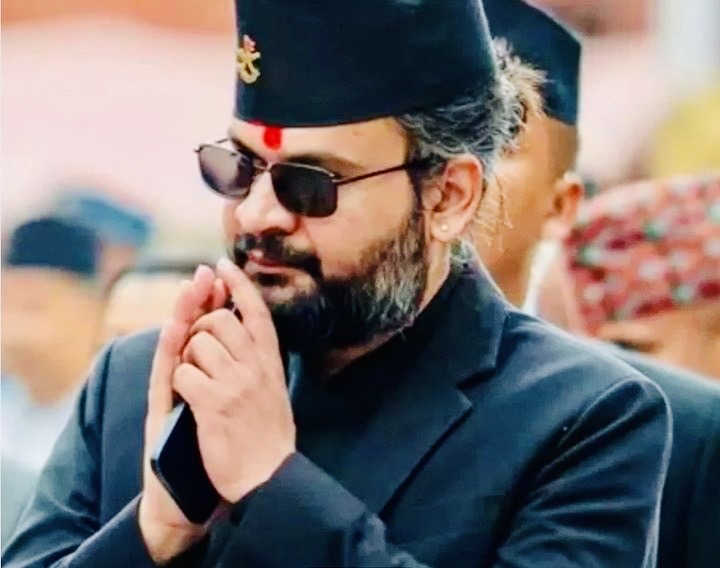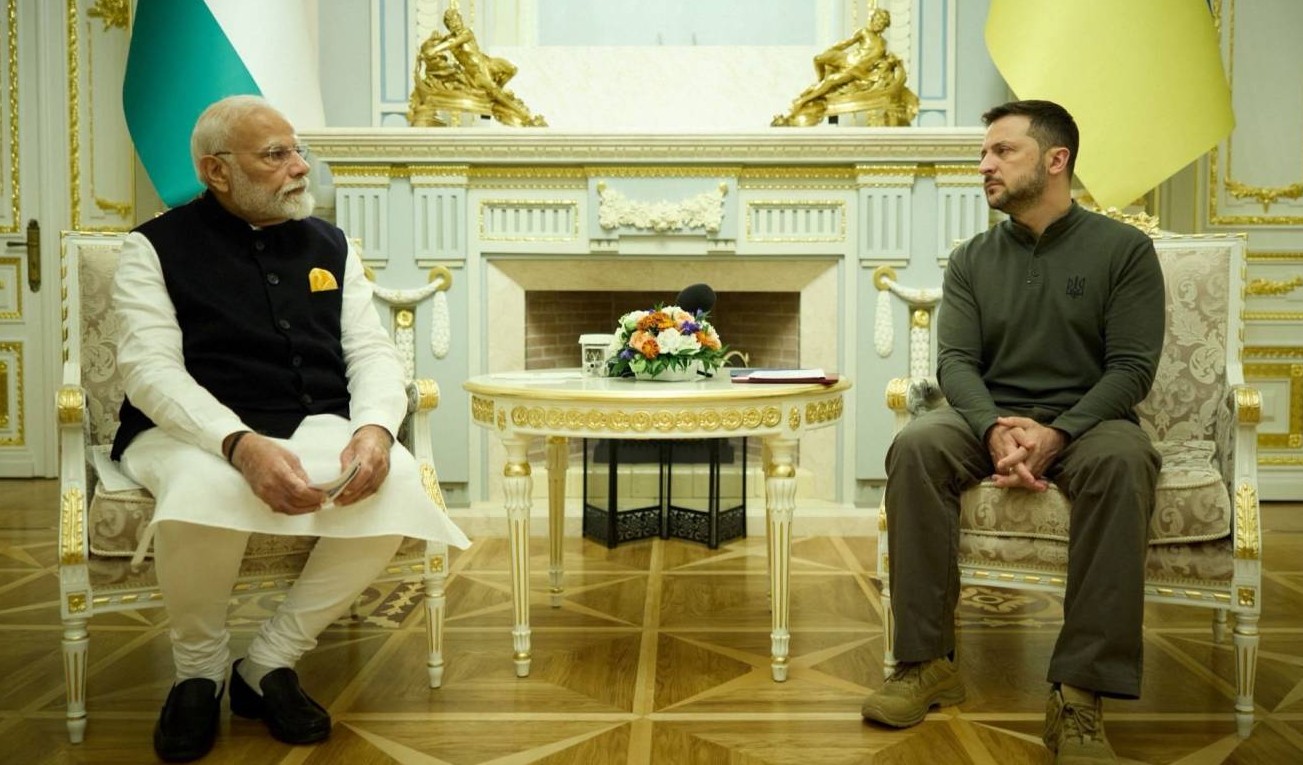
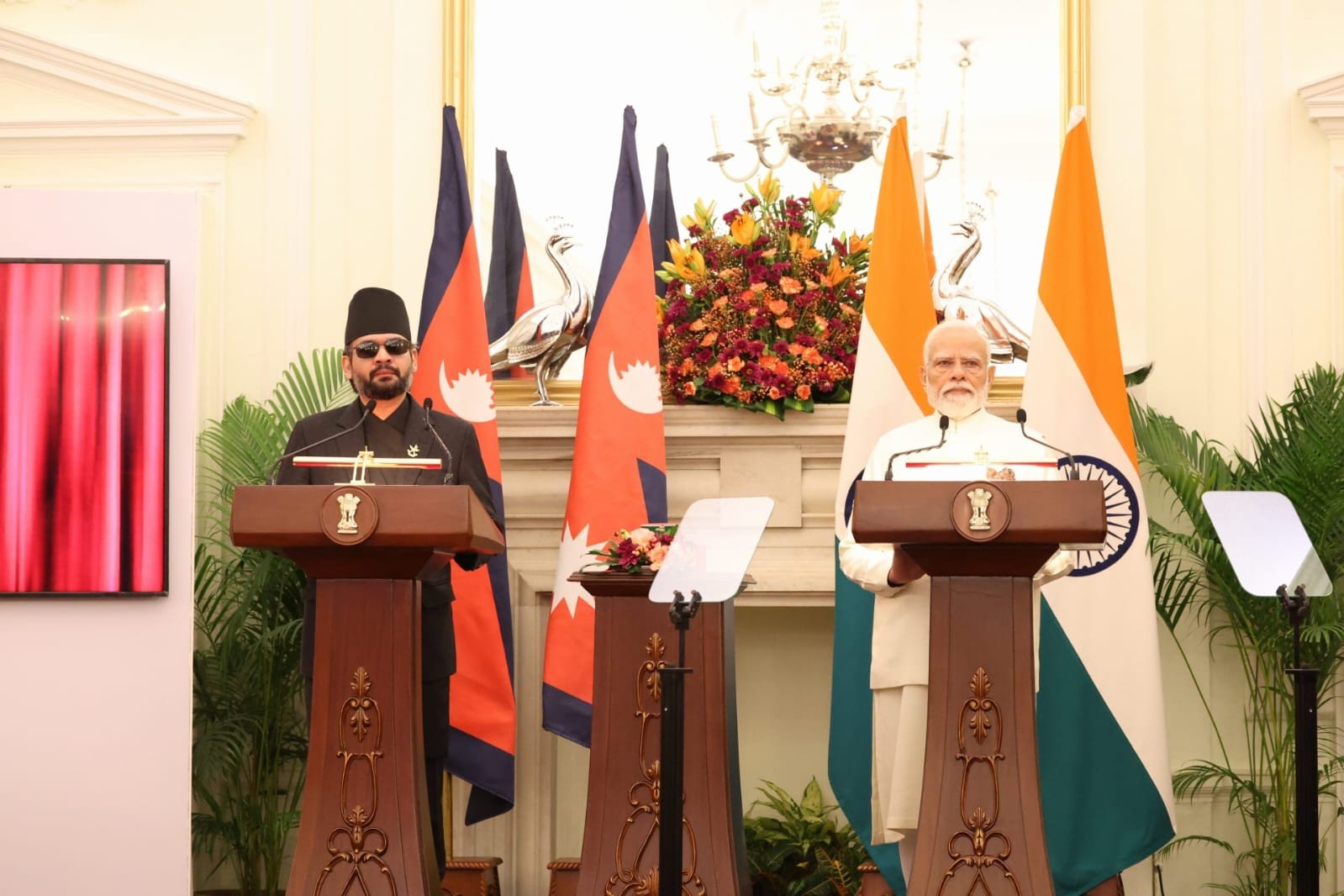
New Delhi: India and Nepal signed eight memorandums of understanding (MoUs) and moved six connectivity and energy projects forward on Monday, after the prime minister, Narendra Modi, held talks in New Delhi with his Nepalese counterpart, Balendra Shah.
Modi announced an economic package of 240 billion Nepalese rupees (about $1.62 billion) for Nepal, which is still recovering from floods in August. The floods killed about 1,500 people, and another 5,200 were reported missing and presumed dead.
Shah is on a two-day state visit that began on November 22, at Modi's invitation. It is his first bilateral trip abroad since he took office in March 2026.
Agreements on security, training and technology
The MoUs cover policing, forensic sciences, civil service training, traditional medicine, satellite communication, sustainable urban development, healthcare, and livestock and fisheries.
On security, the National Forensic Sciences University in Gandhinagar will work with the Crime Investigation Department of Nepal Police on academic and research projects.
Rashtriya Raksha University and Nepal's National Police Academy signed a separate agreement. The National Centre for Good Governance will train Nepalese civil servants with the Nepal Administrative Staff College.
The two countries will also cooperate in Ayurveda and other traditional systems of medicine.
Under another MoU, the Indian Space Research Organisation (Isro) and Nepal's Ministry of Information and Communication will set up a satellite communication network using the South Asia Satellite, which India launched in 2017.
Six projects in rail, road and energy
The Saryu-Kamala Express rail service between Ayodhya in Uttar Pradesh and Janakpur in Nepal was among the initiatives taken up.
India laid the foundation stone for an Integrated Check Post at Banbasa. Work on similar posts at Bhairahawa, Sunauli and Dodhara Chandani is under way.
A new motorable bridge linking Dharchula in India with Darchula in Nepal was inaugurated.
The foundation stone was laid for the 669-MW Lower Arun Hydroelectric Project.
Phase II of the Motihari-Amlekhgunj pipeline was dedicated. The first phase, opened in 2019, was South Asia's first cross-border petroleum pipeline.
A petroleum terminal at Jhapa, part of the proposed Siliguri-Jhapa pipeline, also received its foundation stone.
Leaders' remarks
Modi said India had kept up supplies of fuel and other essential goods to Nepal despite oil supply difficulties this year. He said the two countries would together write a golden chapter in their relations.
Shah said mutual respect, trust and goodwill underpin the relationship, which he described as "”as firm as the Himalayas and as vast as oceans”.
He had also thanked Modi and the Indian government for their support after the Rasuwa-Bhotekoshi floods.
Background
The Kathmandu Post had described the visit as coming at a critical juncture in bilateral relations, with reconstruction aid, strategic ties and pending disputes on the agenda. The accounts of Monday's talks available so far do not say whether the disputes were discussed.