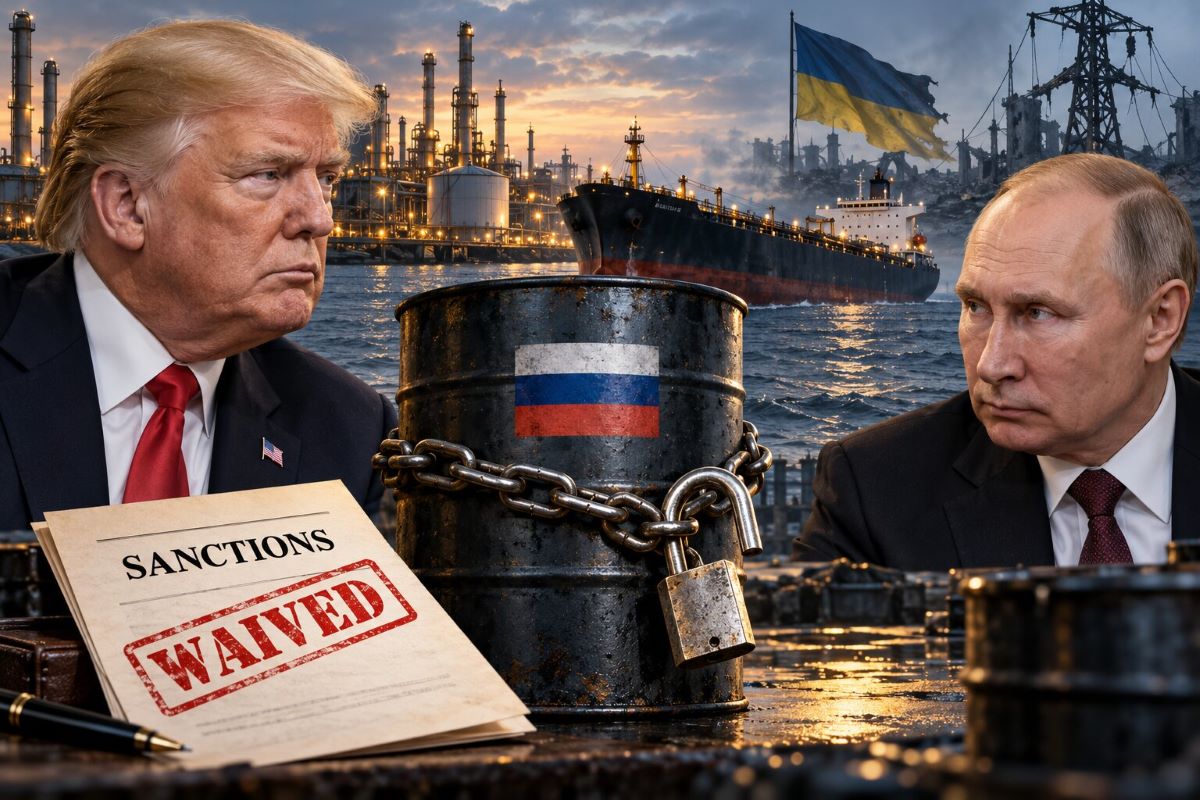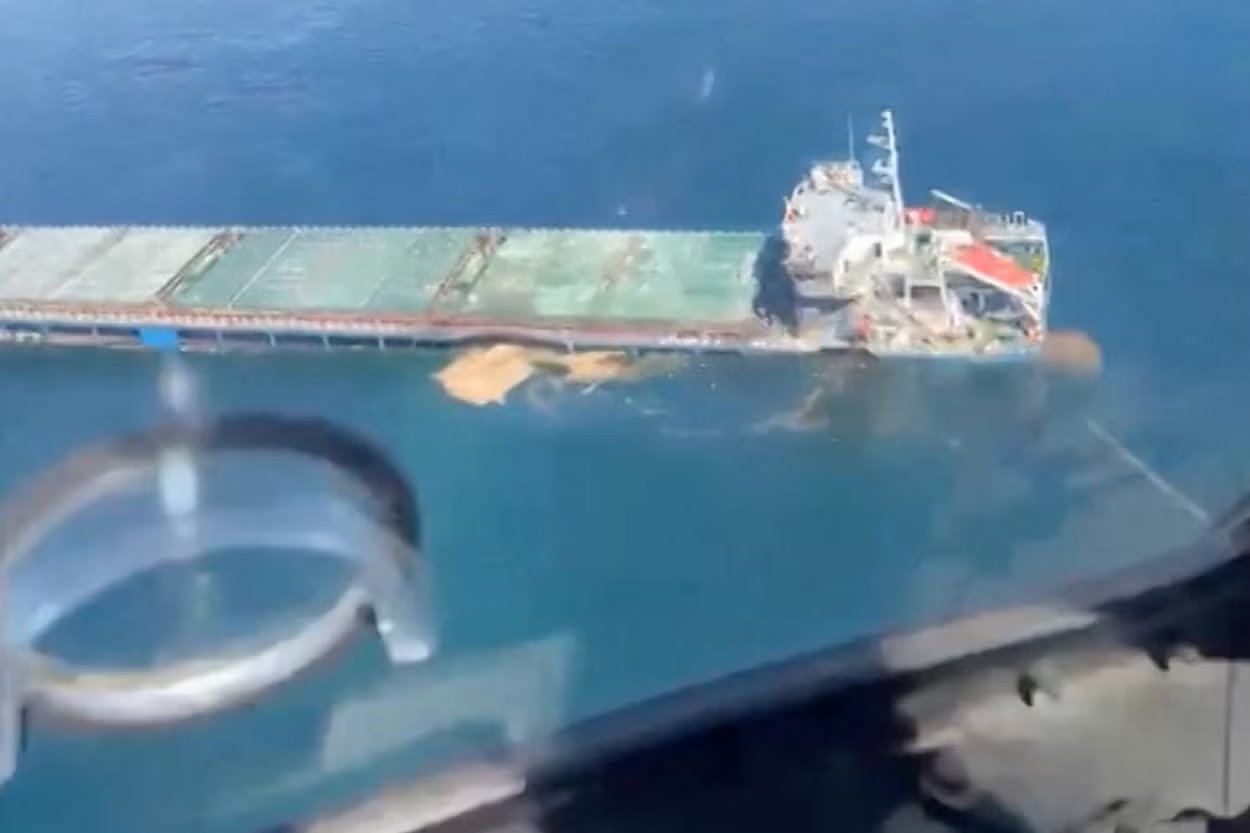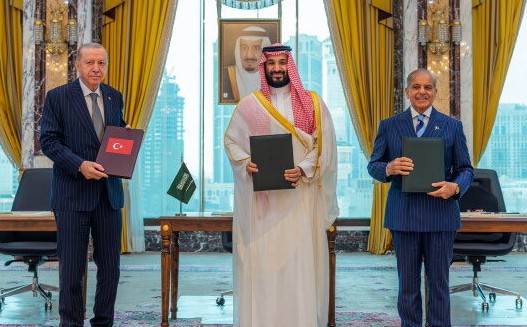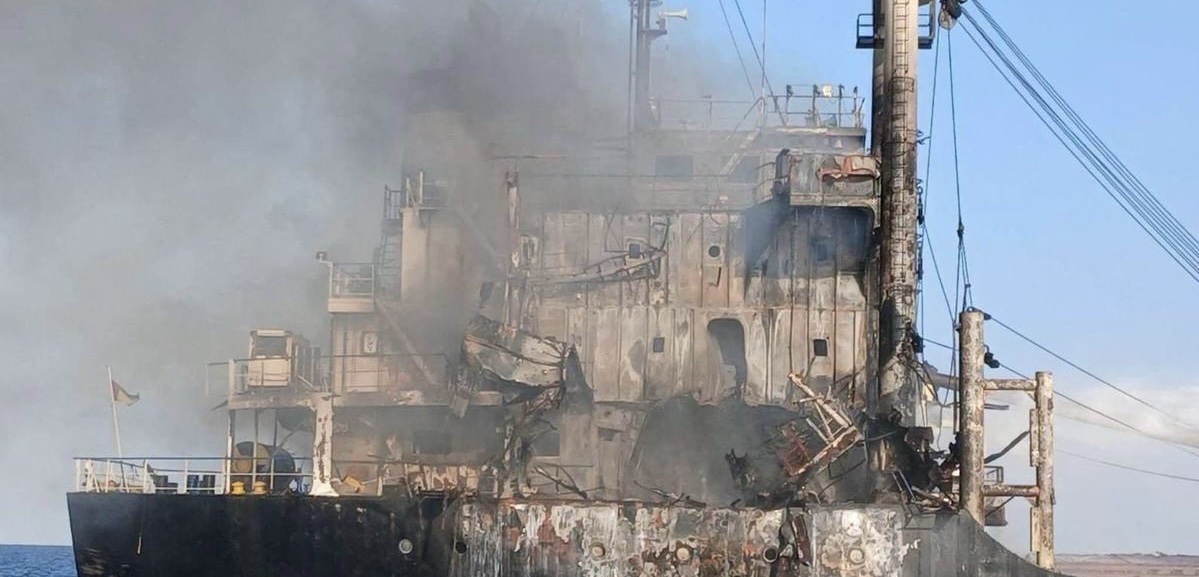
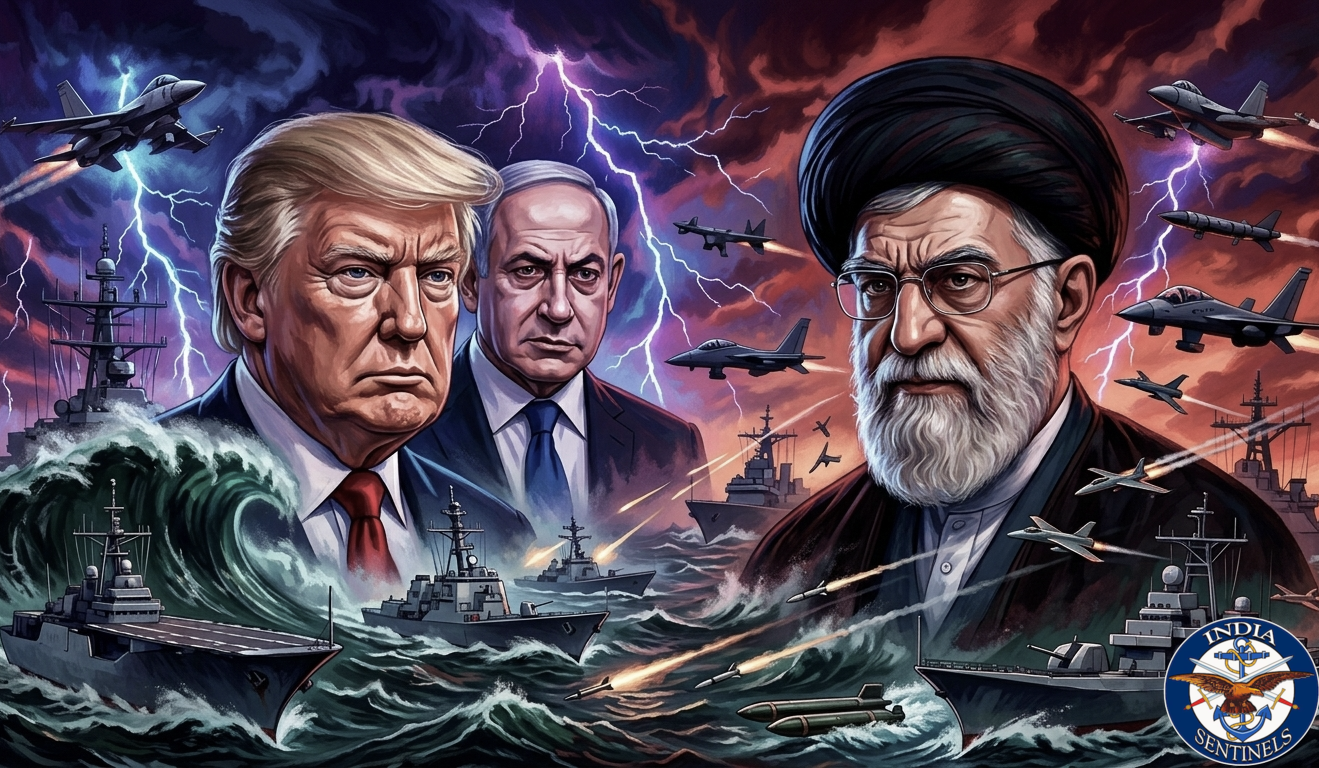
 Illustration for representation. (© India Sentinels 2026–27)
New Delhi: In the early hours of Saturday, residents of Tehran woke to the sound of explosions. Fireballs lit the skyline; smoke columns rose over government compounds. Simultaneously, sirens screamed across Israel and missile alerts sounded in four Gulf states. Within minutes, it was clear: the United States and Israel had launched the largest joint military operation against Iran in history.
The strikes – codenamed Operation Epic Fury by Washington and Roaring Lion by Tel Aviv – were not a surprise to those who had been tracking the region’s fault lines for years. What was stunning was their timing: they came within 48 hours of Oman’s foreign minister, Sayyid Badr bin Hamad Al Busaidi, publicly announcing “significant progress” in American-Iranian nuclear talks in Geneva, with technical negotiations scheduled next in Vienna.
The collapse of that diplomatic track – and the immediate plunge into open war – has sent shockwaves well beyond Tehran and Tel Aviv. For India, a country with nearly half its crude oil imports transiting the Strait of Hormuz, millions of workers across the Gulf, and relationships on all sides of this conflict, the stakes could not be higher.
Read also: Netanyahu’s War, America’s Blood – The trap being set in the Persian Gulf
The Road to War: Diplomacy’s Last Days
Tensions between Iran and the west over Tehran’s nuclear and missile programmes have run for two decades, but the past two years produced a particularly volatile cycle of escalation. After repeated exchanges of covert operations, cyber-attacks and proxy strikes, 2024-25 saw direct military confrontations between Israel and Iran: Iranian ballistic missiles struck Israeli cities; Israeli airstrikes hit Iranian territory in return.
In June 2025, American forces joined Israel in a limited but lethal campaign against Iranian nuclear facilities. Washington claimed the strikes had significantly degraded Iran’s programme. Tehran retaliated against US bases in Qatar. A ceasefire followed, which India publicly welcomed, reiterating that “there is no alternative to dialogue and diplomacy” in West Asia. Analysts at the Stimson Center, however, were more cautious, noting that deterrence appeared “temporary rather than transformative” – Iran was rebuilding, and Israel’s security establishment believed only sustained American involvement could fundamentally alter Tehran’s trajectory.
Maximum Pressure Returns
The return of the president, Donald Trump, to the White House in January 2025 reinserted maximalist demands into US policy. Trump dispatched what he called an “armada” to the region – multiple carrier strike groups and additional air assets – and issued three core demands: a permanent end to all uranium enrichment on Iranian soil, strict curbs on its ballistic missile programme, and a halt to Tehran’s support for regional armed groups, including Hamas, Hezbollah and the Houthis.
Tehran refused to treat missiles or regional policy as negotiable. Nevertheless, under mounting economic pressure and facing intermittent protests at home, Iran agreed to renewed indirect talks with Washington, with Oman again stepping in as mediator, as it had done in the run-up to the 2015 nuclear deal.
Talks, Progress – Then Silence
The first publicly acknowledged round of this new backchannel took place in Muscat in early February 2026. Iran’s foreign minister, Abbas Araghchi, called the discussions a “good start”, stressing that Tehran would only discuss nuclear issues and would not negotiate over missiles or proxies. Sayyid Badr, shuttling between delegations, called the talks “very serious” and hinted that a framework for further engagement was within reach.
A second phase followed in Geneva. On February 17, Oman’s foreign ministry said the talks had made “good progress towards identifying common goals.” By February 26, the tone had strengthened to “significant progress,” with technical discussions in Vienna to follow. In a television interview two days before the strikes, Sayyid Badr reiterated that both sides appeared close to a workable formula. IAEA officials were preparing to host technical teams. Energy analysts reported that crude prices had risen in anticipation of either a deal or a sharp escalation.
Yet the Geneva track collapsed in the final days before February 28. American officials briefed journalists that Iran refused to accept permanent limits on enrichment and continued to reject meaningful curbs on its missile programme. Iranian officials insisted they were negotiating “under threats” and that any agreement had to recognise Iran’s rights under the Non-Proliferation Treaty. The precise trigger for the breakdown remains contested, but the outcome is stark: bombs fell within days of what the mediator had described as a diplomatic breakthrough.
Chatham House analysts argue that Washington’s shift from high-stakes diplomacy to overt military action reflects a broader desire within the Trump administration to “redefine the terms” of a 47-year confrontation – moving beyond coercive bargaining toward reshaping Iran’s internal politics altogether. The International Campaign to Abolish Nuclear Weapons pointed out that, as of last week, neither international agencies nor US intelligence publicly assessed Iran as running an active nuclear weapons programme.
The Strikes
Scope and Declared Objectives
The Pentagon confirmed it had begun “major combat operations” under Operation Epic Fury. Trump, in an eight-minute video on Truth Social, announced a “massive and ongoing operation” to prevent “this very wicked, radical dictatorship” from threatening the US, vowing to “destroy their missiles and raze their missile industry to the ground.”
Two features distinguished these strikes from all previous rounds of Israeli or American action against Iran. First, the scale of joint planning was unprecedented – months of coordination between US and Israeli commands, encompassing both air and naval components across multiple theatres. Second, and more consequentially, both leaders explicitly linked the campaign to regime change.
Trump urged Iran’s Islamic Revolutionary Guard Corps (IRGC) to “lay down your weapons and have complete immunity, or in the alternative, face certain death,” and told ordinary Iranians: “When we are finished, take over your government. It will be yours to take. This will probably be your only chance for generations.” The Israeli prime minister, Benjamin Netanyahu, said the goal was to “remove the existential threat posed by the terror regime” and “create the conditions for the brave Iranian people to take their destiny into their own hands.”
What Was Hit – and What Remains Unknown
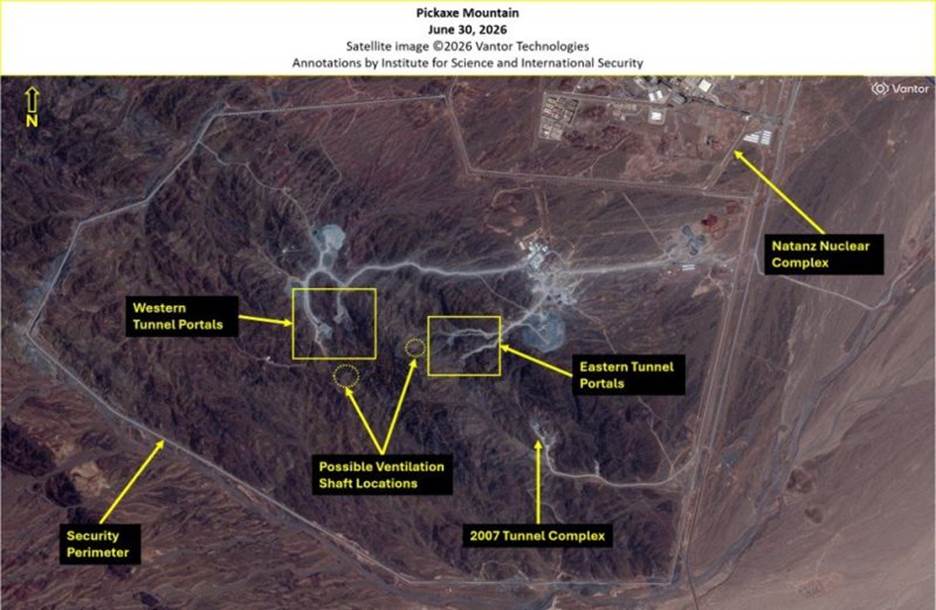
According to early reporting compiled by the BBC, CNN, Reuters and Al Jazeera, the initial wave of strikes targeted a dense and deliberate set of sites across Iran. Multiple explosions were reported near the compound associated with the supreme leader, Ali Khamenei, with commercial satellite imagery indicating extensive damage – though his exact whereabouts remain unconfirmed. Strikes also hit Isfahan, Qom, Karaj and Kermanshah, locations associated with missile production, storage and launch sites, air-defence radars and nuclear-related facilities.
American and Israeli officials briefed that the opening salvos focused on ballistic missile launchers, command-and-control centres, air-defence systems and selected IRGC bases. Unnamed sources told several outlets that the operation aimed to “decapitate” elements of the Iranian leadership, including Khamenei and the president, Masoud Pezeshkian. Iranian officials denied that any senior leaders had been killed. Some Israeli media reported that Ali Shamkhani, secretary of Iran’s Supreme National Security Council, may have been targeted and possibly killed – this has not been independently verified.
Comprehensive damage assessment will take days, given widespread power cuts, disrupted mobile networks and restricted internet access. What is clear from the target set alone is the signal being sent: no part of Iran’s security architecture is considered off-limits.
Civilian Casualties: Contested and Unverified
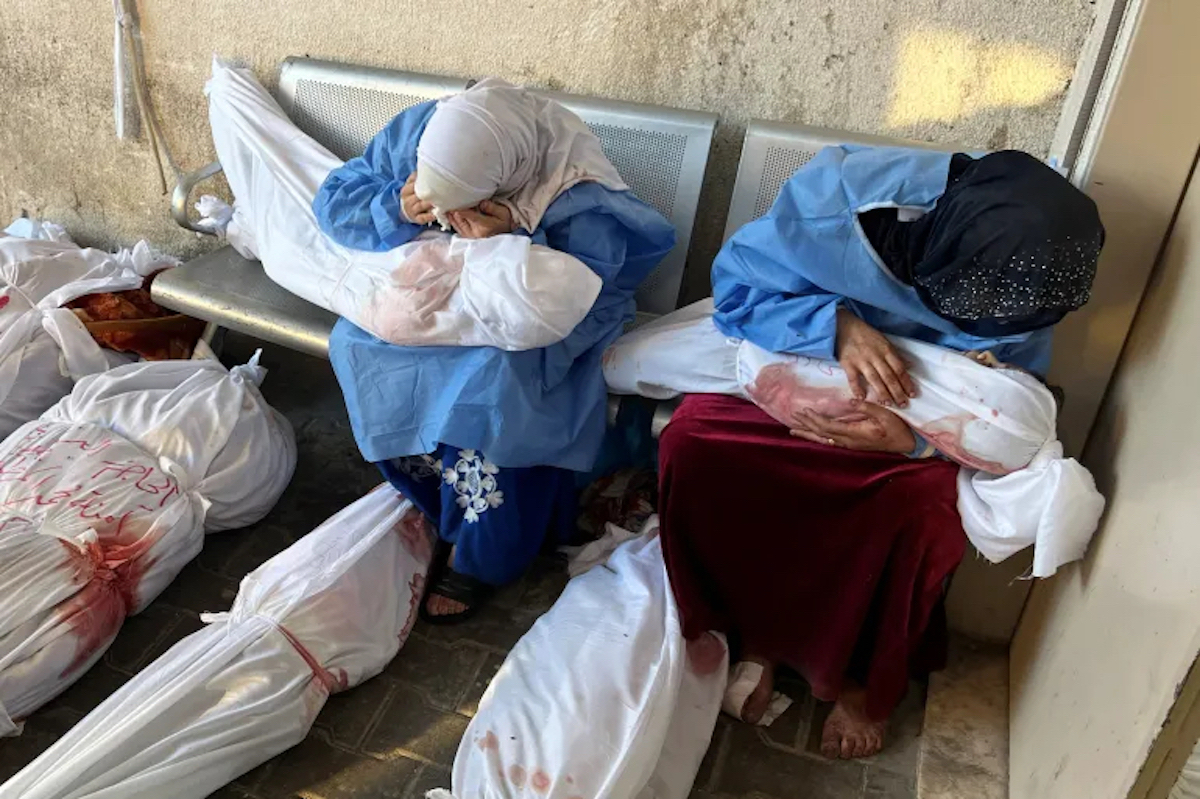
Iranian state media reported that American-Israeli strikes hit a girls’ school in southern Iran, killing over 50 students and injuring many more. Local officials in Hormozgan province echoed those claims; foreign minister Araghchi vowed the attack on children “will not go unanswered”. Independent verification remains limited at time of writing. Major international outlets are relaying Iranian accounts with the caveat that casualty figures cannot yet be confirmed. Early social media footage, some geolocated by newsrooms, shows damaged residential buildings and panicked civilians in Tehran and other cities.
Iran Fires Back: Missiles, Drones and a Widening Theatre
Within hours of the first explosions in Tehran, Iran launched its own response. The IRGC fired a mix of ballistic missiles and armed drones at Israeli territory and at American military facilities in at least four Gulf states – Qatar, Bahrain, Kuwait and the United Arab Emirates – as well as bases in Jordan and Saudi Arabia, according to US and regional officials.
Israeli air defences, already at high alert, intercepted many incoming projectiles, with smoke trails visible over Tel Aviv. The Israel Defence Forces imposed civil defence measures and moved some hospital operations underground. In the Gulf, Qatar and the UAE reported missile interceptions near bases hosting American troops; Bahrain and Kuwait recorded attempted strikes, most of which were neutralized by US and local air defences.
Iranian officials framed the strikes as “proportionate retaliation” and warned that all US and Israeli assets in the region are now legitimate targets. Chatham House experts note that from Tehran’s perspective the stakes are existential, leaving little incentive to keep the confrontation narrow. Broadening the theatre to include American partners is a way to increase pressure on Washington and force its allies to bear costs.
Confirmed casualties outside Iran remain limited at this stage, though symbolically significant. The UAE’s defence ministry reported that an Asian migrant worker was killed by falling debris after air defences intercepted an Iranian missile near an Abu Dhabi base hosting US troops. Injuries from shock and shrapnel were reported across parts of Israel and the Gulf, but comprehensive figures had not been published at the time of going to press.
The Proxy Question
Iran’s network of regional partners – the Houthis in Yemen, Hezbollah in Lebanon, and allied militias in Iraq and Syria – is a key variable in any escalation scenario. Shortly after the strikes, the Houthis announced they would resume or intensify attacks on Red Sea shipping in solidarity with Iran. On the other hand, it seems that Hezbollah is more apprehensive. In fact, as several Middle East and geopolitical observers have analysed, they are currently in a weakened position following past battles and might not want to get into a high-intensity conflict that could prompt Israeli retaliation without any strategic benefit.
Atlantic Council experts suggest Tehran may initially rely on its own missile arsenal and limited proxy actions to raise costs, rather than triggering all-out regional war. The risk of miscalculation remains high, however – particularly if civilian casualties inside Iran mount or if leadership strikes succeed.
India: Energy, Diaspora and a Familiar Dilemma
New Delhi’s Official Position
Meanwhile, here in India, the Ministry of External Affairs (MEA) issued a formal statement on Saturday saying the government is “deeply concerned at the recent developments in Iran and the Gulf region” and urging “all sides to exercise restraint, avoid escalation, and prioritize the safety of civilians”. The statement called for “dialogue and diplomacy”, stressed that the “sovereignty and territorial integrity of all states must be respected” – language that implicitly pushes back against regime-change rhetoric without explicitly condemning any party – and confirmed that Indian missions across Tehran, Doha, Abu Dhabi, Dubai and elsewhere are in close contact with Indian nationals.
Advisories from Indian embassies in Qatar, the UAE, and Israel urge nationals to exercise “utmost caution,” reduce non-essential movement and maintain regular contact with consular officials. The external affairs minister, S Jaishankar, and MEA spokespersons have emphasized India’s consistent line: maximum restraint, protection of civilians, the primacy of diplomatic solutions, and contingency planning for the diaspora.
The Energy Exposure
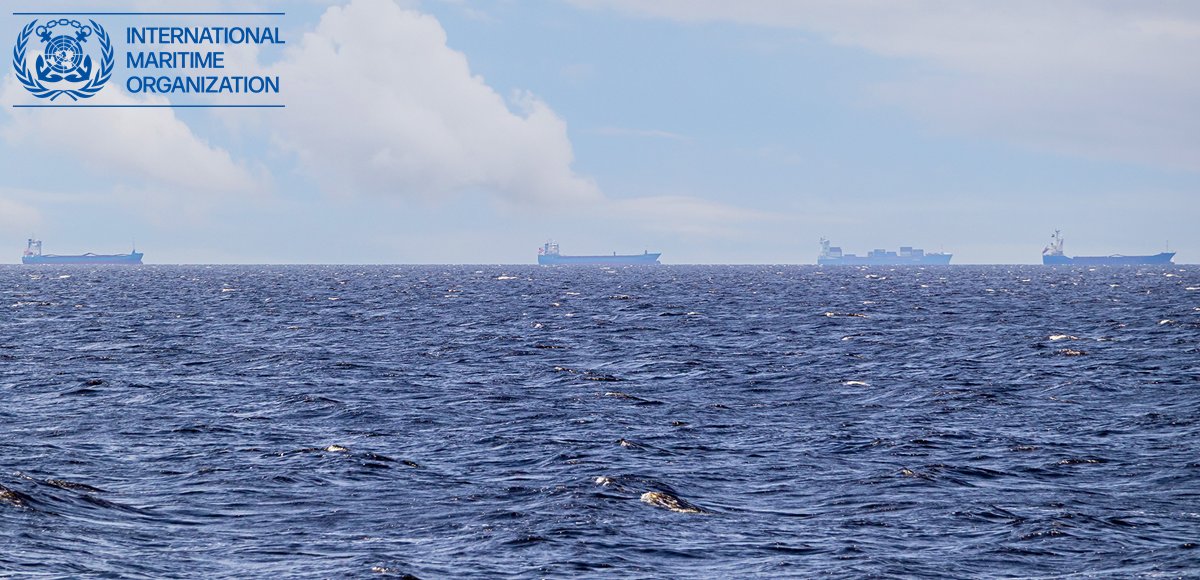
The structural risk to India is stark. Nearly half of India’s crude oil imports in January-February 2026 transit the Strait of Hormuz – up from around 40 per cent in late 2025, as New Delhi recalibrated away from Russian barrels and increased purchases from Iraq, Saudi Arabia, the UAE and Kuwait. Analytics firm Kpler estimates that around 2.6 million barrels per day of Indian crude imports currently move through Hormuz. A serious disruption could affect roughly half of inbound supply.
Oil markets had already priced in some geopolitical risk, with Brent crude trading around $73 per barrel before the strikes – roughly 20 per cent higher than at the start of the year. Following the strikes, both Brent and West Texas Intermediate futures jumped nearly three per cent in immediate trading. Analysts warn that without swift de-escalation, prices could spike by $10-$20 per barrel when markets reopen, particularly if shipping or production infrastructure in the Gulf is hit. For India, a sustained rise of that magnitude would inflate the import bill, widen the current account deficit, and put pressure on the rupee and inflation.
Modi in Tel Aviv: An Ill-Timed Embrace
It is difficult, in the current circumstances, to avoid reflecting on the India-Israel joint statement of February 26 – issued just two days before the strikes – which proclaimed a “Special Strategic Partnership” focused on security cooperation, counterterrorism and advanced defence systems. The timing of the Israel visit by prime minister, Narendra Modi, which produced that statement, has drawn sharp criticism from Indian strategic analysts and former diplomats.
Many experts argue that the visit was not merely ill-timed but tantamount to abandoning an old friend at a moment of crisis – and walking away from decades of principled Indian policy on Palestine and West Asia. Iran has been a strategic partner for India long before the current nuclear standoff: it is the gateway to the International North-South Transport Corridor, the host of Chabahar port, and a longstanding partner in India’s connectivity ambitions to Central Asia and Afghanistan.
More fundamentally, India’s moral authority in the region has historically rested on its consistent, non-partisan advocacy for Palestinian self-determination and its refusal to be seen as taking sides in Sunni-Shia or Arab-Israeli fault lines.
That authority has been visibly eroded. The joint statement, coming as American and Israeli war plans were clearly finalized, gave the appearance of Indian endorsement – or at the very least, Indian indifference – to what followed. New Delhi will likely insist that defence cooperation with Israel does not imply support for a military campaign of this scale or with these stated objectives. However, perceptions, especially in Tehran and among Arab publics, are difficult to walk back. India’s carefully cultivated image as an “honest broker” has taken a blow it will need considerable diplomatic work to repair.
The Chabahar Complication
The Chabahar port project – in which India has invested significantly and which bypasses Pakistan to connect Indian trade to Afghanistan, Iran and Central Asia – now faces acute uncertainty. Any prolonged war that disrupts Iran’s infrastructure, governance or economic stability could jeopardise years of Indian investment and strategic planning. New Delhi had been quietly deepening its Chabahar engagement even as American sanctions constrained the project’s full potential. A war-ravaged Iran is a far less useful partner than a stable one.
Strategic Balancing on a Narrower Ledge
Strategically, India faces a familiar dilemma, but with considerably less room to manoeuvre than in previous crises. Defence and technology ties with Israel have deepened substantially over the past decade, with India now one of Israel’s largest arms customers. At the same time, Iran remains important for connectivity ambitions, energy options, and India’s long-term positioning in the extended neighbourhood. New Delhi also values its relationship with the US, bilaterally and through groupings like the Quad.
Indian foreign policy has systematically resisted binary alignments in West Asia, preferring strategic autonomy and case-by-case engagement. In practice, this means India is unlikely to endorse the regime-change dimension of Operation Epic Fury, even as it continues defence cooperation with Israel and dialogue with Washington. India’s language on “sovereignty and territorial integrity” and its appeals for diplomacy are attempts to keep channels open to all sides, preserve space for future mediation, and protect core interests – energy, diaspora, and regional stability – from the worst outcomes of a war it neither triggered nor desires.
The question is whether that balancing act, strained by the Tel Aviv visit, can be restored quickly enough to matter.
Where Does This War Go? Four Scenarios
Any attempt to predict the course of a conflict in its opening hours must be treated with caution. Drawing on early analysis from Chatham House, the Atlantic Council, the Economist, the Stimson Center and the Council on Foreign Relations, four broad trajectories emerge.
Scenario One: Short Campaign, Return to Talks
In this scenario, American and Israeli strikes severely degrade Iran’s missile and nuclear infrastructure and kill some senior officials, while Iran’s retaliation remains largely confined to military targets with limited civilian casualties outside Iran. After several days of intense exchanges and oil price spikes, both sides accept mediation – potentially from Oman, Qatar or a broader grouping – and return to a hardened diplomatic track, perhaps with new technical constraints on Iran’s programme. Most analysts consider this relatively unlikely in the immediate term, because Washington has set regime change as an explicit goal and Tehran views the conflict as existential. De-escalation is hard when both sides believe further pressure may improve their position.
Scenario Two: Protracted Air Campaign, No Regime Collapse
This is the scenario many analysts see as most plausible. The US and Israel continue periodic waves of strikes over weeks, targeting military infrastructure and leadership compounds, while Iran sustains missile and drone attacks and limited proxy actions across the region. Oil and financial markets adjust to a new risk premium, with episodes of sharp price volatility. Casualties accumulate, especially inside Iran, and regional governments face pressure from their populations for either stronger condemnation or active involvement. After some months, war-weariness, economic costs and international diplomatic pressure push both sides toward an informal ceasefire or “frozen” conflict, with the Iranian regime battered but intact and its nuclear and missile programmes set back but not eliminated. This would resemble, at greater intensity, previous cycles in which Israel proclaimed significant degradation of Iranian capabilities, only for Tehran to begin rebuilding.
Scenario Three: Partial Regime Fragmentation and Internal Turmoil
A more dangerous scenario involves successful decapitation strikes or cumulative pressure triggering elite splits within Iran – between political leadership and segments of the IRGC – without a coherent opposition ready to fill the vacuum. Historical experience in Iraq and Libya suggests that the destruction of central authority without a clear transition plan can produce prolonged violence, militia competition and regional spillovers that prove far more costly than the original conflict. Chatham House and Atlantic Council analysts caution that while some in Washington and Tel Aviv may hope for such “creative destruction,” the grey zone between dictatorship and stable alternative carries the gravest risks for proliferation, terrorism and humanitarian catastrophe.
Scenario Four: Regional Escalation into Wider War
The least likely but most catastrophic trajectory would see Iran or its partners launching major attacks on Gulf oil infrastructure or densely populated urban centres in Israel or the Gulf, prompting either a large-scale American-led ground operation in Iran or direct involvement of Arab states. Air and missile strikes have already drawn Gulf monarchies into the crossfire – as hosts of American bases and as targets of Iranian retaliation. A miscalculated strike causing mass casualties in Riyadh or Dubai could shatter current restraint. For now, most regional governments appear desperate to avoid this path. But the longer the war continues, the greater the chance of an incident that forces escalatory choices.
India’s Interest and the Road Ahead
From an Indian policy perspective, the least damaging outcome is a variation of the first scenario: a time-limited campaign followed by a return to negotiations, ideally with some renewed framework that addresses nuclear risks and provides assurances on energy flows and maritime security. India has signalled that it stands ready to support diplomatic efforts, consistent with Jaishankar’s earlier statements that India can “make contributions” by passing messages and providing channels of communication in difficult times. India’s longstanding ability to speak to multiple sides – Iran, Israel, Arab states, the US and Russia – gives it potential, if limited, leverage in any future arrangements on shipping security, humanitarian access or post-war reconstruction.
In the near term, New Delhi will need to focus on three concrete tasks simultaneously. The safety of Indian nationals in Iran, Israel and the wider Gulf must be secured through advisories, possible phased evacuations and coordination with host governments. Energy risks must be hedged by diversifying crude sources where possible, engaging with OPEC+ producers such as Saudi Arabia and the UAE, and considering strategic stock releases or hedging instruments to cushion price spikes. And diplomatic balance must be maintained – avoiding endorsement of regime-change narratives while continuing counter-terrorism and defence cooperation with Israel and strategic dialogue with the US.
The fourth task – less often discussed – is repairing the reputational damage from the Tel Aviv visit. India’s value as a mediator, message-carrier and trusted interlocutor in West Asia depends on its perceived neutrality and its historical association with the Palestinian cause. A course correction, through quiet diplomacy and calibrated public messaging, is urgently needed.
What now?
The joint American-Israeli attack on Iran that began on Saturday marks one of the most significant escalations in West Asia in decades – not only because of the scale of the strikes and the explicit talk of regime change, but because it followed so closely on diplomatic talks that the mediator had publicly described as making substantial progress. The collapse of that track, and the decision to pursue an air campaign with maximalist political objectives, will reverberate far beyond Iran’s borders for years to come.
Expert commentary converges on a sobering judgment: air power, even on the scale of Operation Epic Fury, is unlikely by itself to produce a clean, rapid regime-change outcome in Iran. The more probable risks are a drawn-out confrontation, dangerous internal instability in Iran, or a wider regional war – each with heavy human, economic and strategic costs. As the Economist’s initial coverage noted with uncharacteristic bluntness, “regime change is extremely unlikely to be achieved within days and by air power alone.”
Philip Gordon of the American thinktank Council on Foreign Relations, whose work on past interventions in the region has been widely cited, warns that the “iron rule” of such efforts is that costs are higher than expected, unintended consequences proliferate, and outcomes “leave much to be desired”.
For India, this conflict reopens a familiar but intensifying challenge: how to safeguard core interests – energy, diaspora and regional stability – in a theatre where New Delhi has important relationships with actors now at war with each other. Even a contained conflict will raise India’s import bill and complicate its fiscal management; a prolonged or expanding war could test evacuation capacities and diplomatic agility on a far larger scale.
In this environment, India’s insistence on restraint, respect for sovereignty and the revival of diplomacy is not simply rhetorical. It reflects a clear-headed recognition that the alternatives – an unravelling Iranian state, spiralling oil prices, or a fragmented regional security order – would leave India, along with many others, facing a far more dangerous and unpredictable West Asia for years to come. That recognition, however, needs to be matched with the kind of diplomatic consistency that the Israel visit called into question. Old friendships, long-standing principles, and the trust they generate are not replenished easily – or quickly.
Follow us on social media for quick updates, new photos, videos, and more.
X: https://x.com/indiasentinels
Facebook: https://facebook.com/indiasentinels
Instagram: https://instagram.com/indiasentinels
YouTube: https://youtube.com/indiasentinels
© India Sentinels 2026-27