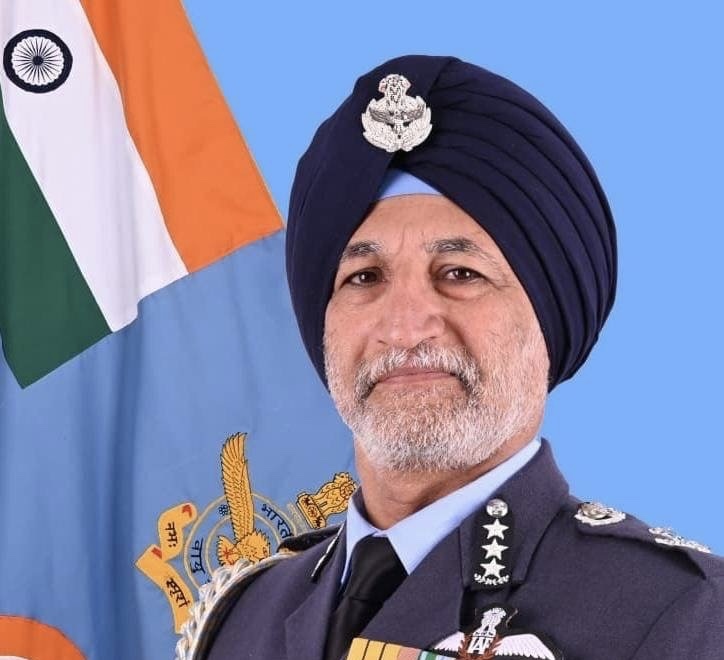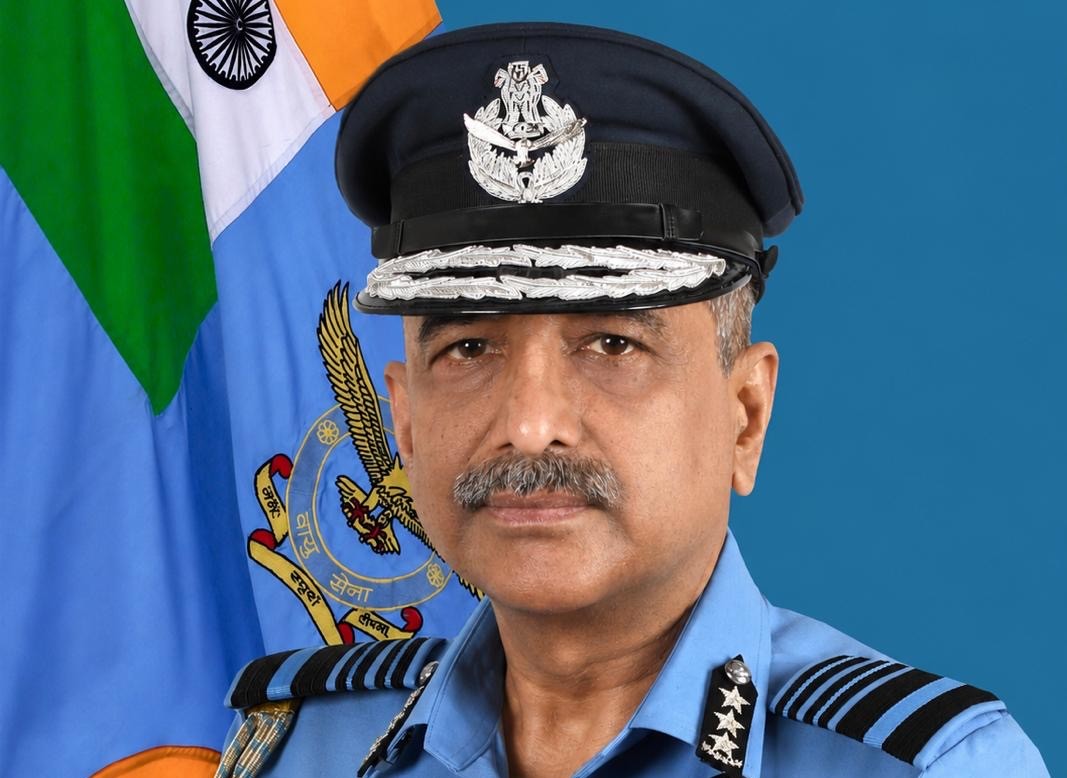
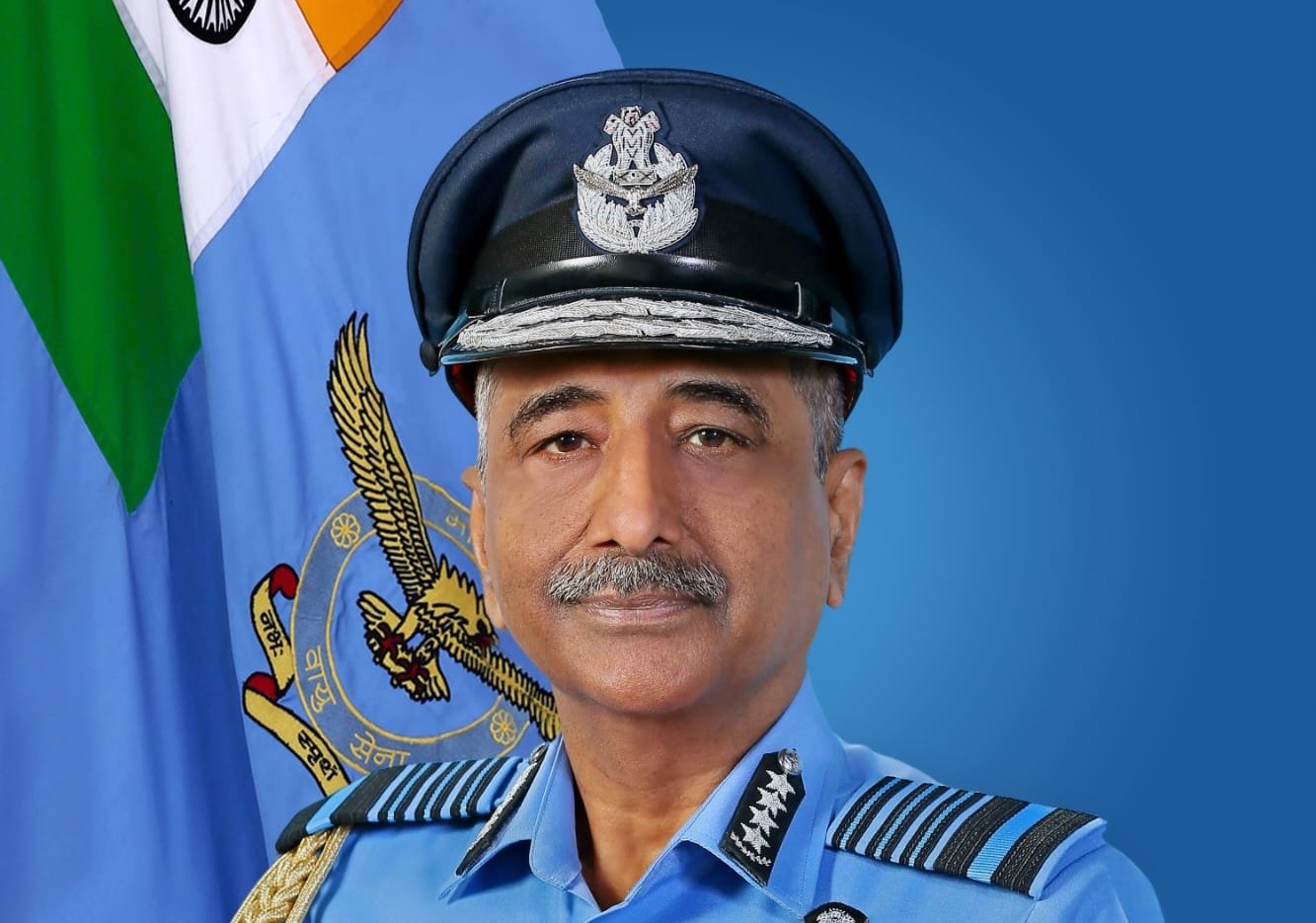
 ACM Ashutosh Dixit. (Photo: IAF)
New Delhi: Indian Air Force chief ACM Ashutosh Dixit on Sunday ranked the Tejas-Mk1A and Tejas-Mk2 fighters, the Advanced Medium Combat Aircraft (AMCA), and Indian-made sensors and weapons as the top priorities of the Indian Air Force (IAF). He was speaking a day after he took over as the 29th chief of the air staff.
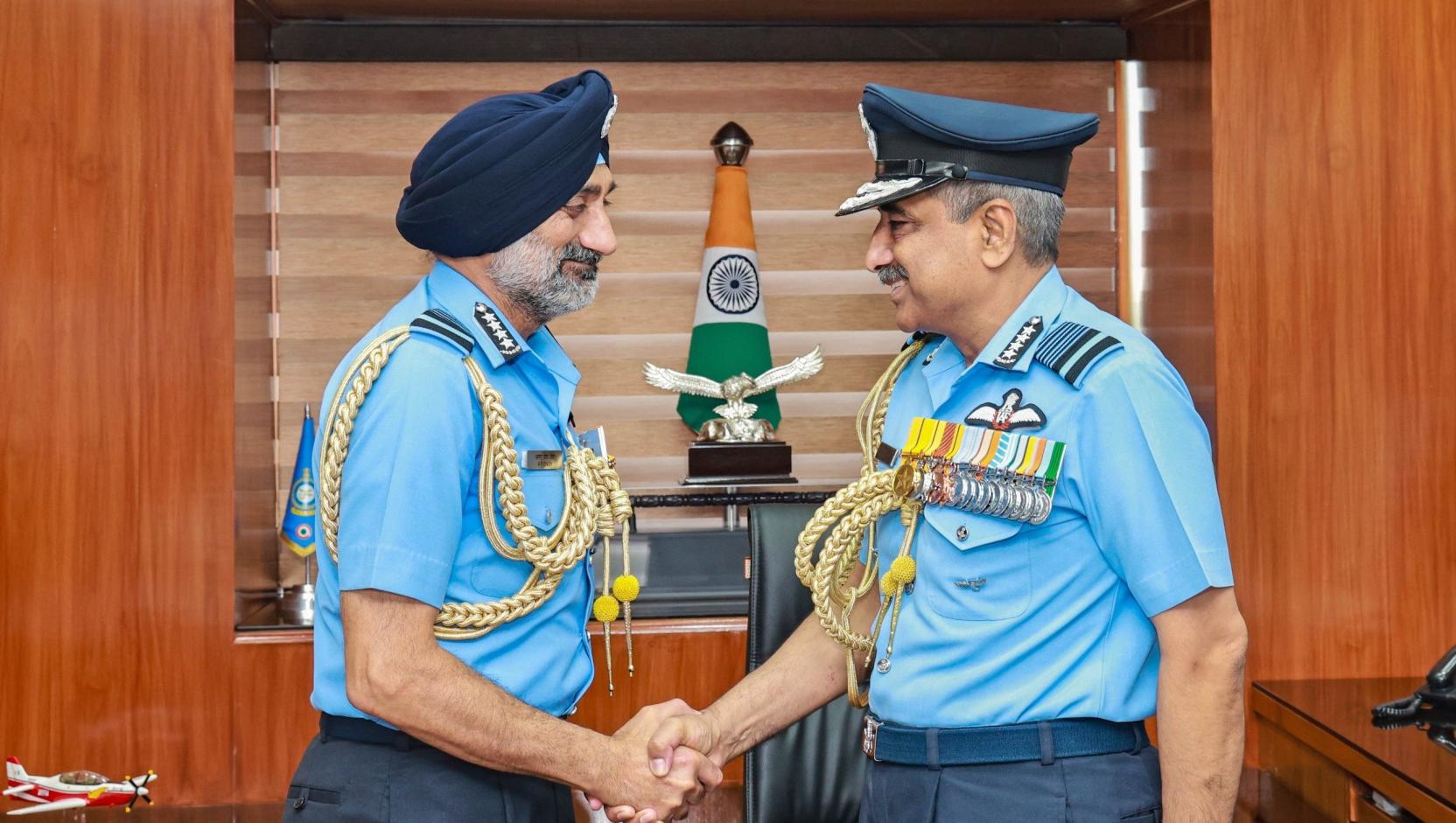
Dixit assumed charge on Saturday, succeeding Air Chief Marshal Amar Preet Singh, who retired after a tenure of 25 months. Singh had taken over on September 30, 2024, at a time when concerns were already growing over delays by Hindustan Aeronautics Limited (HAL) in supplying the Tejas-Mk1A.
Addressing personnel at a guard of honour ceremony, Dixit said his priorities could be summed up in the acronym VAYU, the Hindi word for air. The first letter stands for vigilance, victory and readiness. Every squadron, radar and air defence unit must be able to respond at a moment's notice, he said, and restoring combat strength towards the sanctioned level would be his foremost task.
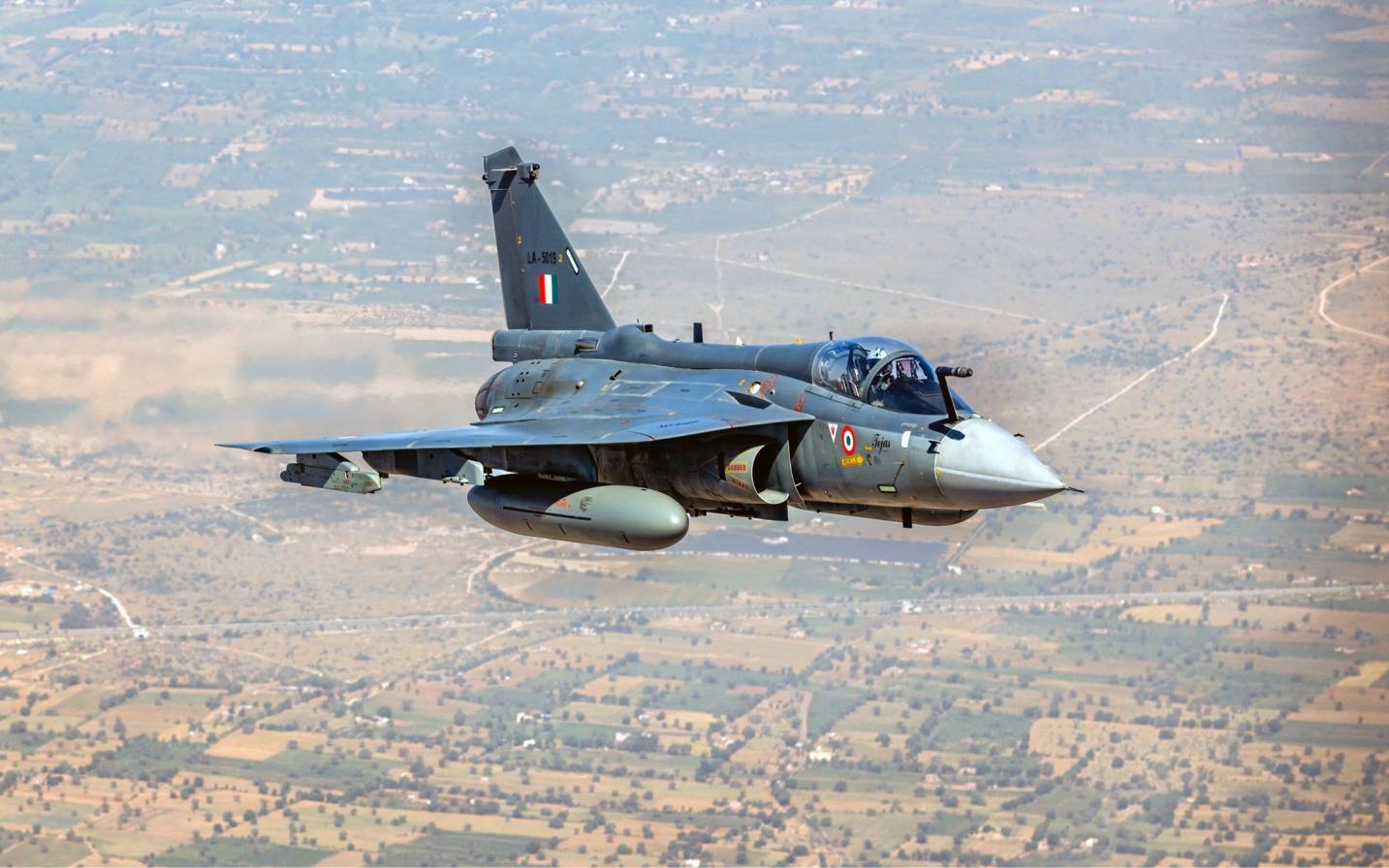
The second letter, A, stands for Aatmanirbharta, or self-reliance, in defence manufacturing. Dixit said the Tejas-Mk1A and Mk2, the AMCA, and Indian sensors and weapons were the highest priorities under this head. The IAF, he said, would fight with Indian solutions and hold them in numbers that meet sustainment and operational demands. He added that the force's primary responsibility was to deter conflict through credible air power.
Read also: ACM Ashutosh Dixit takes over as IAF chief
Y stands for Yukti, meaning ingenuity and innovation in doctrine, procedures and technology. U stands for unity of effort, which Dixit linked to the 'Jai' vision of jointness, atmanirbharta and innovation. He said the IAF would work closely with the Army, the Navy and national agencies. He also said the welfare and safety of air warriors, Agniveervayu personnel, civilian staff, veterans and Veer Naris would remain central to his priorities.
Squadron shortfall and Tejas delays
The emphasis on combat strength reflects a long-running shortfall. A parliamentary panel report of December 17, 2024 put the IAF’s fleet at 31 squadrons against a minimum requirement of 42, largely because ageing aircraft had been retired.
The defence ministry signed a ₹48,000 crore contract with HAL for 83 Tejas-Mk1A jets in February 2021, with the first deliveries due in March 2024. A second contract, worth ₹62,370 crore for 97 more aircraft, followed in September 2025. That brings the total order to 180 jets. Singh, in his final weeks in office, called for faster induction and greater ‘combat mass’, and flagged delays in the Tejas-Mk1A programme. He also said IAF support continued for the Tejas-Mk2, the AMCA and the procurement of 114 Rafale aircraft under the multi-role fighter aircraft programme.
The AMCA is India’s planned fifth-generation stealth fighter. The Tejas-Mk1A, by contrast, is classed as a 4+ generation aircraft.
The Tejas programme has been held up by delays in the supply of F404 engines. In September, Dixit, then the vice chief of the air staff, said this hurdle had eased as new engines had started arriving, and that the IAF was eagerly awaiting induction of the Mk-1A.
A test pilot at the helm
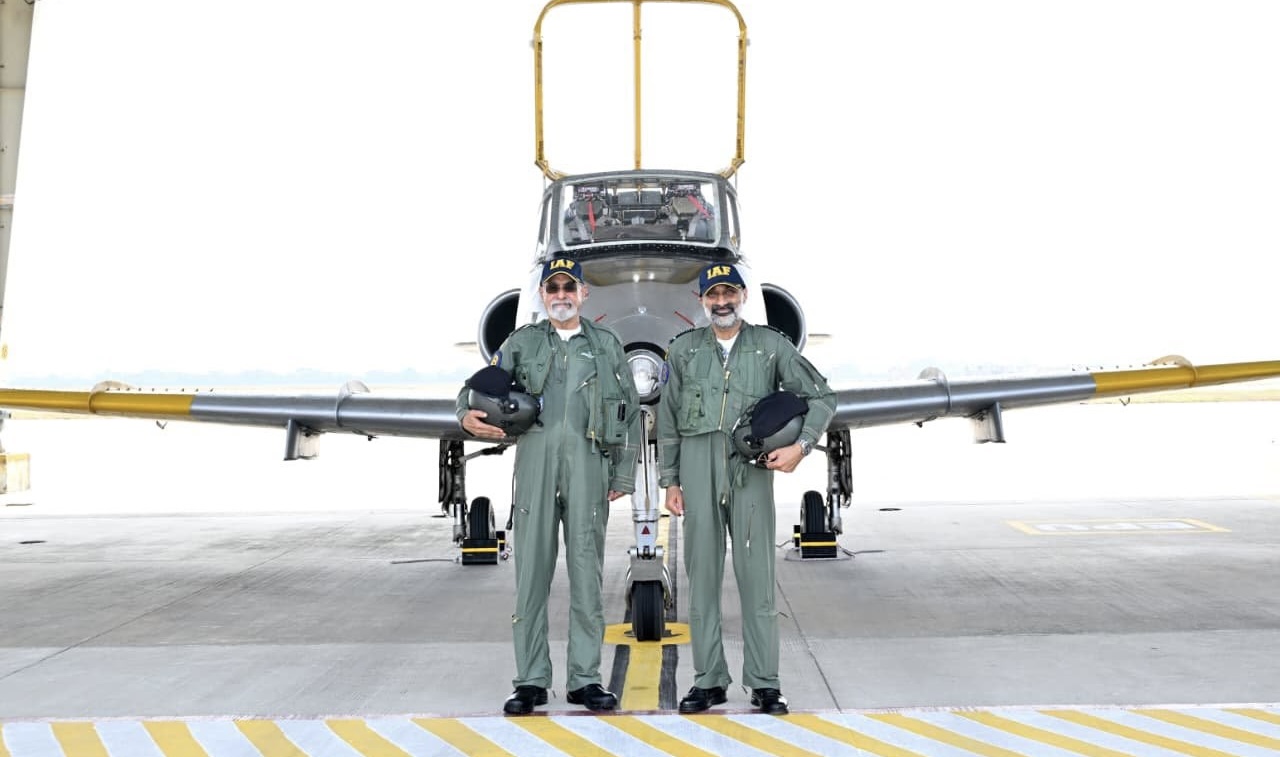
Dixit is a fighter and experimental test pilot and a qualified flying instructor, with more than 3,500 flying hours. He was commissioned into the fighter stream on December 6, 1986, and is an alumnus of the National Defence Academy. At Air Headquarters he served as assistant chief of the air staff for projects and for plans. He was also chief of integrated defence staff to the chairman, chiefs of staff committee, and air officer commanding-in-chief of Central Air Command. Several indigenous aircraft projects, including the Tejas-Mk1A, Tejas-Mk2 and AMCA, saw significant forward movement while he was deputy chief of the air staff from May 15, 2023.