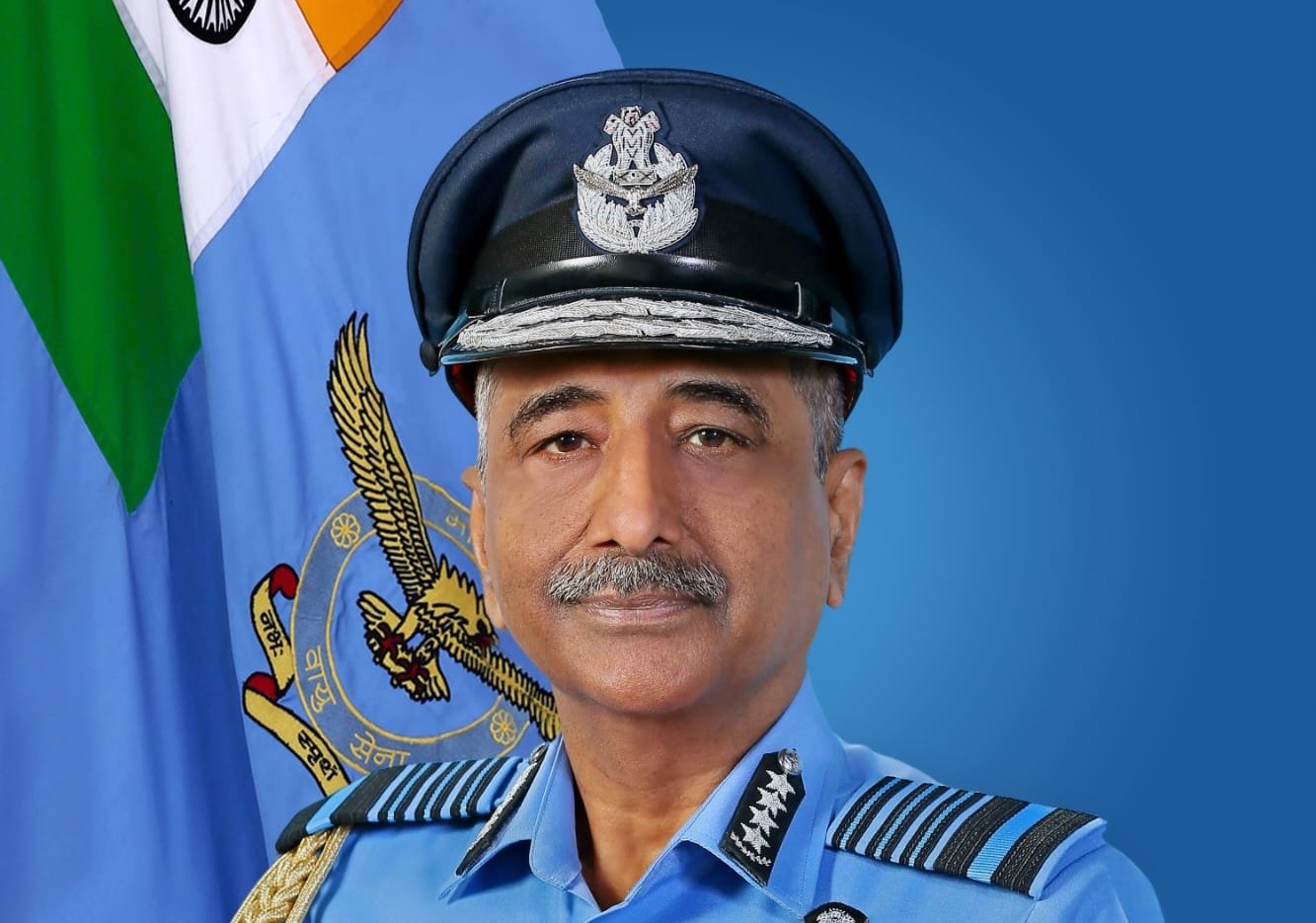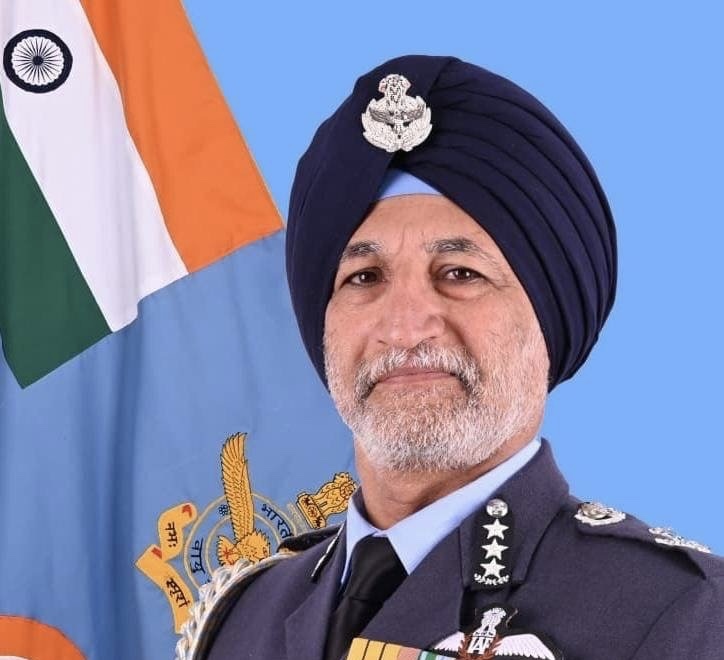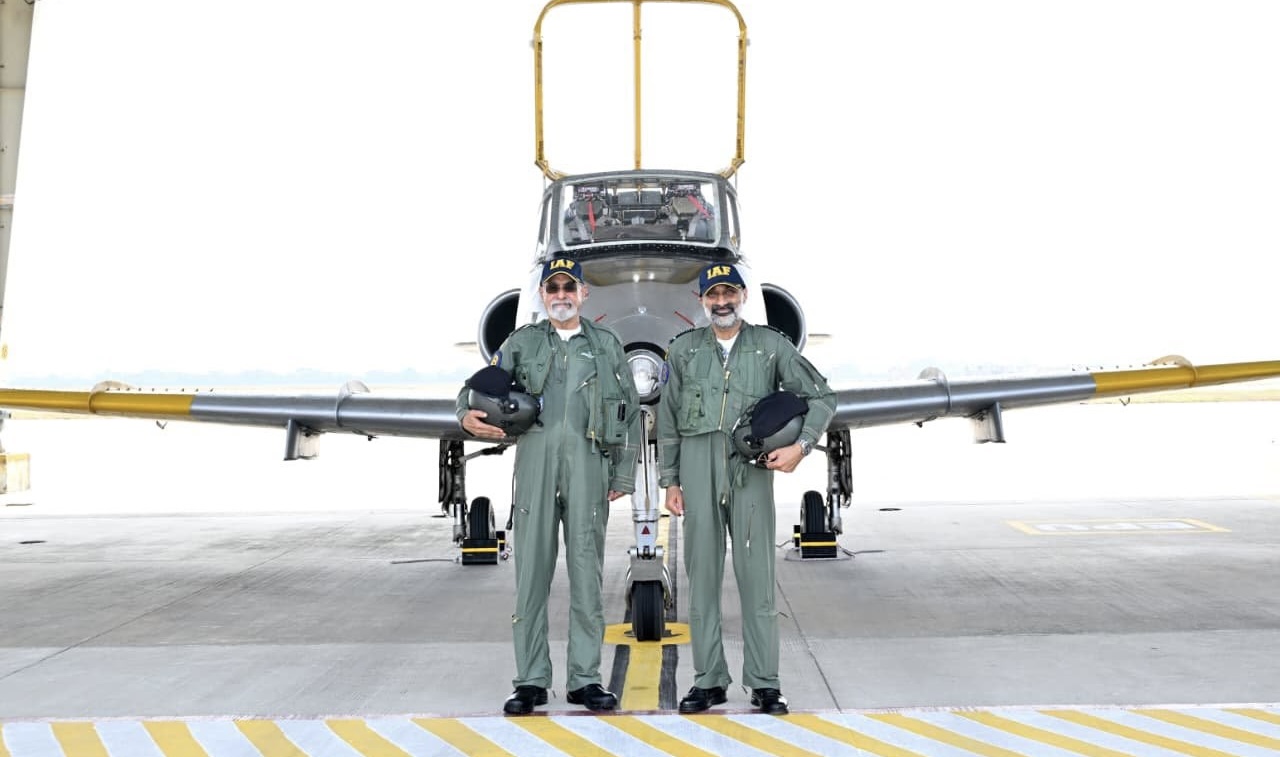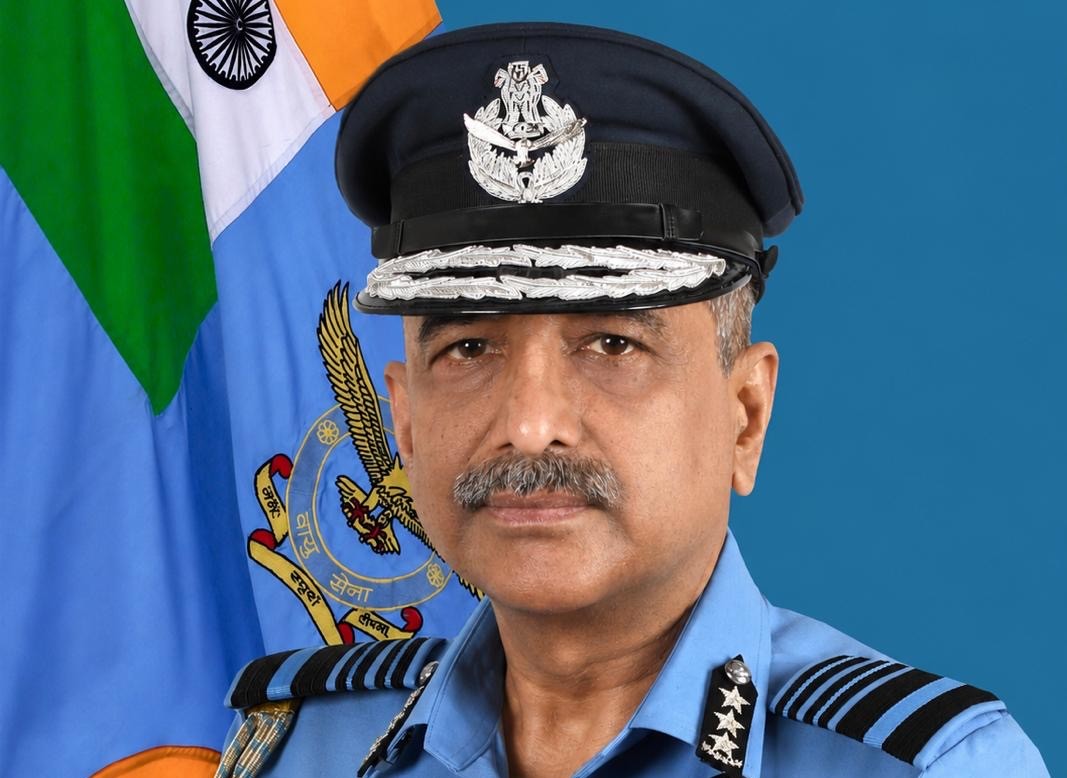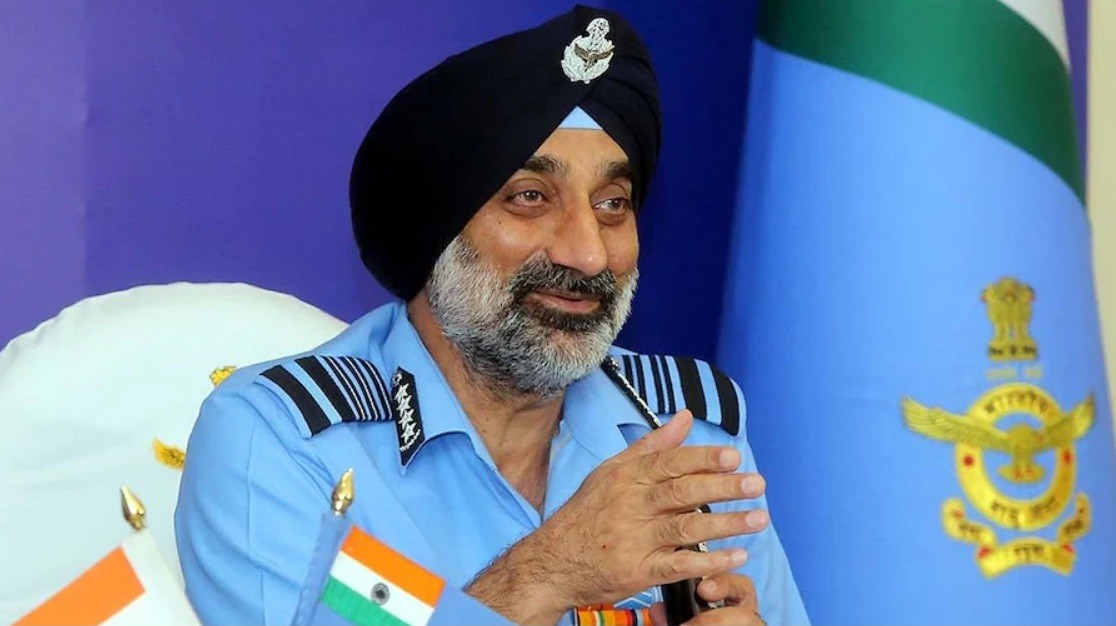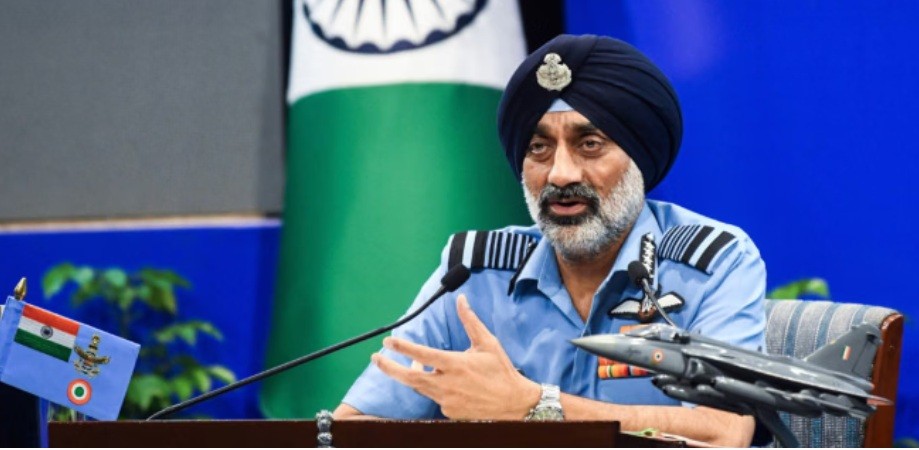
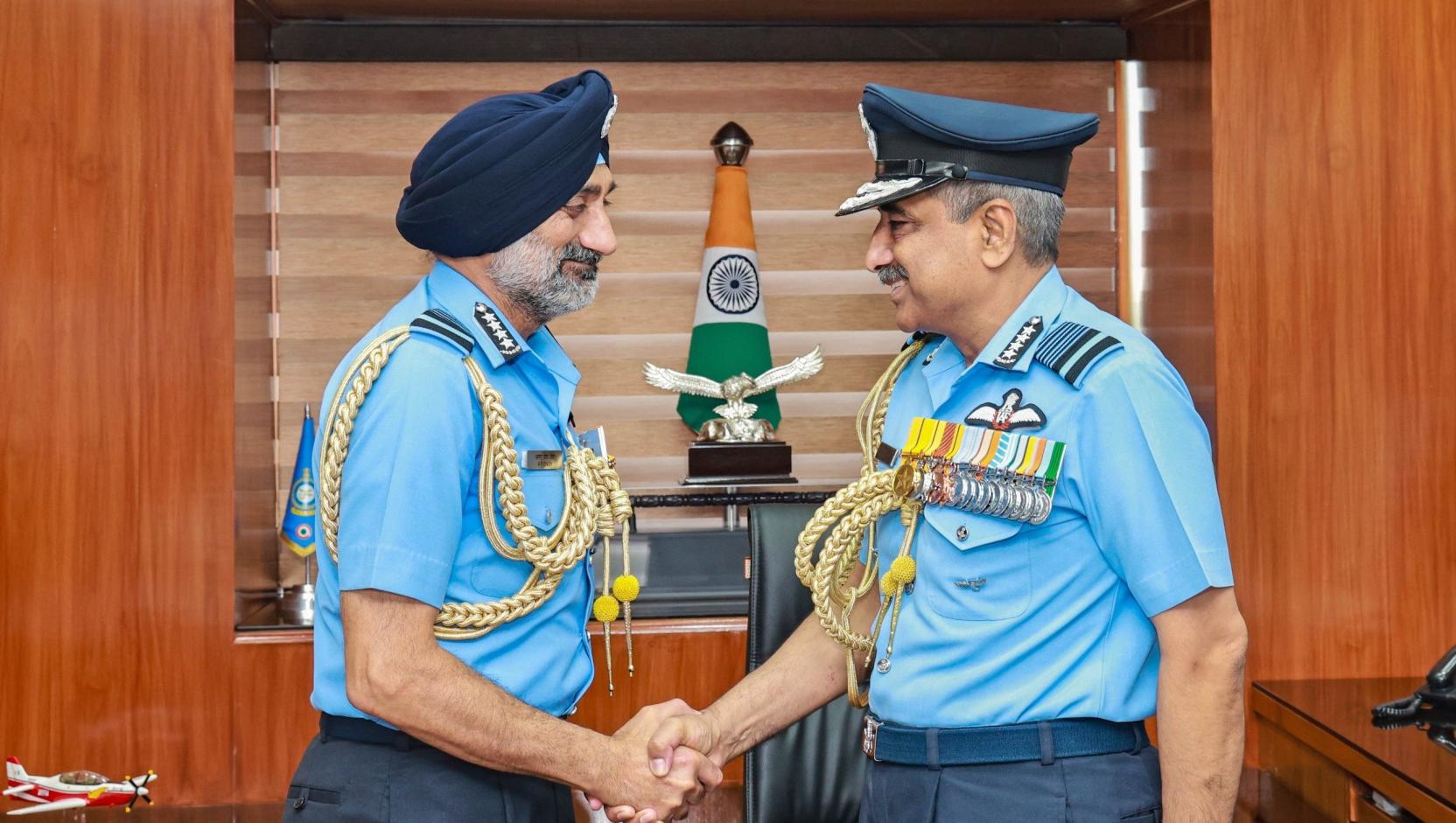
 Outgoing IAF chief ACM AP Singh (L) with his successor ACM Ashutosh Dixit. (Photo: Indian Air Force)
New Delhi: Air Chief Marshal Ashutosh Dixit, a fighter pilot and experimental test pilot, assumed charge on Saturday as the chief of the air staff, the head of the Indian Air Force (IAF). He succeeds Air Chief Marshal Amar Preet Singh, who retired the same day after a career of around 43 years.
Singh was given a ceremonial guard of honour at the Race Course Air Force Station before he handed over command to Dixit. Dixit had been the vice-chief of the air staff since July 2026.
The Ministry of Defence announced his appointment on October 6, saying he would take over in the substantive rank of Air Chief Marshal from the afternoon of October 31. His tenure runs until December 31, 2028. He is the 29th officer to hold the post.
A career in the fighter stream
Dixit was born on December 9, 1966. He was commissioned into the fighter stream of the Air Force on December 6, 1986, and has now served nearly four decades. He is an alumnus of the National Defence Academy, the Defence Services Staff College in Bangladesh and the National Defence College in New Delhi.
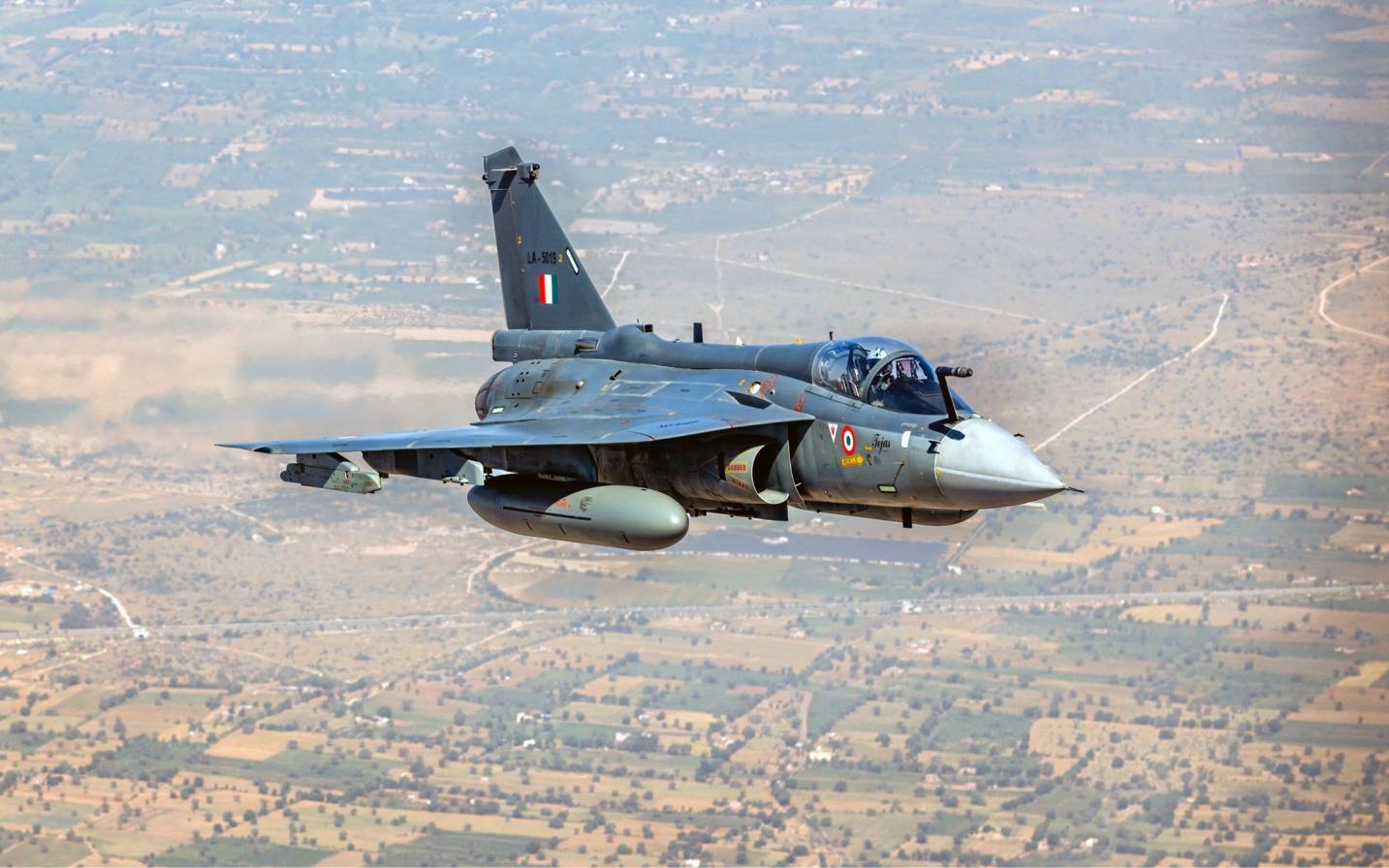
He holds more than 3,500 flying hours on over 20 types of aircraft, among them the Mirage-2000, several MiG variants, the Kiran, Jaguar, IL-78, Hawk and Tejas. He is also a qualified flying instructor.
Read also: Who is Air Marshal Ashutosh Dixit? Fighter pilot and test pilot named next Indian Air Force chief
His command and staff record includes leading a front-line fighter air base in the Western sector and a premier fighter training base in the Southern sector. He later served as air defence commander at Southern Air Command and held two key posts at Air Headquarters, assistant chief of the air staff for projects and for plans. He was also deputy chief of the air staff.
Before becoming vice chief, he was the air officer commanding-in-chief of Central Air Command, and then the chief of integrated defence staff to the chairman of the Chiefs of Staff Committee at Headquarters Integrated Defence Staff. His decorations include the Param Vishisht Seva Medal, the Ati Vishisht Seva Medal, the Vayu Sena Medal (2006) and the Vishisht Seva Medal (2011).
Dixit has taken part in Operation Safed Sagar, the Air Force's role in the 1999 Kargil conflict, as well as Operation Rakshak and Operation Sindoor. He is reported to have played a key part in planning during Operation Sindoor, India's military action of May 2025. Several reports also describe him as a long-time backer of the indigenous Tejas LCA and other home-grown aircraft programmes, a record that fits the government's push for self-reliance in defence.
The task ahead
Dixit takes over a force that is trying to rebuild its fighter strength. The IAF is authorized 42 fighter squadrons, but reports put the current figure at around 30. As chief of integrated defence staff, Dixit acknowledged the shortfall and described the workarounds the Air Force was using to keep its combat capability intact.
Singh had spoken of the same problem at his annual press conference on October 3, shortly before retiring. He said the delays in inducting new combat aircraft, including the Tejas, were hurting the Air Force at a time when air power was becoming more important. The IAF is waiting for the Tejas-Mk1A, aircraft under the Multi-Role Fighter Aircraft (MRFA) programme, the Tejas-Mk2 and the Advanced Medium Combat Aircraft (AMCA). The Tejas-Mk1A order, 83 aircraft worth about ₹48,000 crore, was signed in 2021, and deliveries have been slower than planned.
Besides fleet strength, the new chief will deal with air defence, unmanned systems and closer coordination among the three services. Dixit has worked on jointness at the integrated defence staff, which is expected to help him on this front.