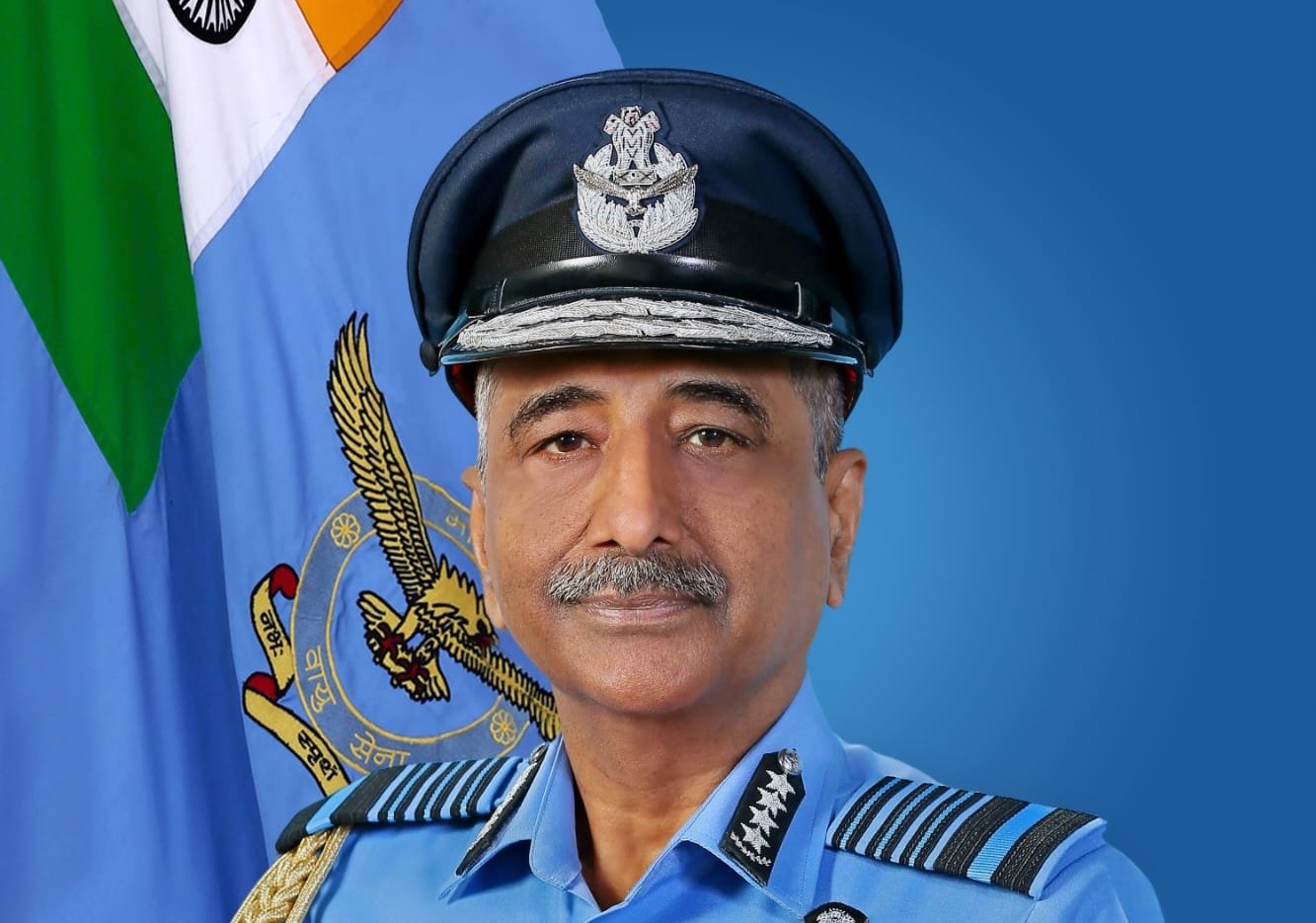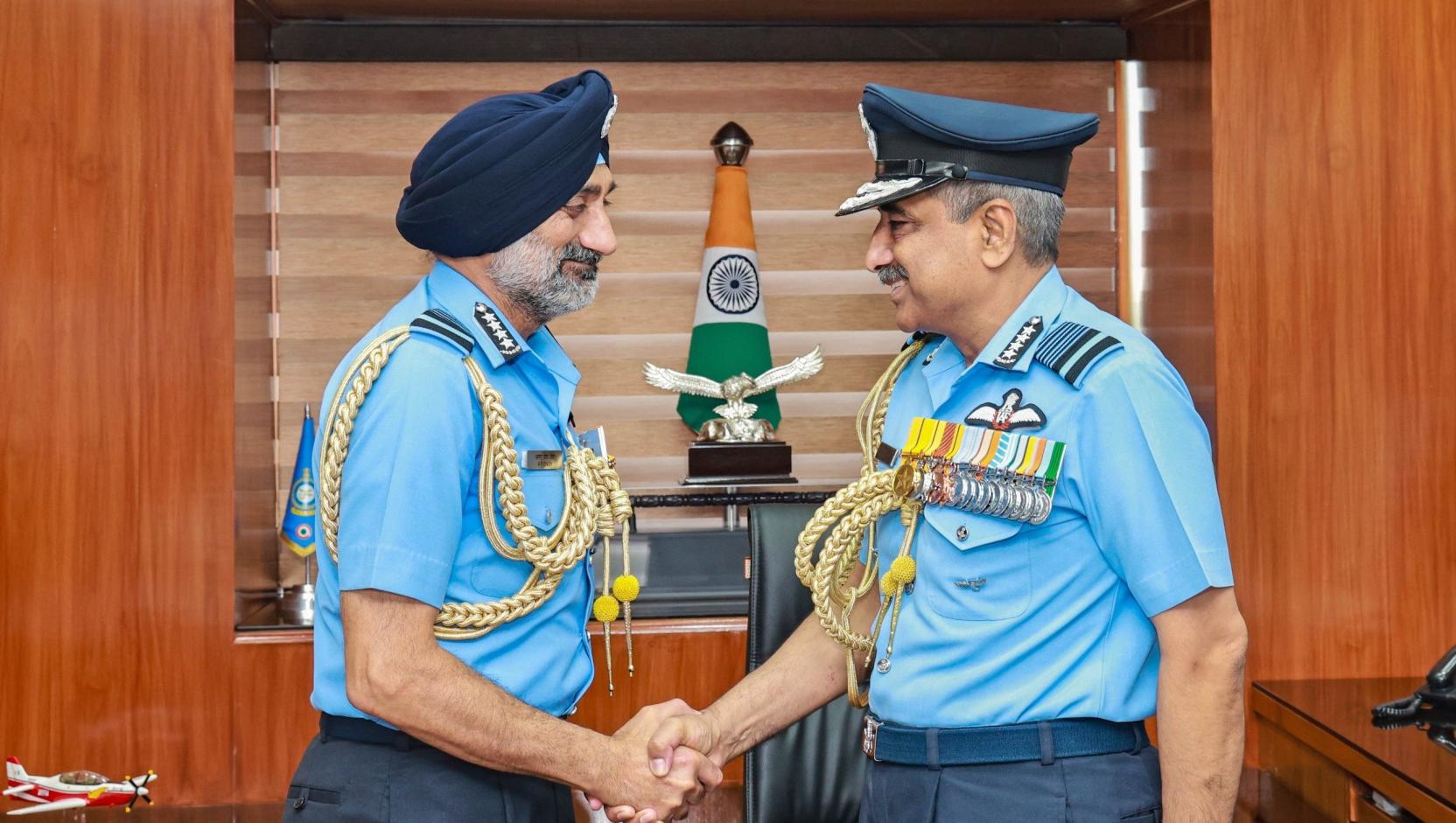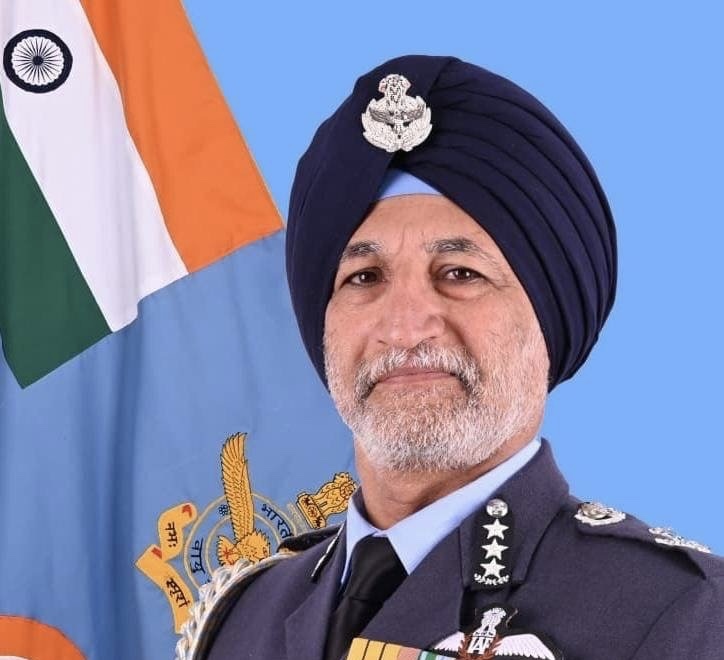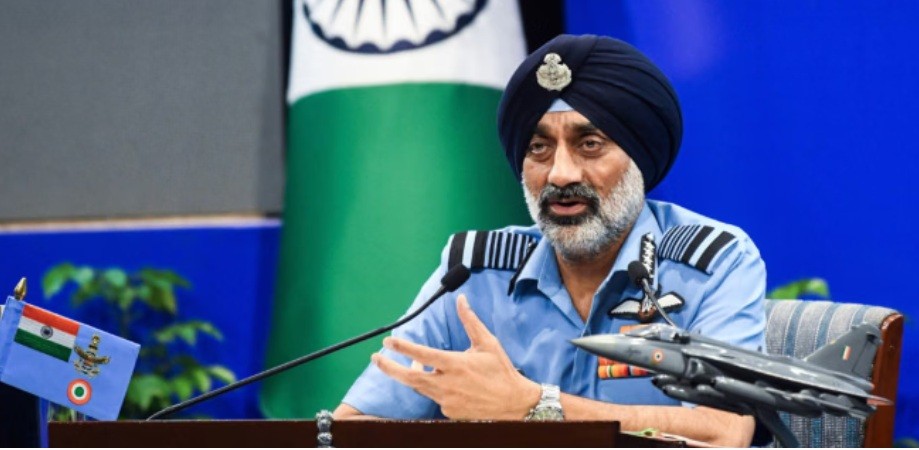
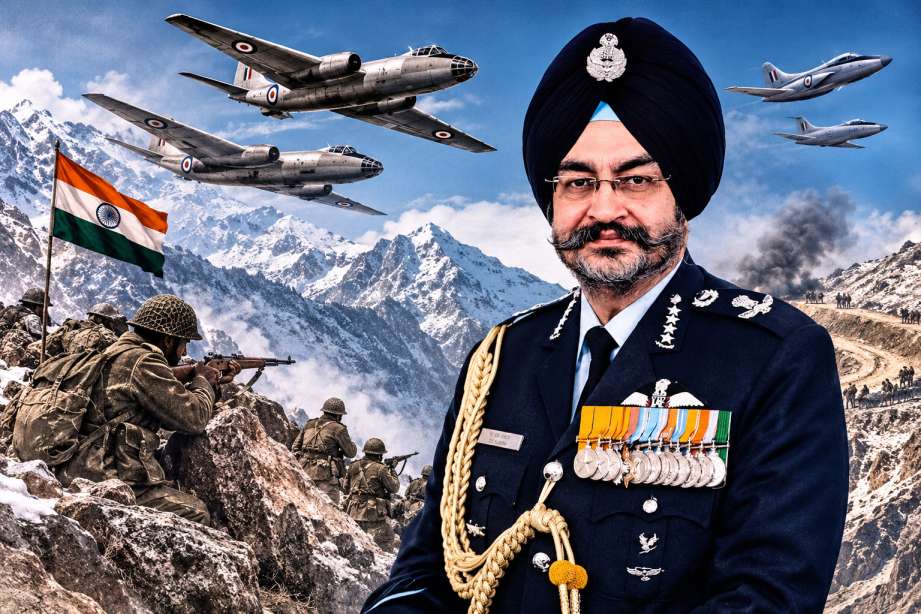
New Delhi: Former Indian Air Force chief Air Chief Marshal Birender Singh Dhanoa has said Jawaharlal Nehru should not be singled out for the decision not to use IAF combat aircraft in offensive operations during the 1962 war with China. According to The Tribune, he said the then prime minister had been advised against it by specialists.
BS Dhanoa was speaking at the Indian Military Heritage Festival, organized by the United Service Institution of India (USI), the defence think tank. “It’s not right to just blame Nehru for the decision,” he said.
He cited a note by Group Captain HC Dewan, which argued against using the IAF in jungle terrain, where its aircraft would be of limited use. Dhanoa added that the then US ambassador to India, John Kenneth Galbraith, had also advised against using air power. With expert advice of this kind on the table, he said, blaming Nehru alone would not be justified.
An old debate
Why the Indian Air Force’s fighters and bombers stayed out of the war has been debated in strategic circles for decades. The war began on October 20, 1962, and ended on November 21, when China declared a unilateral ceasefire. In that month the IAF was largely limited to transport and logistics, such as air-dropping supplies to troops, along with some reconnaissance flights by Canberra aircraft.
Officers and historians point to several factors. One was the assessment of the then Intelligence Bureau director, BN Mullik, a close confidant of Nehru. He is said to have warned that Chinese bombers would hit Indian cities in retaliation if the IAF went into action.
Another was Galbraith’s pressure to avoid widening the war, along with the fact that the United States could not offer fighter cover. In a letter to the US president, John F Kennedy, on November 19, 1962, Nehru sought American air support. Historians have noted that the letter said India had been unable to use its air arm because its air and radar equipment offered no defence against retaliation.
Differing views
Not everyone accepts that the decision was sound. Air Vice Marshal AK Tewary (Retd) argued in 2006 that the IAF could have been used for interdiction and battlefield strikes, and even against targets such as Lhasa, Chengdu and Kunming. He said India could have turned the tide, or even defeated Chinese forces, had the IAF’s fighters been used offensively instead of being confined to supply missions.
Tewary pointed out that Chinese airfields in Tibet were unpaved and at high altitude, which sharply limited the payload of Chinese aircraft. The IAF, in contrast, had modern fighters, including Hunters, Canberras and Mystères, that could have hit Chinese supply lines and troop concentrations. He also said decision-makers of the time overestimated the threat of Chinese air attacks, largely on the basis of third-party intelligence.
In November 2012, near the 50th anniversary of the war, another former IAF chief, ACM AY Tipnis (Retd), criticized Nehru for keeping the IAF out of combat. He called it a major strategic miscalculation that contributed directly to India's defeat. Several serving and former military personnel, including former chief of defence staff General Anil Chauhan (Retd), have also said that keeping out the IAF cost India the war.
Others point to the practical limits of the time. They say hill flying was restricted, that neither the government nor the air force had expected to fight China in the mountains, and that close combat in October made bombing risky for Indian soldiers. Dhanoa’s remarks add to this side of the argument by putting the advice Nehru received at the centre of the discussion.
Follow us on social media for quick updates, new photos, videos, and more.
X: https://x.com/indiasentinels
Facebook: https://facebook.com/indiasentinels
Instagram: https://instagram.com/indiasentinels
YouTube: https://youtube.com/indiasentinels
© India Sentinels 2026-27