 Neeraj Thakur
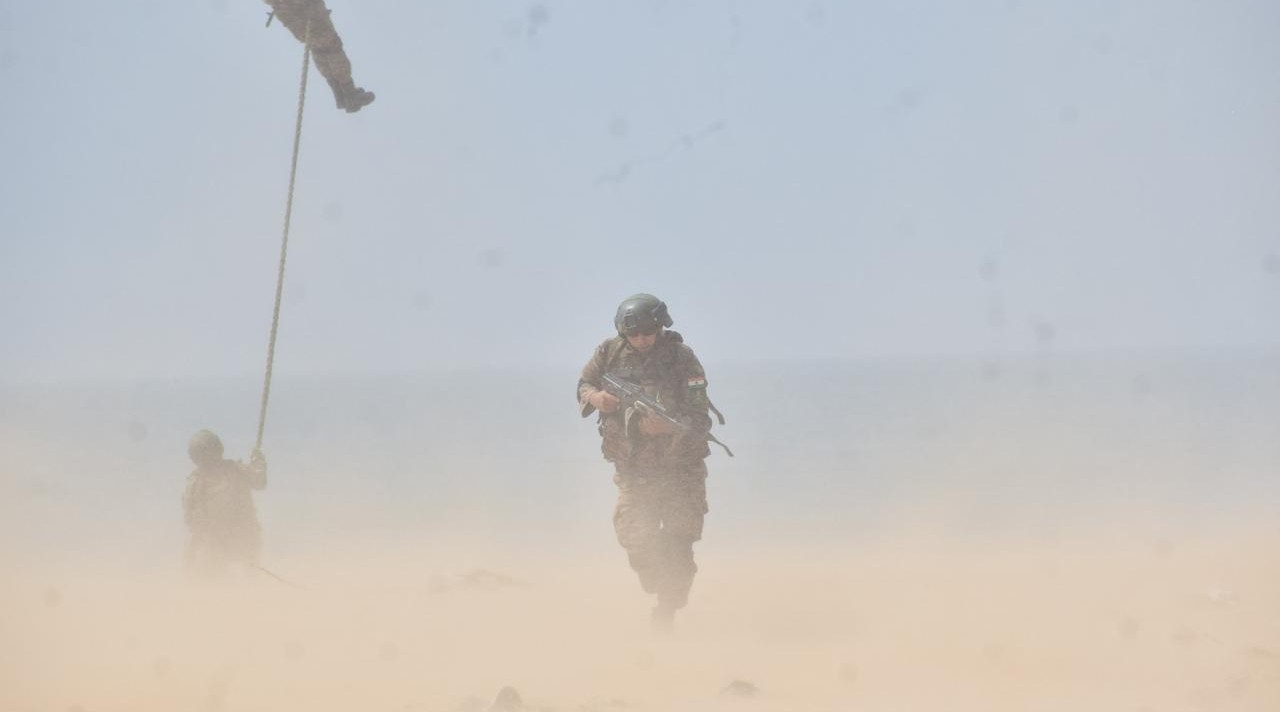
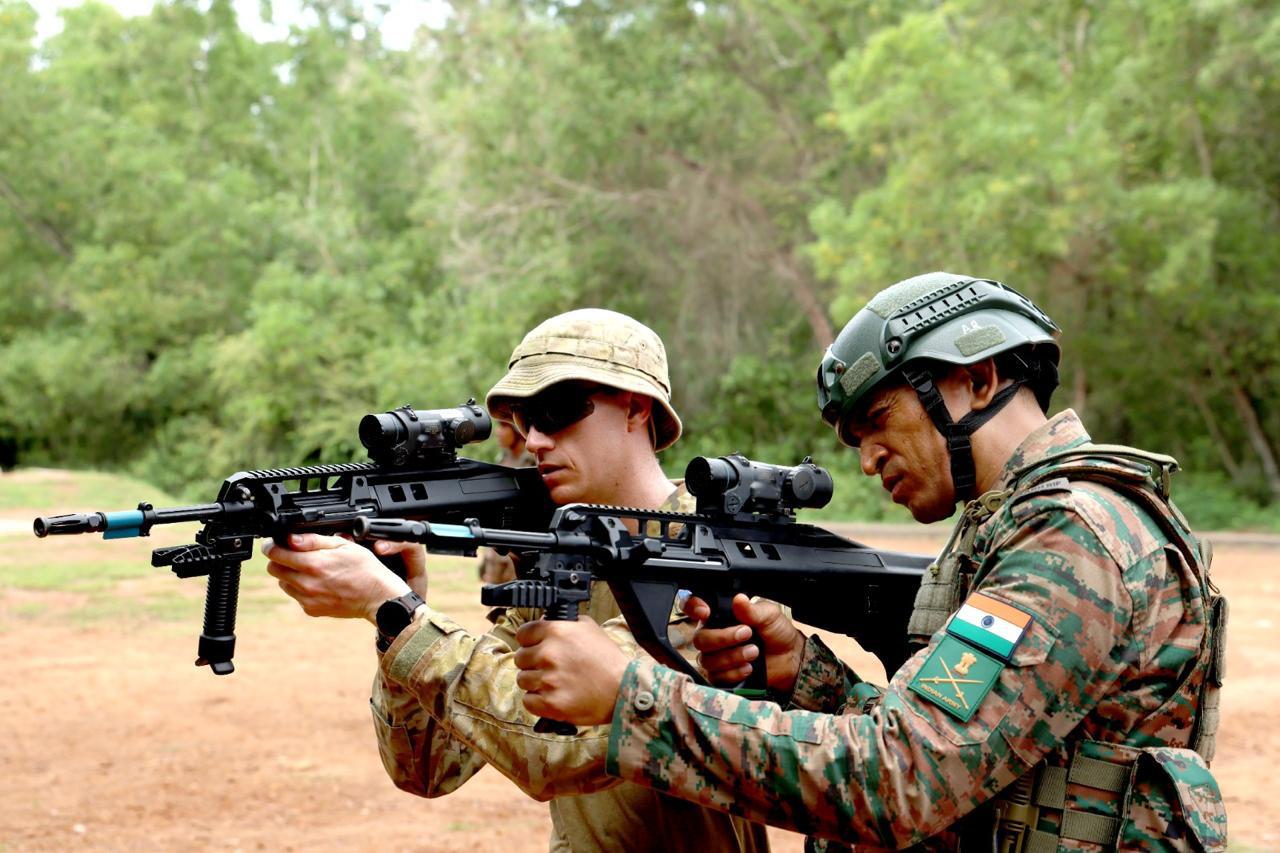
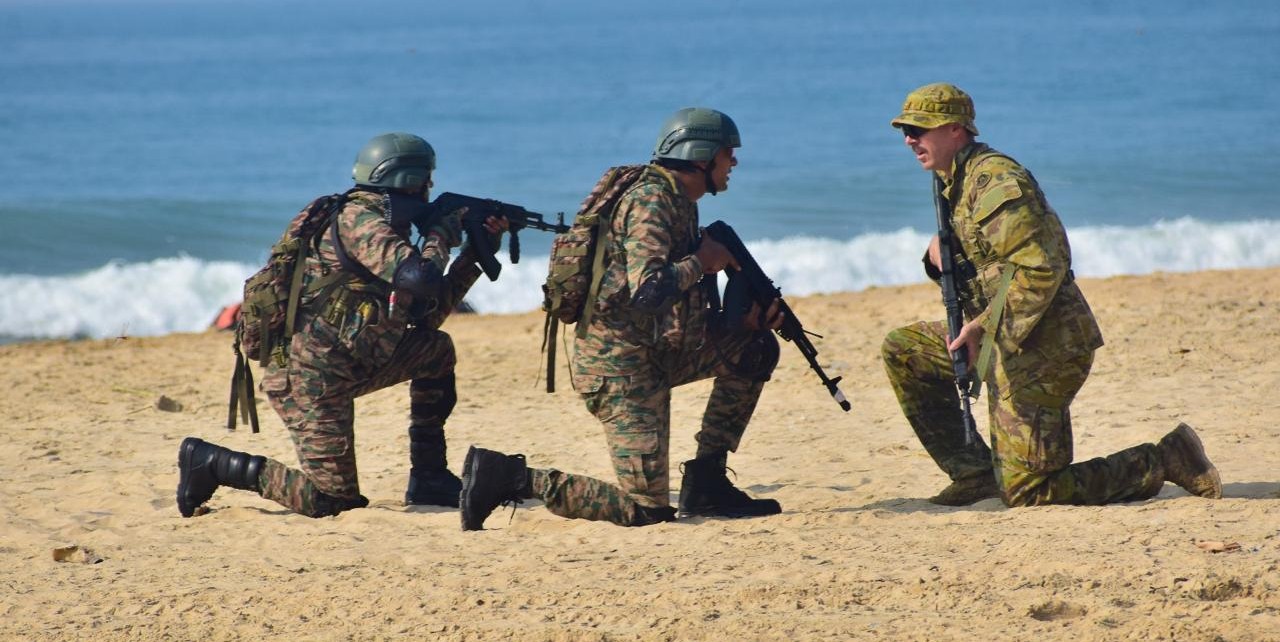 Indian and Australian troops train together in Kerala. (Photo: Indian Army)
Thiruvananthapuram: The Indian Army and the Australian Defence Force concluded Exercise AustraHind 2026 with a 36-hour joint validation drill at Thiruvananthapuram in Kerala, on October 30 and 31. The drill was conducted under Chapter VI of the United Nations Charter, which deals with the peaceful settlement of disputes and is the framework for UN peacekeeping-style operations.
The validation tested the two forces across jungle, island and coastal terrain. Troops carried out insertions by sea and air, secured beachheads and port facilities, and practised casualty evacuation. They also rehearsed humanitarian assistance and disaster relief (HADR), the protection of vital installations, and counter-insurgency and counter-terrorism operations.
Read also: India, Australia armies train together in Kerala
Personnel and assets from the Indian Navy and the Indian Air Force supported the exercise. The Vizhinjam International Port Authority and the Kerala Fire and Rescue Services also took part, giving the drill a civil-military dimension. Defence officials described the participation as a demonstration of multi-agency coordination and operational synergy across land, sea and air.
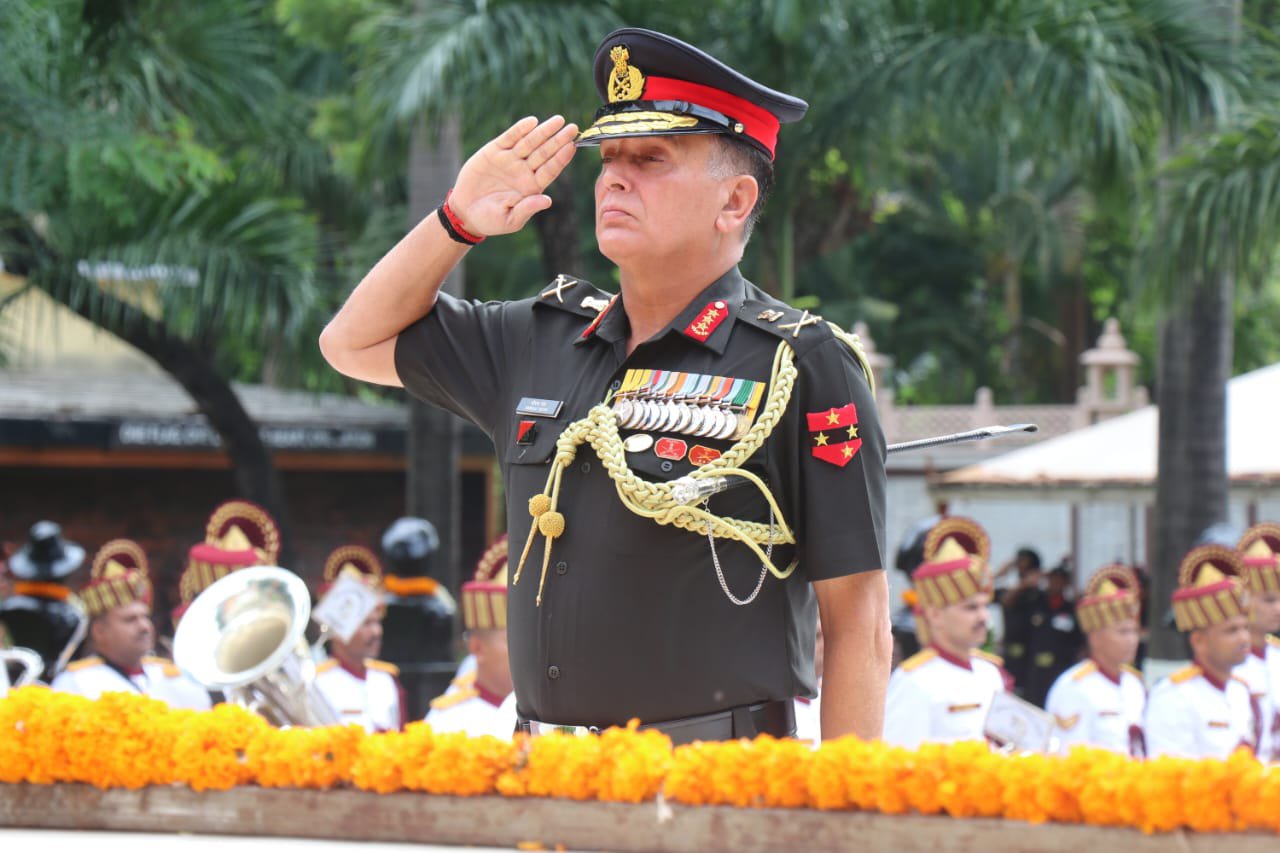
Three senior officers witnessed the validation: Major General Matt Burr, AM, general officer commanding (GOC) of the Australian Defence Force’s 2 Division; Major General Kapil Rana, SM, GOC of the Indian Army’s 54 Infantry Division; and Commodore A J Dowling, the New Zealand defence attaché to India and Australia.
The exercise, as its name suggests, is a bilateral engagement between the two armies, and the presence of a New Zealand diplomat reflects wider regional interest in the partnership. Port security and disaster response, both tested during the validation, are areas where the Indo-Pacific's maritime neighbours increasingly seek to work together.
Read also: Australian envoy visits Austrahind 2026 in Keralam
Vizhinjam, near the southern tip of the peninsula, is India’s first deepwater container transshipment port and sits close to one of the world's busiest east–west shipping lanes.
The exercise reaffirmed the commitment of India and Australia to improving interoperability, joint operational readiness and bilateral defence cooperation. The two countries have steadily expanded their military ties in recent years, through army-level drills, naval and air exercises, and a broader comprehensive strategic partnership.