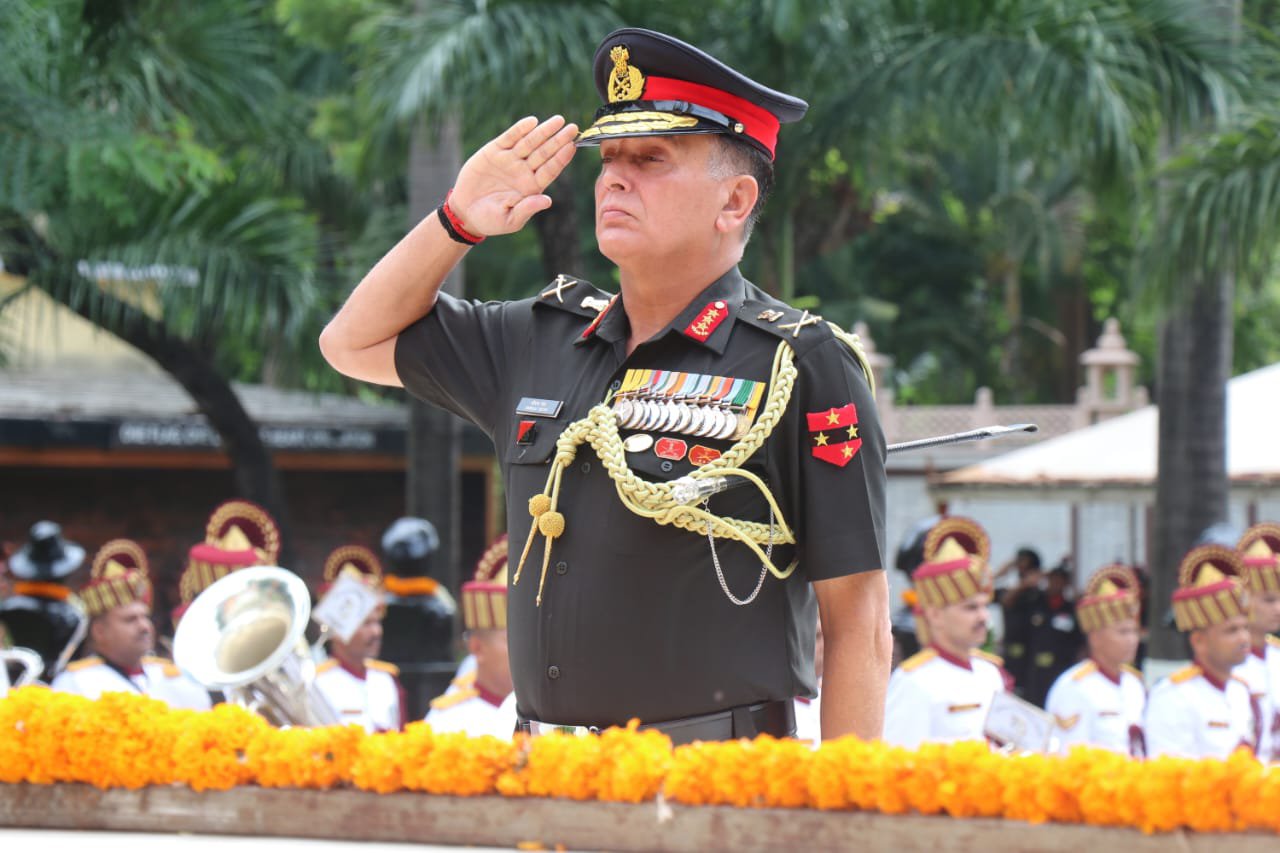
 General Dhiraj Seth. (File photo)
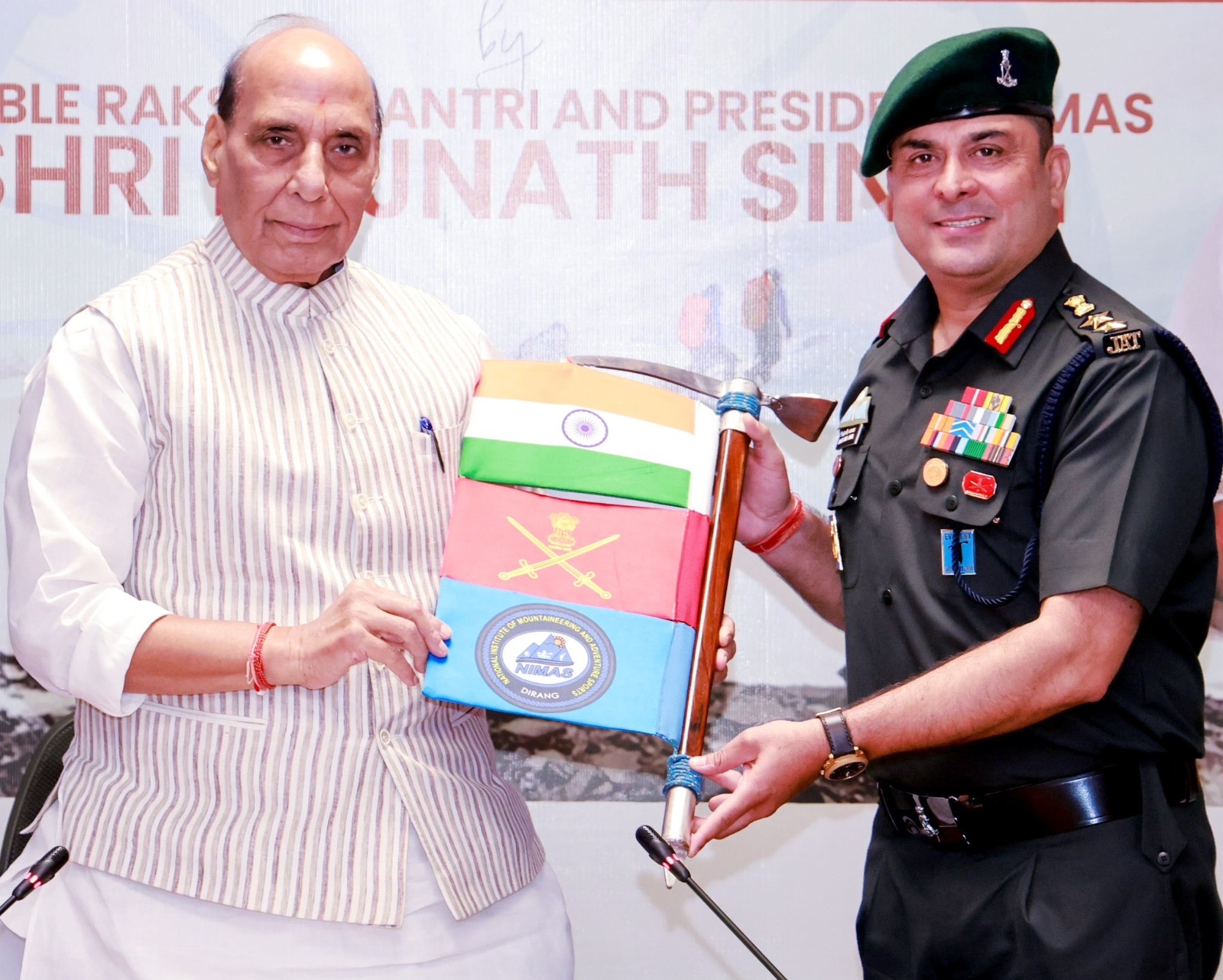
New Delhi: The chief of the army staff, General Dhiraj Seth, departed on a three-day official visit to Nepal on August 17, in a trip that will see the two countries continue a 76-year-old tradition of conferring honorary generalship on each other’s army chiefs, even as it seeks to deepen military-to-military engagement between New Delhi and Kathmandu.
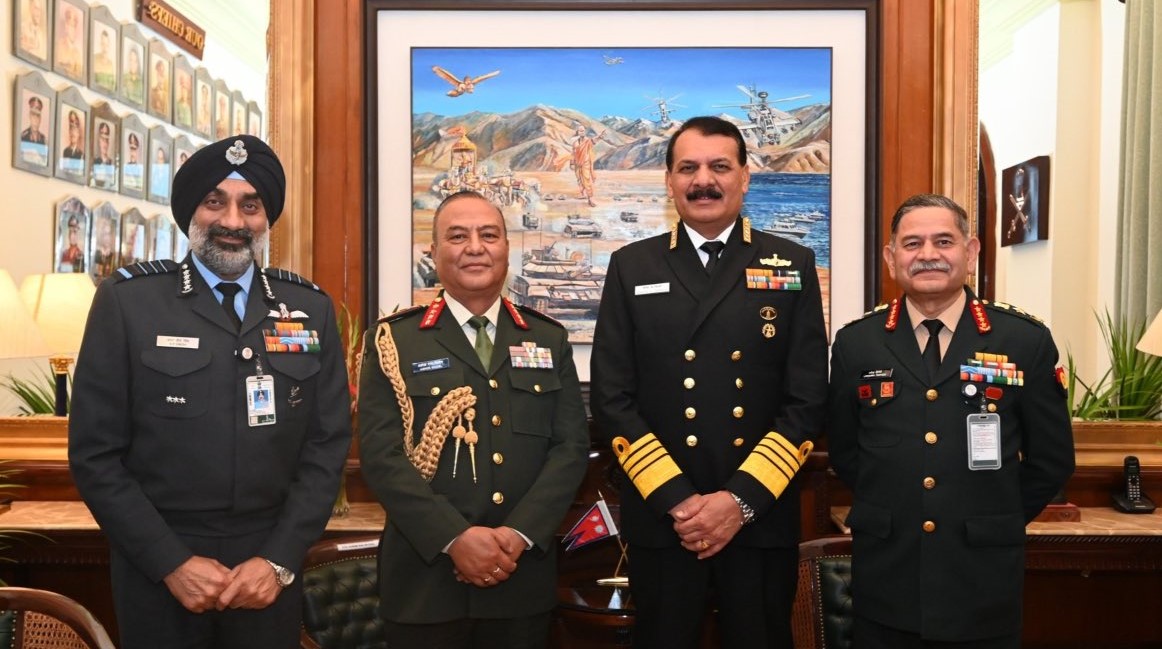
Seth, who took over as the 31st chief of the army staff (COAS) on June 30, is travelling to Nepal at the invitation of his Nepali counterpart, General Ashok Raj Sigdel. The visit, which concludes on August 19, follows a well-established custom under which the two armies exchange high-level visits whenever a new chief takes charge in either country.
Wreath-laying and Guard of Honour
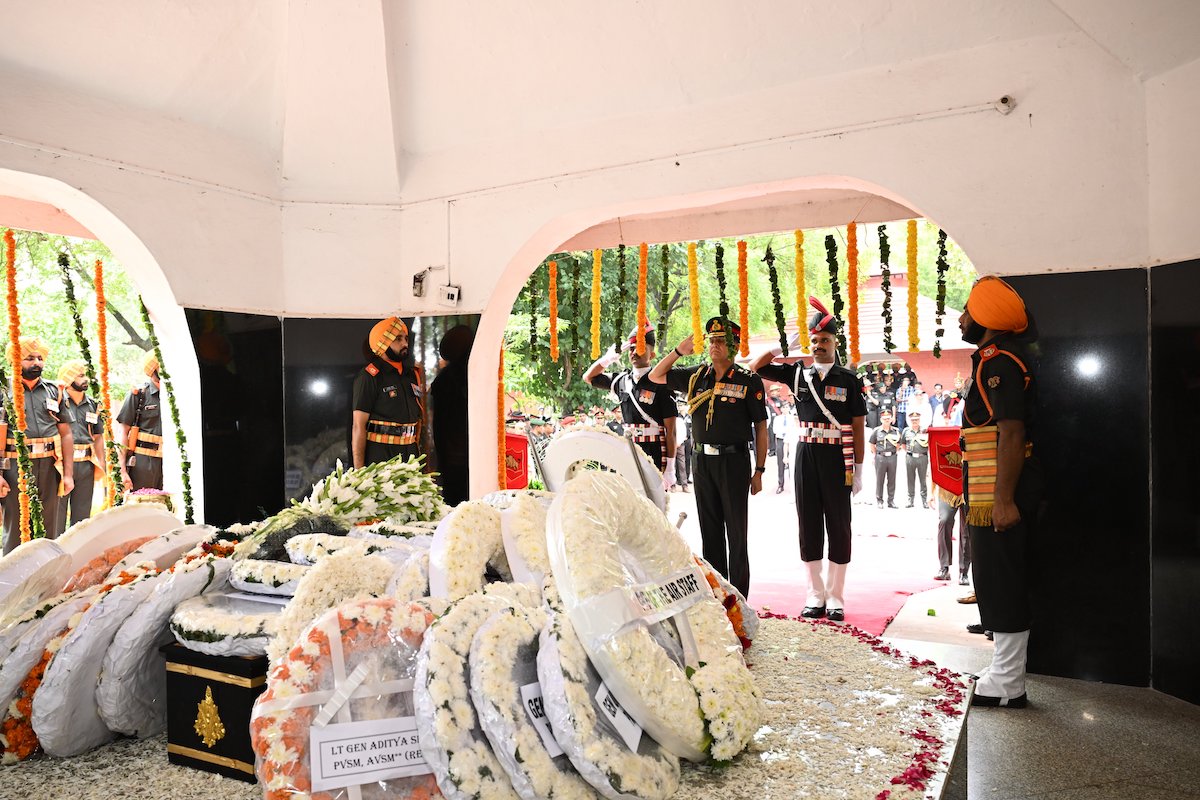
On the first day of the visit, Seth is scheduled to lay a wreath at the Army Pavilion in Tundikhel, the sprawling ceremonial ground in the heart of Kathmandu that has long served as a venue for Nepali military parades and public gatherings.
He will then receive a Guard of Honour at the Nepali Army headquarters, where he is due to hold talks with Sigdel and be briefed by the force’s director general of military operations on matters of shared strategic interest.
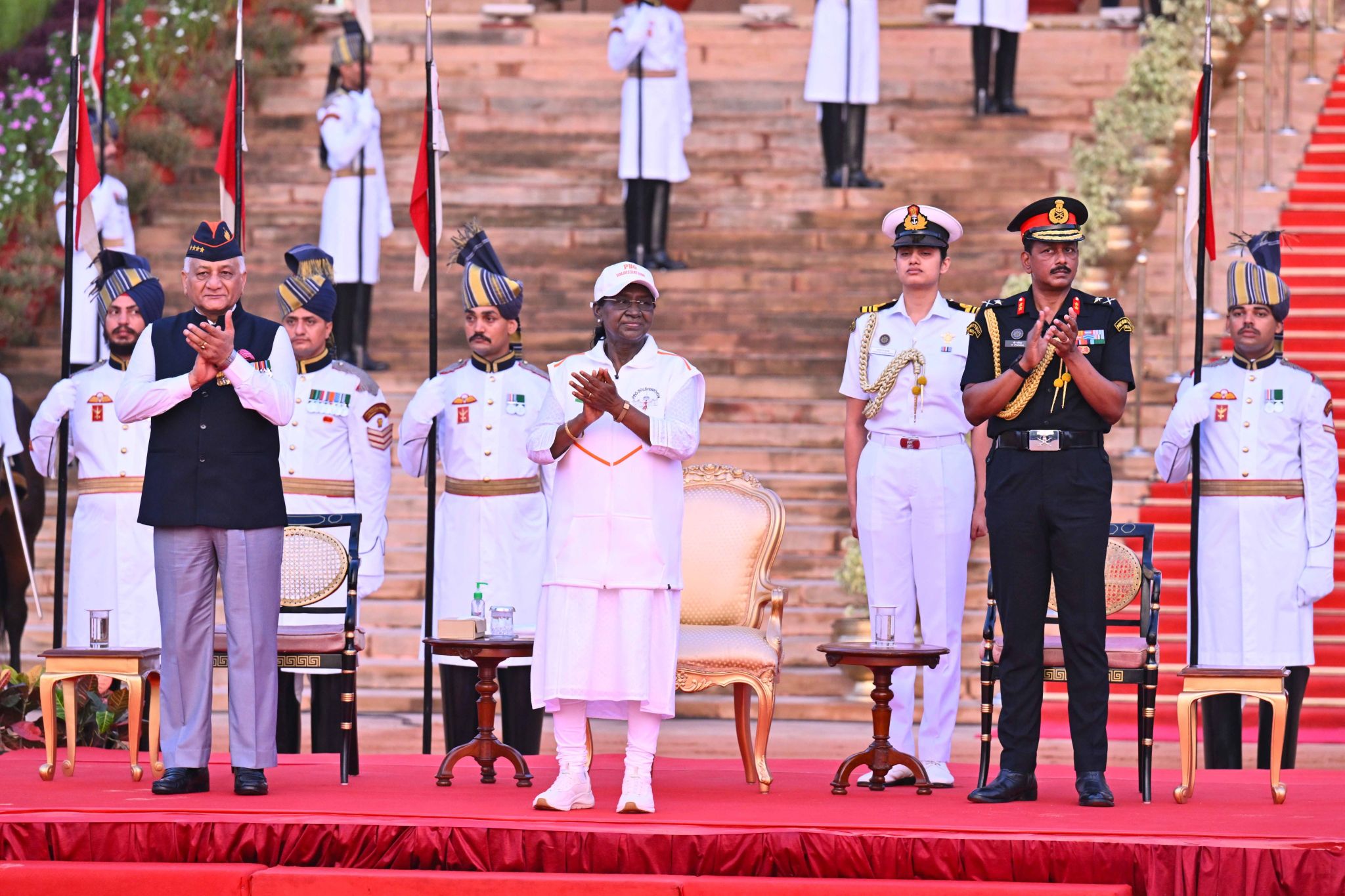
Later the same day, Seth will be conferred the honorary rank of General of the Nepali Army at an investiture ceremony at Rashtrapati Bhawan, the president of Nepal’s official residence in Kathmandu, by the president, Ram Chandra Paudel.
The gesture continues a practice dating back to 1950, when General KM Cariappa became the first Indian Army chief to receive the honorary rank from Nepal.
India reciprocated the custom nearly two decades later, in 1969, when the Nepali Army chief at the time, General Surendra Bahadur Shah, was made an honorary general of the Indian Army. Since then, successive army chiefs of both nations – including, most recently, General Upendra Dwivedi, who received the honour in Kathmandu in November 2024, and Sigdel, who was conferred the rank by President Droupadi Murmu in New Delhi the following month – have carried the tradition forward, regardless of shifts in the wider political relationship between the two countries.
Address at the Army Command and Staff Course
On August 18, Seth will address student officers of the Army Command and Staff Course at Shivapuri, on the northern edge of Kathmandu, and interact with instructors as well as foreign officers undergoing training there.
He is also expected to hold separate meetings with senior Nepali dignitaries during the day, though the agenda for these discussions has not been made public.
Rally for veterans in Pokhara
The final leg of the visit takes Seth to Pokhara on August 19, where he will attend a rally for ex-servicemen and felicitate war widows, referred to in India as Veer Naris, along with gallantry award winners. Pokhara, a city about 200 kilometres west of Kathmandu, is home to a significant population of Nepali veterans who have served in the Indian Army, particularly in Gorkha regiments that have formed part of the force since before independence. Seth is due to fly back to India later that day.
A relationship built on shared history
The Ministry of Defence, in its statement announcing the visit, described the India-Nepal relationship as one defined by shared historical, social and cultural linkages, invoking the popular phrase “roti beti ka rishta” – loosely, a relationship of shared bread and marriage ties – along with the pilgrimage circuits linking Janakpur to Ayodhya and Lumbini to Bodh Gaya.
The two countries also share an open border stretching over 1,700 kilometres, under which citizens of either nation can travel, work and settle in the other without a visa, a provision rooted in the 1950 Treaty of Peace and Friendship between the two countries – the same year the honorary generalship tradition began.
The Gorkha recruitment relationship has, however, come under strain in recent years after India’s decision to open Army recruitment through the short-service Agnipath scheme, under which soldiers serve for four years with only a partial cohort retained thereafter.
Kathmandu has previously indicated that recruitment under the scheme does not sit well with the terms of the 1947 tripartite agreement between India, Nepal and Britain that has historically governed the enlistment of Gorkhas into the Indian Army, a matter that could well come up in discussions during Seth’s visit, even though it does not feature in the defence ministry’s official itinerary.
Seth is the first officer from the Armoured Corps to head the Indian Army since General Shankar Roychowdhury, who retired in 1997. He has previously commanded the Sudarshan Chakra Corps and served as General Officer Commanding, Delhi Area, besides heading the South Western Command and the Southern Command.