 Gyan Bhadra
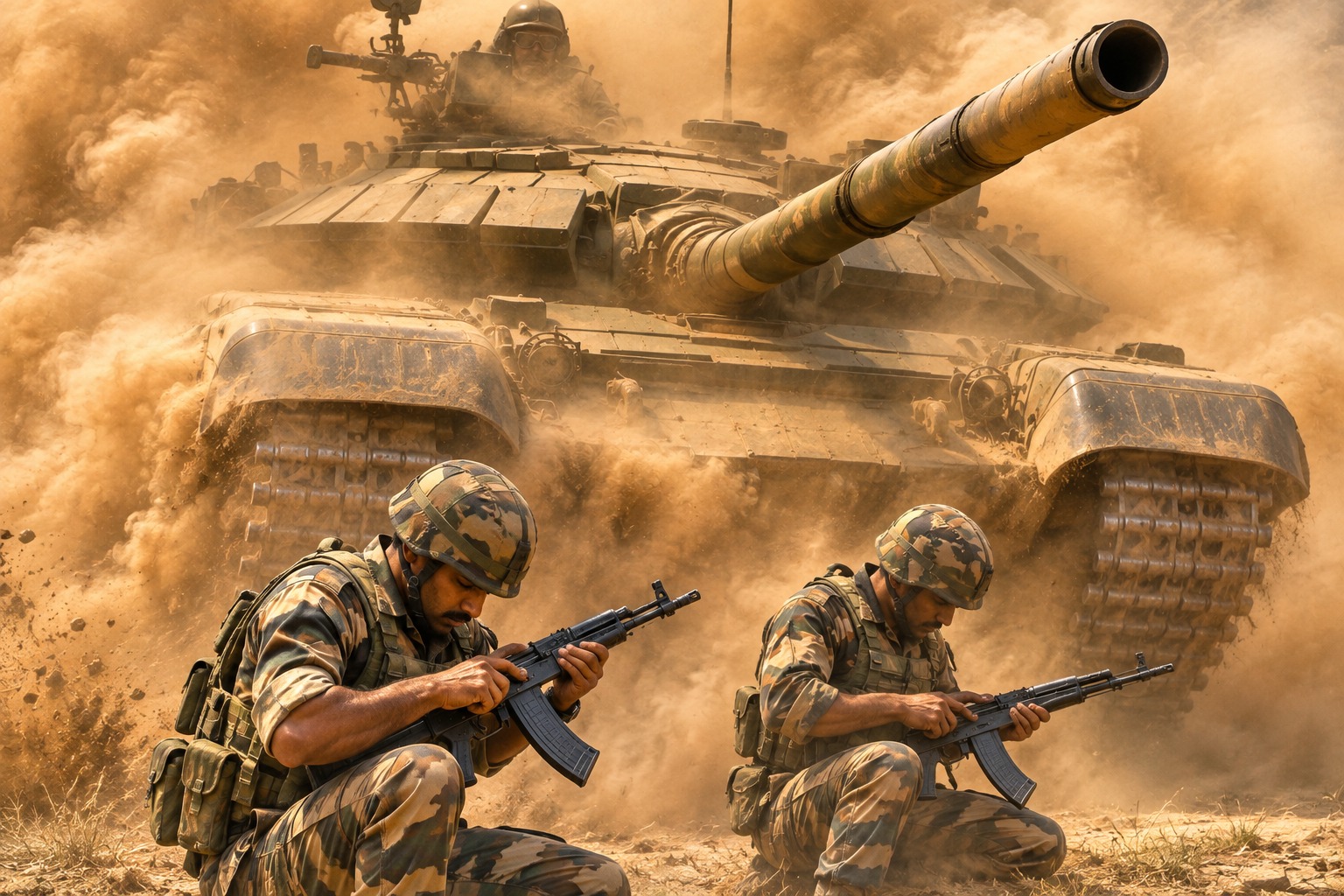 Illustration for representation. (© India Sentinels 2026–2027)
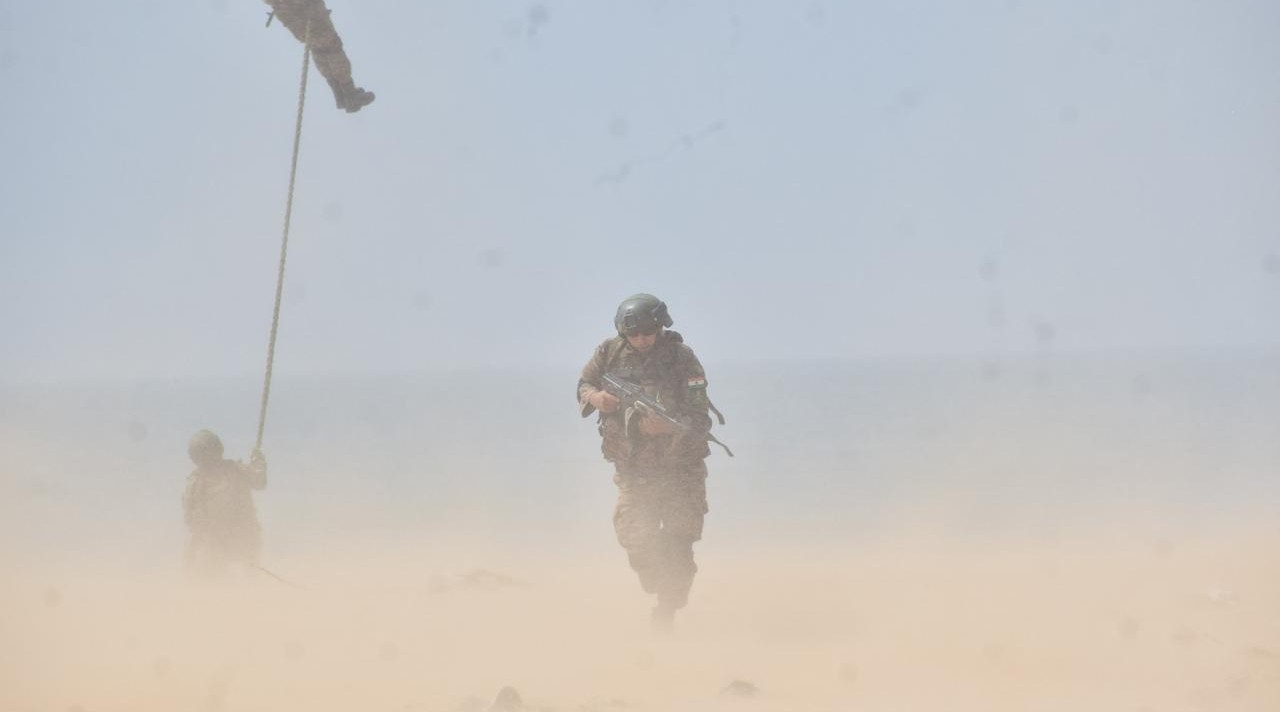
New Delhi: Two Indian Army soldiers were killed after a moving battle tank ran over them during a military training exercise in Haryana’s Hisar district on Saturday, reportedly after thick clouds of dust severely restricted the driver’s visibility. The accident, which occurred near Bhojraj village during a coordinated manoeuvre involving approximately 32 tanks, has raised questions about the safety procedures governing the movement of armoured vehicles around troops deployed on the ground.
The deceased were identified as Naik Manish Kumar, a resident of Shamli district in Uttar Pradesh, and Naik Ankush Kumar, who belonged to the state’s Badaun district. According to a statement by the Hisar Police, both soldiers were positioned ahead of the advancing tank when the vehicle struck them during the exercise on November 21.
Preliminary accounts suggest that the movement of several heavy armoured vehicles across the training ground generated substantial quantities of dust, creating conditions in which visibility deteriorated sharply. The driver of one of the tanks apparently failed to notice the two soldiers occupying a designated ground position and continued advancing, resulting in the fatal accident.
Fellow soldiers immediately evacuated the critically injured personnel to the Military Hospital in Hisar, where doctors declared them dead. Senior Army officers were informed, and post-mortem examinations were undertaken as authorities began establishing the circumstances surrounding the incident.
The superintendent of police in Hisar, Siddhant Jain, confirmed the deaths during the military exercise. Although the preliminary police account identifies poor visibility as a contributing factor, the precise sequence of events and any possible lapses in operational procedures have yet to be conclusively established.
Dust, visibility and risks of armoured manoeuvres
The reported involvement of approximately 32 tanks indicates that the exercise required the coordinated movement of a substantial armoured formation rather than the isolated operation of a single vehicle. Such manoeuvres demand careful synchronization between tank crews, commanders and personnel operating outside the vehicles, particularly when visibility deteriorates or soldiers occupy positions along the intended route of advance.
Battle tanks present significant visibility challenges because their crews operate from heavily protected compartments, with external observation dependent on viewing devices, periscopes and other available systems. Dust, smoke, terrain features and the movement of neighbouring vehicles can further restrict situational awareness, making communication and separation between mounted and dismounted personnel essential to safe operations.
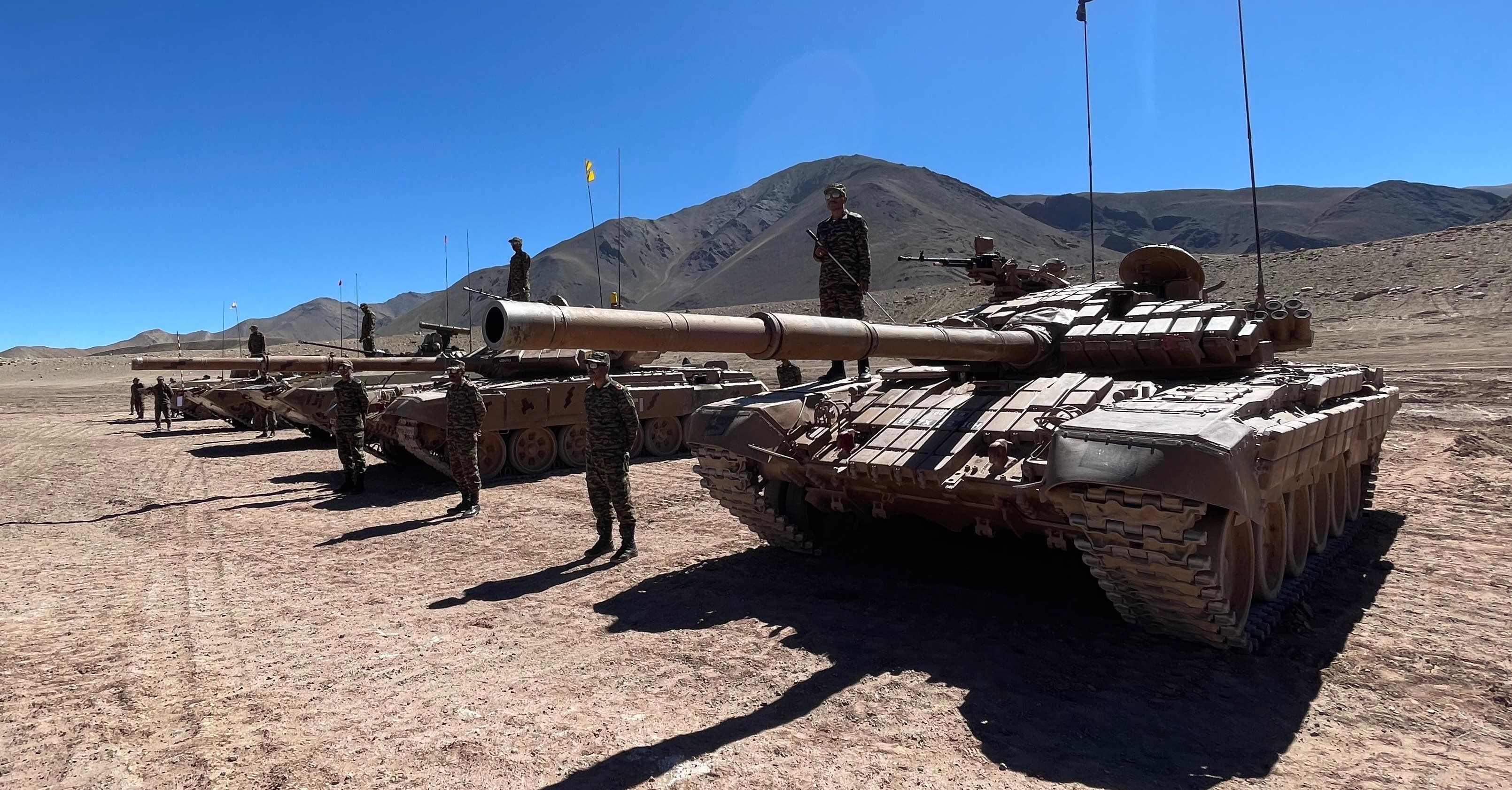

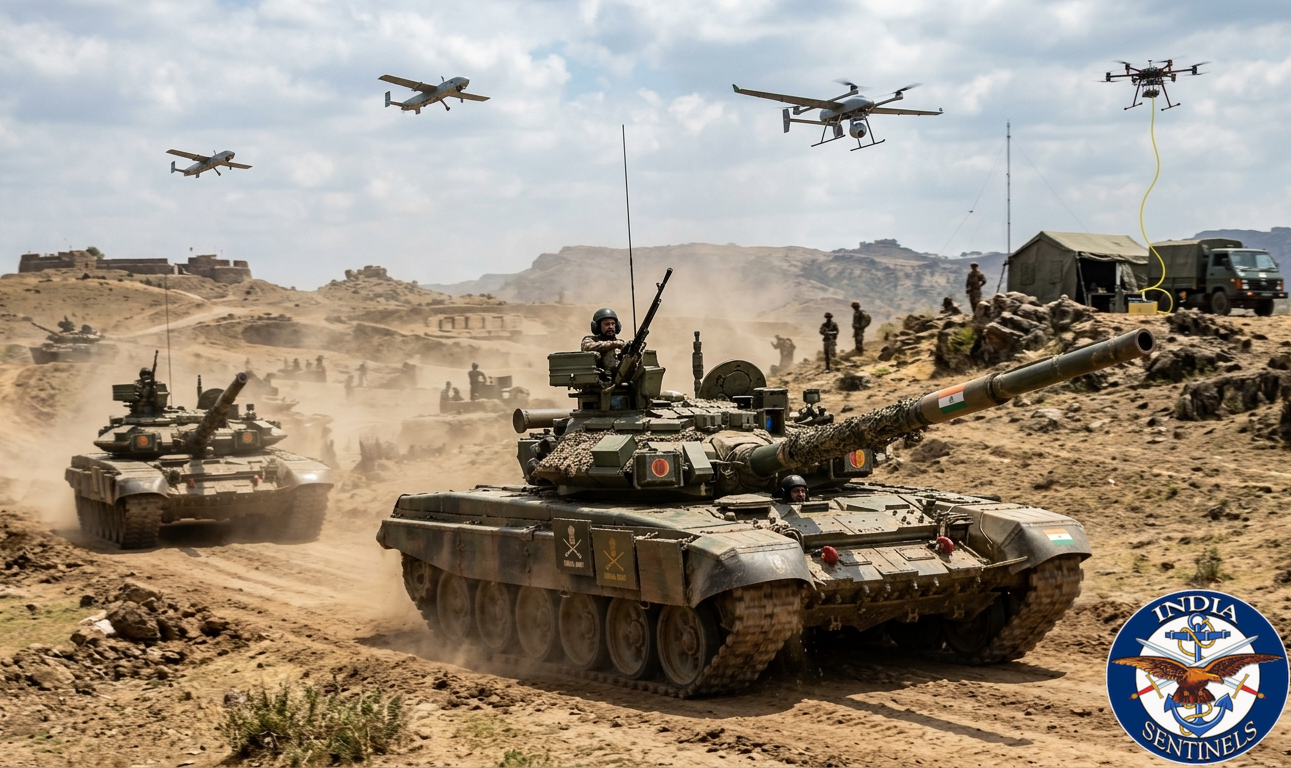
In exercises involving tanks and infantry, the positioning of soldiers relative to advancing armoured vehicles is especially important because a tank crew may have limited visibility of personnel immediately ahead of its vehicle. Training safety arrangements must therefore account for changing ground conditions, clearly defined movement corridors, communication between participating elements and procedures for interrupting manoeuvres when hazards develop.
However, the available information does not establish whether any such arrangements were absent, inadequately implemented or disrupted during Saturday’s exercise. Nor has the specific tank model involved in the accident been independently established, making it premature to attribute the deaths to any particular vehicle design or technical limitation.
The circumstances nevertheless underline an important distinction between identifying an immediate cause and determining the underlying factors responsible for an accident. Although dust may explain why the driver failed to see the soldiers, a comprehensive examination would also need to establish how personnel came to be positioned within the vehicle’s path and whether the danger could have been recognized before the collision.
Two families devastated by the accident
The deaths have also brought grief to the soldiers’ families in Uttar Pradesh, where relatives were preparing to receive their bodies. Manish Kumar came from a military family, with his father, Ramveer, himself a retired Army serviceman.
According to local reporting by Amar Ujala, Manish belonged to Bhajju village in Shamli district and was the only son in a family that also included three daughters. He had visited home during Diwali before returning to his military duties, and arrangements were being made for his last rites with military honours.
Ankush Kumar, meanwhile, was scheduled to proceed on leave on Sunday, a day after the accident. His cousin, Amit Kumar, told the Tribune that Ankush had spoken to his children over the telephone at around 2pm on Saturday, shortly before the exercise ended in tragedy.
Not the first fatal tank-training accident
The Hisar deaths come against the background of other fatal accidents involving armoured vehicles during Indian Army training, although the circumstances have differed considerably. On June 28, 2024, five soldiers died in eastern Ladakh after a T-72 tank became trapped in the Shyok river near Saser Brangsa following a sudden rise in water levels during a training-related movement.
The Army subsequently explained that rescue attempts had been unsuccessful because of the strong current and rising water, according to DD India’s account Army statement. That accident highlighted the dangers of conducting armoured operations in difficult terrain and rapidly changing environmental conditions, where circumstances can overwhelm even heavily protected military equipment.
More recently, a soldier died in December 2025 when an Army tank sank during a training activity in Rajasthan’s Indira Gandhi canal. Although neither incident is directly comparable to the collision in Hisar, all three illustrate the risks associated with military training involving heavy armoured vehicles.
Realistic combat training is indispensable to the Army’s operational preparedness, particularly for armoured formations expected to conduct coordinated manoeuvres under difficult battlefield conditions. Such realism, however, must be supported by safety measures capable of addressing foreseeable risks without undermining the effectiveness of the training itself.
The immediate priority in Hisar will be establishing the precise circumstances in which the two soldiers were struck and whether the accident reveals any shortcomings requiring corrective action. Until those findings are available, the reported loss of visibility remains a preliminary explanation rather than a complete account of what caused the deaths.
Follow us on social media for quick updates, new photos, videos, and more.
X: https://x.com/indiasentinels
Facebook: https://facebook.com/indiasentinels
Instagram: https://instagram.com/indiasentinels
YouTube: https://youtube.com/indiasentinels
© India Sentinels 2026-27