New Delhi: The Ministry of Defence has issued a request for proposal (RFP) for 83 tracked platforms purpose-built to carry the Akashteer air-defence command-and-reporting system into mechanized combat zones, addressing a capability gap that became particularly visible during the 2020 Ladakh standoff with China.
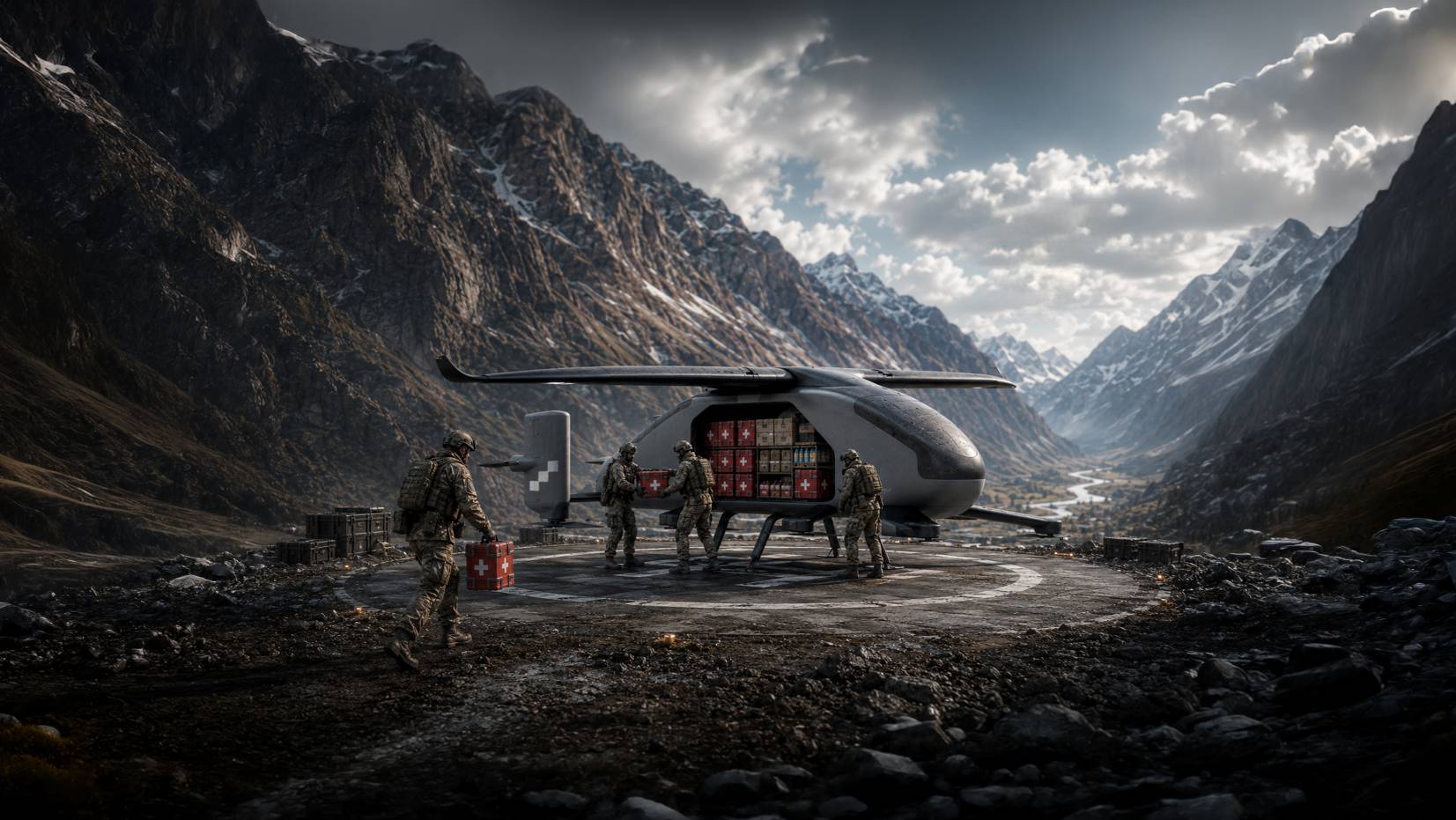
The vehicle, designated the “Carrier Air Defence Tracked”, or CADET, is intended to keep pace with tank and armoured infantry columns – formations that are especially vulnerable to aerial attack and drone strikes during offensive operations. Wheeled command vehicles, which have historically served this role, cannot match the cross-country mobility of armoured columns in high-altitude or broken terrain.
What Akashteer needs tracked platform
Akashteer is a DRDO-developed system that integrates air-defence sensors and weapons – radar, guns, missiles – into an automated, real-time network, which enables faster target acquisition and engagement than manually coordinated systems allow. It is designed to function as the connective tissue of a layered air defence architecture, processing inputs from multiple sensors and directing responses across an engagement zone.
The logic behind mounting it on a tracked platform is straightforward. In mechanized offensive operations, armoured columns move fast and across terrain that wheeled vehicles struggle to negotiate. An air-defence command post that can’t keep pace with the formations it is meant to protect offers limited operational value. The CADET resolves that by giving Akashteer the same cross-country mobility as the tanks and infantry carriers it accompanies.
The programme also reflects the Army’s evolving assessment of the aerial threat. Beyond conventional fixed-wing aircraft and helicopters, the CADET is earmarked for integration with future drone detection, interdiction, and counter-swarm systems – an acknowledgement that the battlefield air threat has changed fundamentally, as conflicts in Ukraine and the Middle East have demonstrated in recent years.
Technical requirements
The specifications set out in the RFP are demanding. The platform must operate across a temperature range of minus 30 to plus 50-degrees celsius – covering conditions from Siachen-altitude winters to Rajasthan summers – and must function at altitudes up to 5,000 metres.
On road, the vehicle must achieve at least 45 kilometres per hour; cross-country, a minimum of 15 kilometres per hour. Operating range on a single tank of fuel is set at 320 kilometres or more. The crew cabin must accommodate at least four personnel in climate-controlled conditions.
Ballistic protection is specified at STANAG Level III to the front and Level II across remaining surfaces – standards used by Nato member states to define resistance against armour-piercing rounds and other ballistic threats. A 30-kilowatt auxiliary power unit must sustain all onboard systems for six hours without running the main engine, ensuring the command post can operate silently when required.
Navigation must draw simultaneously on GPS, GLONASS, and India’s own NavIC satellite constellation, with the operator able to disable any individual system to counter jamming – a requirement that reflects hard lessons from electronic warfare environments. The platform must also meet US MIL-STD 461E and 464 electromagnetic compatibility standards, governing conducted and radiated emissions that could interfere with or be exploited by adversary systems.
The Akashteer electronics will be supplied as buyer-furnished equipment, meaning the successful vendor provides the tracked platform and integrates the systems – they do not manufacture the air-defence hardware itself.
Procurement terms
All 83 units must be delivered within 36 months of advance payment. The warranty period runs 24 months from acceptance, and the designed service life is 20 years.
Read also: DRDO, Indian Navy successfully conduct maiden salvo launch of naval anti-ship missile-short range
If two vendors qualify, the order will be split 60:40 between the lowest and second-lowest bidders, both at the lowest bid price – an arrangement intended to avoid single-source dependence while maintaining cost discipline.
The contract falls under the Buy (Indian-IDDM) category – indigenously designed, developed, and manufactured – requiring at least 65 per cent local content. This places the CADET within the broader framework of defence indigenization that the MoD has pursued with increasing urgency since 2020, encompassing both the Atmanirbhar Bharat initiative and successive positive indigenization lists that have restricted or banned imports of specified military equipment.
Why now and what for?
The timing and design requirements together point to a specific operational scenario: rapid deployment to high-altitude frontline positions in response to a border crisis, particularly along the line of actual control (LAC) with China.
The requirement for compatibility with C-17 Globemaster III strategic airlift aircraft – which the Indian Air Force operates in a fleet of 11 – makes that intent explicit. Airlifting tracked armoured vehicles is logistically complex and expensive, but it is the only viable option for rapid reinforcement of positions in terrain where road access is constrained or contested. That the CADET must fit the C-17’s cargo hold indicates the Army wants the capability deployable at short notice, not only as part of a deliberate buildup.
The 2020 Galwan valley clash, which resulted in the deaths of 20 Indian soldiers and an undisclosed number of Chinese personnel, triggered a large-scale and still-ongoing reinforcement of the eastern Ladakh sector. Among the lessons drawn from that episode was the need for better-integrated and more mobile air defence coverage for forward-deployed formations – coverage that existing wheeled platforms could not reliably provide in that terrain.
The CADET programme, if delivered on schedule, would begin fielding that capability before the end of the decade.