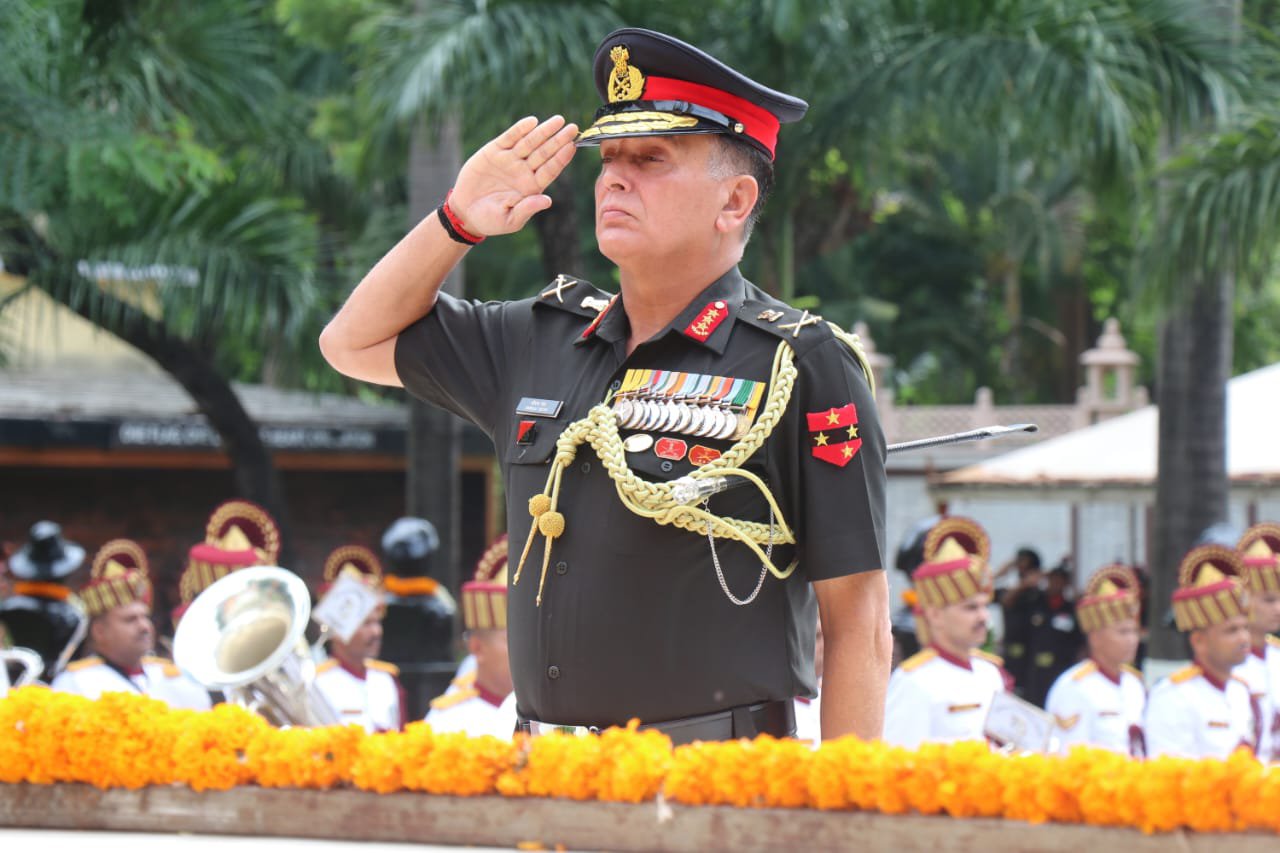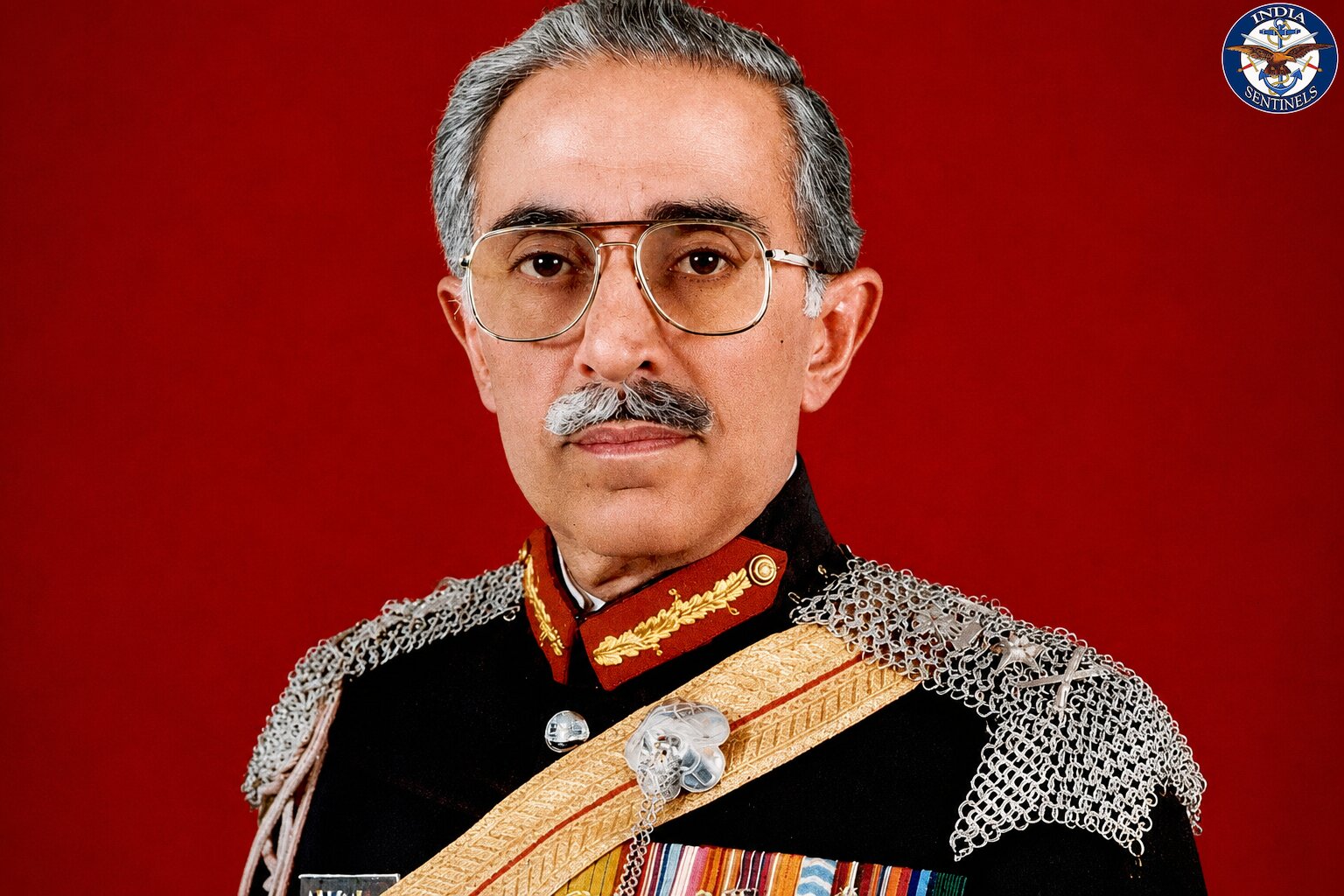
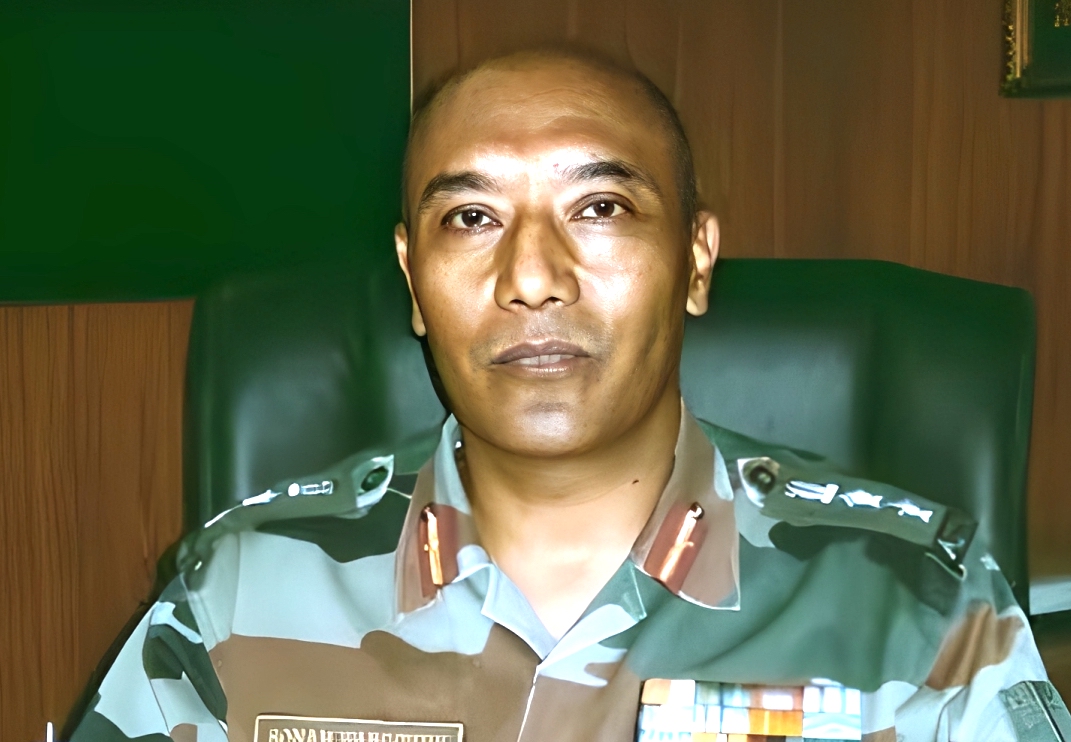
 Colonel Sonam Wangchuk, MVC (R) (January 27, 1964–April 10, 2026)
New Delhi: Colonel Sonam Wangchuk, MVC (retired), the decorated Kargil war veteran who led the Indian Army’s first successful offensive operation of the 1999 conflict, died of a heart attack at his residence in Leh on Friday morning. He was 61.
According to his family, Col Wangchuk had reportedly been experiencing chest discomfort for several days before his death and had been evaluated at an Army hospital in Leh, where an ECG and ultrasound returned normal results. He collapsed at home and could not be revived. No external cause was indicated.
The battle that defined a career
Born on January 27, 1964, in Sankar, near Leh, Wangchuk grew up in the high-altitude terrain of Ladakh that would later become the theatre of his greatest military achievement. He studied at Modern School, Barakhamba Road, New Delhi, and later attended Delhi University before being commissioned into the 4th Battalion of the Assam Regiment through the Officers Training Academy, Chennai.
Early postings took him to counterinsurgency operations in the northeast and with the Indian Peace Keeping Force in Sri Lanka, before he was deputed to the Ladakh Scouts – the Army’s specialist high-altitude infantry formation.
It was in May 1999, however, as Pakistani troops infiltrated Indian positions along the line of control (LoC) during what would become the Kargil war, that Wangchuk entered the national consciousness. Tasked with securing the Chorbat-la ridge in the Batalik sector at approximately 5,500 metres – before Pakistani forces could consolidate their hold on it and threaten vital supply routes – he led a column from the Indus Wing of the Ladakh Scouts on May 30, 1999.
He had only 40 men available; roughly 60 per cent of his assigned strength had been diverted to other missions.
As his column advanced towards the ridge line in subzero temperatures and two feet of snow, it came under heavy fire from a Pakistani position on a commanding vantage point, resulting in the death of a non-commissioned officer. Wangchuk held his men together, scaled a near-vertical cliff face to gain a flanking position, and launched a dawn assault at 4.30am on May 31. His unit killed several enemy soldiers, recovered a heavy machine gun, a universal machine gun, and quantities of ammunition and stores, and forced the remaining troops to withdraw. He then cleared the entire Chorbat-la axis up to the LoC, eliminating all remaining Pakistani intrusions in the area at considerable personal risk.
The three-day battle secured Chorbat-la and prevented Pakistan from blocking a critical approach into the Batalik sector.
It was India’s first clear territorial gain in the Kargil war, and Wangchuk’s unit held the position for 14 days before handing it over to the 14th Sikh Regiment. Six of his soldiers also received gallantry medals for their roles in the operation.
The Maha Vir Chakra
For “exceptional bravery and gallantry of the highest order in the presence of enemy fire and in extreme climatic conditions in the glaciated area”, Wangchuk was awarded the Maha Vir Chakra – India’s second-highest wartime gallantry decoration – for actions effective from May 30, 1999. The citation acknowledged not only the tactical success at Chorbat-la but also his personal decision to lead from the front under fire, an act that steadied his outnumbered column at a moment of acute danger.
Within the Ladakh Scouts and the wider Indian infantry community, the operation has since been cited as a model of small-team initiative, terrain exploitation and leadership under pressure. In August 2017, the-then president of India, Ram Nath Kovind, released a documentary titled “Lion of Ladakh” about Wangchuk and his troops.
The sobriquet stuck.
Tributes
On Friday, the defence minister, Rajnath Singh, led official tributes, describing Wangchuk as “a highly decorated officer of the Indian Army, renowned for his gallantry, resolute leadership and unwavering commitment to duty.” Singh said Wangchuk’s actions during Operation Vijay had inspired his men under the most demanding high-altitude conditions and that his life would remain “a testament to courage, sacrifice and national integration”.
The Indian Army paid “heartfelt homage” to Wangchuk, describing him as “a brave soldier, a committed leader and a son of Ladakh whose life embodied courage, service and unity.” The Army’s Leh-based 14 Corps – the Fire and Fury Corps, which oversees all operations in Ladakh, expressed “profound grief”, recalling his “exemplary courage” and “inspiring leadership” in the Batalik sector.
Former colleagues described him as a calm, unassuming officer whose concern for his men was as notable as his battlefield record. In retirement, he remained a visible and accessible figure in Ladakh, appearing regularly at commemorative events and veterans’ gatherings, and was widely regarded as a mentor by young people from the region aspiring to join the armed forces.
Ladakh mourns
For Ladakh, Col Sonam Wangchuk’s death is the loss of a native son whose story connects the remote Himalayan territory directly to one of the most consequential chapters in modern Indian military history. His father, Sonam Wangyal, served as a liaison officer for the Dalai Lama – a biographical detail that underscores the layered, cross-cultural character of Ladakhi identity that Wangchuk himself embodied throughout his life and service.
Every Kargil Vijay Diwas – the annual commemoration held on July 26 – the image of a young major leading 40 Ladakhi soldiers up a frozen ridge at 18,000 feet before dawn is recalled as among the defining acts of personal courage in the war. With Wangchuk’s death, that image belongs entirely to history.
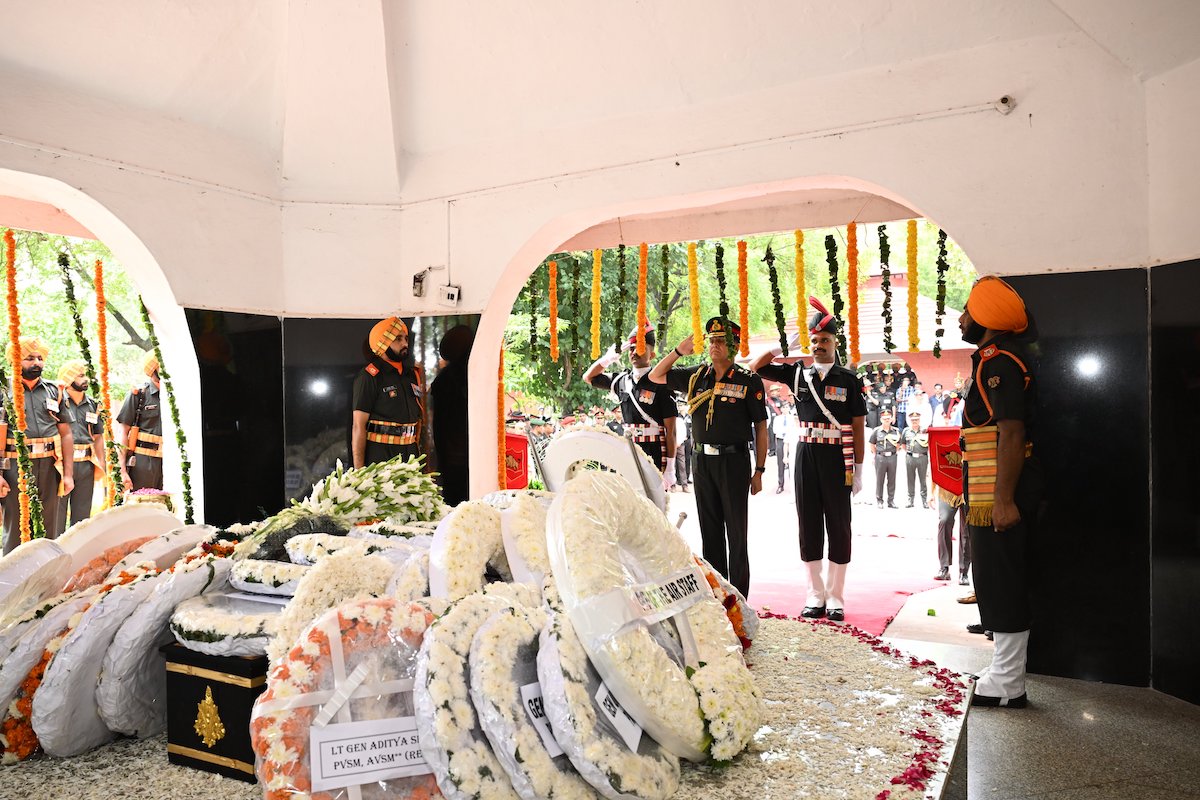
Col Wangchuk is survived by his family. Details of funeral arrangements were not immediately available.
Follow us on social media for quick updates, new photos, videos, and more.
X: https://x.com/indiasentinels
Facebook: https://facebook.com/indiasentinels
Instagram: https://instagram.com/indiasentinels
YouTube: https://youtube.com/indiasentinels
© India Sentinels 2026-27