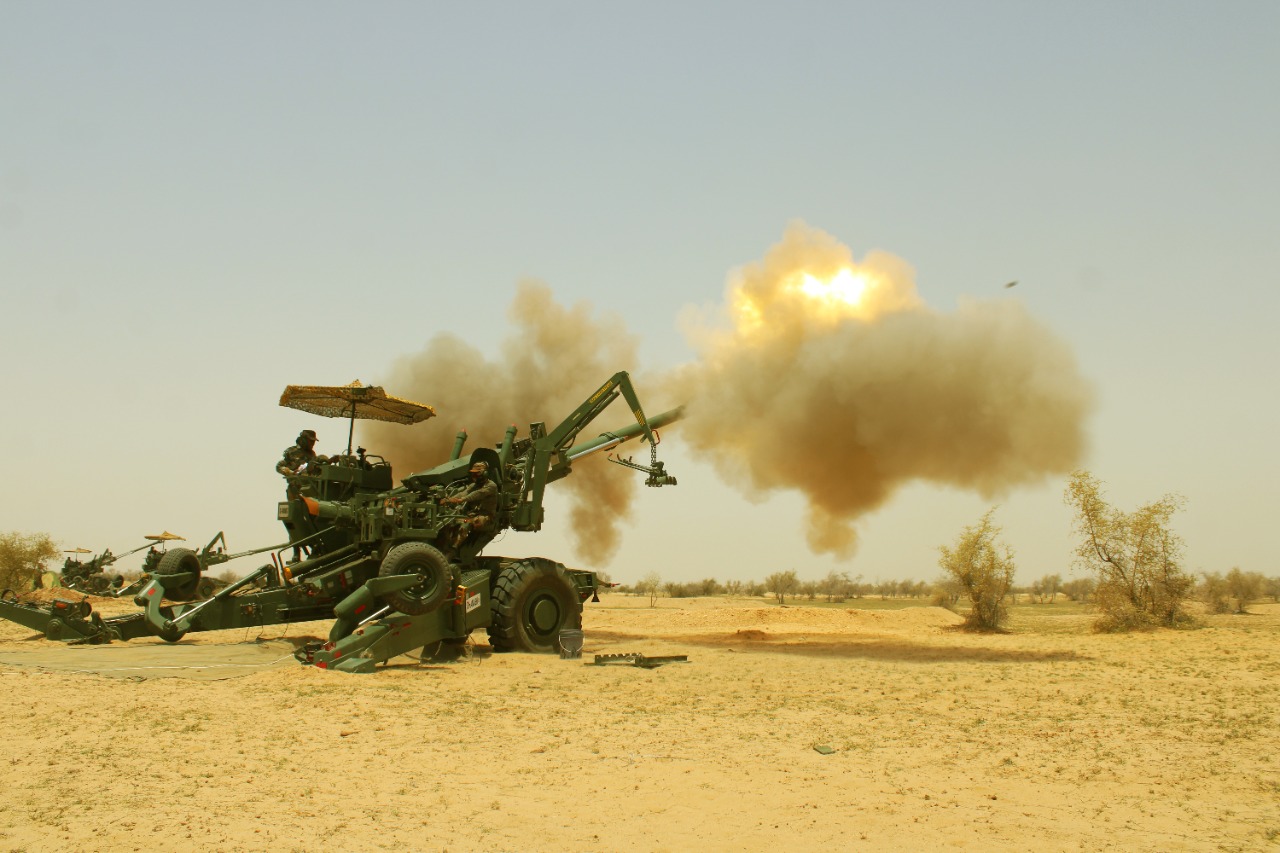
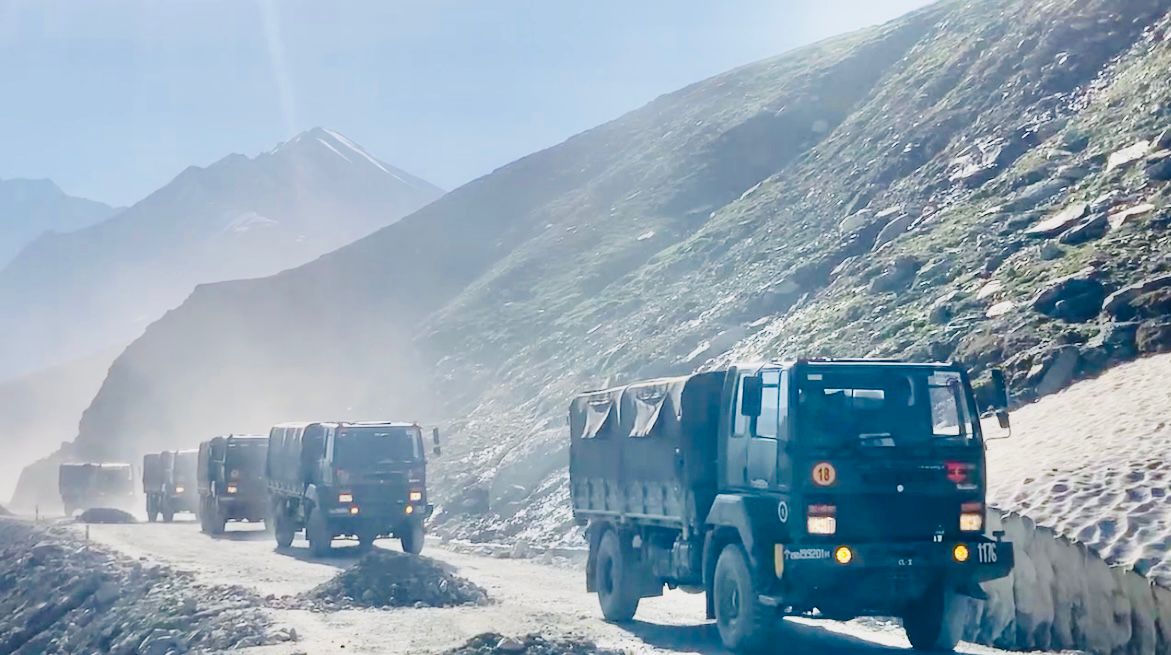
 An Indian Army convoy. (File photo)
New Delhi: The Indian Army will be using trains as its primary mode of transport for the periodic relocation of units stationed across the country. Sources in the defence established confirmed the development as a direct response to Prime Minister Narendra Modi’s call for austerity and the judicious conservation of fuel.
The decision carries considerable logistical weight. Army unit postings rotate every 2.5–3 years, and each relocation is a substantial undertaking. A smaller unit typically requires around 50 vehicles; larger formations needed around 75, including heavy-load carriers for equipment and separate transport for officers and junior commissioned officers (JCOs).
When a unit moves with its own organic equipment rather than handing it over to the incoming formation, the vehicle count rises further still.
Threshold for rail use lowered
Until now, the Army used trains only for movements exceeding 1,000 kilometres. That threshold is to be considerably reduced, with rail now mandated even for shorter distances where road convoys had previously been the default.
The Army operates its own “Military Special” trains, and retains operational control over scheduling and routing, though it is required to share itineraries with the Ministry of Railways.
The sources further said: “The new measure would not impact training schedules or operational preparedness in any way.”
“The shift is driven purely by the need to reduce fuel consumption and extend the serviceable life of the vehicle fleet.”
Part of broader austerity measures
Modi’s call for fuel economy, made in recent days, has been taken up across government. For the army, the implications are particularly tangible: with hundreds of units scattered from the Siachen glacier in the north to the Andaman and Nicobar Islands in the far south, and from the western deserts of Rajasthan to the dense forests of the northeast, the sheer volume of inter-unit movement represents one of the largest recurring fuel drains in the defence budget.
The shift to rail also addresses a secondary concern: vehicle wear and tear.
Long road marches across India’s varied terrain — from high-altitude passes to coastal plains — accelerate mechanical degradation. Reducing road mileage during unit transfers will, in theory, extend the operational lifespan of military vehicles and reduce maintenance costs.
India’s defence establishment has periodically explored ways to integrate civilian and military logistics infrastructure more effectively. The Army’s existing Military Special Train network gives it the flexibility to implement the new policy without significant additional investment in infrastructure.