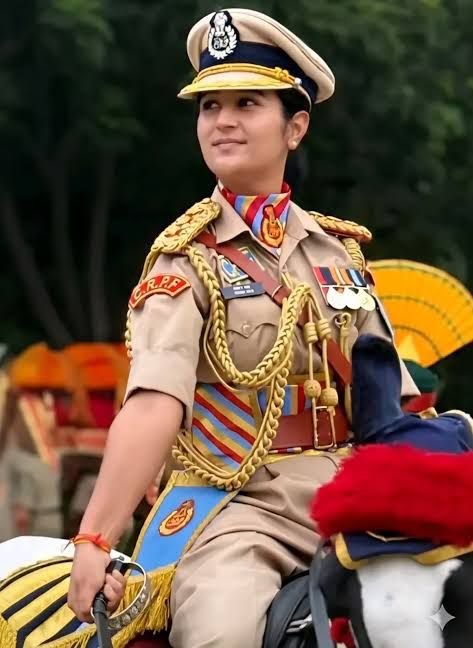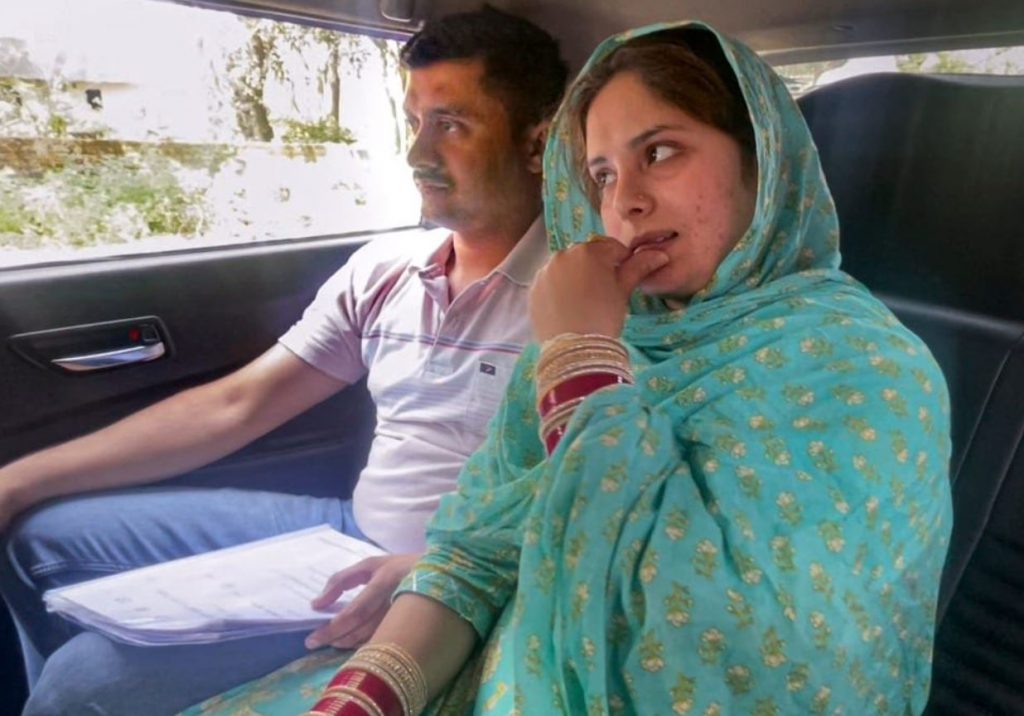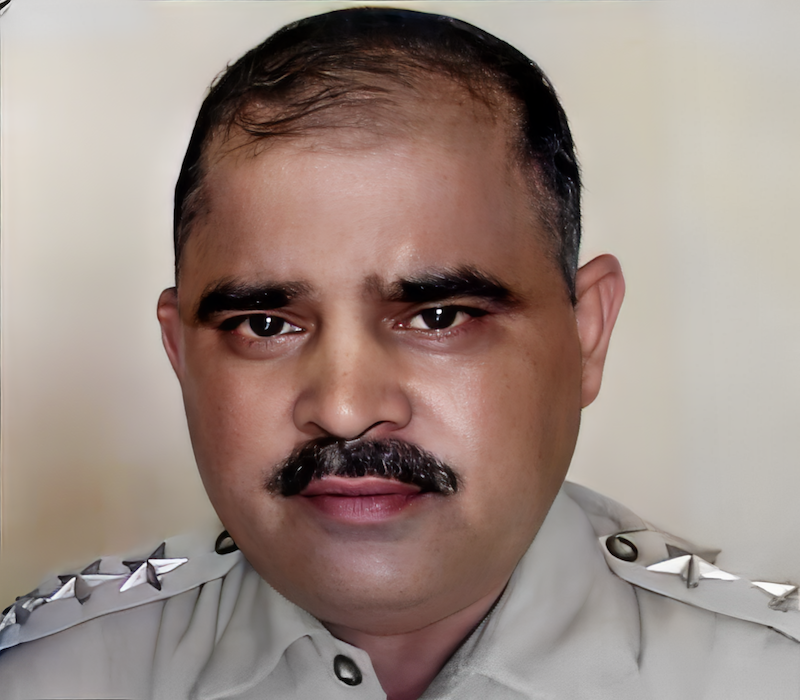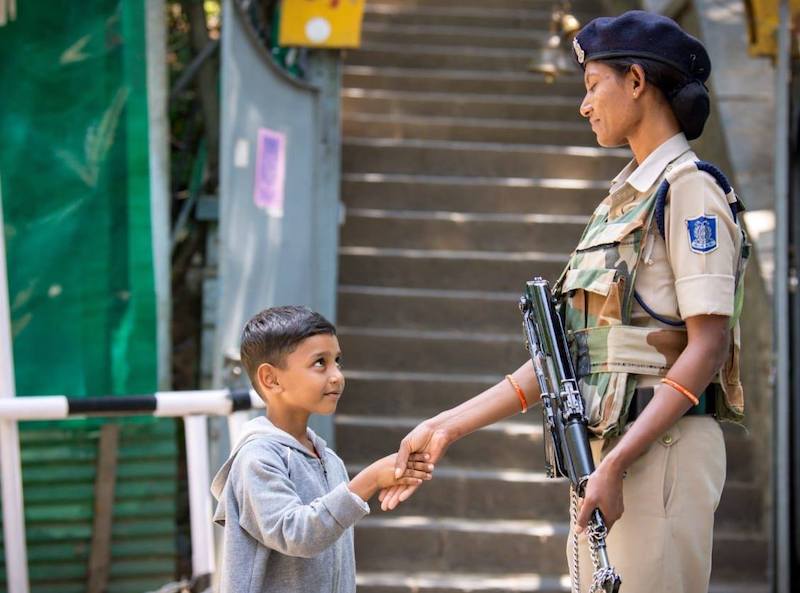
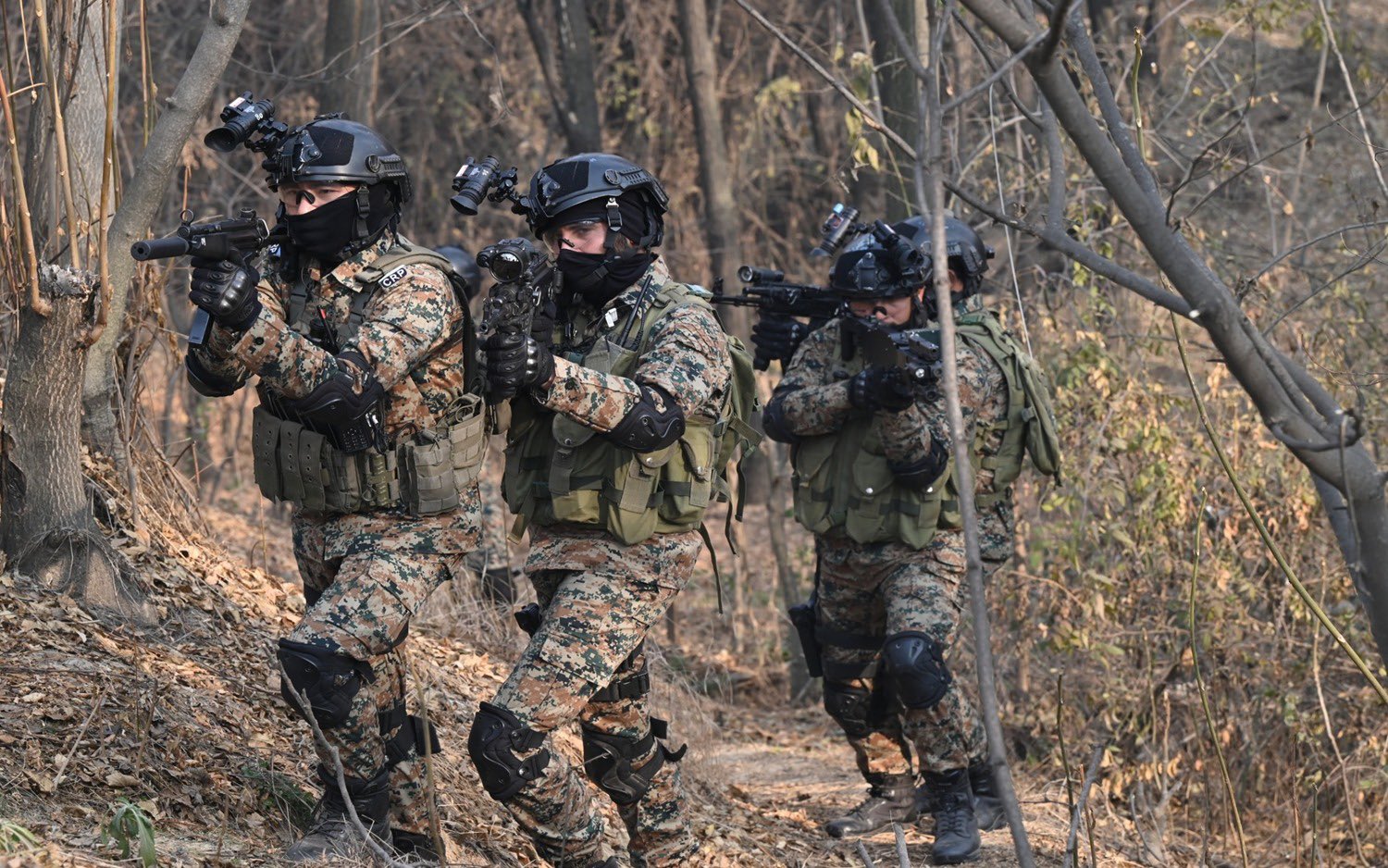
 Representational image (Photo: X/@AmitShah)
New Delhi: The Central Reserve Police Force (CRPF) has suspended a senior officer of deputy inspector general (DIG)-rank and transferred approximately 20 others in what critics are calling a punitive response to dissent over the recently enacted Central Armed Police Forces (General Administration) Act, 2026. The CAPF Act 2026 has cleaved open a long-simmering dispute within the paramilitary establishment over career rights, judicial authority, and institutional governance.
The officer facing suspension is DIG BC Patra, posted at the CRPF’s Tripura Sector headquarters in Agartala. A 1994-batch CRPF cadre officer, Patra had returned to the force in April this year after completing a deputation stint with the National Security Guard (NSG). He was placed under suspension under Sub-Rule (1) of Rule 10 of the Central Civil Services (Classification, Control and Appeal) Rules, 1965, pending a preliminary enquiry.
Read also: CAPFs Act undermines the very forces it claims to strengthen
It is the first such case among the approximately 15,000 cadre officers entrusted with leadership roles in the country’s 10-lakh-strong Central Armed Police Forces.
The charges
The allegations relate to audio-visual and pictorial content shared on social media platforms that purportedly called for a “change” in the country’s lawfully elected government during the debate and passage of the Central Armed Police Forces (General Administration) Bill, 2026. The bill subsequently became law after receiving presidential assent in April.
The CRPF director general (DG), GP Singh, confirmed the action and issued a pointed statement. “All serving and uniformed officers of the CRPF are bound by the rules and statutes and the oath taken. Any word(s) – written or spoken – or action contravening the same would be dealt appropriately in consonance with the law of the land,” Singh told PTI.
A targeted officer?
Colleagues of Patra see the matter very differently. Several officers described the suspension as “mala fide” and “unjustified”, alleging that Patra was being targeted because he had served as the lead petitioner among CAPF cadre officers who fought cases related to promotions and service parity with the Indian Police Service (IPS) all the way to the Supreme Court.
Read also: Dressed Up, Not Reformed: The truth behind the CAPF Act, 2026
“The DIG is being unfairly treated and punished by the CRPF headquarters because he led the legal battle for the rightful claims of the cadre officers on par with the IPS officers who join the CAPFs on deputation,” a senior officer said on condition of anonymity.
Ranbir Singh, general-secretary of the Alliance of All Ex-Paramilitary Forces Welfare Association (AAPWA), said that Patra was an outstanding officer who had been commended with multiple awards. An association of retired CAPF officers has called a press conference on July 2 to protest what it called the “hasty and illegal” suspension, and to raise the matter of personnel whose family members demonstrated against the CAPF Act at Rajghat in New Delhi in April.
The legislation at the centre of the storm
To understand why the suspension has drawn such a sharp response from within the paramilitary establishment, the background of the CAPF Act is instructive.
On paper, the Central Armed Police Forces (General Administration) Bill, 2026 is an exercise in administrative tidiness, promising to unify a patchwork of service rules governing five forces – CRPF, Border Security Force (BSF), Indo-Tibetan Border Police (ITBP), Central Industrial Security Force (CISF), and Sashastra Seema Bal (SSB) – replacing decades of ad hoc arrangements with statutory clarity.
The act stipulates that 50 per cent of posts at the rank of inspector general and at least 67 per cent at additional director general in these forces will be filled through deputation from the IPS. The posts of special director general and director general are reserved exclusively for deputation.
Read also: Address the deformities in CAPF structure
The bill was introduced in the Rajya Sabha on March 25, 2026, met with strong opposition, and was briefly deferred. Both houses passed it eventually and received presidential assent in April.
Why the CAPF cadre officers are infuriated
In May 2025, the Supreme Court had delivered a judgement recognising CAPF cadre officers as members of Organised Group A Services, a classification entitling them to the same structured career progression and financial benefits that officers in other central services enjoy.
The apex court asked the Narendra Modi government to progressively reduce IPS deputation in CAPFs up to the level of inspector general within two years. The government filed a review petition. However, the Supreme Court dismissed it in October 2025.
IPS appointments continued even after the court’s order which prompted the CAPF officers to file a contempt petition. On March 9, 2026, the Ministry of Home Affairs (MHA) informed the court that “appropriate statutory and regulatory intervention” was under consideration.
Read also: Debunking the myth of IPS superiority over CAPF cadres
The bill was approved by the union cabinet the very next day – a sequence critics characterize as a legislative circumvention of judicial authority.
Decades of grievance
The discontent within the CAPFs is not new and runs far deeper than the current legislation. Officers who enter these forces as young assistant commandants through the Union Public Service Commission (UPSC) can spend their entire working lives guarding borders or fighting insurgencies, only to find the top positions filled by IPS officers on deputation – state-cadre police officers temporarily posted to lead central paramilitary forces they have never served in.
The cascading effect on promotions is severe. When an IPS officer on deputation occupies an inspector general post, the CAPF officer who should have become inspector general stays at deputy inspector general. That slot is then blocked, so the commandant below stays put. This slows promotions down multiple ranks, affecting morale even at the lowest levels.
The human cost, cited in parliamentary debate, is stark. Congress’s Ajay Maken, speaking in the Rajya Sabha, cited government data showing that between 2021 and 2025, 749 CAPF personnel died by suicide, 46,000 took voluntary retirement, and 9,532 resigned.
Read also: Trampling of Trust: The nightmare of a ‘deshbhakt’
HR Singh, president of the AAPWA and a retired additional director general-rank officer from the CRPF cadre, said the government passed the CAPF Act despite the Supreme Court ruling that paved the way for better service prospects for CAPF cadre officers. “About 10 lakh personnel and 13,000 officers of these forces are very concerned about their future.”
The government’s position
The MHA and the CRPF leadership have consistently defended both the legislation and the disciplinary action. The home ministry officials have argued that the deputation of IPS officers to CAPFs remains a legitimate administrative requirement, given their all-India service status and supervisory responsibilities within state police organisations.
Proponents of the legislation argue that IPS deputation ensures interoperability across the country’s security apparatus, and that IPS officers, trained to operate across states and institutions, bring a broader administrative perspective, fostering coordination among central forces, state police, and intelligence agencies.
Follow us on social media for quick updates, new photos, videos, and more.
X: https://x.com/indiasentinels
Facebook: https://facebook.com/indiasentinels
Instagram: https://instagram.com/indiasentinels
YouTube: https://youtube.com/indiasentinels
© India Sentinels 2026-27