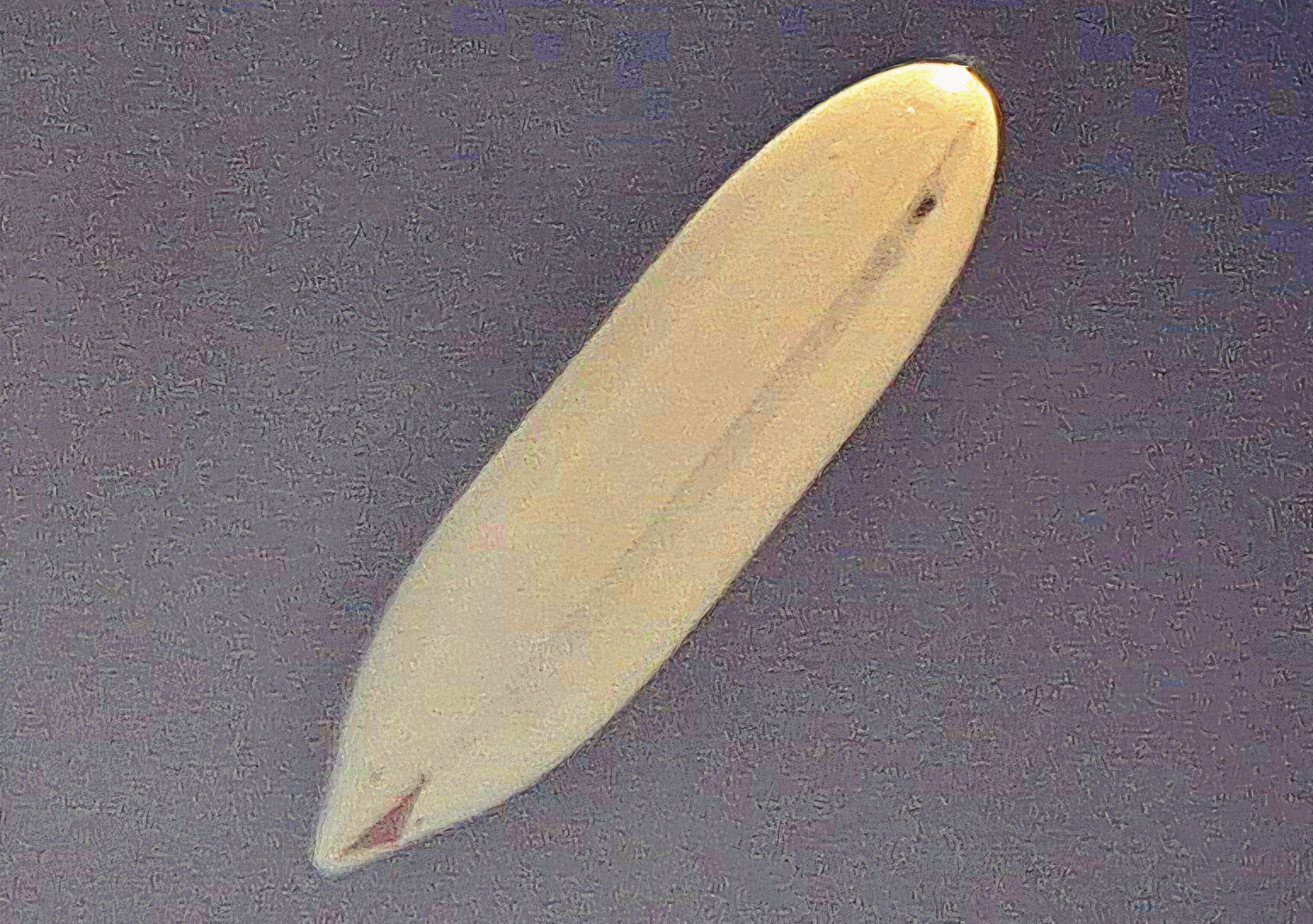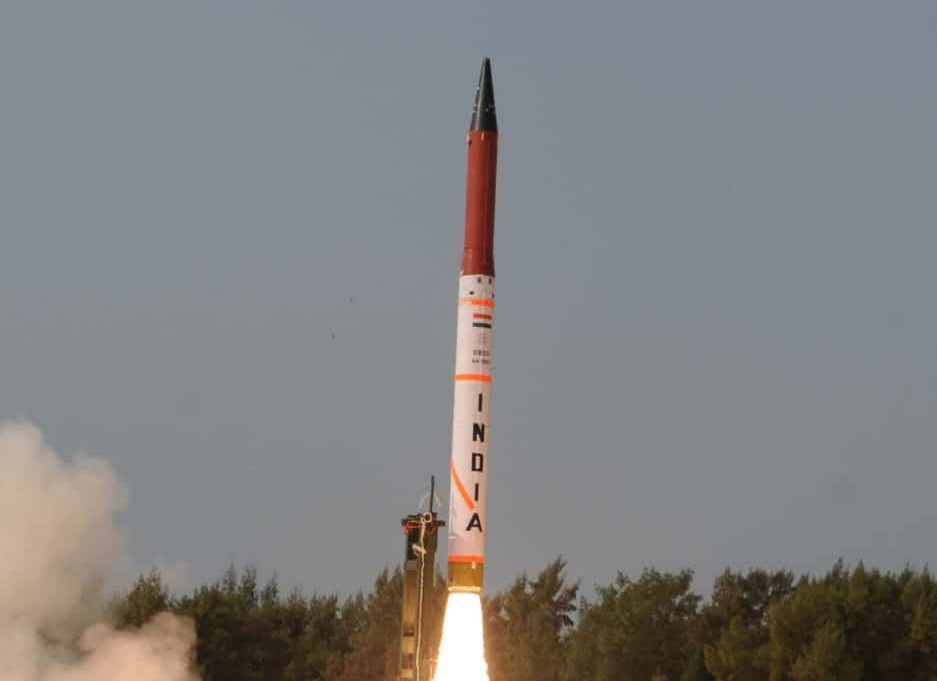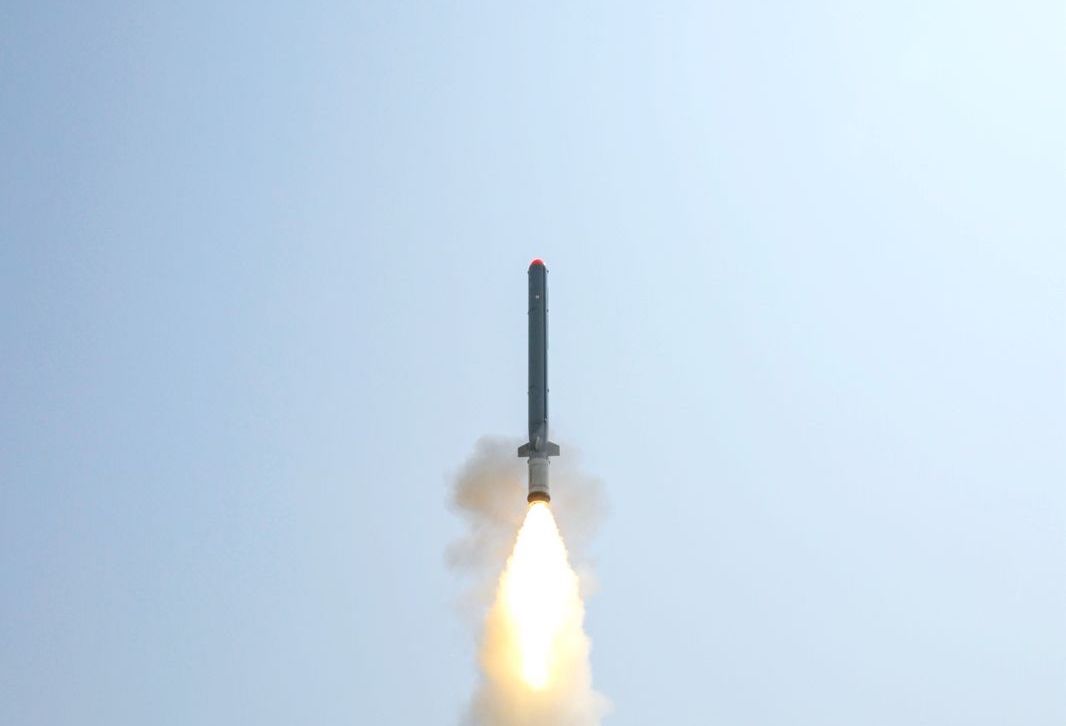
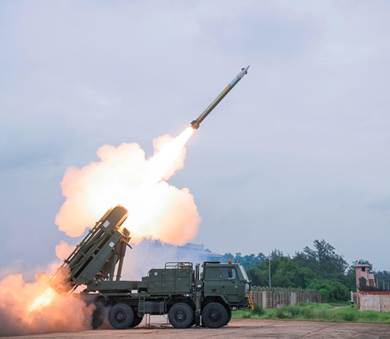
 Pinaka long range guided rocket. (Photo: DRDO)
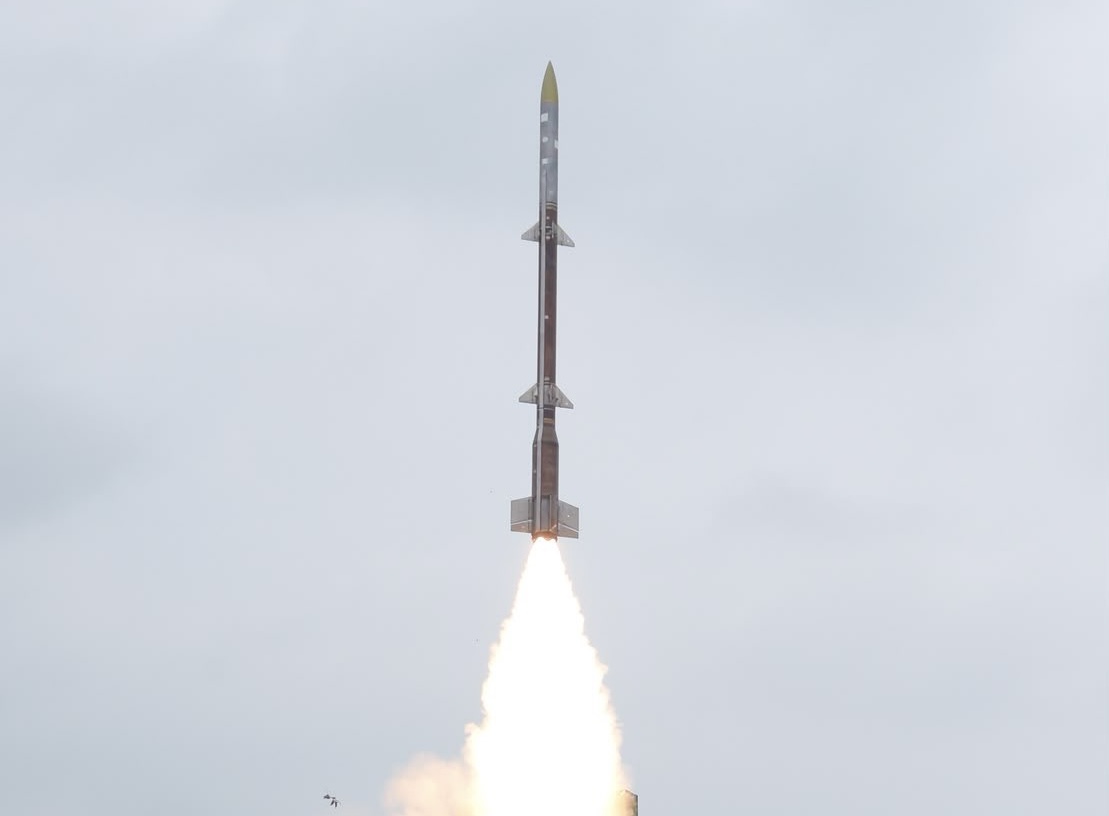
New Delhi: Defence Research and Development Organisation (DRDO) on Wednesday successfully flight-tested the Pinaka long-range guided rocket (LRGR) at its minimum operational range of 60 kilometres, an exercise conducted at the Integrated Test Range (ITR) in Chandipur, Odisha.
According to the defence ministry, the rocket executed all planned in-flight manoeuvres and struck the designated target with what officials described as textbook precision, tracking the predicted trajectory throughout its flight.
A network of range instrumentation deployed at the facility monitored the rocket from launch to impact, capturing data that will feed into the weapon's ongoing certification process.
DRDO Successfully Flight-Tests Pinaka Long Range Guided Rocket. pic.twitter.com/gZFyYlT3YC
— India Sentinels (@indiasentinels) July 8, 2026
Wednesday’s trial is significant chiefly because of what it was not testing. Rather than pushing the rocket to its outer limit, engineers deliberately constrained it to the lower end of its engagement envelope – a manoeuvre that, in artillery terms, is often technically harder to pull off cleanly than firing at maximum range, since guided munitions must shed energy and adjust trajectory more sharply for closer targets.
As India Sentinels reported earlier, the test follows the LRGR’s maiden trial at Chandipur on December 29, 2025, when the rocket was pushed to its full strike range of 120 kilometres.
Taken together, the two trials bookend the weapon’s performance envelope, a step defence analysts regard as essential before any system is cleared for induction into the Army’s rocket regiments.
The rocket was fired from an existing, in-service Pinaka launcher rather than a bespoke platform, underlining a design philosophy that has run through the programme since its inception: that upgraded variants of the weapon should slot into launchers already fielded by the Army, rather than requiring fresh infrastructure.
The ministry noted that this arrangement allows Pinaka variants of differing ranges to be fired from the same launch vehicle, a flexibility that has practical value for units operating close to the border, where logistics and vehicle numbers are often constrained.
Read also: As India moves to add Pinaka and new corps teeth along LAC, China cries foul
The LRGR has been designed by the Armament Research and Development Establishment, working in association with the High Energy Materials Research Laboratory, with additional support from the Defence Research and Development Laboratory and the Research Centre Imarat.
The defence minister, Rajnath Singh, congratulated DRDO, the Army and the wider defence industry on the outcome, calling it a major milestone in the country's indigenous capability to design and develop long-range guided rockets.
The defence secretary, who also serves as secretary of the Department of Defence R&D and chairman of DRDO, Rajesh Kumar Singh, monitored the trial closely and commended the teams involved.
Behind the trial: a programme years in the making
The Pinaka multi-barrel rocket launcher system has been in Army service since the late 1990s, having first proved itself during the Kargil War, where it was used to considerable effect against Pakistani positions dug into the mountain heights.
The baseline Mk-I Enhanced variant carries a range of around 45 kilometres, and the system has since been manufactured in large numbers, with production capacity expanded through successive rounds of government investment.
The LRGR – sometimes referred to in earlier reporting as the Pinaka Mk-3 – represents a considerable leap in reach, extending the system’s strike range to 120 kilometres. Development formally began in 2024, with the Defence Acquisition Council granting the project’s Acceptance of Necessity in late December last year, alongside a broader package of procurement clearances.
Reports at the time put the cost of inducting the 120-kilometre-range rockets at approximately ₹2,500 crore, with production units already prepared by Economic Explosives Limited ahead of the maiden test.
Read also: General Upendra Dwivedi backs dedicated rocket force to counter regional threats
DRDO has signalled that the Pinaka family is far from finished evolving. Officials have spoken of a Mk-4 variant with a 300-kilometre range and a Mk-5 version stretching to 450 kilometres, positioning the system as a central pillar of any future Indian rocket force.
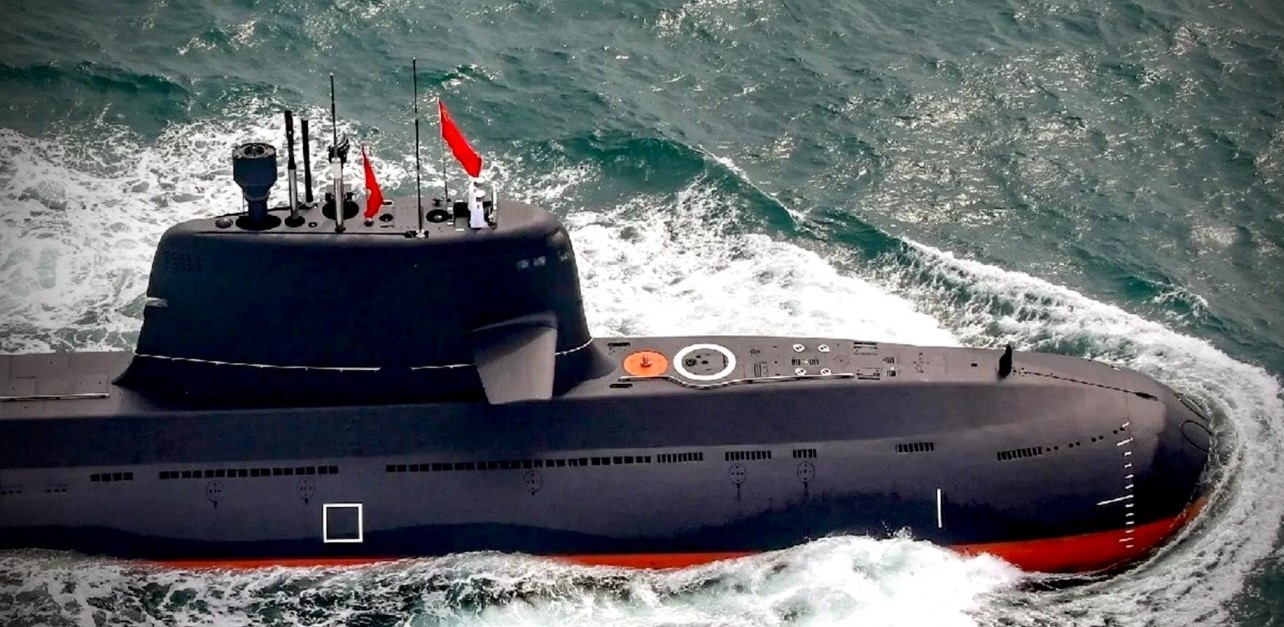
Separately, the organisation has begun developing naval and air force adaptations of the weapon: a 75-kilometre-range naval variant intended for underwater applications, including submarine countermeasures, and an air-launched, surface-to-surface version conceived as a cost-effective alternative to the Pralay missile, with potential integration on the Mirage 2000, Tejas LCA and Su-30MKI platforms.
For the Army, the immediate significance of Wednesday’s test lies less in any single number than in what the programme, taken as a whole, promises: an indigenously developed rocket artillery system capable of engaging targets across a wide band of ranges from common launch platforms already in service, reducing dependence on imported systems and simplifying logistics for forward-deployed units.
Follow us on social media for quick updates, new photos, videos, and more.
X: https://x.com/indiasentinels
Facebook: https://facebook.com/indiasentinels
Instagram: https://instagram.com/indiasentinels
YouTube: https://youtube.com/indiasentinels
© India Sentinels 2026-27