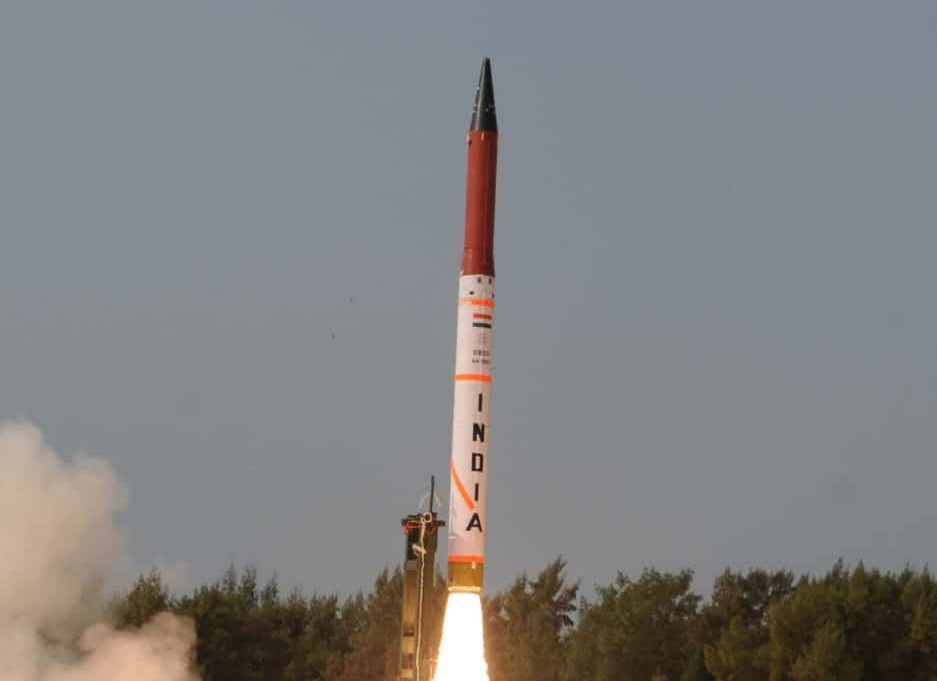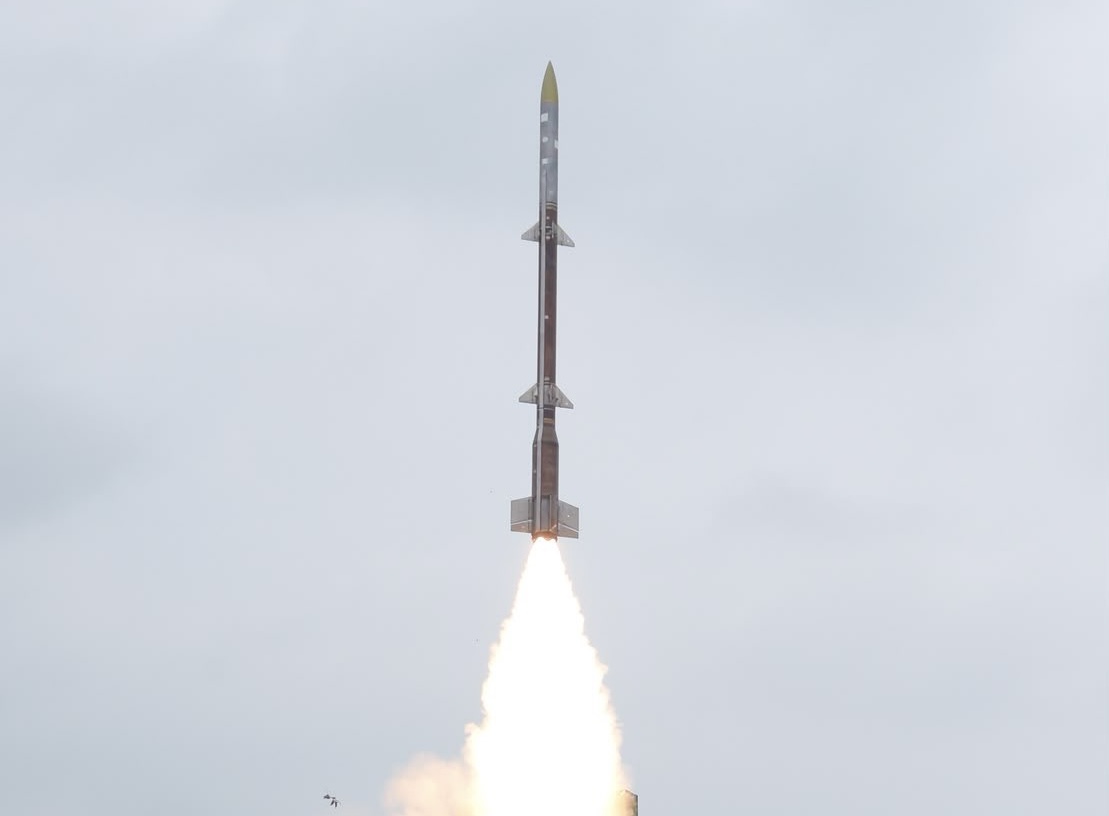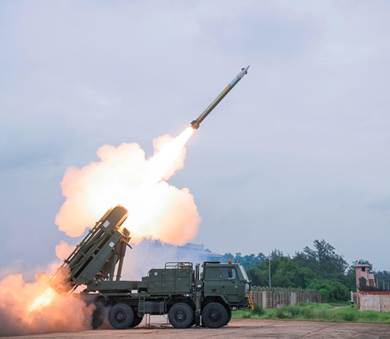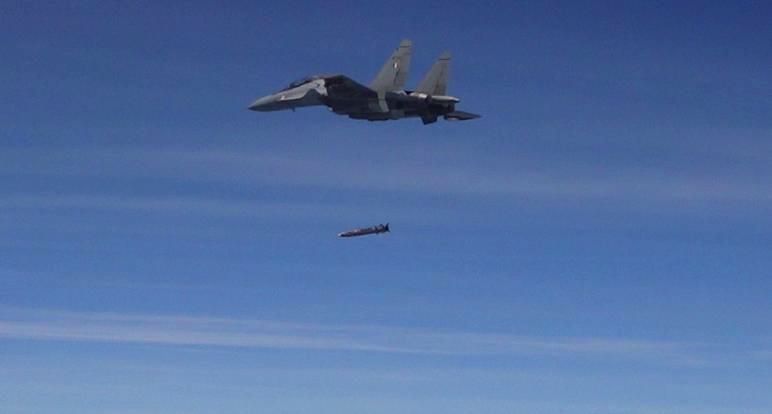
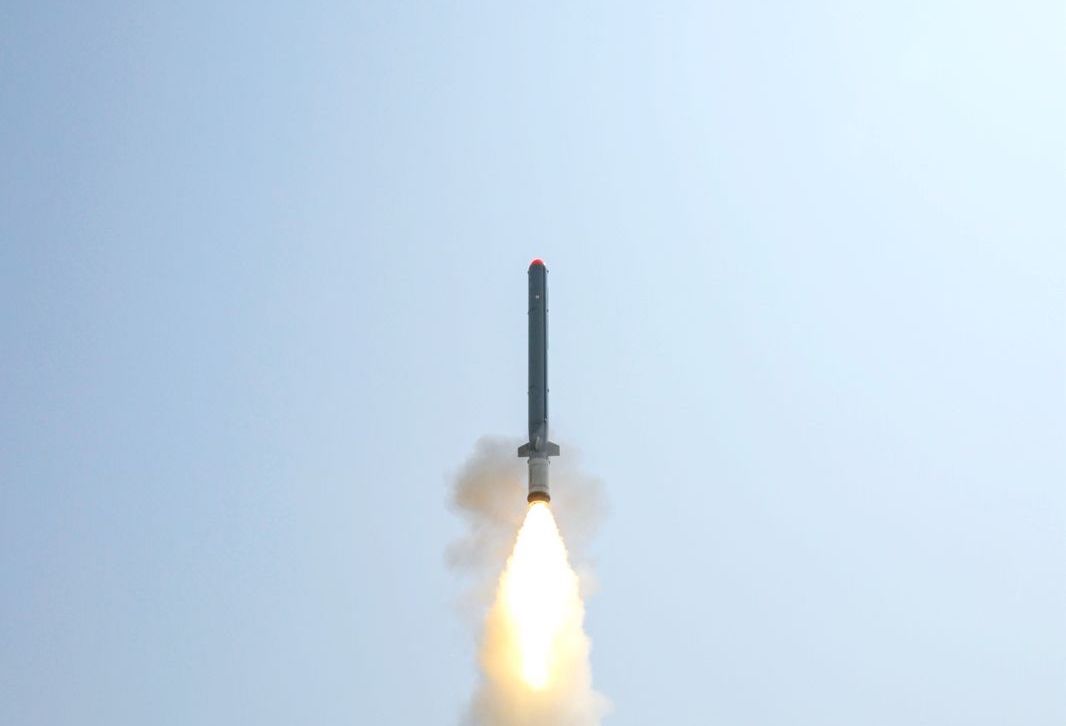
 LRLACM during its test-flight from Dr APJ Abdul Kalam Island off Odisha’s coast. (Photo: DRDO)
New Delhi: India on Monday moved a step closer to fielding a homegrown long-range cruise missile after the Defence Research and Development Organisation (DRDO) successfully carried out the second developmental trial of the long-range land-attack cruise missile (LRLACM) from Dr APJ Abdul Kalam Island off Odisha’s coast. The Ministry of Defence said the missile met all mission objectives during the flight, with its performance monitored through a network of tracking and telemetry assets deployed by the Integrated Test Range (ITR), Chandipur.
Senior DRDO officials witnessed the launch along with representatives from the Indian Navy and the Indian Air Force. The trial comes roughly over a year and half after the missile’s maiden test-firing in November 2024 and is expected to be a major milestone in the programme’s path towards induction into the armed forces.
The defence minister, Rajnath Singh, congratulated DRDO scientists and industry partners involved in the project. The defence secretary, Rajesh Kumar Singh, who is also holding additional charge of DRDO chairman following the retirement of Dr Samir V Kamat, oversaw the test activities and commended the teams associated with the programme.
Indigenous long-range strike weapon
The LRLACM is India’s indigenous subsonic cruise missile designed to engage land targets at long stand-off ranges while flying at low altitudes to evade detection. Developed as an advanced successor to the Nirbhay cruise missile programme, it incorporates upgraded avionics, software, navigation systems and terrain-following capabilities, enabling it to execute complex flight profiles and waypoint-based missions.
The missile has been developed under the leadership of the Aeronautical Development Establishment (ADE), Bengaluru, with support from several DRDO laboratories and Indian industry partners. Bharat Dynamics Limited (BDL) and Bharat Electronics Limited (BEL) are the programme’s principal development-cum-production partners, while the missile’s content is largely sourced from within India.
The first developmental flight of the missile was conducted on November 12, 2024, from the Integrated Test Range. During that trial, the missile successfully completed its planned mission profile and validated key subsystems. Defence observers believe the latest test was intended to further expand the missile’s performance envelope and verify additional operational parameters.
Range, deployment plans and future variants
With an estimated range of around 1,000 kilometres, the LRLACM is intended to provide India with a precision deep-strike capability against strategic land targets. The weapon is being developed for launch from multiple platforms, including mobile land-based launchers, naval warships and combat aircraft.
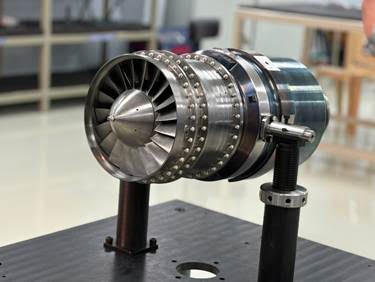
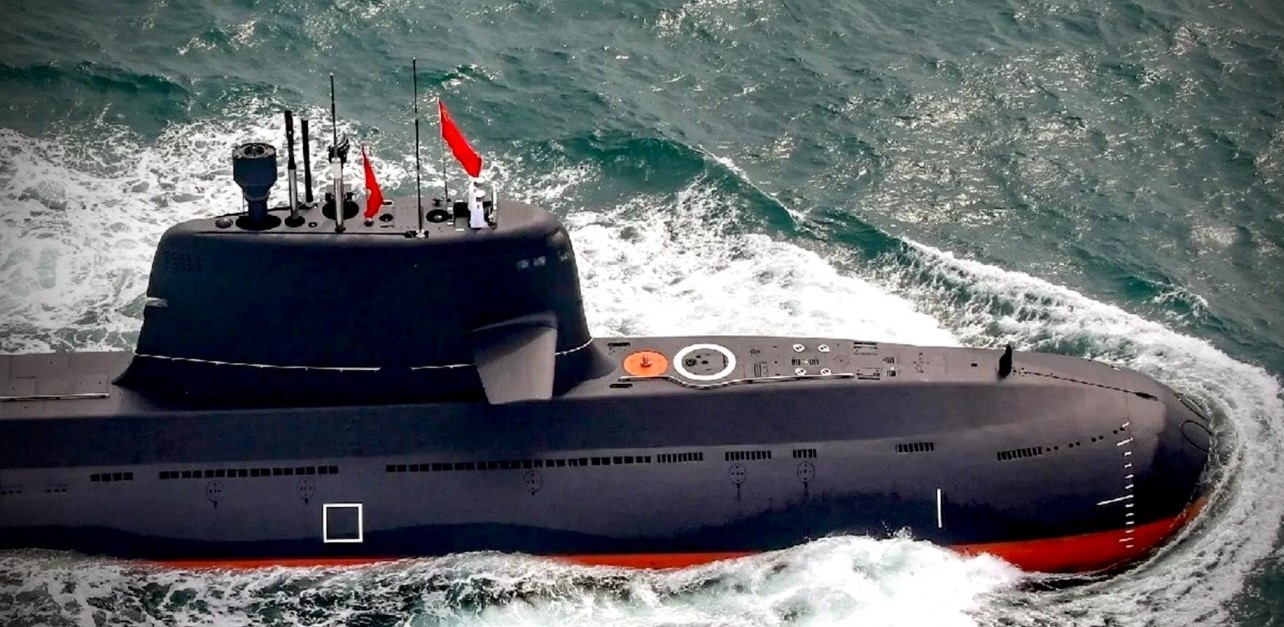
The naval version is designed for compatibility with the Navy’s Universal Vertical Launch Module (UVLM), while work is under way to integrate an air-launched version with the Su-30MKI fighter fleet. That variant is expected to use the indigenous Manik small turbofan engine developed by the Gas Turbine Research Establishment (GTRE).
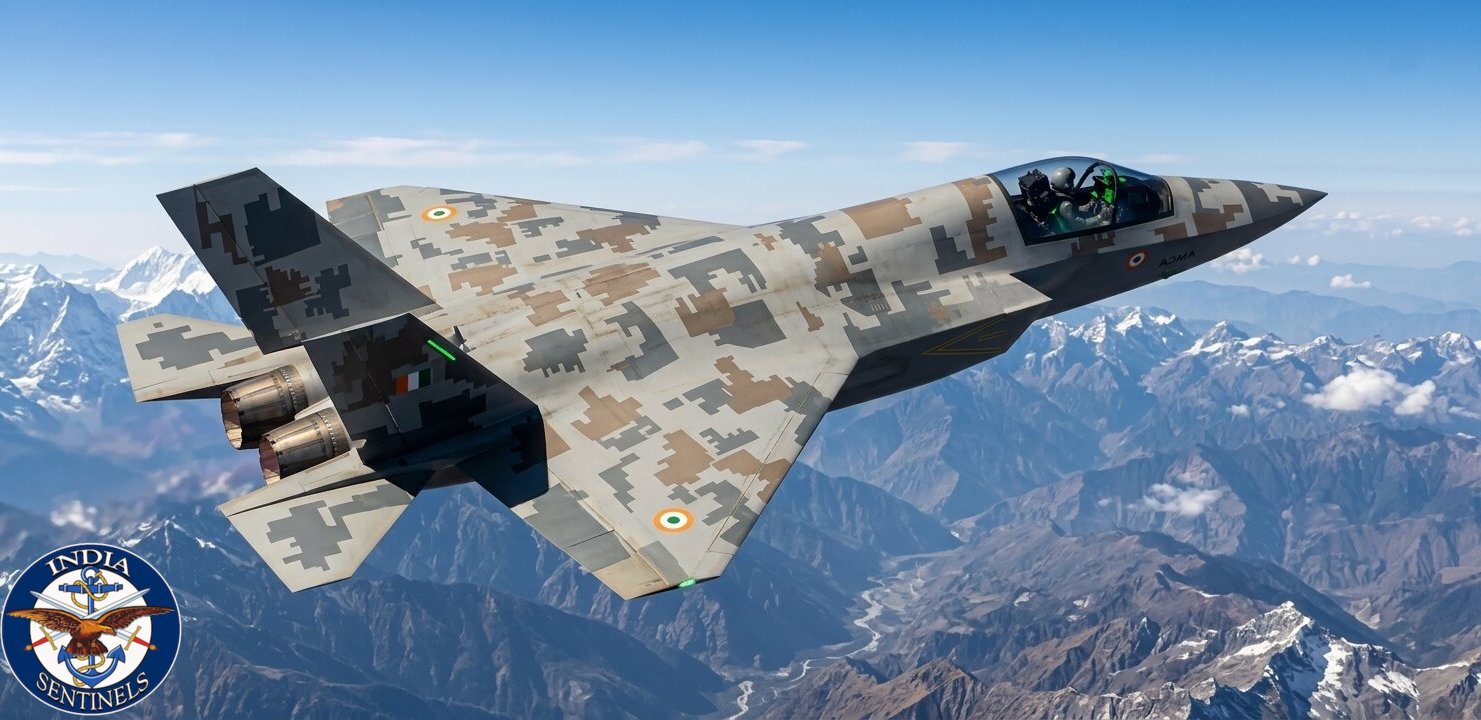
DRDO is also working on a low-observable version tailored for carriage inside the weapons bay of the AMCA (advanced medium combat aircraft). In parallel, scientists are understood to be exploring an extended-range derivative capable of striking targets at distances of up to 2,500 kilometres.
Major procurement expected
The missile programme has already received acceptance of necessity (AoN) for procurement by the Indian Air Force and the Indian Army. Current plans envisage orders worth around ₹10,000 crore for the Air Force and approximately ₹4,000 crore for the Army. The Navy is also expected to pursue a substantial acquisition once developmental trials are completed.
Designed to complement the supersonic BrahMos cruise missile, the LRLACM offers a different operational niche by combining long reach, precision and lower acquisition costs. The programme has been designated a mission-mode project, underscoring its importance in strengthening India’s indigenous long-range strike capabilities.
The successful completion of the second flight-test is likely to clear a significant development milestone and could pave the way for user trials and eventual induction into service.
Follow us on social media for quick updates, new photos, videos, and more.
X: https://x.com/indiasentinels
Facebook: https://facebook.com/indiasentinels
Instagram: https://instagram.com/indiasentinels
YouTube: https://youtube.com/indiasentinels
© India Sentinels 2026-27