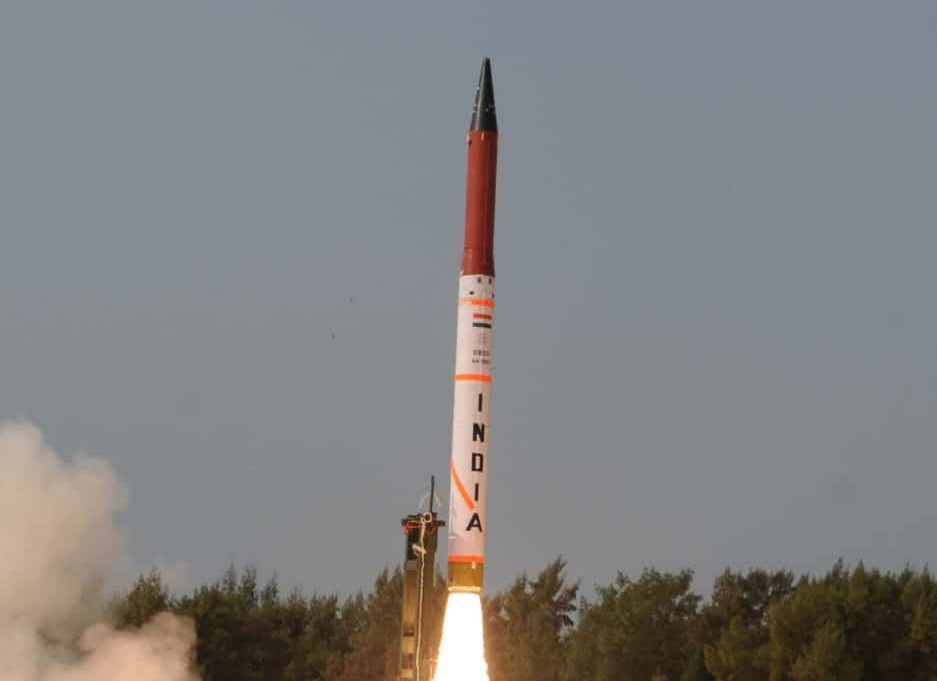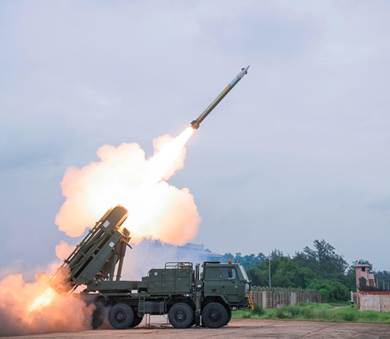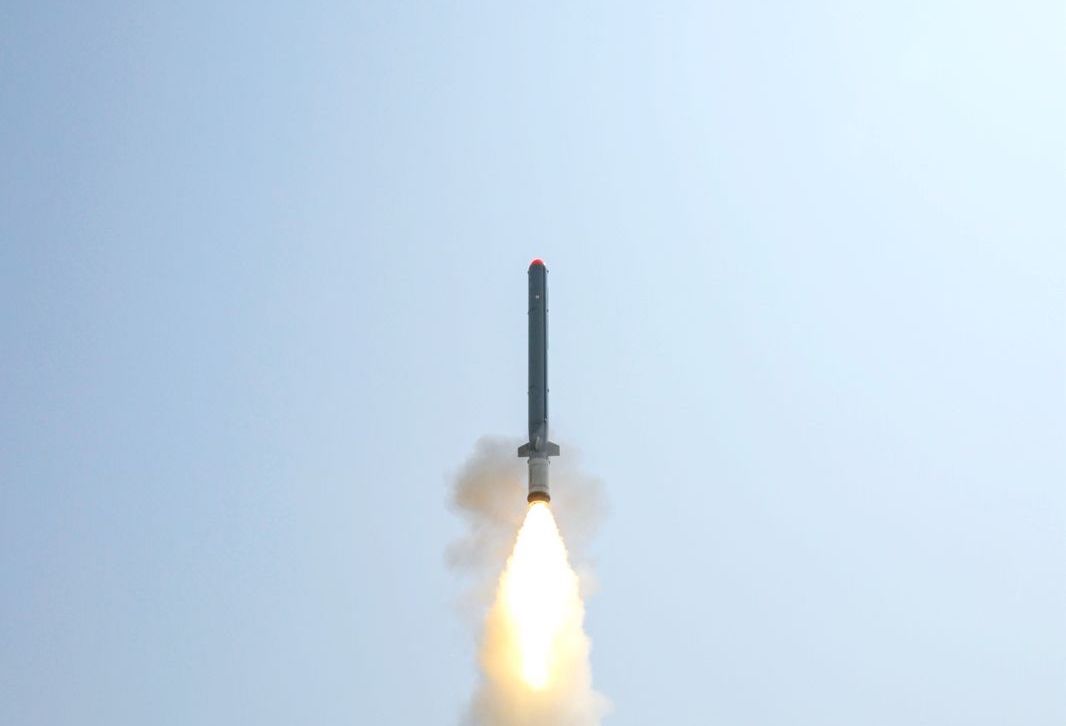
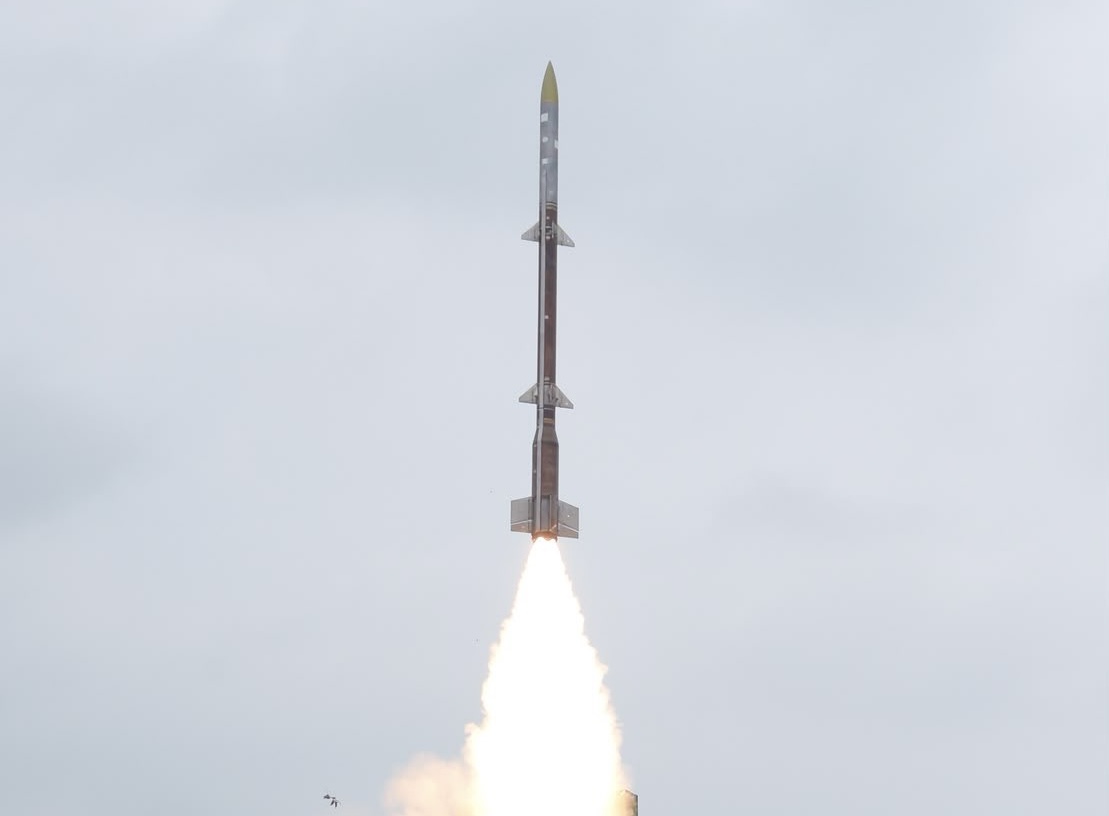
New Delhi: India took a significant step towards weaning itself off imported air-defence hardware on Thursday, with the Defence Research and Development Organisation carrying out the first flight test of Kusha, its long-range surface-to-air missile, from the APJ Abdul Kalam Island test range off the Odisha coast.
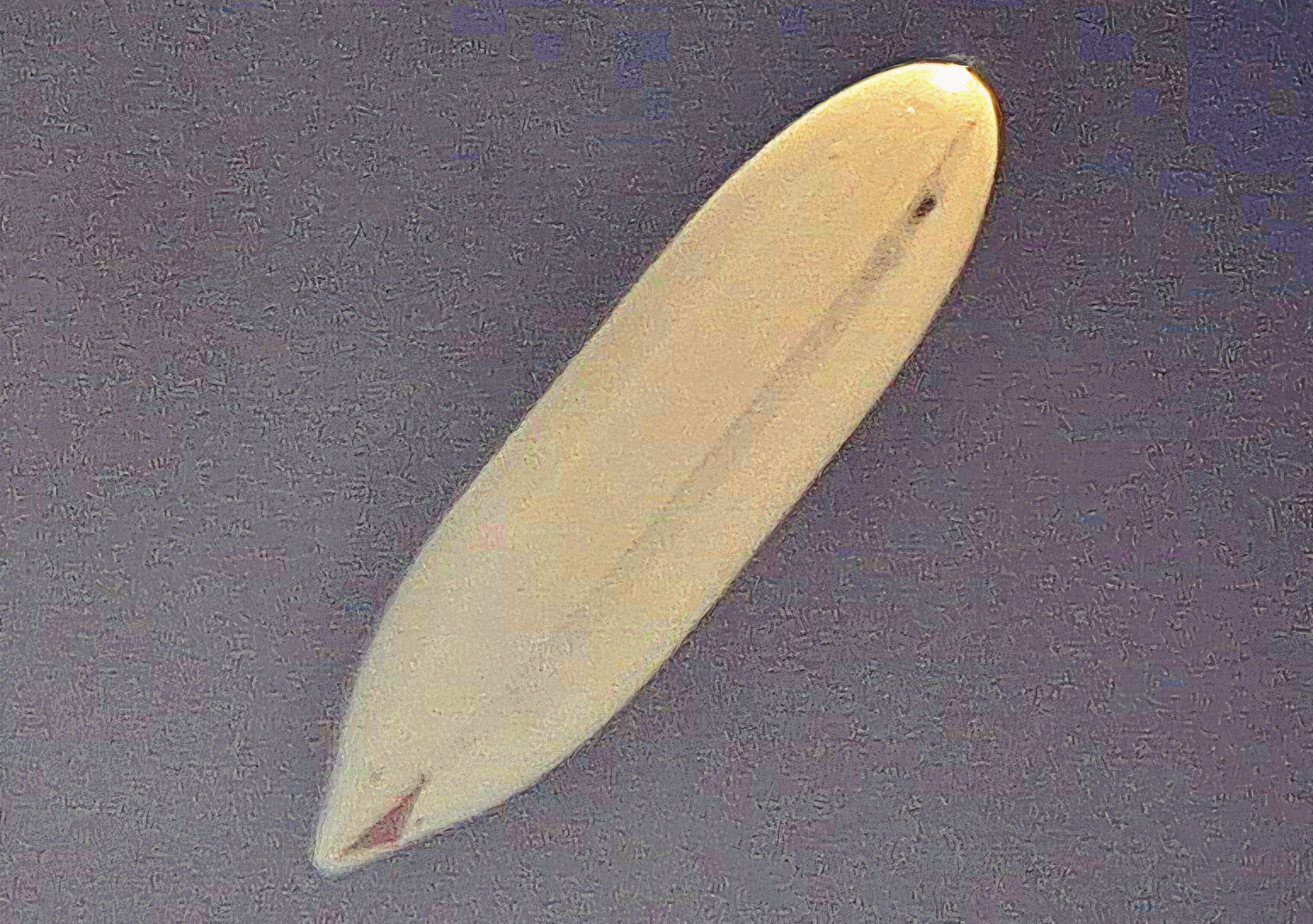
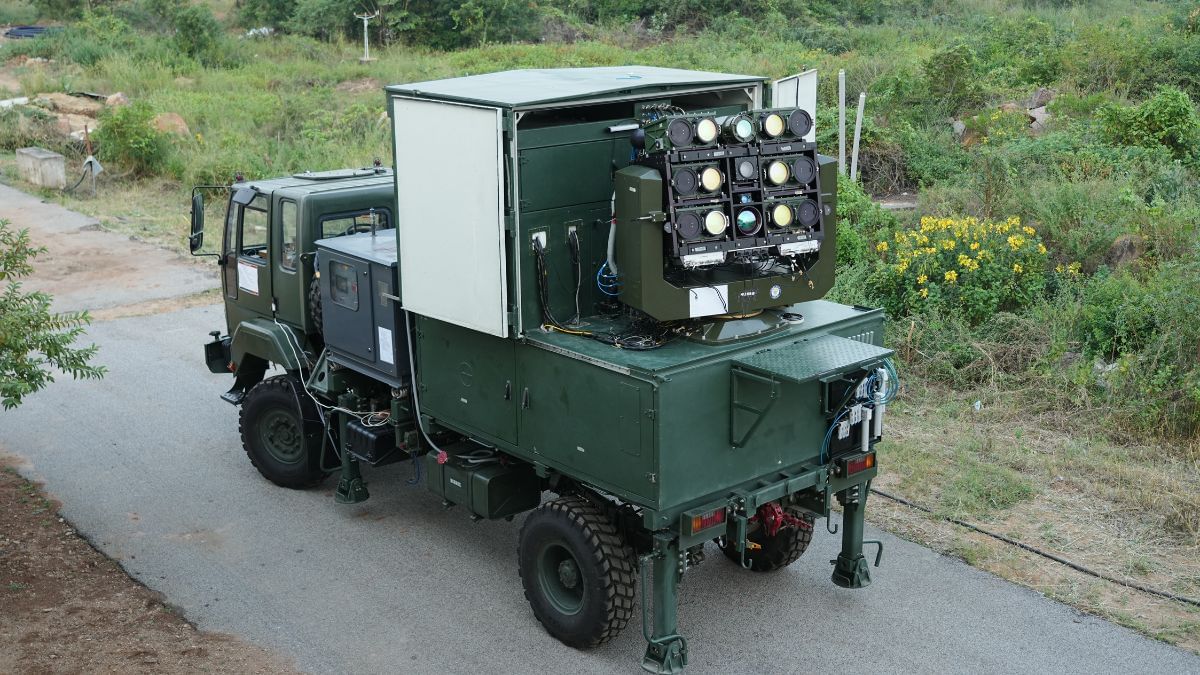
The trial, conducted against an electronic target designed to mimic a fast, high-flying aerial threat, ended in a successful interception, according to the defence ministry. Every element of the engagement - the interceptor missile itself, the tracking radars and the command-and-control network - was built in-house by DRDO laboratories working alongside domestic industry partners, officially marking the system's transition from the drawing board to the flight line.
The defence minister, Rajnath Singh, described the test as a milestone for Indian military research, noting that only a small number of countries currently possess the ability to design long-range surface-to-air missile systems of this kind.
He said the achievement would help cut India’s reliance on imported systems and represented a major advance in the country's air-defence capability, and congratulated DRDO and the other agencies involved.
Kusha, once fielded, will be pitched against a demanding set of targets: fighter aircraft, cruise and other missiles, unmanned aerial vehicles and larger enemy aircraft, engaged across a wide range of distances and altitudes. It is intended to slot into Sudarshan Chakra, the layered national air-defence shield New Delhi has been assembling, rather than stand alone.
As per an official, Kusha is not meant to substitute the Russian-supplied S-400 Triumf, portions of which are already in service with the Indian Air Force, but to work alongside it. A source familiar with the programme explained the logic behind the project: the indigenous Medium Range Surface to Air Missile currently in use covers roughly 70 to 80 kilometres, while the S-400 reaches out to 400 kilometres, leaving a gap in the middle that Kusha is designed to close – and, in time, to match the S-400's own reach.
The programme received clearance from the Cabinet Committee on Security in May 2022, with the defence ministry granting an acceptance of necessity in September 2023 to procure five squadrons at an estimated cost of Rs 21,700 crore. Three missile variants are planned under the designations M1, M2 and M3, offering ranges of roughly 150 kilometres, 250 kilometres and 350–400 kilometres, respectively. A naval version is also on the drawing board, to follow once the Air Force variant has matured.
Thursday’s test is only the first of several stages the M1 interceptor will have to clear before it is deemed ready for service, with the M2 and M3 variants due to follow it through their own testing cycles over the next two to three years.