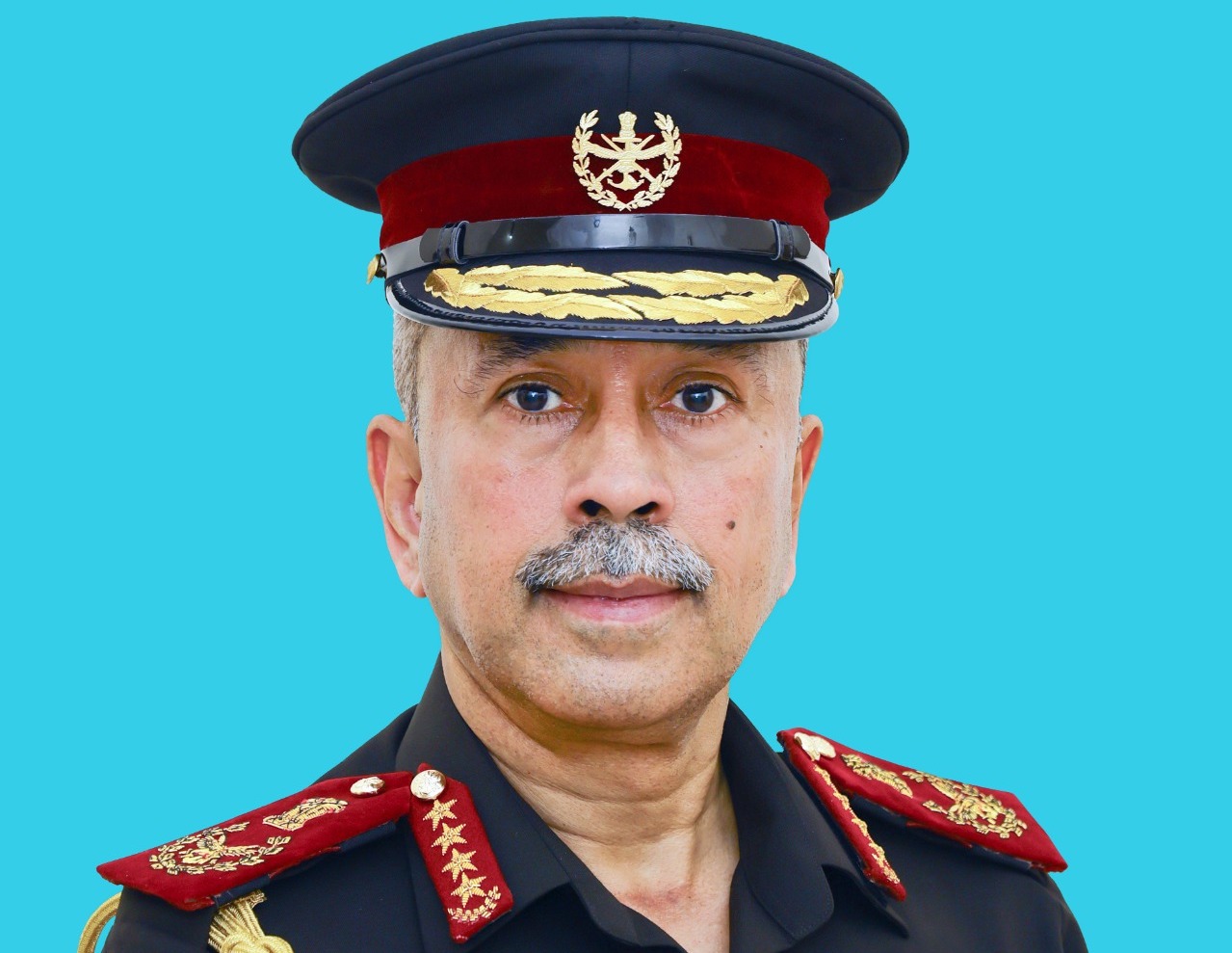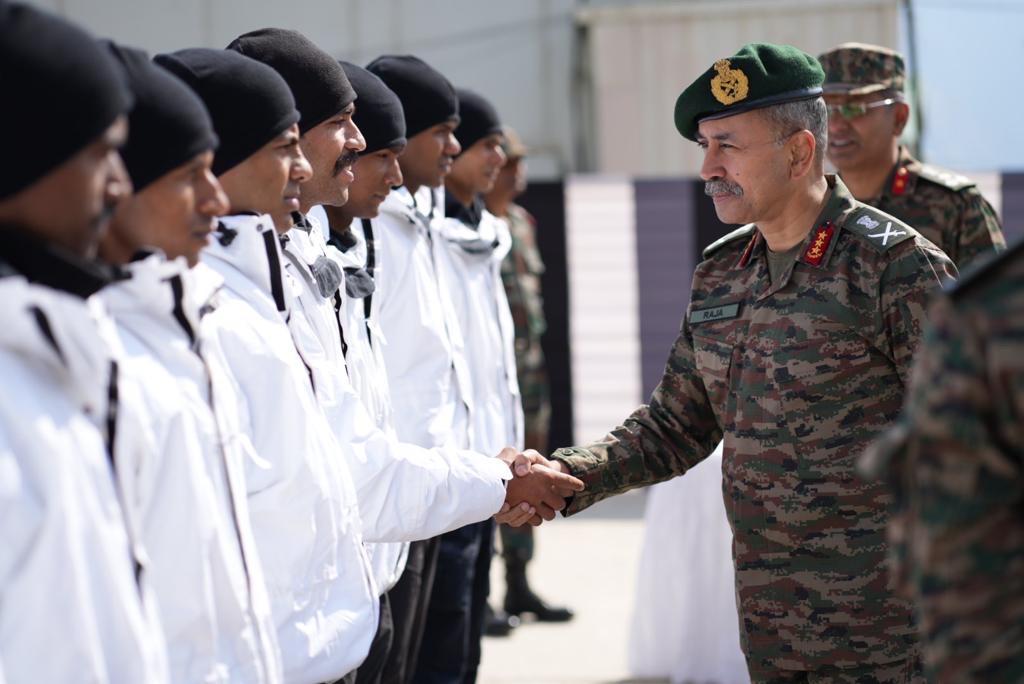
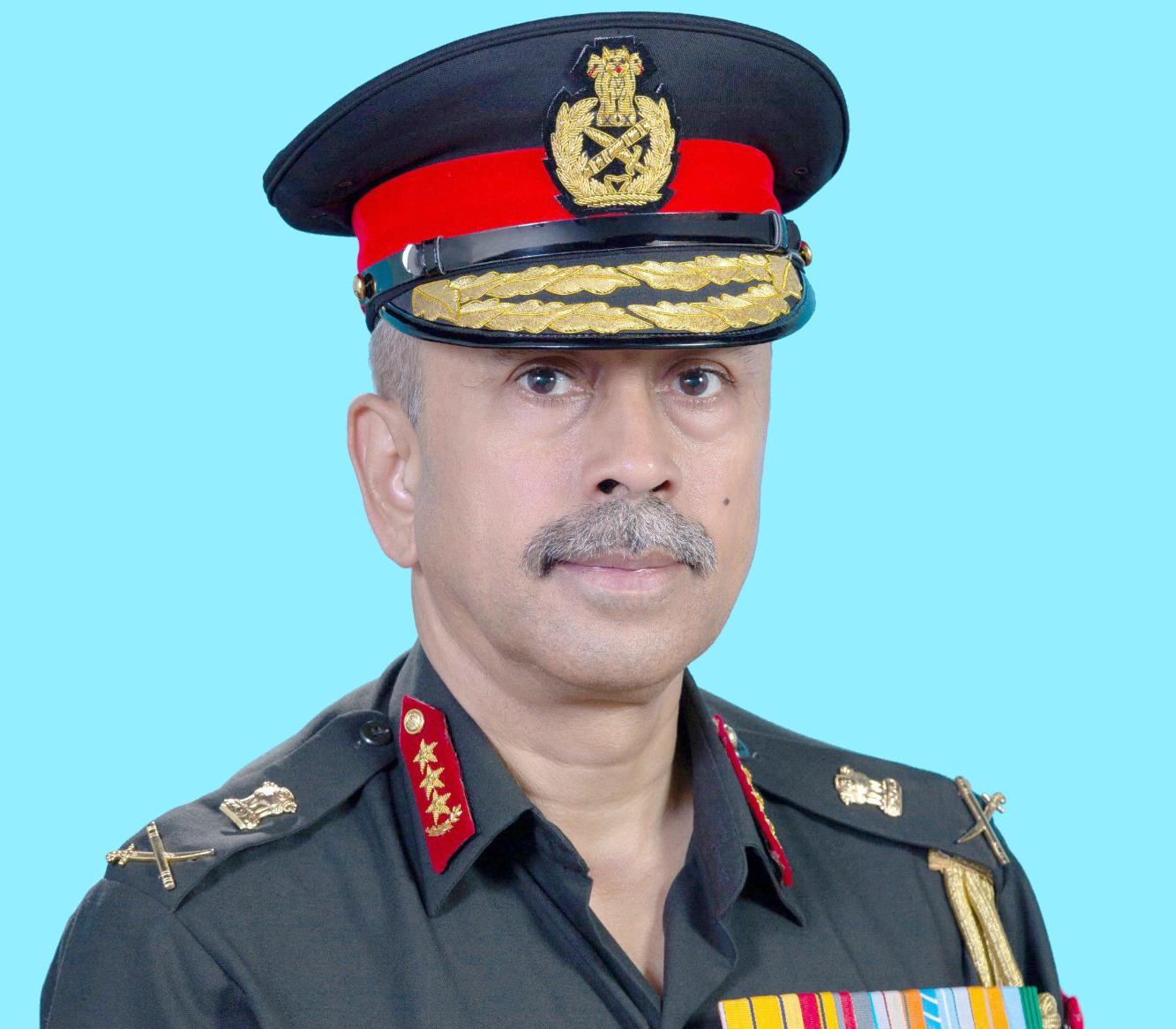
 Lt Gen NS Raja Subramani will assume the post of India’s 3rd CDS on May 31, 2026. (File photo)
New Delhi: When the post of chief of defence staff was created in late 2019, it was welcomed with fanfare and, almost immediately, misread. That confusion has not gone away.
Among veterans, defence analysts, and informed observers alike, there is a persistent tendency to inflate the role of the CDS beyond what the position was ever designed to be. A government press note from December 2019, which outlined the creation of the CDS post, is instructive as much for what it says as for what it does not.
Read also: Govt picks Lt Gen Raja Subramani as new CDS
Adviser to defence minister and not PM
The central question that the press note answers well, if one reads it carefully, is whether the CDS is the single point of military advice to the prime minister, or whether the position makes its holder “first among equals” in relation to the three service chiefs.
The answer to both questions is officially no. According to the government’s table of precedence (also called the warrant of precedence), released by the President’s Secretariat, the CDS’s position is at No. 12, just like the other three service chiefs. All four of them are four-star officers (general or equivalent).
However, the CDS is also the permanent chairman of the Chiefs of Staff Committee, with the other members being the Army, Navy, and Air Force chiefs. This, by implication, means that he is above the three service chiefs.
The press note also specifies that the CDS serves as the principal military adviser to the defence minister on triservice matters, and not to the prime minister. The three service chiefs retain the authority to advise the defence minister on matters specific to their respective forces, preserving a plural advisory structure.
The design is deliberate: civilian oversight remains central, with the defence minister as the primary interface between military counsel and political authority.
The CDS also heads the Department of Military Affairs within the Ministry of Defence and serves as its secretary, with a remit focused on integration across the Army, Navy, and Air Force. The post was announced by the prime minister, Narendra Modi, on August 15, 2019, in his Independence Day address, with the stated aim of promoting jointness in operations, logistics, and procurement – but without centralizing command.
No command authority – by design
A second critical provision in the press note goes to the heart of the debate. It states that the CDS “will not exercise any military command, including over the three service chiefs, so as to be able to provide impartial advice to the political leadership.”
The deliberateness of that formulation is worth noting. The CDS holds no command authority – not over troops, not over the theatre commands that remain a work in progress, and not over the service chiefs themselves.
The rationale given is telling: the absence of command is framed as the precondition for impartiality. An officer who commands cannot advise without bias; one who has no stake in operational outcomes can, in theory, counsel without parochial interest.
These provisions directly counter comparisons with the role of the US chairman of the joint chiefs of staff, a figure who carries significantly more institutional weight and whose advice reaches the president far more directly.
Read also: CDS acknowledges ‘dissonance’ among services
Jointness, not supremacy
Modi’s Independence Day address, quoted in the background section of the press note, frames the purpose plainly: India should not have a fragmented approach, he said, and its military power must work in unison. The CDS was conceived as an answer to exactly that fragmentation – the chronic inter-service competition over budgets, doctrines, and priorities that has historically hobbled defence planning.
The confusion over the role persists, in part, because the expectations of many observers have been shaped by the US and UK models, where apex military figures speak for all services with singular authority. India’s CDS was explicitly designed to be something different: a facilitator of jointness who leaves command with the chiefs and keeps advice at the ministerial, not prime ministerial, level.
The post, as the press note makes clear, was never intended to produce a first among equals. It was never given an operational role. It was never designated as the single point of military advice to the prime minister. That was the design, and it remains the design.
Read also: CDS says theatre command plan ready for Cabinet
Current position
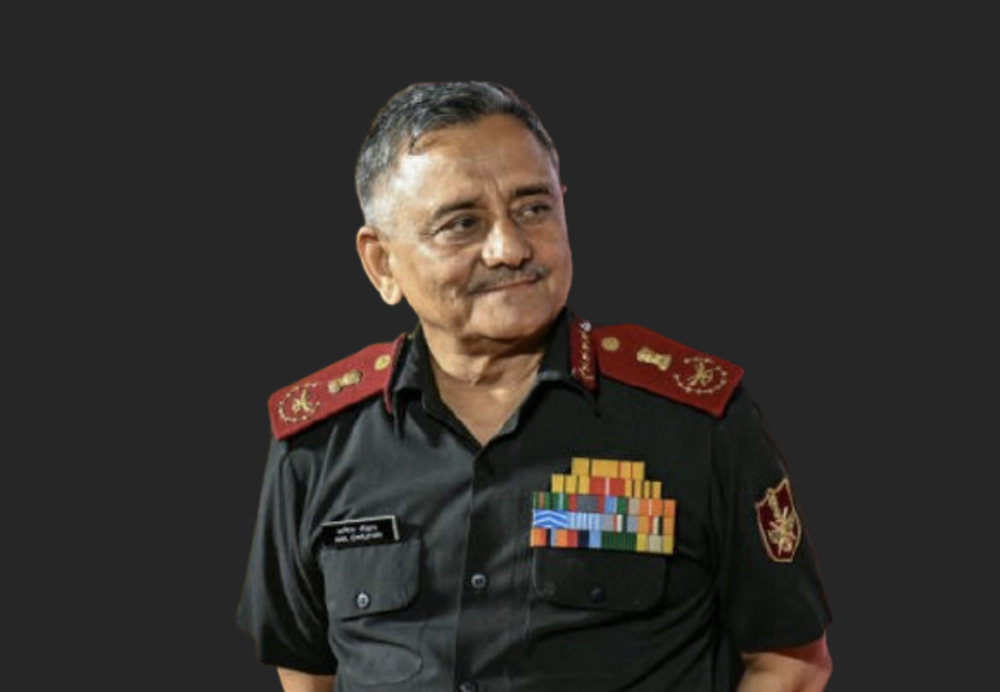
General Anil Chauhan currently holds the post. His tenure has been extended by the Appointments Committee of the Cabinet until May 30. As permanent chairman of the Chiefs of Staff Committee, Gen Chauhan’s priorities include inter-service procurement and advising bodies such as the nuclear command authority.
Under his leadership, efforts to advance the theatre commands concept – aimed at enhancing operational synergy across services – have continued, though full implementation remains some distance away.
Defence analysts broadly note that the structure was designed to address historical inter-service rivalries while preserving service autonomy – a deliberate choice rooted in the country’s civil-military relations and its instinct for checks on concentrated authority.
The original mandate, as outlined in December 2019, remains unchanged. The CDS is a coordinator, not a commander. That distinction matters.
Read also: Govt authorizes CDS to issue joint orders
Position will change in coming years
However, the position and responsibilities of the CDS will significantly change in the coming years with integrated theatre commands (ITCs) taking shape. Then, the CDS will be the sole coordinator of operations, and the ITC commanders will report directly to him.
Therefore, when the ITCs become fully operational – which remains a work in progress – the role of the service chiefs will significantly diminish and the role of the CDS will become extremely critical.
New CDS row
On May 9, the government announced Lieutenant General NS Raja Subramani as the next CDS. Lt Gen Subramani is junior to all three current service chiefs, although the current Navy chief, Admiral Dinesh Kumar Tripathi, will have relinquished office by the time Lt Gen Subramani is promoted to general and takes charge as the new CDS.
This has sparked a debate among veterans as well as commentators on military and strategic affairs. Although the service chiefs and the CDS are “equals” in rank and order of precedence, for the reasons cited earlier, a junior officer will be the de facto leader of the current Navy and Air Force chiefs, as he will be the chairman of the CoSC.
Note: This article has been edited to bring more clarity to the readers by elaborating the “first among equals” debate and adding the next CDS’s appointment as context behind the root of the debate.
Follow us on social media for quick updates, new photos, videos, and more.
X: https://x.com/indiasentinels
Facebook: https://facebook.com/indiasentinels
Instagram: https://instagram.com/indiasentinels
YouTube: https://youtube.com/indiasentinels
© India Sentinels 2026-27