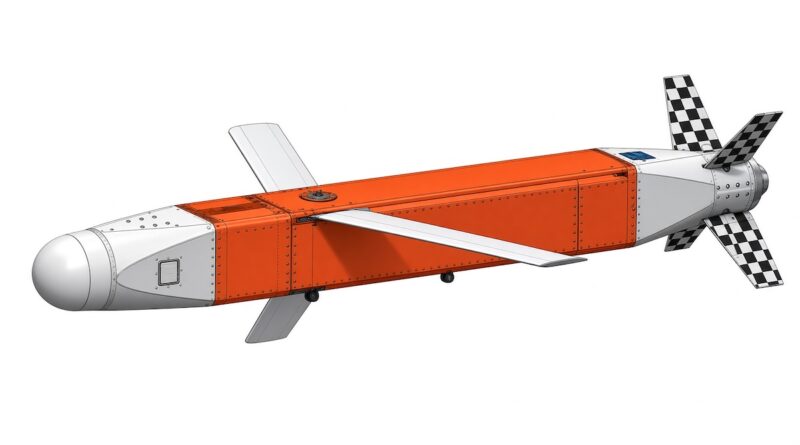
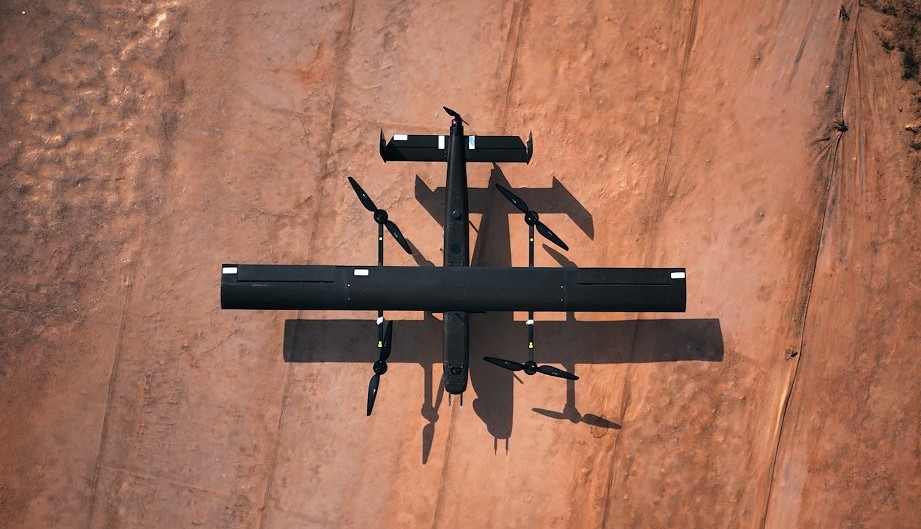
 Tata Advanced Systems’ ALS loitering munition. (Photo: TASL)
New Delhi: The Ministry of Defence has signed contracts worth about Rs 1,577 crore with Tata Advanced Systems Limited and NIBE Private Limited for the supply of loiter munition systems, along with associated munitions and accessories, to the Indian Army, the ministry said on Friday.
The contracts were signed in New Delhi in the presence of the defence secretary, Rajesh Kumar Singh. The ministry described the equipment as a critical asset for the Army’s artillery regiments, saying it would strengthen their precision-strike capability and overall operational effectiveness.
The procurement has been carried out under the Buy (Indian) category through the fast-track procedure, a route the ministry increasingly favours for equipment considered urgently needed and already available from domestic vendors.
Officials said the acquisition would also widen the manufacturing base of India’s private defence industry, in keeping with the government’s Aatmanirbhar Bharat push for self-reliance in arms production.
Background to the deal
Friday’s signing follows a tender the Army opened in July 2026 for 840 loiter munitions with a strike range of more than 100 kilometres. Three vendors – Tata Advanced Systems, NIBE Limited and A-Vision – cleared the technical evaluation, after which Tata emerged as the lowest bidder, or L1, and NIBE as the second-lowest, or L2.
Under that arrangement, Tata is expected to supply about 64% of the systems and NIBE the remainder, translating roughly into orders worth Rs 1,000 crore for Tata and Rs 600 crore for NIBE, figures broadly in line with the total value confirmed by the ministry this week.
NIBE’s offering, called Vayuastra, is understood to be based on the Israeli-origin Skystriker loitering munition, while Tata Advanced Systems has developed its own platform for the requirement.
Loiter munitions, sometimes called kamikaze or suicide drones, combine the surveillance function of a reconnaissance drone with the strike capability of a precision-guided munition. They can circle above a target area for an extended period before being directed onto a target, making them well suited to hitting mobile or time-sensitive targets that conventional artillery might miss.
Part of a wider artillery build-up
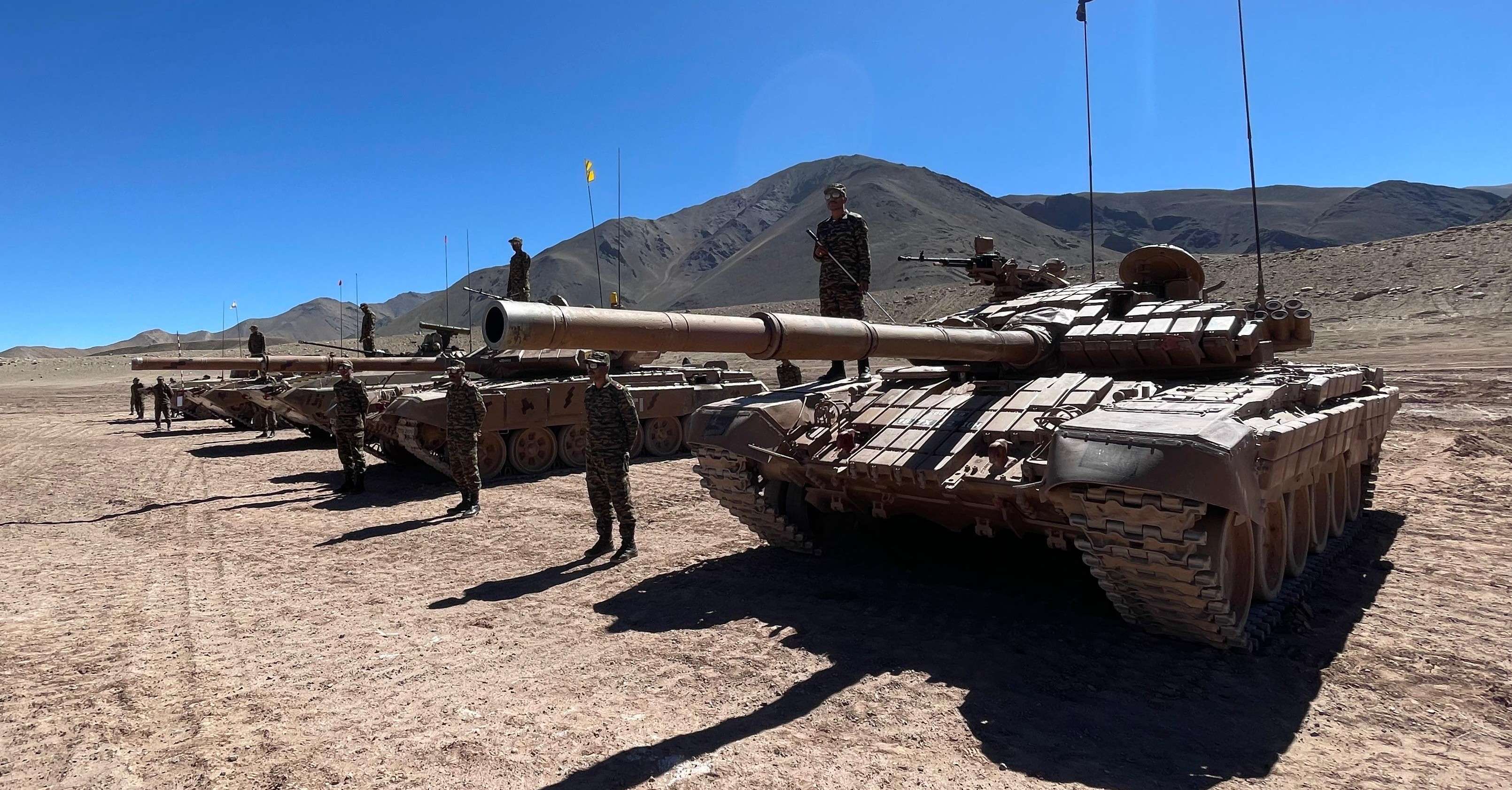
The order forms part of a broader modernisation of the Army’s Regiment of Artillery, which has raised several specialized drone-warfare units in recent years, including Shaktibaan regiments and Divyastra batteries focused on drone operations, and Bhairav battalions tasked with offensive drone strikes.
Some of these formations, along with an assortment of foreign and indigenous loitering munitions, were displayed at the 77th Republic Day parade in January 2026. Officials have said that several loitering munition types already in service were used against Pakistani air-defence systems during Operation Sindoor.
The Army is reportedly working towards inducting drones with ranges between 50 and 1,000 kilometres over the next 12 to 18 months, again through fast-track procedures, as part of a much larger effort to acquire roughly 100,000 drones for varied battlefield roles.
The loiter munition contracts also follow a string of other big-ticket artillery deals this year. In March 2025, the ministry signed a Rs 6,900-crore contract with Bharat Forge Limited and Tata Advanced Systems Limited for 155mm/52 calibre advanced towed artillery gun systems and high-mobility gun-towing vehicles, intended to replace older, smaller-calibre guns.
Around the same period, it also signed a separate Rs 1,801-crore contract with Armoured Vehicle Nigam Limited for the Nag Missile System, a tracked anti-tank platform carrying the indigenously developed Nag missile.
Taken together, the contracts point to a sustained push to re-equip the Army’s artillery arm with a mix of longer-range guns, anti-armour weapons and loitering munitions, while routing an increasing share of the spending towards Indian manufacturers.
The ministry did not disclose a delivery timeline for the loiter munition systems, nor further technical specifications of the platforms being supplied by Tata Advanced Systems and NIBE.