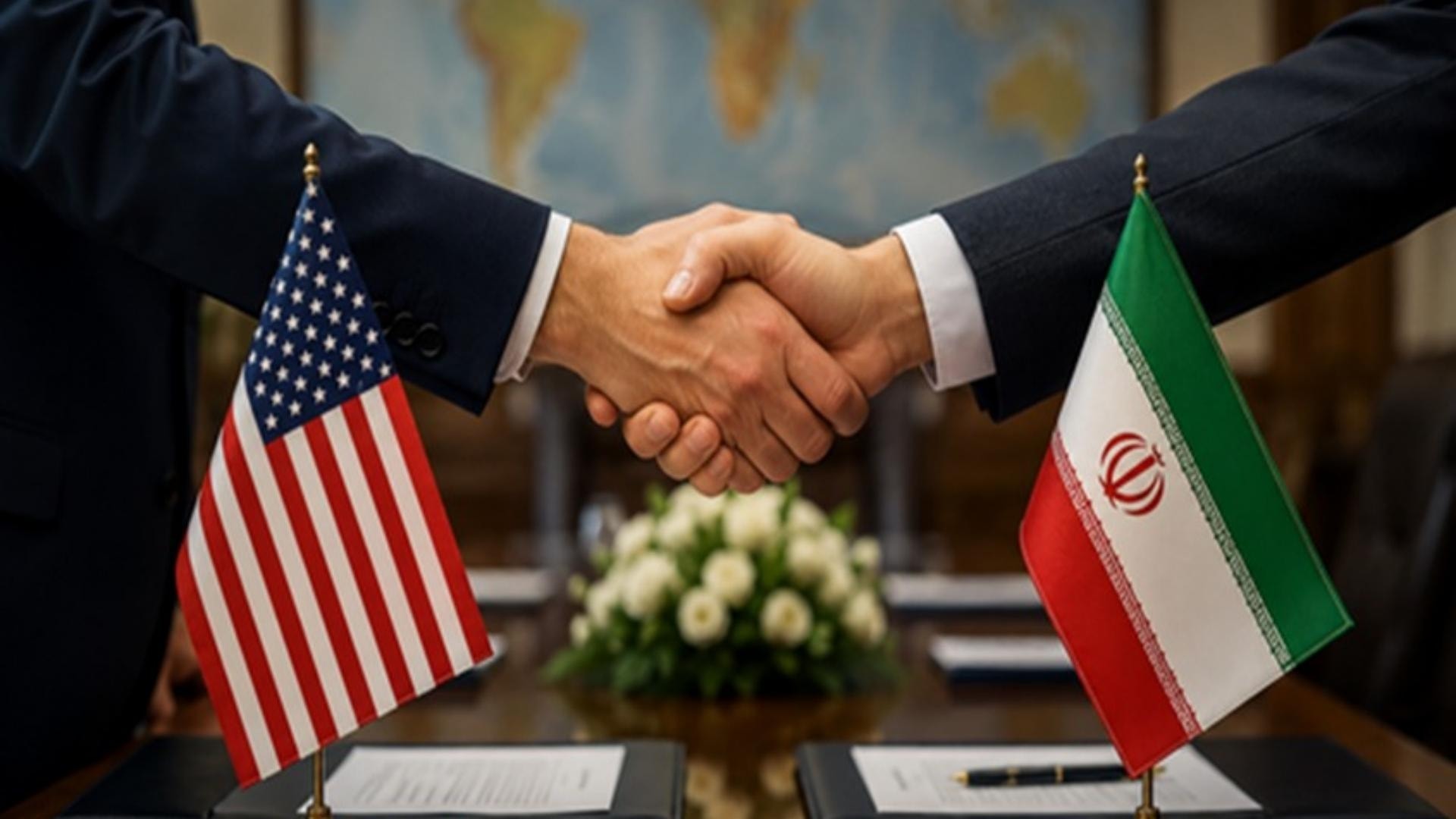
New Delhi: In a development that has redrawn the geopolitical map of the middle east, the United States President, Donald Trump and his Iranian counterpart Masoud Pezeshkian have put their signatures to a formal ceasefire agreement. This draws the curtain, at least for now, on over three months of armed hostilities that shook global energy markets and pushed the region to the edge of a broader catastrophe.
The deal, concluded electronically between the two leaders, builds on an earlier framework document and commits both nations to halting active military operations, restoring navigation in the Persian Gulf's Strait of Hormuz, and launching structured dialogue on some of the most intractable issues in modern geopolitics. This includes Iran's nuclear ambitions, the future of American sanctions, and the security architecture of West Asia.
How the war began?
The conflict ignited on February 28 when coordinated Israeli and American airstrikes hit Iranian military installations and nuclear sites. What followed was a cycle of escalation, Iranian missile salvos, naval standoffs in the Gulf, and a near-total disruption of oil shipping through one of the world's most strategically critical waterways. Energy prices spiked, global supply chains buckled, and governments from London to Tokyo scrambled to prepare for a prolonged regional emergency.
What the agreement covers?
Under the terms of the accord, both sides have committed to an end to active hostilities and to restoring civilian and commercial maritime traffic through the Strait of Hormuz.
Structured negotiations will follow on Iran's nuclear programme, with Tehran pledging to refrain from developing nuclear weapons. Any relaxation of economic sanctions will be pegged to future verification steps rather than granted upfront.
Why experts urge caution?
While the signing has been widely welcomed as a diplomatic breakthrough, analysts are quick to point out what the agreement does not resolve. The most thorny issues – the disposal of Iran's existing enriched uranium stockpiles, the mechanics of independent oversight, the pace and scope of sanctions relief, and Iran's relationships with armed proxy groups across the region – have all been deferred to negotiations expected to unfold over a 60-day window.
In short, a framework has been agreed; a peace has not yet been made.
Economic ripple effects
The immediate market reaction has been telling. Oil prices have softened on expectations that Gulf exports will resume at normal volumes and that tanker traffic will no longer face the threat of interdiction. For economies heavily dependent on Gulf energy imports – India prominently among them – the prospect of stable shipping lanes and more predictable crude prices comes as a significant relief.
Lower energy costs could help ease inflationary pressures and restore a degree of certainty to trade flows between South Asia, West Asia, and Europe.
Regional and global reactions
Gulf Arab states, which had watched the conflict with growing alarm, are broadly expected to welcome the de-escalation.
European governments, which had pushed consistently for a diplomatic resolution, are likely to support whatever international monitoring mechanisms emerge from follow-on talks.
Israel, however, remains a complicating factor. As previously noted in regional reporting, Israeli officials have made little secret of their unease over any arrangement that would leave Iran retaining any meaningful nuclear capability, viewing even a residual programme as a long-term strategic threat.
In Washington, a vocal faction argues that easing economic pressure before Iran delivers concrete nuclear concessions sets a dangerous precedent.
And within Iran itself, hardliners are expected to push back against any terms that could be portrayed domestically as capitulation to American demands.
What comes next?
The agreement represents a genuine and rare achievement, two countries that have been at war for more than three months have stepped back from the brink. But both sides now enter a negotiating phase that will demand far more than the political will it took to sign a ceasefire. Sanctions architecture, uranium enrichment limits, inspection regimes, and Iran's regional influence network are all issues on which the two sides begin from positions of deep mutual suspicion.
Whether this accord becomes the foundation of a durable peace or simply a pause before renewed confrontation will be answered not in the ceremonies of the past week, but in the grinding, high-stakes diplomatic sessions that start now.
Disclaimer: The views expressed in the article are the author’s own and don’t necessarily reflect the views of India Sentinels.
Follow us on social media for quick updates, new photos, videos, and more.
X: https://x.com/indiasentinels
Facebook: https://facebook.com/indiasentinels
Instagram: https://instagram.com/indiasentinels
YouTube: https://youtube.com/indiasentinels
© India Sentinels 2026-27