— By Huma
New Delhi: India and Armenia are deepening their defence partnership, moving beyond arms purchases to work together on defence research, innovation, manufacturing, training and military capacity building.
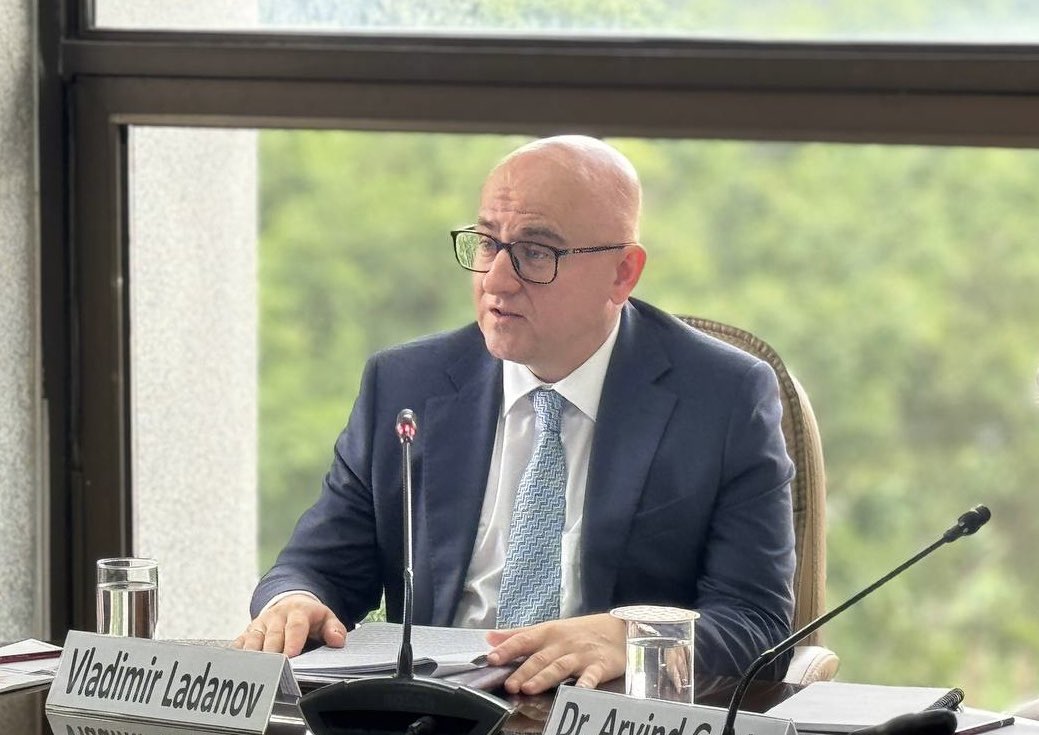
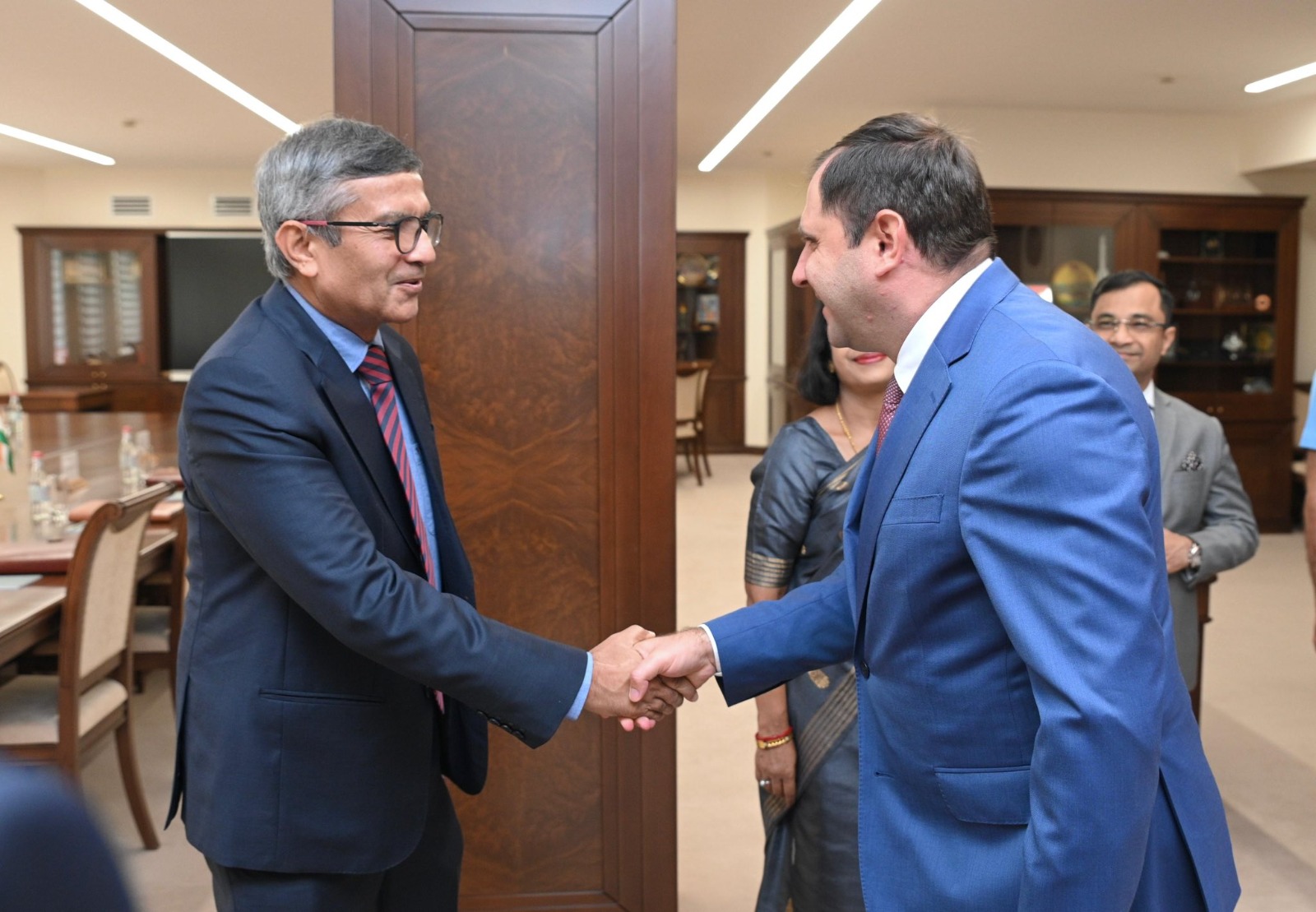
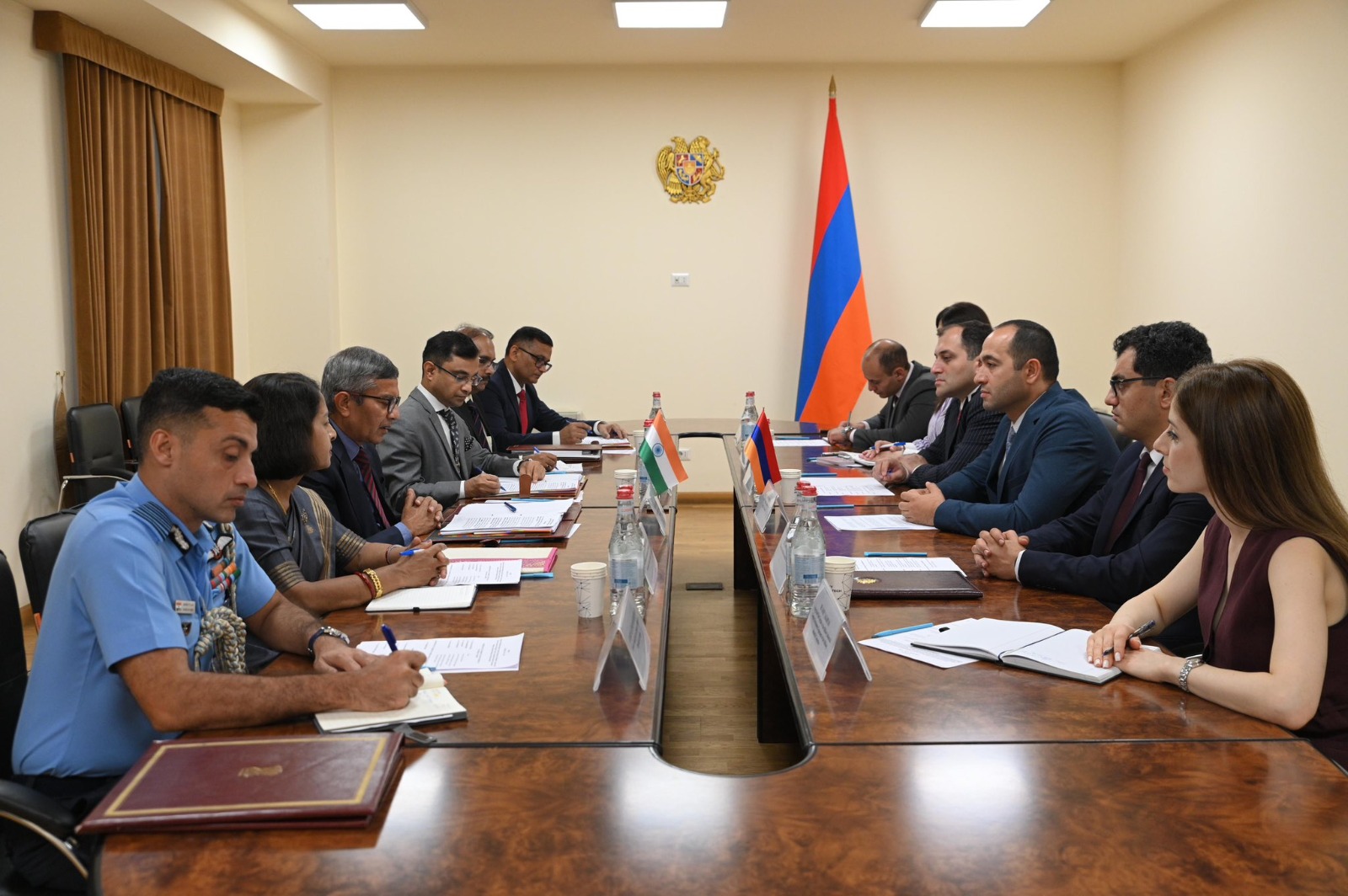
During defence secretary Rajesh Kumar Singh’s two-day visit to Yerevan, the two countries signed a memorandum of understanding (MoU) to cooperate in defence research, development, innovation and joint production.
The agreement marks a shift in bilateral defence ties. While the relationship initially grew through Armenia’s purchase of Indian military equipment, it is now expanding into long-term cooperation, with both countries looking to strengthen their defence industries and capabilities together.
The visit also carried a wider strategic message. Armenia is seeking to rebuild and diversify its military capabilities after years of dependence on Russian equipment and the experience of the 2020 Nagorno-Karabakh war. India, meanwhile, is looking to establish itself as a credible defence partner beyond its traditional neighbourhood and expand its presence in the strategically important South Caucasus.
From arms purchases to defence partnership
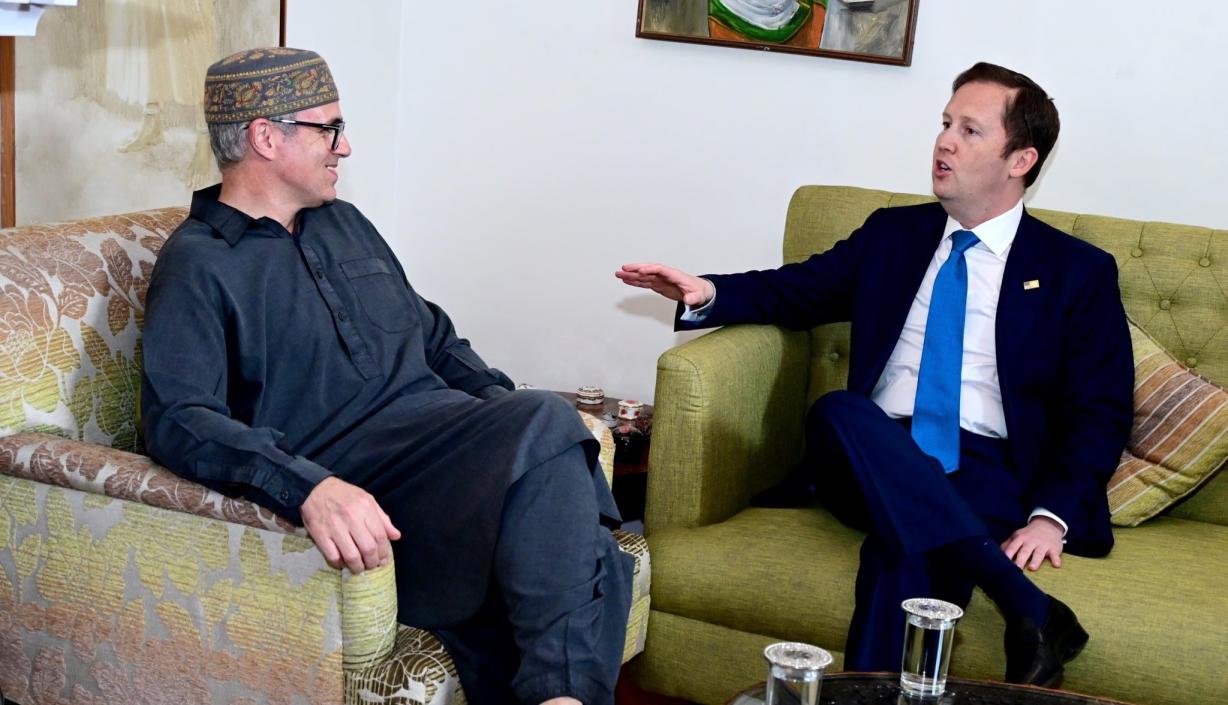
The MoU signed in Yerevan on August 17 marks an important evolution in the relationship. The defence secretary also met Armenian defence minister Suren Papikyan and reaffirmed New Delhi’s commitment to deepening the bilateral defence partnership.
Read also: India doubles MQ-9B Sea Guardian fleet
He subsequently visited Armenia’s Military Academy, where he reviewed an IT laboratory established with Indian assistance and received briefings on Indian weapon systems supplied to the Armenian armed forces. That combination, military equipment, training, technology, research and institutional engagement, is important. It suggests that India and Armenia are attempting to build a relationship that does not depend solely on individual weapons contracts.
For Armenia, the objective is to acquire capabilities suited to its changing security environment. For India, the objective is to demonstrate that its defence industry can offer not only weapons but also technology, training and long-term industrial cooperation.
Armenia has become a major customer for Indian weapons
Since the 2020 Armenia-Azerbaijan conflict, Yerevan has increasingly turned towards New Delhi for military equipment. Armenian purchases have included Swathi weapon-locating radars, Pinaka multiple-launch rocket systems, artillery systems, air-defence equipment, counter-drone capabilities, sniper rifles and ammunition.
It has also emerged as the first foreign customer for India’s indigenous 155-mm Advanced Towed Artillery Gun System, or ATAGS. The diversity of these acquisitions has made Armenia one of India’s most significant overseas defence markets.
For decades, India was primarily known as one of the world’s largest defence importers. New Delhi is now attempting to change that image by promoting indigenous production and exports. Armenia provides an important test case. If Indian equipment performs effectively in a demanding security environment, it can strengthen India’s pitch to other potential customers.
Why Armenia turned to India
The 2020 Nagorno-Karabakh war exposed significant vulnerabilities in Armenia’s military capabilities. Azerbaijan’s use of drones, artillery and other technologies demonstrated how quickly warfare was changing. The conflict highlighted the importance of surveillance, artillery, precision targeting, air defence, counter-drone systems and battlefield awareness.
Read also: AMCA engine race heats up as Reliance and Rolls-Royce join forces
For Armenia, there was another problem: its longstanding reliance on Russian military equipment no longer offered the same degree of security or political comfort. Russia’s military commitments elsewhere, particularly following the war in Ukraine, have encouraged Yerevan to diversify its defence partnerships.
India emerged as an attractive alternative
New Delhi can offer military equipment without demanding that Armenia align itself with an exclusive geopolitical camp. That matters for Yerevan as it attempts to broaden its strategic partnerships while retaining room for manoeuvre between Russia, the West, Iran, Turkey and other regional powers. There is also a clear geopolitical layer to the expanding relationship.
Armenia’s principal security challenge has historically centred on Azerbaijan, while Turkey has strongly supported Baku. Pakistan, too, has developed close defence and political ties with Azerbaijan. That creates a strategic formation that New Delhi cannot ignore.
India has its own difficult relationship with Pakistan, while Turkey has increasingly taken positions that have been uncomfortable for New Delhi on issues involving Pakistan and Kashmir.
The strengthening of Pakistan-Azerbaijan and Turkey-Azerbaijan ties therefore gives India an additional reason to deepen engagement with Armenia.
But India’s approach is unlikely to be about creating an overt anti-Turkey or anti-Azerbaijan military bloc. Its more immediate objective is strategic diversification: build relationships in regions where Indian interests intersect with those of friendly partners and prevent geopolitical rivals from dominating strategically important spaces uncontested.
The relationship is becoming institutional
Singh’s visit is important because it follows a series of increasingly high-level military exchanges. Armenia’s Chief of the General Staff, Lieutenant General Edvard Asryan, visited India earlier this year and held discussions with Indian defence leadership.
Read also: MoD signs contracts for loiter munition systems for Army
Earlier engagements have focused on operational cooperation, interoperability, military education, training, military-technical cooperation and possible joint development of military hardware. India and Armenia have also established mechanisms for regular defence consultations, moving the relationship beyond individual procurement programmes.
A new role for India in the South Caucasus
The South Caucasus, Armenia, Azerbaijan and Georgia, occupies a strategically sensitive position between Russia, Turkey, Iran, the Black Sea, Europe and Central Asia.
Its importance is growing as competing powers seek influence over trade routes, energy networks and connectivity corridors. For India, Armenia can serve as an important partner in this emerging strategic landscape. New Delhi has interests in connectivity projects linking India with Iran, Armenia, Georgia and Europe, including the broader International North-South Transport Corridor.
Future cooperation could also expand in military education, exercises, cyber capabilities, counter-drone systems, artillery, air defence and battlefield surveillance. The relationship has already moved a long way from its initial buyer-seller character.
For Armenia, India offers a route towards a more diversified and resilient military supply chain after the shocks of the Nagorno-Karabakh conflict and the changing role of Russia. Armenia also offers a growing defence market, a testing ground for indigenous systems and a strategic partner in the South Caucasus. Most importantly, the relationship is developing at a moment when the region itself is being reshaped.
(She is a senior journalist, who looks after the defence and strategic affairs developments. She is known for her reporting and writing on India’s defence sector, military modernization, aerospace, national security , diplomacy and strategic affairs.)
Follow us on social media for quick updates, new photos, videos, and more.
X: https://x.com/indiasentinels
Facebook: https://facebook.com/indiasentinels
Instagram: https://instagram.com/indiasentinels
YouTube: https://youtube.com/indiasentinels
© India Sentinels 2026-27