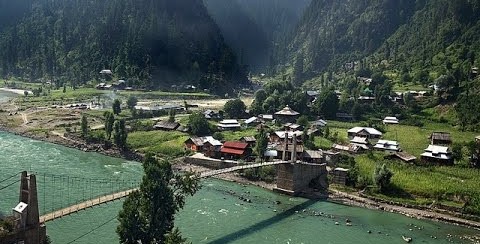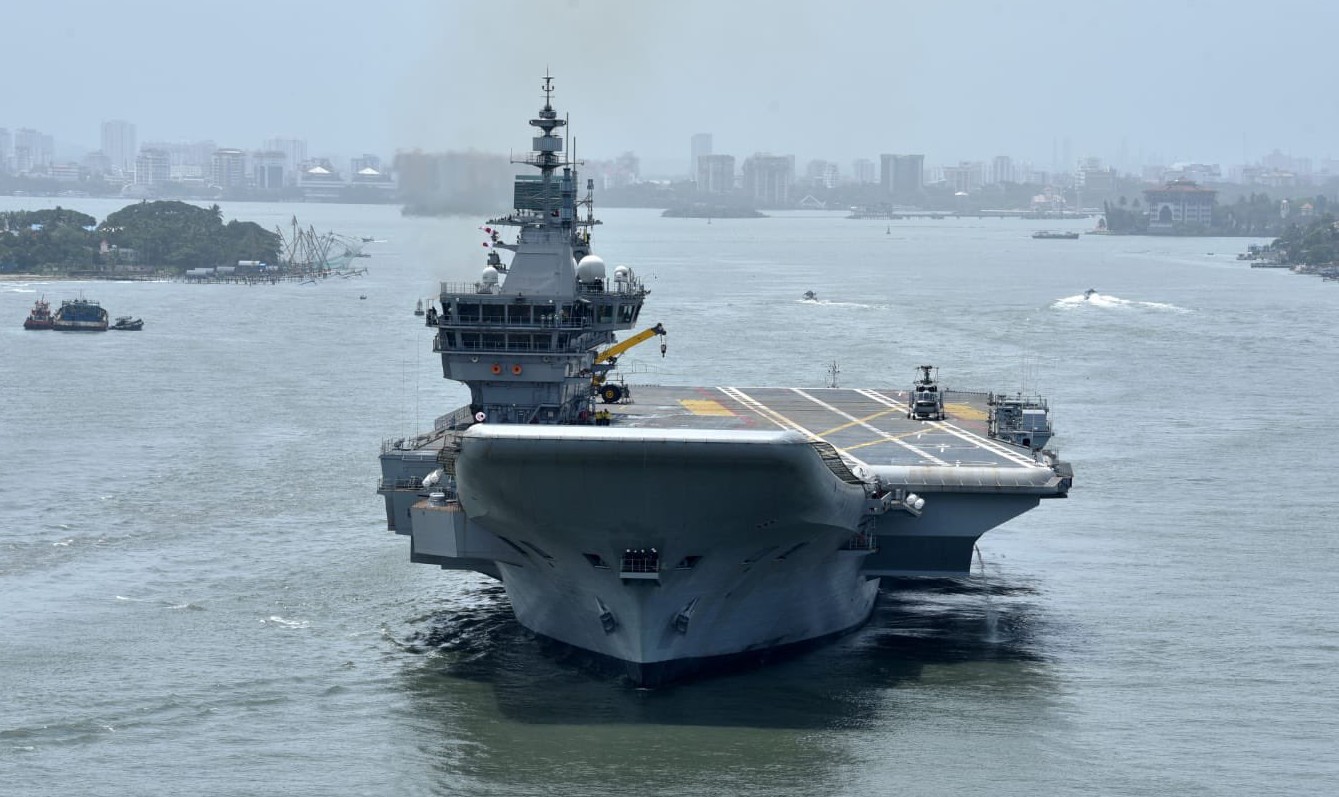
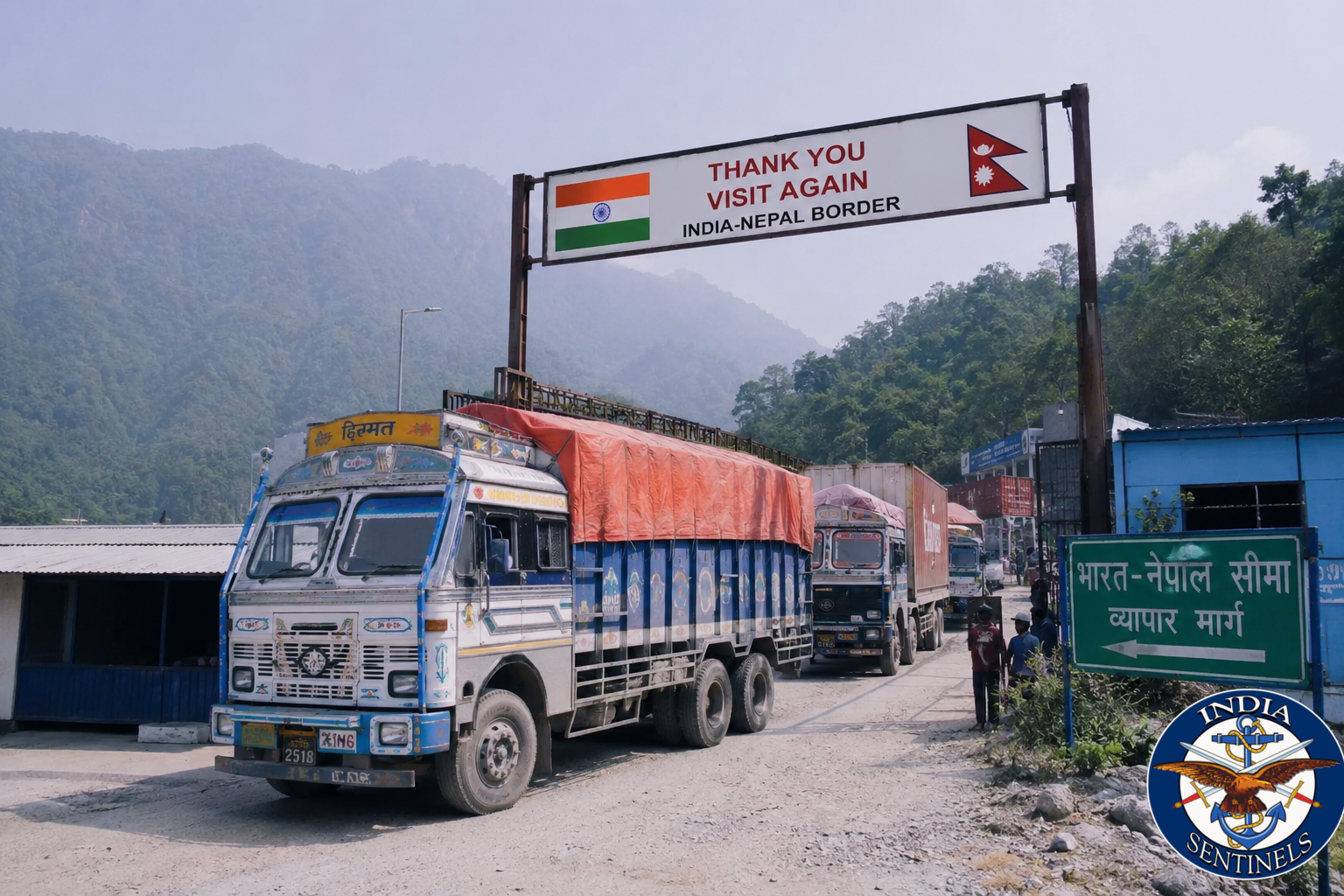
 Illustration for representation. (© India Sentinels 2026–27)
India has functioned as Nepal’s primary economic lifeline since the two countries signed the Treaty of Peace and Friendship in 1950, supplying essential goods, maintaining the transit routes that connect landlocked Nepal to global shipping lanes, and providing the infrastructure through which the majority of Nepal’s imports and exports move, a relationship that has grown more structurally embedded with every decade of cross-border trade and investment. Without Indian transit access, port facilities and road and rail connectivity, Nepal’s economy would face supply disruptions and price increases that no alternative trade route is currently equipped to prevent.
Nepal is landlocked, and Kolkata and Haldia ports in West Bengal are its primary gateways to sea-based international trade, handling the substantial majority of Nepal’s sea freight despite Visakhapatnam port becoming available as a secondary option since 2016. Goods manufactured in China, South-East Asia, the Middle East and Europe that Nepal imports by sea travel through these ports and then overland through Indian territory before crossing the Nepal border. Nepal’s own exports, including hydropower, carpets and garments, move outward through the same routes.
The bilateral transit treaty that governs this movement is not a diplomatic formality but the operational backbone of Nepal’s import-export economy.
India supplies roughly two-thirds of Nepal’s total imports by value, a figure that has remained broadly stable for more than a decade despite Nepal’s efforts to diversify trade relationships. The goods in this figure are not luxuries or secondary consumption items. They include petroleum products, which Nepal does not refine domestically; food commodities including wheat, rice and edible oils; medicines and pharmaceutical products; construction materials including steel and tiles; and the agricultural inputs that sustain the Terai’s commercial farming sector. Removing or substantially reducing this supply relationship would not leave a gap that domestic production or third-country imports could fill at comparable cost within any near-term timeframe.
Read also: India and Nepal – The way ahead
Indian road and rail connectivity also enables price stability for Nepali consumers in ways that only become visible when the connections are disrupted. The 2015 disruption to the flow of Indian goods is the clearest recent case. Within weeks of its beginning, fuel stations in Kathmandu ran dry, prices for LPG cylinders quadrupled on informal markets, and supplies of medicines and food staples fell sharply in urban areas.
The crisis lasted months and produced a near-stagnation of Nepal’s economic output, with GDP growth falling to 0.6 per cent for the year. No alternative supply route, including Chinese overland corridors via the Himalayan passes, was able to fill the gap in time or at comparable cost.
The soft infrastructure of economic integration matters alongside the physical. The Indian rupee and Nepali rupee are pegged at a fixed rate of 1.6 Nepali rupees to one Indian rupee, a currency arrangement that simplifies trade, reduces transaction costs and provides Nepal with a degree of monetary anchor. Indian labour markets absorb a large and difficult-to-count number of Nepali workers – precise figures are unavailable given the open border between the two countries – whose remittances back to Nepal are one of the economy’s most important sources of foreign exchange. Joint industrial zones, proposed at various points in bilateral discussions, would add a further layer of integration if realized.
Nepal’s trade relationship with India is therefore not merely a commercial arrangement between two neighbouring countries. It is a structural feature of Nepal’s market economy, woven into the pricing of consumer goods, the movement of workers, the flow of remittances and the logistics of international trade. The risk is not that the relationship is too close, but that its depth is not adequately factored into trade policy decisions on either side.
Tariff friction, if it runs long and hard enough, does not only raise prices; it puts strain on a connectivity framework that both countries have taken decades to build and that Nepal, in particular, cannot afford to compromise.
Disclaimer: The views expressed in the article are the author’s own and don’t necessarily reflect the views of India Sentinels.
Follow us on social media for quick updates, new photos, videos, and more.
X: https://x.com/indiasentinels
Facebook: https://facebook.com/indiasentinels
Instagram: https://instagram.com/indiasentinels
YouTube: https://youtube.com/indiasentinels
© India Sentinels 2026-27