New Delhi: India has formally given standard names to 28 places and geographical features in Ladakh, among them lakes, peaks and landmarks in Aksai Chin, a region China has controlled since the 1950s and India claims in full.
The Ministry of Home Affairs announced the list in a statement on Friday. It attached a high-resolution map of the union territory showing the names on the official Survey of India sheet.
The ministry said the exercise would help the public recognize the features accurately and know more about them. It added that the names were finalized in consultation with the Ladakh administration.
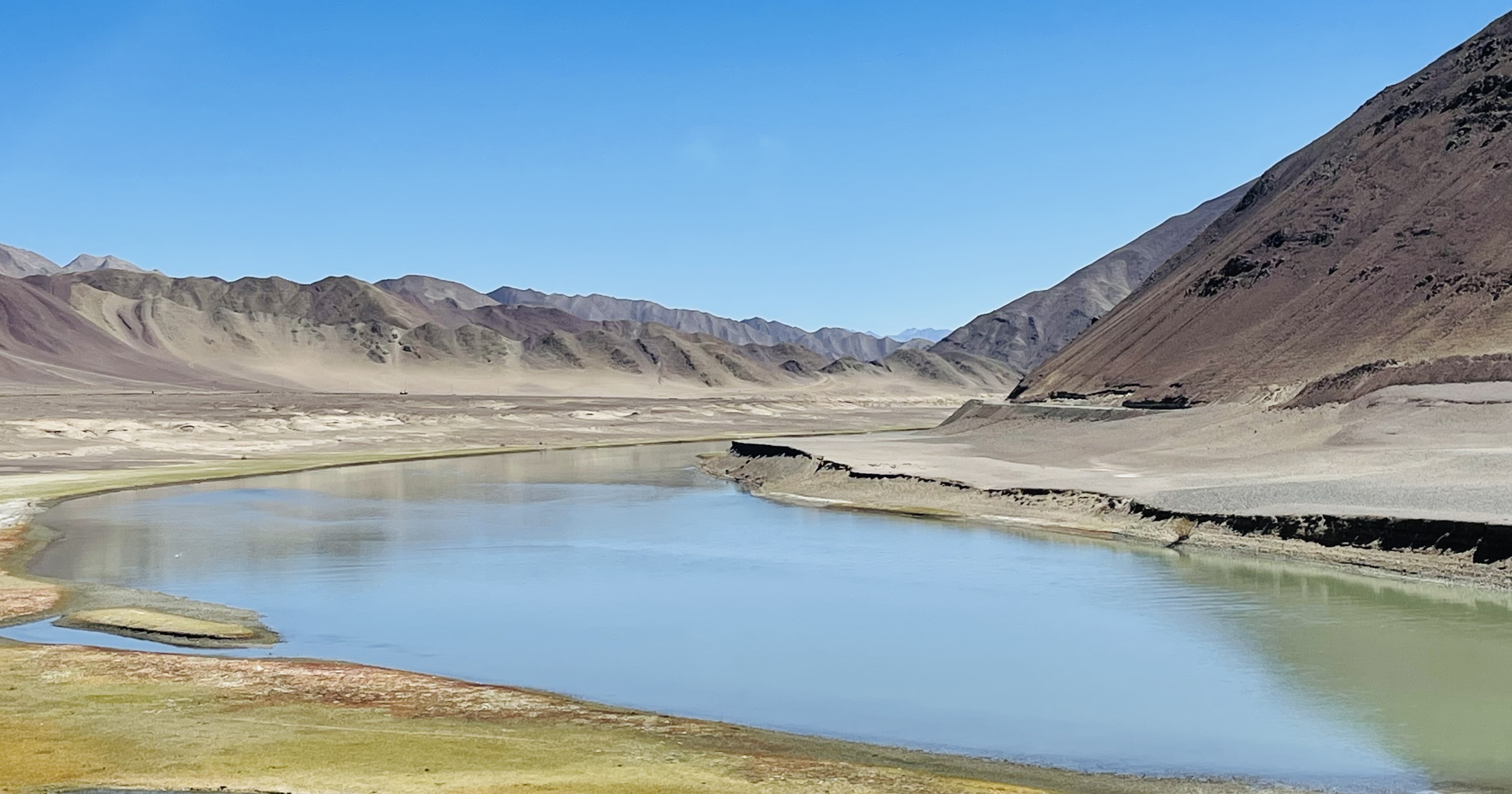
Several of the new names fall in Aksai Chin, which forms the north-eastern edge of Ladakh. A lake east of the Chinese-built G219 highway is now ‘Guru Rinpoche Lake’, while a location on the same road is ‘Kumarayana Point’. The highway links Tibet with Xinjiang and is an important route for the movement of China's People's Liberation Army. The map also names a place called Dehra near Cho La.
Two peaks in the Lizithang range, which cuts across the Aksai Chin plateau, are now ‘Atisha Gir Peak’ and ‘Sakyasri Peak’. A high mountain east of the Depsang Plains, which lie on the Indian side of the Line of Actual Control (LAC), has been named ‘Mahesvara Peak’.
East of the Karakoram Pass, the traditional boundary between the two countries, India has named a place ‘Brangsa’, which lies across the LAC. Other reports on the list mention a ‘Zorawar Peak’, which refers to General Zorawar Singh's campaigns in Ladakh.
Older names tied to the historic Kashgar trade route have been left as they were. These include Khatai Dewan, Haji Langar, Qizil Jilga and Qazil Dewan.
Historian Janet Rizvi, in her 1999 book Trans-Himalayan Caravans, wrote that caravans between Ladakh and Kashgar were a regular feature until 1937, with Punjabi merchants from Hoshiarpur dominating the trade.
Several of the names draw on Buddhist and regional history. Guru Rinpoche is the revered teacher Padmasambhava, who is credited with carrying Buddhism to Tibet in the eighth century.
Atisha was an 11th-century Buddhist scholar who travelled from the Indian subcontinent to Tibet, and Sakyasri is generally identified with the Kashmiri scholar Shakyashri Bhadra.
General Zorawar Singh was the Dogra commander who extended the then Jammu kingdom's rule over Ladakh in the 1830s and 1840s.
The move comes amid a long-running contest over names along the India-China border. China has issued several lists of Chinese-language names for places in Arunachal Pradesh, which it calls Zangnan, since 2017, and India has rejected each one, saying the state is an integral part of the country.
The LAC in eastern Ladakh is not demarcated on the ground, and both sides hold overlapping claims. Beijing had not responded publicly to the Ladakh list at the time of writing.